

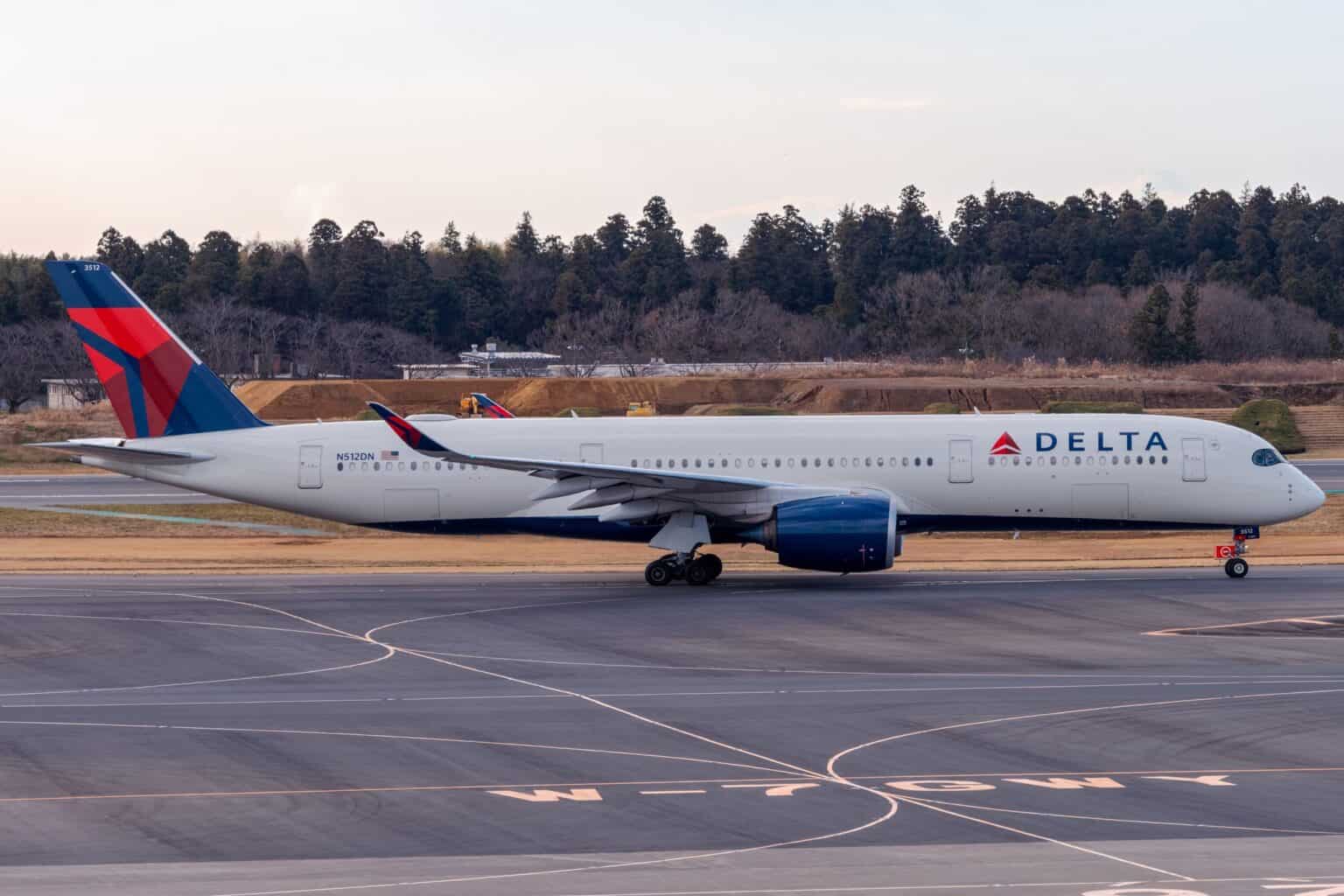
On October 6, 2026, Delta Air Lines flight DL7, an Airbus A350 bound for Tokyo Haneda, struck an Air Canada Boeing 777 with its left wingtip while taxiing for departure at Los Angeles International Airport. No injuries were reported, and the FAA is investigating.
According to the FAA, the contact happened at about 10:30 a.m. local time, when the Delta jet’s left wingtip clipped the horizontal stabilizer of Air Canada flight AC785. The agency said the 777, which had just arrived from Toronto, was being towed when it stopped short of its gate.
What happened on the taxiway
The Delta jet was carrying 275 passengers and 15 crew members, CNN reported. It is not clear how many people were aboard the Air Canada aircraft when it was hit.
Both registrations were first identified by Live and Let’s Fly. The Delta aircraft was N512DN, which the FAA registry lists as an Airbus A350-900 (model A350-941) built in 2019.
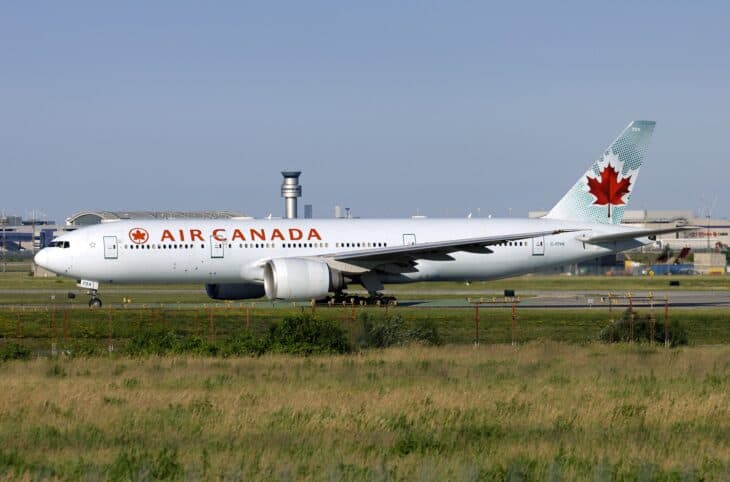
The Air Canada aircraft was C-FIVK, a Boeing 777-200LR. FlightAware records show it landed from Toronto at 10:20 a.m. and that its next trip, AC786 back to Toronto, was cancelled.
Air traffic control audio reviewed by CNN captured both crews noticing the strike. The Air Canada pilot told controllers “We just felt a shudder there,” and the Delta pilot reported “an issue with the wing tip.”
Firefighters inspected both aircraft and reported no problems, according to CNN’s account of the audio. ABC7 Los Angeles reported that the Delta winglet became lodged in the 777’s stabilizer.
LAX said in a statement, reported by NBC Los Angeles, that the incident happened on a taxiway, not a runway, and that flights continued to operate normally.
What Delta, Air Canada and investigators have said
Delta confirmed that one of its aircraft “made contact with an Air Canada aircraft” while taxiing. The airline said nothing is more important than safety and apologized to customers “for the experience and delay in their travels.”
Air Canada spokesperson Sean Davidson said there were no reported injuries and that the 777 would be taken out of service for inspection and repairs. CNN reported that Delta’s A350 was also being inspected by maintenance crews.
The NTSB said it was reviewing whether to open its own investigation as it gathers information on whether the damage warrants one, TheTravel reported. The FAA described its account as preliminary and subject to change.
Several points remain unexplained at the time of writing. In the statements published so far, neither the FAA nor the airlines has said why the towed 777 stopped short of its gate, where exactly its tail sat relative to the Delta jet’s taxi path, or when the Tokyo passengers continued their trip.
How wide the jets are, and when the NTSB steps in
The two jets are almost exactly the same width. Airbus gives the A350-900’s wingspan as 212 feet 5 inches (64.75 m), and the 777-200LR spans 64.8 m, about 212 feet 7 inches.
For airport design, the FAA sorts aircraft into Airplane Design Groups by wingspan and tail height. Both jets sit near the top of Group V, which runs from 171 feet to just under 214 feet (52 to 65 m) Each jet is within 2 feet of the group’s upper limit.
Wingtip-to-tail contact on the ground has happened before. In the Charleston ground collision of July 2025, an ANA 787’s left wingtip clipped the rudder of a Breeze A220 whose tail stuck into the taxiway, and the NTSB blamed both the parking error and the taxiing crew’s failure to keep clearance.
The NTSB has tied its decision to the damage, and federal rules define how much counts. Under 49 CFR 830.2, an accident involves a death, a serious injury or “substantial damage,” meaning damage that affects structural strength, performance or flight characteristics and would normally need major repair or replacement of the part.
The same rule says damage to wingtips is not substantial damage, so a bent A350 wingtip on its own would not meet the bar. The 777’s horizontal stabilizer, which helps control the aircraft’s pitch, is a structural part that the carve-out does not mention.
Sources and references used for research and fact-checking.
Get the Newsletter
The latest aviation news and stories sent to your inbox.
About the Author

Tim is the owner and lead editor of AeroCorner since 2019, overseeing aviation content covering aircraft, airlines, airports, and the broader aviation industry. Through years of researching, writing, editing, and publishing aviation-focused content, he has developed extensive practical knowledge of commercial aviation and air travel. Based in Asia and a frequent traveler himself, Tim also brings firsthand passenger experience to AeroCorner’s coverage. Outside of publishing, he has also explored aviation firsthand through hands-on flight training in New Zealand.