

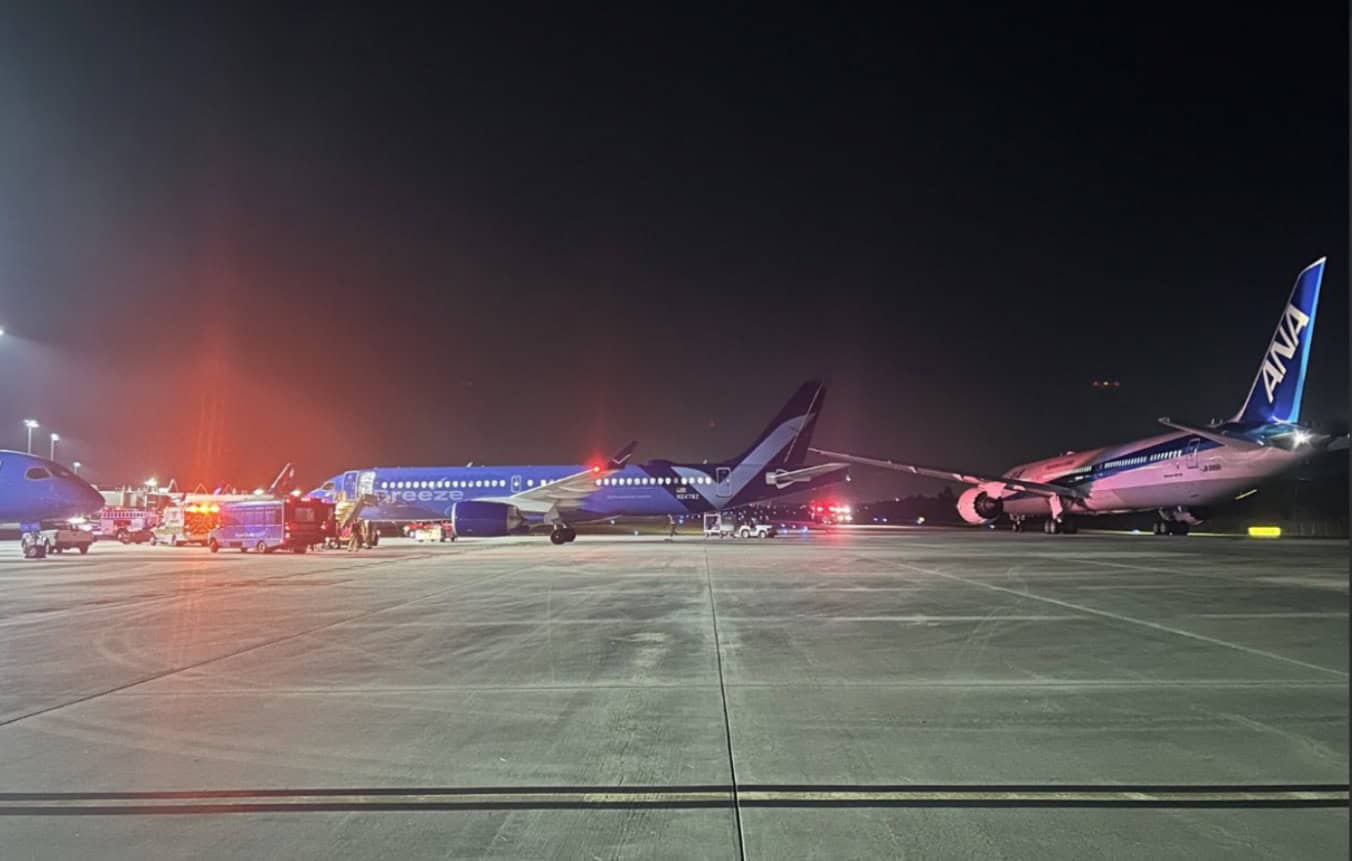
The National Transportation Safety Board has released its report into a ground collision at Charleston International Airport in which an All Nippon Airways Boeing 787 struck a parked Breeze Airways Airbus A220. The report, released on July 20, 2026, faults an incorrectly parked aircraft and a taxiing crew that failed to keep enough clearance in the dark.
The collision happened on the night of July 18, 2025. Two passengers on the Breeze jet suffered minor injuries, and the damage to the two aircraft was put at about 6.5 million dollars.
What the report found
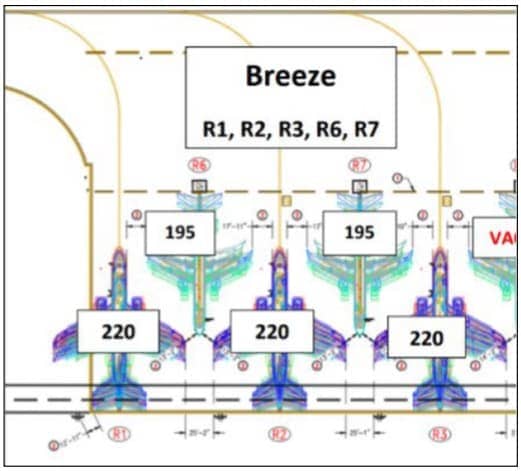
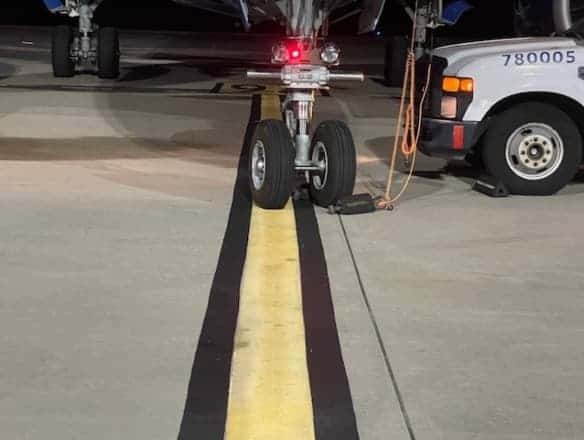
According to the NTSB, ground personnel parked the Breeze Airbus A220-300 incorrectly, leaving part of its tail extending into taxiway M with the main landing gear stopped past a marked clearance line. That put the aircraft’s vertical stabilizer inside the path of taxiing traffic.
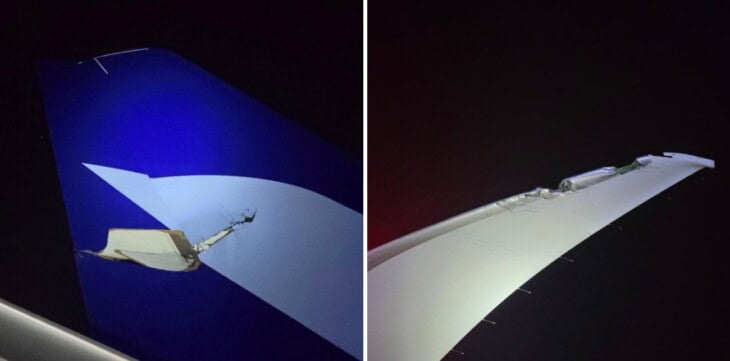
The ANA Boeing 787-10, a fresh delivery aircraft leaving the factory in North Charleston bound for Tokyo, then taxied past. Its left wingtip clipped the rudder of the parked A220-300, a jet operating a scheduled flight to Virginia.
Investigators determined the probable cause was the improper parking combined with the ANA crew’s failure to maintain adequate clearance while taxiing at night. The board noted the impact was gentle enough that the 787 crew first described it as feeling like taxiing over an uneven surface.
The NTSB also cited contributing factors. The Breeze crew was unfamiliar with the ramp layout, and airport operations staff did not know that a wide-body Boeing would be taxiing through that area.
The numbers
A Boeing 787-10 wingtip against an Airbus A220-300 rudder, on the ground, at night. Two minor injuries and about 6.5 million dollars in damage, with the accident logged by the NTSB as case DCA25LA267.
Why ground collisions keep happening
Wingtip strikes on the ground are one of aviation’s most stubborn low-speed hazards. A wide-body wing like the 787’s spans around 60 meters, and from the flight deck a pilot cannot see the tips, so crews rely on painted lines, clearance bars and ground marshallers to judge the gaps.
Those taxiway markings exist precisely to keep parked aircraft clear of moving ones. When an aircraft is left with a wingtip or tail across a boundary line, the protective margin the layout is designed to guarantee simply is not there, and a taxiing crew may not spot the encroachment until it is too late.
The Charleston case is a reminder that these accidents rarely come down to a single mistake. A parking error, an unexpected taxi route and darkness lined up together, echoing the kind of coordination gaps that also surface in other incidents at Charleston. No single link in that chain would likely have caused the collision on its own.
Sources and references used for research and fact-checking.
Get the Newsletter
The latest aviation news and stories sent to your inbox.
About the Author

Tim is the owner and lead editor of AeroCorner since 2019, overseeing aviation content covering aircraft, airlines, airports, and the broader aviation industry. Through years of researching, writing, editing, and publishing aviation-focused content, he has developed extensive practical knowledge of commercial aviation and air travel. Based in Asia and a frequent traveler himself, Tim also brings firsthand passenger experience to AeroCorner’s coverage. Outside of publishing, he has also explored aviation firsthand through hands-on flight training in New Zealand.