

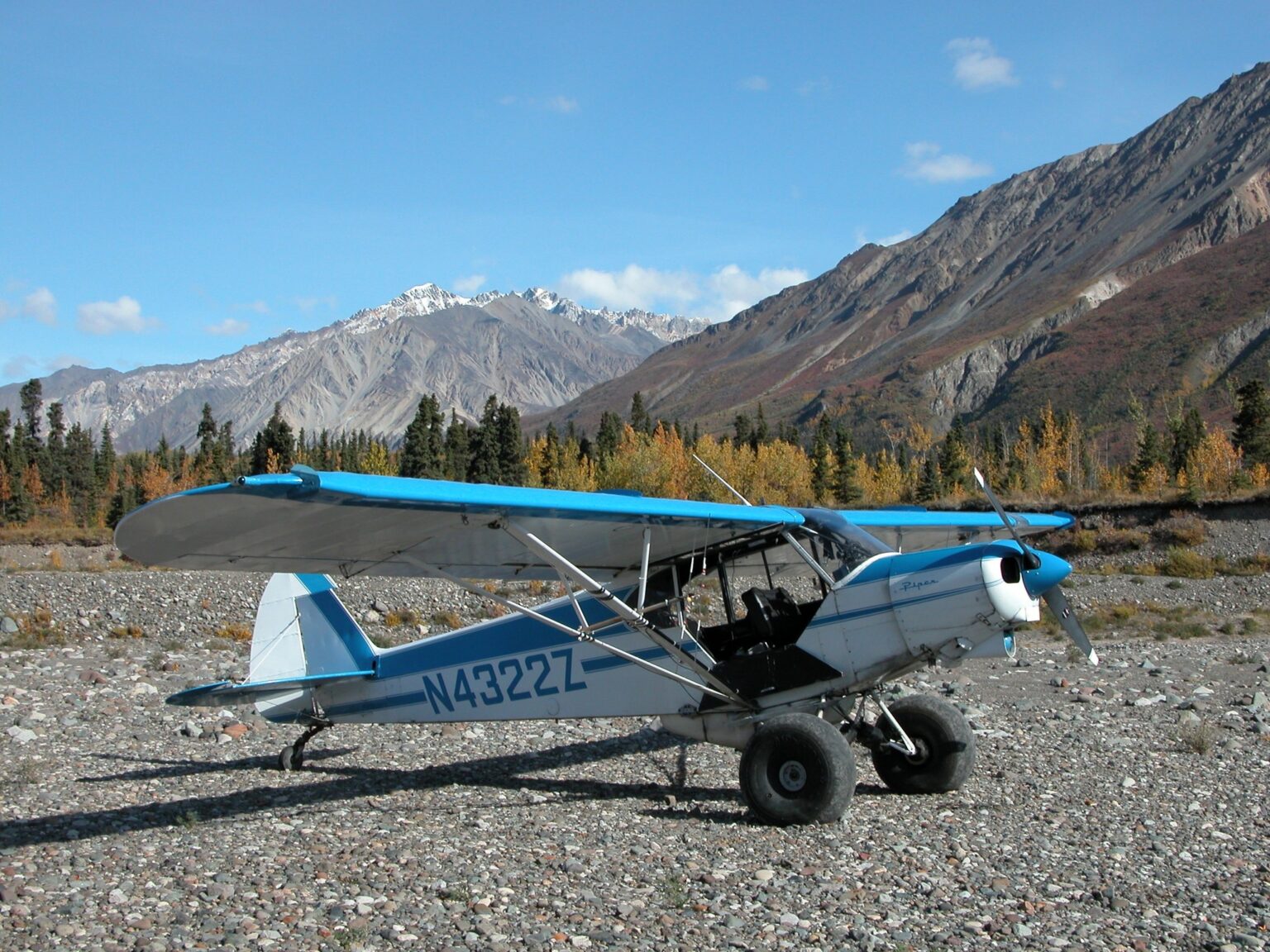
Piper PA-18-150 Super Cub N9128D struck a large bush and then a gravel riverbed shortly after leaving a moose camp airstrip in Alaska’s Wrangell Mountains on September 17, 2026, killing both people aboard, according to a National Transportation Safety Board preliminary report. The report, numbered ANC26FA106, states no cause.
Alaska State Troopers identified the two as pilot Cabot Pitts, 42, of Palmer, and Connor Helsel, 18, of Michigan. The report’s release was covered by Alaska’s News Source on October 30.
The Anchorage Daily News reported that Pitts owned Alaska Wild Wind Adventures and was president of the Alaska Professional Hunters Association, and that Helsel was working for him that summer. The NTSB, which does not name either man, lists the operator as Alaska Wildwind Adventures.
What the employees at the camp saw and heard
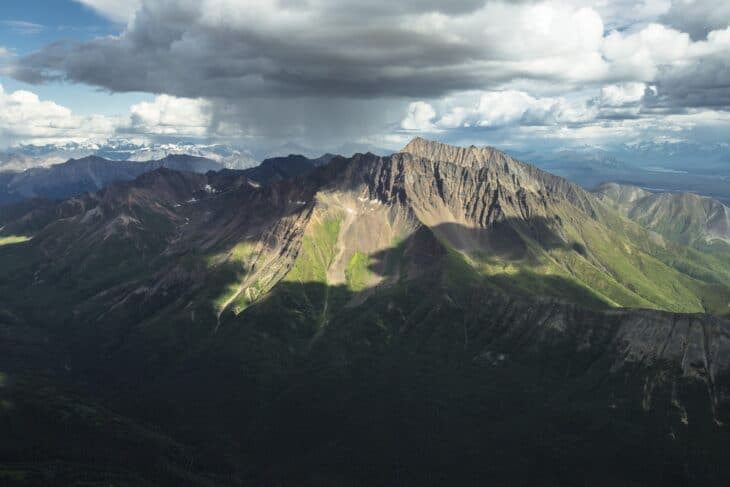
Company employees told the NTSB that packers, guides and hunters were at a moose camp along Snag Creek known as the “Snag strip.” The flight was meant to carry one packer to another moose camp about 10 miles (16 km) to the east.

They watched the pilot do a preflight inspection, load the packer and his backpack, taxi and take off. Once the airplane was airborne they turned away, having seen nothing unusual.
Shortly afterward they heard sounds they described as metal popping, then saw the airplane on the ground on the opposite side of the creek. The report does not say whether those sounds came before the impact or from it.
The airplane came to rest on a north heading about 750 feet from the dirt strip, at an elevation of 3,280 feet. The employees called it a good flying day with light winds.
The report lists visual conditions and daylight, and no flight plan was filed. Its one weather observation, from Beaver Creek, Yukon, about 20 nautical miles away, gives 25 miles of visibility and a 6-knot wind, but it is timed at 15:00 local, well before the crash at about 7:30 p.m.
What the wreckage shows
An investigator from the NTSB’s Alaska regional office examined the site and found all major components attached and accounted for. The first observed impact point was a partially severed branch about 5 feet above the ground, on a large bush a few feet in front of the wreckage.
From there the airplane hit the gravel riverbed nose-low near the shoreline, rotated and stopped facing opposite its direction of travel. The fuselage separated forward of the control stick, the instrument panel and firewall came away from it, and there was no fire.
Flight control continuity was confirmed from the cockpit to the control surfaces, and the stabilizers appeared undamaged. The flaps, modified under a supplemental type certificate, were at the second notch and moved freely, and the stabilizer trim was partly nose down.
The engine checks so far
The fuel drained from the airplane was blue, consistent with 100LL avgas, and tested negative for water. A borescope inspection of the cylinders found no anomalies, thumb compression was present on all of them, the spark plugs looked normal and the oil screen was clean and unobstructed.
The left magneto produced spark when rotated by hand and the right one did not, but the right unit had fractured aluminum around its attach flange, which the NTSB called consistent with impact damage. Both propeller blades showed chordwise scoring and leading-edge nicks and gouges, and the report draws no conclusion from those marks.
A Garmin Aera recovered from the airplane went to the NTSB Recorders Laboratory for download. The report gives no results from it, and the wreckage was moved to a secure facility for further examination.
Still provisional
Every page of the report is marked preliminary and subject to change. It sets out what investigators found, not why the airplane came down.
What the report settles, and what comes next
It answers one open question. The Alaska Story wrote days after the crash that it was unknown whether the flight was private or an air taxi, and the NTSB now lists it as a Part 135 on-demand air taxi flight.
It also explains why the place names differ. Early coverage put the crash near Nabesna, while the NTSB files it under Northway; the Daily News placed the site about 50 miles (80 km) from each, inside Wrangell-St. Elias National Park and Preserve and about 15 miles (24 km) from the Canadian border.
FAA registry records show N9128D as a 1958 PA-18-150 registered to Pitts, with a Lycoming O-320 series engine. The Super Cub is a two-seat fabric-covered design with very short takeoff and landing distances, which makes it a common choice for bush flying.
Millicent Hill, the NTSB’s acting Alaska region chief, is the investigator in charge. The agency has classed this as a Class 3 investigation, a tier that looks for the safety issues behind an accident and ends with a Board-approved final report stating probable cause.
The NTSB says on its investigative process page that it tries to finish an investigation within 12 to 24 months, though that timing can vary.
The crash came during a deadly stretch for Alaska aviation. The Daily News counted 16 deaths in four crashes in less than a month, starting with the Cape Newenham Cessna 441 on August 20 and including the Seldovia crash on August 26 and a Cessna 185 near Aniak on September 15.
Sources and references used for research and fact-checking.
Get the Newsletter
The latest aviation news and stories sent to your inbox.
About the Author

AeroCorner News is the aviation news desk of AeroCorner.com. It covers accidents and incidents, safety rulings, airline and airport disruption, and new aircraft. It works from primary sources such as the NTSB, FAA, EASA and the manufacturers' own announcements.