

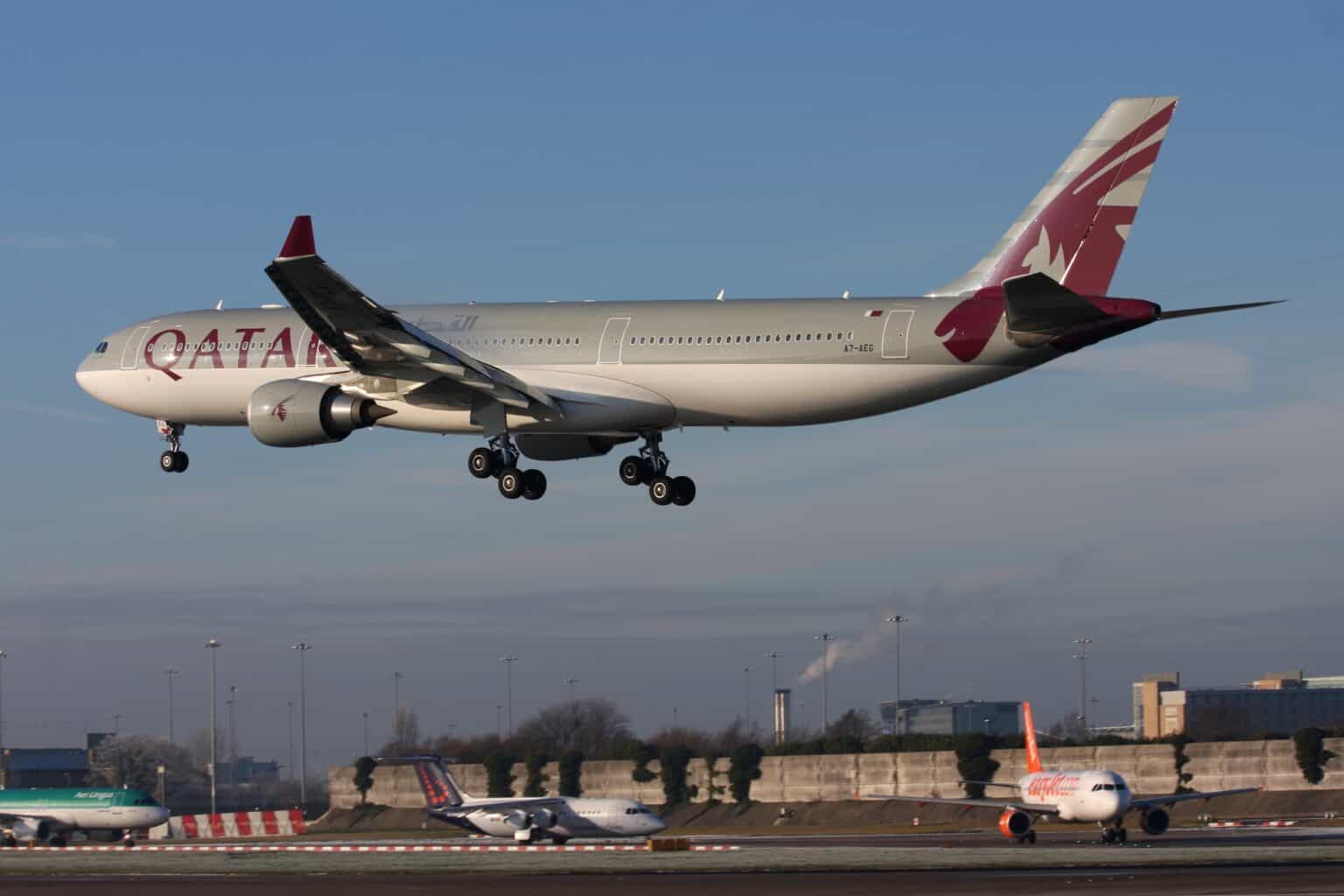
Qatar Airways has retired the last of its Airbus A330 passenger jets and seconded some of the pilots who flew them to RwandAir, Rwanda’s flag carrier. Reuters first reported the retirement on September 25, 2026, and a Qatar Airways spokesperson confirmed the pilot secondment.
A330s made up 7% of Qatar Airways’ passenger fleet as of March, according to company data cited by Reuters. The airline says it now flies 239 passenger jets and 30 freighters. Flight histories reviewed by AeroTime show the fleet flew its last scheduled services on February 28, 2026, the day the Iran war began.
Where the jets and the pilots are going
Qatar Airways leased four A330s from Oman Air in 2025 and planned to fly them through 2026, but they never entered commercial service, two people with knowledge of the matter told Reuters. Flight tracking data cited by Reuters places those jets in Teruel, Spain, or in Doha.
Two of the A330s parked in Doha are leased from the lessor Jetran and will be returned in October. Another was acquired by RwandAir earlier this year.
RwandAir announced on August 24 that it had received an A330-200, the first of five A330s it plans to add, The New Times reported. Neither report says whether that jet is the one that came from Qatar Airways.
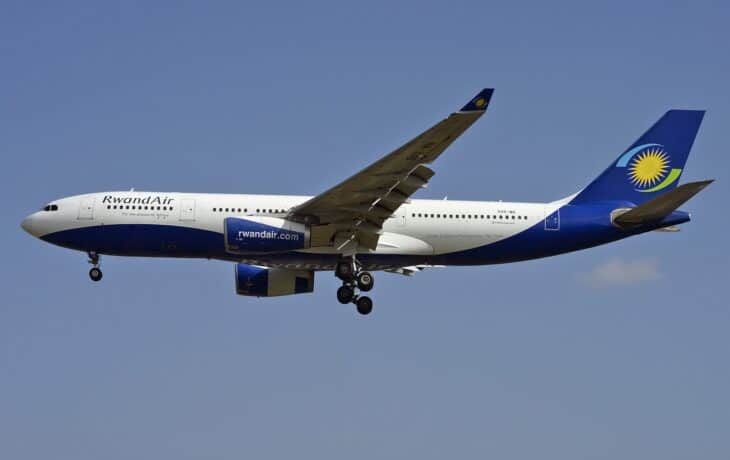
“A group of Qatar Airways A330 pilots are being offered a voluntary short-term secondment opportunity with RwandAir,” the Qatar Airways spokesperson told Reuters. The spokesperson did not say how long it will last.
Just over a dozen pilots have gone, and some had not flown commercially since the war started, according to Reuters. The spokesperson said the move keeps A330-trained pilots flying.
The two airlines have worked together for years. They signed a codeshare agreement in October 2021 that Qatar Airways said covered more than 65 destinations across Africa and the rest of the world.
Why the A330 went first
Jet fuel prices have doubled since the war began, Reuters reported, and an older widebody burns more of it than the newer jets in Qatar’s fleet. Analysts told Reuters that parking the A330s is substantially cheaper than flying them at current oil prices.
The A330-200 and A330-300 are no longer in production. Analysts said jets of that age would normally have been phased out already, but manufacturing delays and strong post-pandemic travel demand kept them flying longer than expected.
That window is now closing across the industry. Cirium data cited by Reuters shows A330-200 and A330-300 flights worldwide are down about 12% from September 2025. Cirium counts some 801 still active, out of 1,437 that Airbus built and delivered.
For Qatar Airways, the type goes back more than two decades. The airline took its first A330-300 in October 2004, when it already flew 10 of the smaller A330-200s, according to its own announcement at the time.
The war has also shrunk the airline. As of September, Qatar Airways’ seat capacity was 10% lower than a year earlier, according to Cirium, the same drop as at Emirates, while capacity across the industry was flat.
Cirium said Qatar Airways is running 12% fewer flights with 4% fewer aircraft than a year ago. Other airlines are cutting too: Ryanair trimmed its winter schedule as fuel costs climbed.
What comes next for the fleet
The spokesperson said Qatar Airways regularly reviews its fleet, “retiring older aircraft and introducing newer, more efficient aircraft as they are delivered.” The airline expects 138 new aircraft over the next five years.
Between September 2026 and the end of 2027, it plans six aircraft exits and 19 deliveries, the spokesperson said. It still has 410 aircraft on order from Boeing and Airbus.
Qatar Airways told Reuters it expects growth to resume once the regional disruption eases, and that it will soon start recruiting pilots for newer aircraft. Cirium said the airline is on track to return to capacity and network growth by 2027.
Sources and references used for research and fact-checking.
Get the Newsletter
The latest aviation news and stories sent to your inbox.
About the Author

Tim is the owner and lead editor of AeroCorner since 2019, overseeing aviation content covering aircraft, airlines, airports, and the broader aviation industry. Through years of researching, writing, editing, and publishing aviation-focused content, he has developed extensive practical knowledge of commercial aviation and air travel. Based in Asia and a frequent traveler himself, Tim also brings firsthand passenger experience to AeroCorner’s coverage. Outside of publishing, he has also explored aviation firsthand through hands-on flight training in New Zealand.