

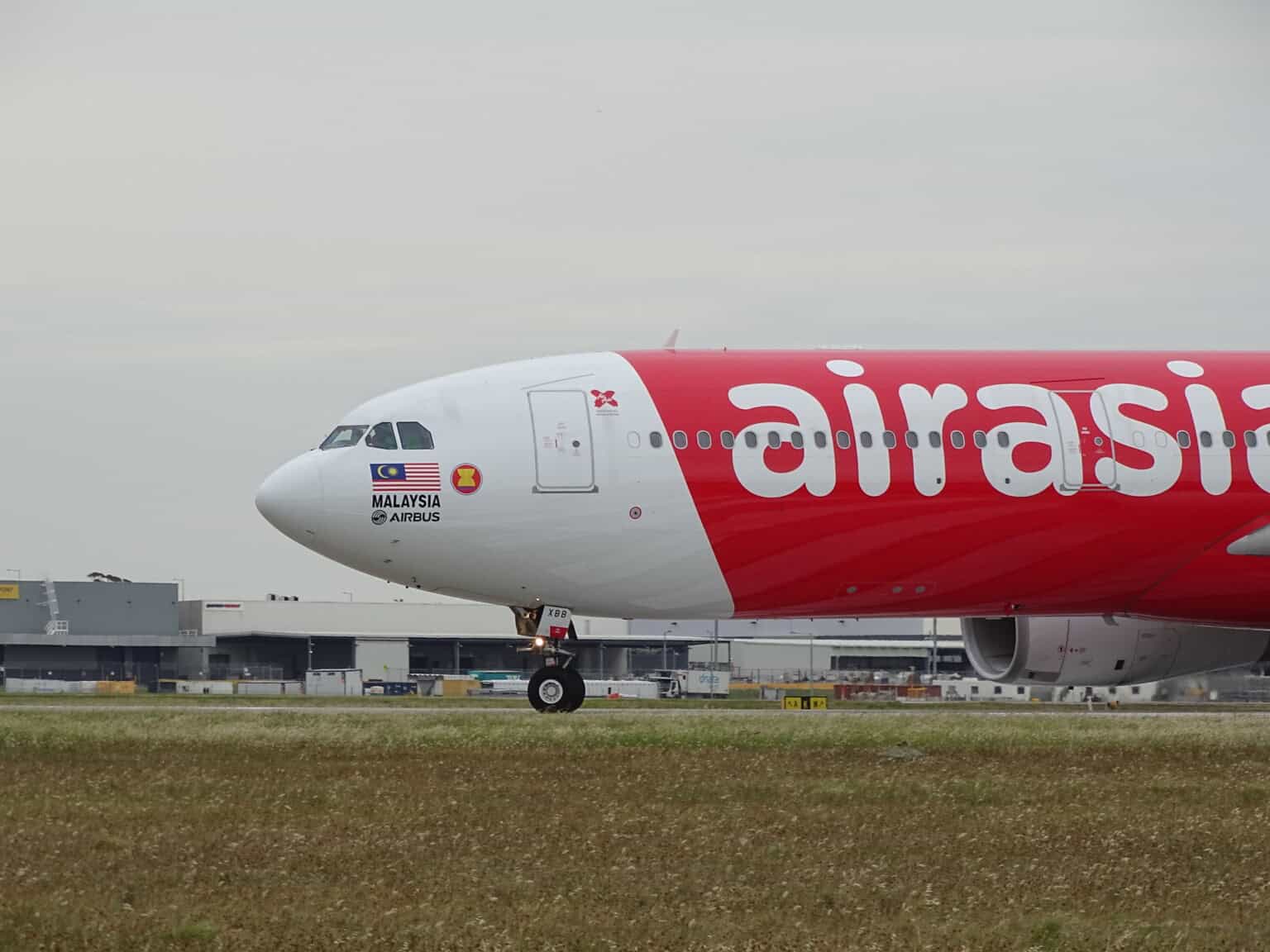
On August 20, 2026, AirAsia X said it will suspend its Kuala Lumpur to Sydney service from October 25, ending a route the carrier has flown since 2012. The airline framed the move as part of a broader pullback from the aging widebody jets it uses on its longest routes.
What is changing
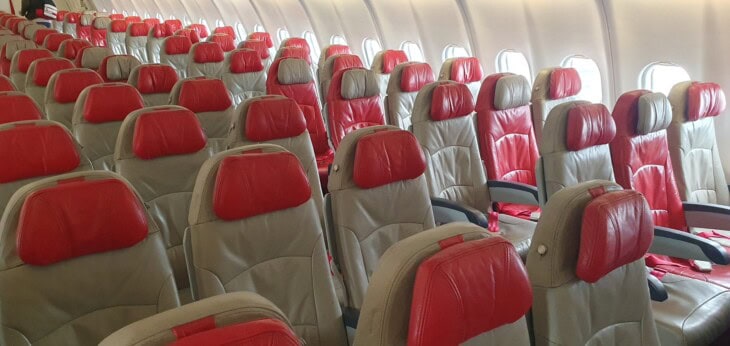
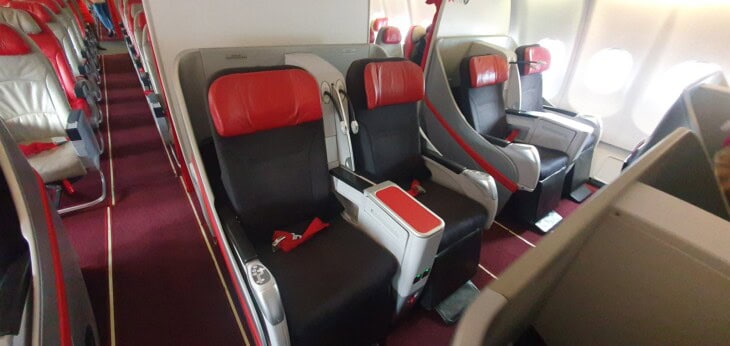
AirAsia X currently flies the route four times a week with a 358-seat Airbus A330-300, connecting Sydney to Kuala Lumpur. In an AirAsia newsroom statement, the airline cited “increased cost pressures” and “softer demand” alongside a strategic need to realign its network and fleet.
AirAsia X general manager Benyamin Ismail called it “an incredibly difficult decision,” adding that “the current operating environment requires us to make some tough choices.” The airline said it is fast-tracking the return of older, less fuel-efficient widebody aircraft, including the jets used on the Sydney run.
Passengers booked on the route can take a full refund, a 730-day travel credit, or a free date change made before October 24. AirAsia is not leaving Australia: from December, Melbourne to Kuala Lumpur returns to daily service, and Perth’s links to Kuala Lumpur and Denpasar both add frequencies.
Sydney out, Perth and Melbourne up
AirAsia is not shrinking in Australia, it is reallocating capacity. Sydney to Kuala Lumpur ends October 25 while Perth-Kuala Lumpur, Perth-Denpasar, and Melbourne-Kuala Lumpur all gain frequency from December.
Why a 14-year route stops making sense
Flying a widebody jet on a route like Sydney to Kuala Lumpur, roughly 4,000 miles (6,400 km) each way, is expensive relative to what a low-cost carrier can charge for the seats. There is no domestic feeder traffic filling those seats the way a full-service network carrier can draw connections from dozens of onward flights.
Older A330s also burn noticeably more fuel per seat than newer widebodies, and leasing costs on aging airframes rarely fall fast enough to offset softening demand. That combination is why long-haul, low-cost widebody flying has been one of the hardest business models in commercial aviation to sustain over the past decade.
Kuala Lumpur has also lost ground as a one-stop connecting hub for Australia-to-Europe and Australia-to-Asia travel. Other carriers are reaching similar conclusions: Turkish Airlines recently shifted its Sydney connections off Kuala Lumpur and onto Singapore, a sign the city’s advantage as a low-cost long-haul stopover is eroding as competing hubs sharpen their own connections.
For AirAsia specifically, the Sydney cut fits a pattern across the group this year: retiring older widebodies faster than planned and redeploying the newer fleet onto routes with steadier demand, rather than propping up a long-haul route with an aircraft that no longer pencils out.
Sources and references used for research and fact-checking.
Get the Newsletter
The latest aviation news and stories sent to your inbox.
About the Author

Tim is the owner and lead editor of AeroCorner since 2019, overseeing aviation content covering aircraft, airlines, airports, and the broader aviation industry. Through years of researching, writing, editing, and publishing aviation-focused content, he has developed extensive practical knowledge of commercial aviation and air travel. Based in Asia and a frequent traveler himself, Tim also brings firsthand passenger experience to AeroCorner’s coverage. Outside of publishing, he has also explored aviation firsthand through hands-on flight training in New Zealand.