

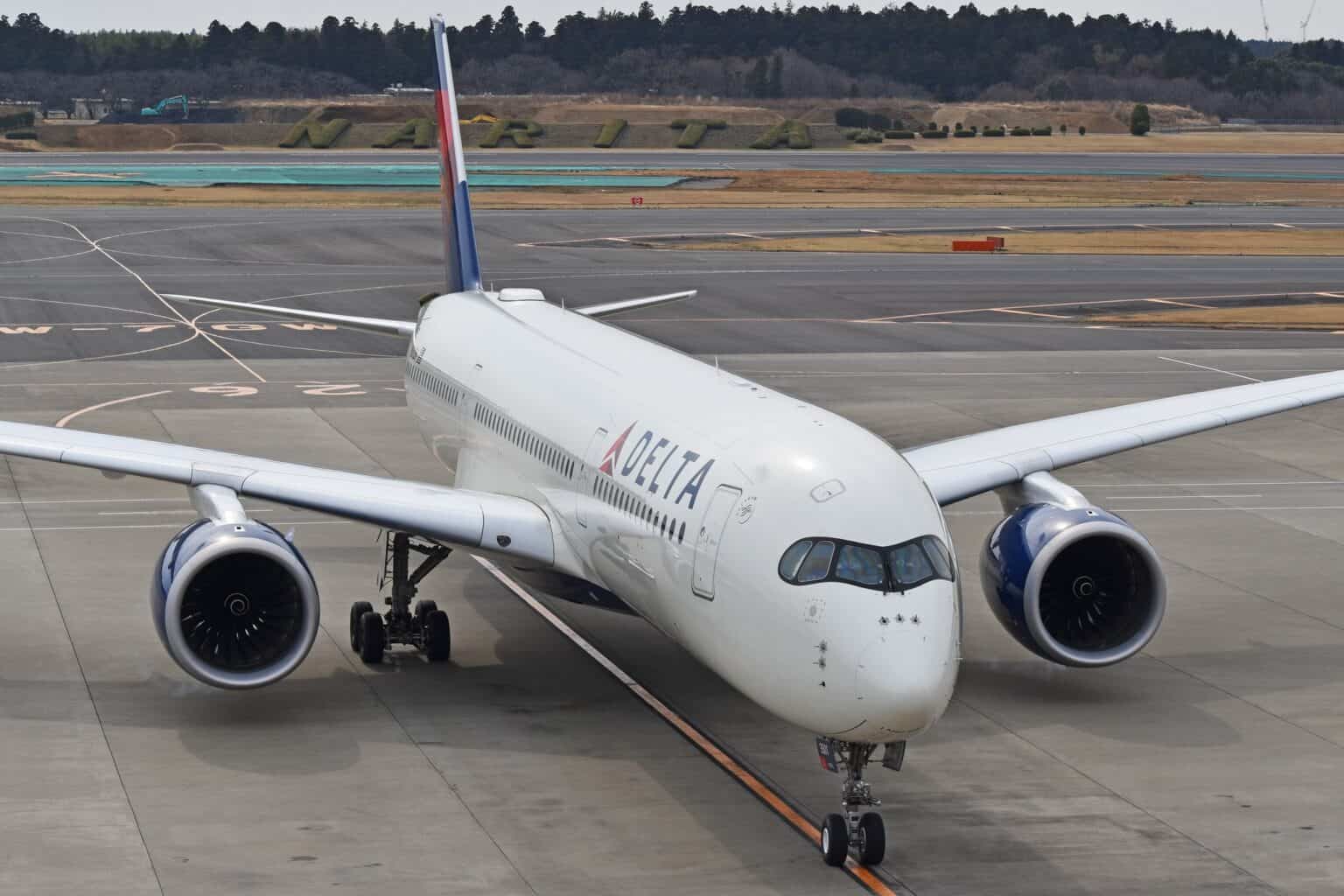
On October 9, 2026, Delta Air Lines cut its full-year 2026 forecast to adjusted earnings of $5.10 to $5.60 per share, down from the $6.50 to $7.50 it affirmed in July. CEO Ed Bastian said Delta now expects a pre-tax profit of roughly $4.5 billion for the year, after absorbing a $6 billion increase in fuel costs.
Revenue for the September quarter was a record, but adjusted earnings of $1.72 per share fell short of the $2.00 to $2.50 Delta had guided in July. The airline also lowered its free cash flow forecast to about $2.5 billion, from $3 to $4 billion.
What Delta reported
Adjusted operating revenue rose 16% to $17.6 billion on flat capacity. Adjusted pre-tax income was $1.5 billion, level with the same quarter of 2025.
On a GAAP basis, which includes third-party sales from Delta’s oil refinery, operating revenue was $20.2 billion. Net income fell 47% to $756 million, or $1.15 per share, from $1.42 billion a year earlier.
Adjusted fuel expense rose 62% to $4.1 billion. Chief financial officer Erik Snell said the quarter absorbed more than $500 million of higher fuel costs than Delta had built into its guidance in early July.
Costs outside fuel rose too, with non-fuel unit costs up 7.3%. It was the first time in two years that Delta missed Wall Street’s earnings estimates, CNBC reported.
The higher-margin businesses kept growing. Premium revenue and loyalty revenue each rose 18%, and cargo revenue climbed 29%.
Why the fuel number moved so far
Delta’s guidance has had to chase the price of jet fuel all year. The figures below come from its July and October earnings releases.
| Period | Delta’s fuel price per gallon |
|---|---|
| September quarter 2025 (actual) | $2.25 |
| September quarter 2026 (July forecast) | About $3.15 |
| September quarter 2026 (actual) | $3.61 |
| December quarter 2026 (October forecast) | About $4.25 |
Jet fuel prices have surged since the Iran war began in February, and fuel is an airline’s second-largest cost after labor. U.S. Gulf Coast jet fuel cost $4.34 a gallon on October 8, almost double the $2.19 of a year earlier, according to FactSet data cited by CNBC.
Delta has a partial cushion in its own refinery in Trainer, Pennsylvania, run by its subsidiary Monroe Energy, which CNBC notes gives it an advantage over other carriers. The refinery cut Delta’s fuel price by 13 cents a gallon in the September quarter, and Delta expects about 40 cents of benefit in the December quarter.
Much of the remaining increase is going into fares. Bastian told CNBC that fares have kept ticking up as Delta passes along much of the $6 billion, and that travelers are still booking across every cabin.
That matches the wider picture: the latest inflation reading showed airfares up more than 23% from a year earlier, CNBC noted. Our explainer on why flights cost more breaks down how fuel feeds into ticket prices.
What comes next
For the December quarter, Delta forecasts revenue up about 20% while its seat count grows less than 2%, including fewer Main Cabin seats. It expects earnings of $1.15 to $1.65 per share, which Snell said would match last year at the top of the range.
In other words, Delta is planning to earn more from each seat rather than fly many more of them.
Delta is the first major U.S. airline to report results for the September quarter, which covers the busy summer season. United, one of its two biggest rivals, will publish its results after the market closes on October 20.
Fuel is squeezing carriers outside the U.S. as well. In September, Ryanair trimmed its winter schedule and its 2027 growth target as its fuel costs climbed.
Sources and references used for research and fact-checking.
Get the Newsletter
The latest aviation news and stories sent to your inbox.
About the Author

Tim is the owner and lead editor of AeroCorner since 2019, overseeing aviation content covering aircraft, airlines, airports, and the broader aviation industry. Through years of researching, writing, editing, and publishing aviation-focused content, he has developed extensive practical knowledge of commercial aviation and air travel. Based in Asia and a frequent traveler himself, Tim also brings firsthand passenger experience to AeroCorner’s coverage. Outside of publishing, he has also explored aviation firsthand through hands-on flight training in New Zealand.