

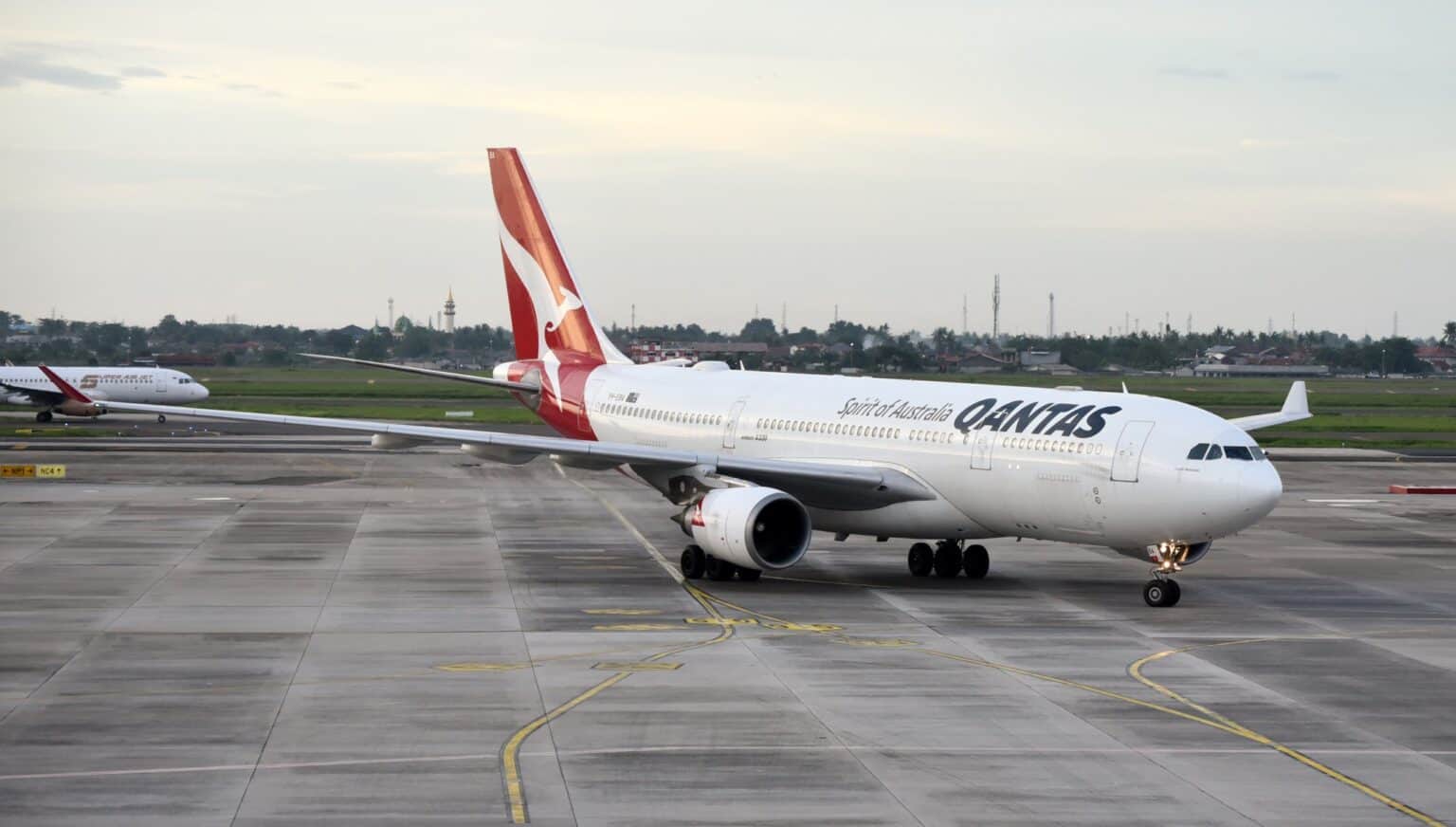
Qantas flight QF37, an Airbus A330-200 flying from Melbourne to Singapore, diverted to Denpasar on Bali on the evening of Thursday, October 22, 2026, after its crew shut down the right engine. The aircraft, registered VH-EBA, landed safely and had not flown again by October 25.
The incident was reported on October 25 by The Aviation Herald. AeroCorner could not find a Qantas statement on the diversion at the time of writing.
What happened on QF37
QF37 was scheduled to leave Melbourne at 4:55 p.m. local time and pushed back about an hour late, according to FlightStats. FlightAware’s history for VH-EBA shows a 6:05 p.m. takeoff.
According to The Aviation Herald, the jet was cruising at 38,000 feet about 170 nautical miles north-northwest of Denpasar when the crew turned around. It descended to 20,000 feet and landed on Runway 09 at Bali about 40 minutes later.
FlightAware logs the landing at 9:21 p.m. Bali time, 6 hours and 15 minutes after takeoff. FlightStats lists the flight as “Diverted to DPS.”
The cause rests for now on a passenger’s account. The Aviation Herald reported that the captain told passengers the right engine had suffered a massive oil loss, that its oil pressure fell to zero, and that it was shut down.
That engine is a General Electric CF6, the outlet said. GE has said its CF6-80E1 powers Qantas’ A330-200 and A330-300 fleet.
Passengers and the stranded jet
FlightStats shows the planned onward leg from Denpasar to Singapore as cancelled, and FlightAware shows the aircraft’s next scheduled trip, Singapore to Melbourne on October 23, cancelled too. How many people were on board, and how Qantas got them to Singapore, has not been made public.
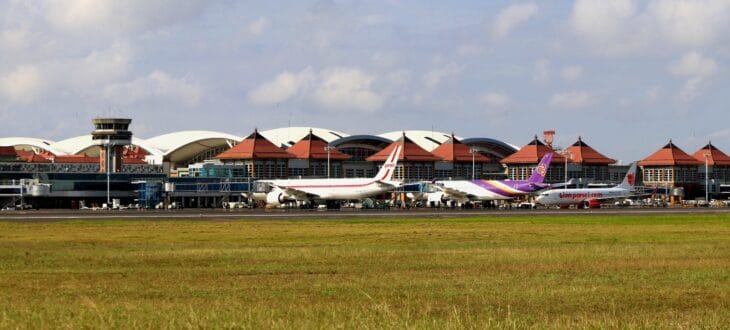
The A330 has stayed at Ngurah Rai International Airport. The Aviation Herald said it was still on the ground about 73 hours after landing, and FlightAware’s history for VH-EBA listed no flight after the diversion as of October 25.
AeroCorner found no statement from the Australian Transport Safety Bureau on the event. No official cause has been published.
Why a twin diverts instead of pressing on
The A330 has two engines, and losing one changes the plan at once. The US rule for airlines, 14 CFR 121.565, shows the logic: a twin whose engine fails or is shut down to prevent possible damage must land at the nearest suitable airport in point of time.
For QF37, that meant Bali, about 40 minutes away by The Aviation Herald’s account, rather than continuing to Singapore. For a broader look at how crews pick a diversion airport, see our flight diversion explainer.
Qantas flies its own services to Bali from Sydney and Melbourne, FlightStats’ Denpasar arrivals board shows. Even so, the cause of the oil loss on VH-EBA, and what repair it needs, has not been reported.
Not the jet’s first engine shutdown
VH-EBA is about 24 years old. The registration history kept by Aussie Airliners says it first flew in October 2002 and was delivered that December, and that it flew for Jetstar from 2007 to 2014 before returning to Qantas.
The same history records an engine failure on March 25, 2024, as the jet descended into Perth on QF781 from Melbourne. Qantas said at the time, as reported by AAP, that the pilots manually shut the engine down and requested a priority landing.
No source links the 2024 event to this week’s oil loss, and it is not known whether the same engine was involved. In August, a Delta A330 made a similar engine-related diversion to St. John’s.
What is still unknown
The oil-loss account comes from a passenger relaying the captain’s announcement, not from Qantas or an investigator. The number of people on board, how passengers continued their journey, and when VH-EBA will leave Bali have not been confirmed.
Sources and references used for research and fact-checking.
Get the Newsletter
The latest aviation news and stories sent to your inbox.
About the Author

AeroCorner News is the aviation news desk of AeroCorner.com. It covers accidents and incidents, safety rulings, airline and airport disruption, and new aircraft. It works from primary sources such as the NTSB, FAA, EASA and the manufacturers' own announcements.