

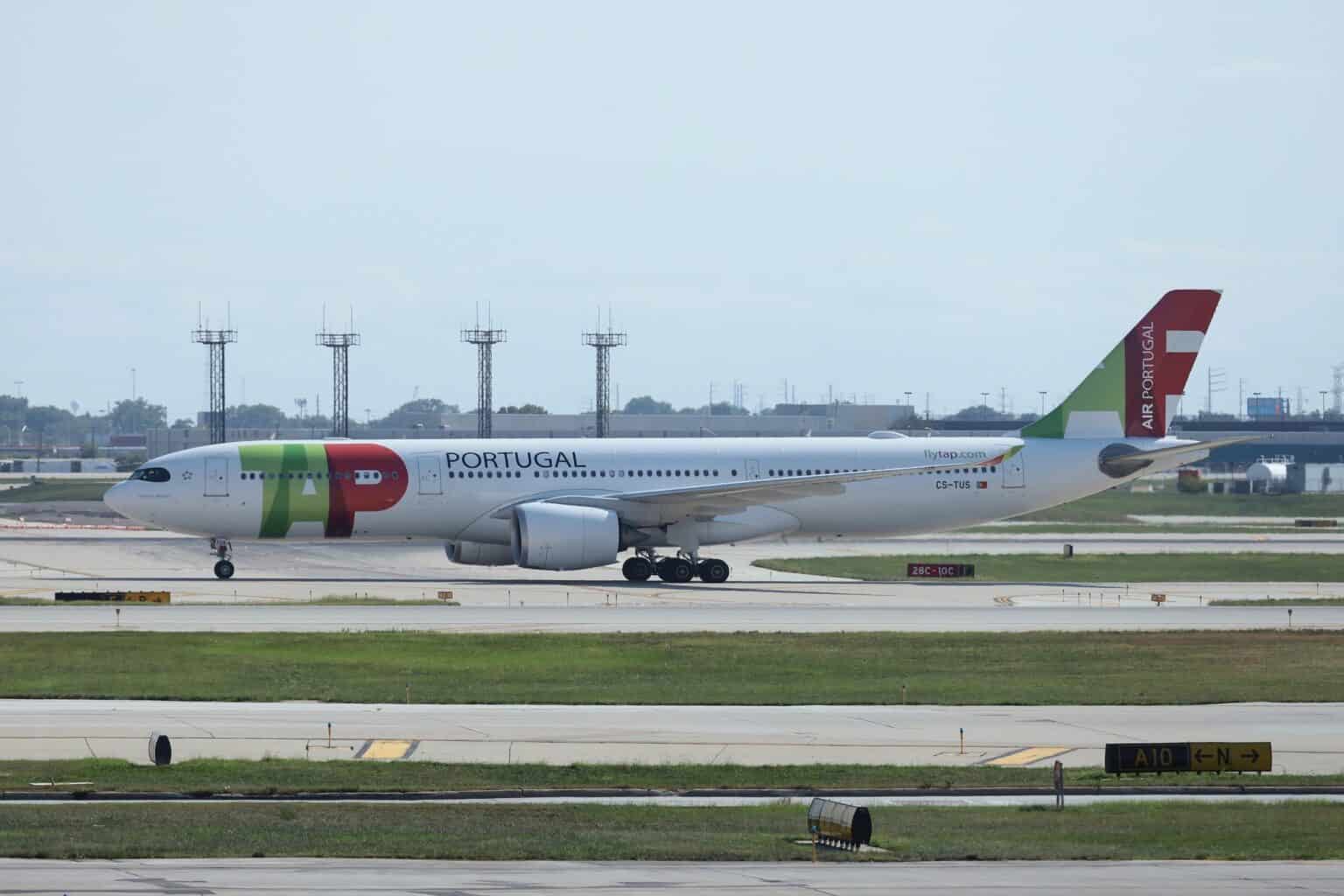
TAP Air Portugal flight TP248, an Airbus A330-900 bound for Lisbon, flew off its published departure route after takeoff from Los Angeles on Tuesday, October 20, 2026. Shortly afterward the crew turned right after being told to turn left, and the departure controller gave them a phone number to call about a possible pilot deviation.
The flight then continued to Lisbon without further trouble. The episode came to light this week through a reconstruction of the air traffic control recording, posted on October 23 by the YouTube channel You can see ATC.
What happened on the climb out of LAX
The video’s description identifies the aircraft as A330-900 CS-TUS, flying as TAP4LA, the radio callsign for TP248. Flightradar24 also lists CS-TUS on that day’s TP248, and FlightAware logs the takeoff at 5:22 p.m. local time, with the ORCKA FIVE departure in the filed route.
According to the recording as transcribed by One Mile at a Time, the tower cleared the jet to take off from runway 24L and to fly to a waypoint called DLREY. Instead, the A330 turned south much earlier than the procedure allows.
The departure controller told the crew to turn right immediately to a heading of 250 degrees. Asked why the aircraft had made a steep turn to the south, a pilot replied that they were flying the ORCKA FIVE departure, and the controller answered: “That’s not even close.”
The second error followed shortly after. The controller assigned a left turn to a heading of 090, the crew read back a left turn, and the aircraft turned right.
The controller stopped the turn, repeated that it should be to the left, and asked a second time whether the crew was okay. “I’ve already replied to that message, we are okay,” the pilot answered, according to the same transcription.
FlightAware shows the A330 landing in Lisbon at 11:08 a.m. local time on October 21, after a flight of just under 10 hours. AeroCorner found no public statement on the flight from TAP or the FAA at the time of writing.
Why one waypoint makes such a difference
ORCKA FIVE is one of the standard instrument departures that keep a busy airport’s outbound traffic on predictable paths. It covers every westbound runway at Los Angeles International, but each runway gets its own first waypoint.
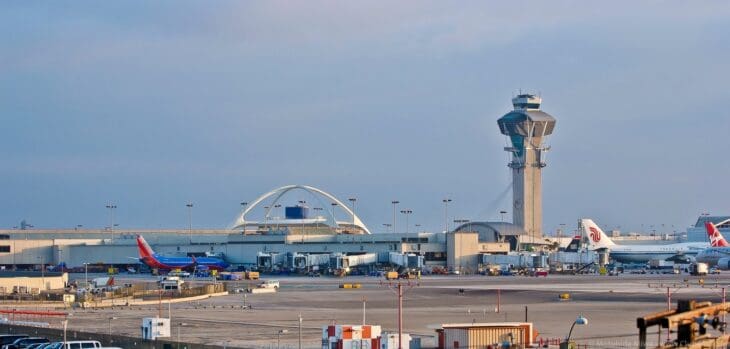

The FAA chart in force on October 20 sends jets off 24L direct to DLREY at or below 3,000 feet, then on a heading of 251 degrees. Departures off 25R, on the airport’s southern pair of runways, fly to a different fix, DOCKR, and then a heading of 236 degrees.
The two headings diverge, so the northern and southern departure streams spread apart as they climb out over the Pacific. Only after that does the chart tell crews to expect a left turn back toward the northeast, as assigned by ATC.
One Mile at a Time’s reading is that the crew had loaded the 25R version of the departure instead of the 24L one, so the flight computer steered toward the southern runway’s fix. It notes that the crew also did not read back the DLREY instruction with the takeoff clearance. TAP has not publicly given a cause, so that explanation remains an outside analysis.
An early turn on a parallel-runway departure matters because it points the jet toward the path used by departures off the neighboring runways. Whether any other aircraft was nearby is not clear from the published material, since the reconstruction leaves uninvolved traffic out.
What a pilot deviation number means
The phone number is standard FAA practice. When a pilot’s actions appear to be a deviation, the agency’s air traffic procedures tell controllers to say “possible pilot deviation” and give a facility number to contact, workload permitting.
The controller also documents the event on an FAA form, which feeds an FAA review. The call itself is not a finding of fault, and no outcome of a review in this case has been made public.
Earlier this month, a different kind of incident at a US hub saw Etihad EY7 make an unauthorized runway crossing at Boston Logan. TP248 is TAP’s link between Los Angeles and Lisbon, flown with the A330-900neo.
Sources and references used for research and fact-checking.
Get the Newsletter
The latest aviation news and stories sent to your inbox.
About the Author

AeroCorner News is the aviation news desk of AeroCorner.com. It covers accidents and incidents, safety rulings, airline and airport disruption, and new aircraft. It works from primary sources such as the NTSB, FAA, EASA and the manufacturers' own announcements.