

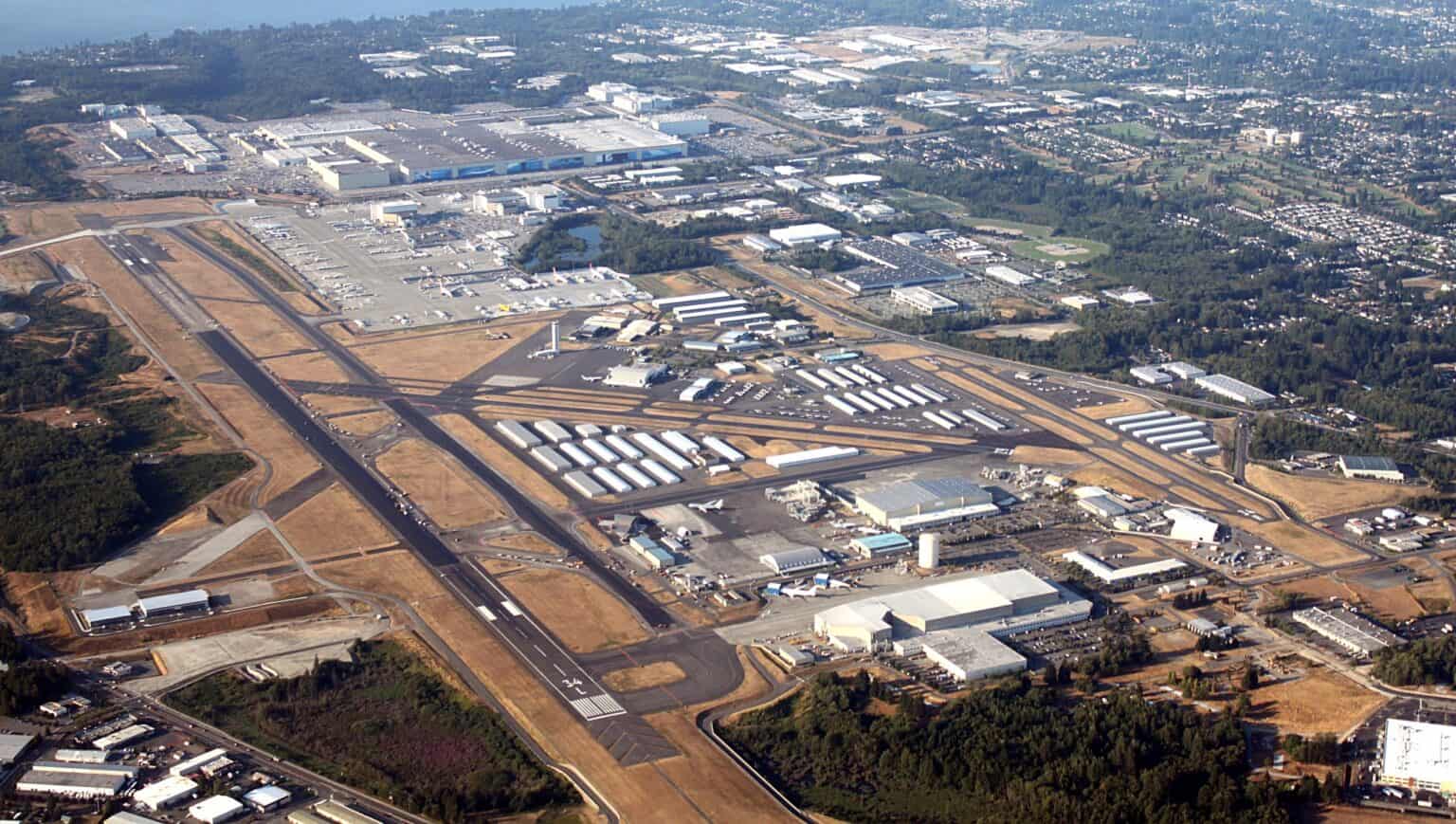
A pilot was killed on Thursday, October 1, 2026, when a Glasair aircraft crashed into a wooded area west of the main runway at Paine Field in Everett, Washington. Paine Field officials said the pilot was the only person on board.
The FAA said the crash happened around 2:45 p.m. local time and that the NTSB will lead the investigation. The pilot’s name and the aircraft’s registration and exact model had not been released at the time of writing.
What happened at Paine Field
Airport officials said the aircraft had been cleared for takeoff before it went down, and FOX 13 Seattle reported that the FAA said it crashed shortly after takeoff. The FAA’s written statement describes it only as “a Glasair.”
Paine Field public information officer Kristin Banfield told KOMO News that firefighters were notified of the crash shortly before 3 p.m. Paine Field’s own fire crews responded to the site, which is on airport property.
Crews found the aircraft engulfed in flames, FOX 13 reported. Early reports spoke of several injured people, but Paine Field officials later confirmed a single death: the plane’s sole occupant.
The FAA’s statement, dated October 1, said it did not yet know how many people were on board. The one-occupant figure comes from the airport.
Accounts of the effect on airline traffic differ. FOX 13, citing FlightAware, said the main runway closed briefly, three departures were delayed and one arrival diverted to Seattle-Tacoma International before the runway reopened.
KOMO quoted officials saying the main runway remained open, and The Everett Herald reported that airport operations were not affected.
What is not known yet
The pilot’s name, the aircraft’s registration and Glasair model, where the flight was headed and what went wrong after takeoff have not been released.
Paine Field is a busy mixed-use airport. Its main runway, 16R/34L, is 9,010 feet long and serves Boeing’s Everett widebody factory, Alaska Airlines passenger flights and a large general aviation community with hundreds of hangars and several flight schools.
A homebuilt design from Arlington
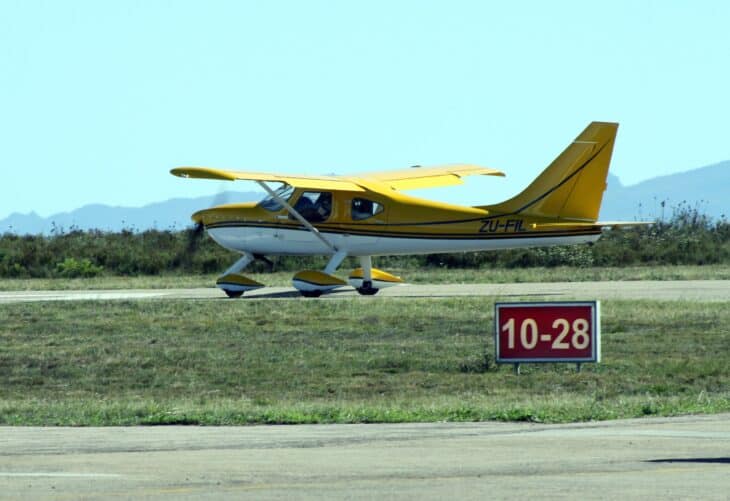
Glasair Aviation is based in Arlington, Washington, and sells its designs as homebuilt aircraft kits. The line includes the Glasair I, II and III, the GlaStar and the Sportsman 2+2, and the company has delivered more than 3,000 kits worldwide.
.jpg)
Kit aircraft like these fly under a different rulebook from factory-built planes. The FAA issues them an experimental airworthiness certificate when the builder shows that the “major portion,” more than 50 percent, of the aircraft was fabricated and assembled by an individual or group for education or recreation.
That category has drawn NTSB scrutiny before. A 2012 NTSB safety study found that experimental amateur-built aircraft made up nearly 10 percent of the US general aviation fleet but accounted for about 15 percent of all general aviation accidents, and 21 percent of the fatal ones, in 2011.
The study’s recommendations focused on initial flight testing, transition training for pilots new to a type and the sale of used homebuilts. Those are statistics about a fleet, not findings about this crash, and nothing published so far indicates how the Everett aircraft was built or who built it.
What happens next
An NTSB investigator in charge will lead the probe, with the FAA also investigating. For general aviation accidents, the NTSB says a preliminary report is typically available within two weeks.
The preliminary report summarizes the facts gathered during the on-scene phase. The full NTSB investigation of a general aviation accident often takes 12 to 24 months to complete.
Sources and references used for research and fact-checking.
- FAA, Statements on Aviation Accidents and Incidents (October 1, 2026: General Aviation / Everett, Washington)
- NTSB, Aviation Accident: information for families (investigation process)
- NTSB, The Safety of Experimental Amateur-Built Aircraft (SS-12/01)
- FAA, Airworthiness Certification for Amateur-Built Aircraft
Get the Newsletter
The latest aviation news and stories sent to your inbox.
About the Author
Tim is the owner and lead editor of AeroCorner since 2019, overseeing aviation content covering aircraft, airlines, airports, and the broader aviation industry. Through years of researching, writing, editing, and publishing aviation-focused content, he has developed extensive practical knowledge of commercial aviation and air travel. Based in Asia and a frequent traveler himself, Tim also brings firsthand passenger experience to AeroCorner’s coverage. Outside of publishing, he has also explored aviation firsthand through hands-on flight training in New Zealand.