

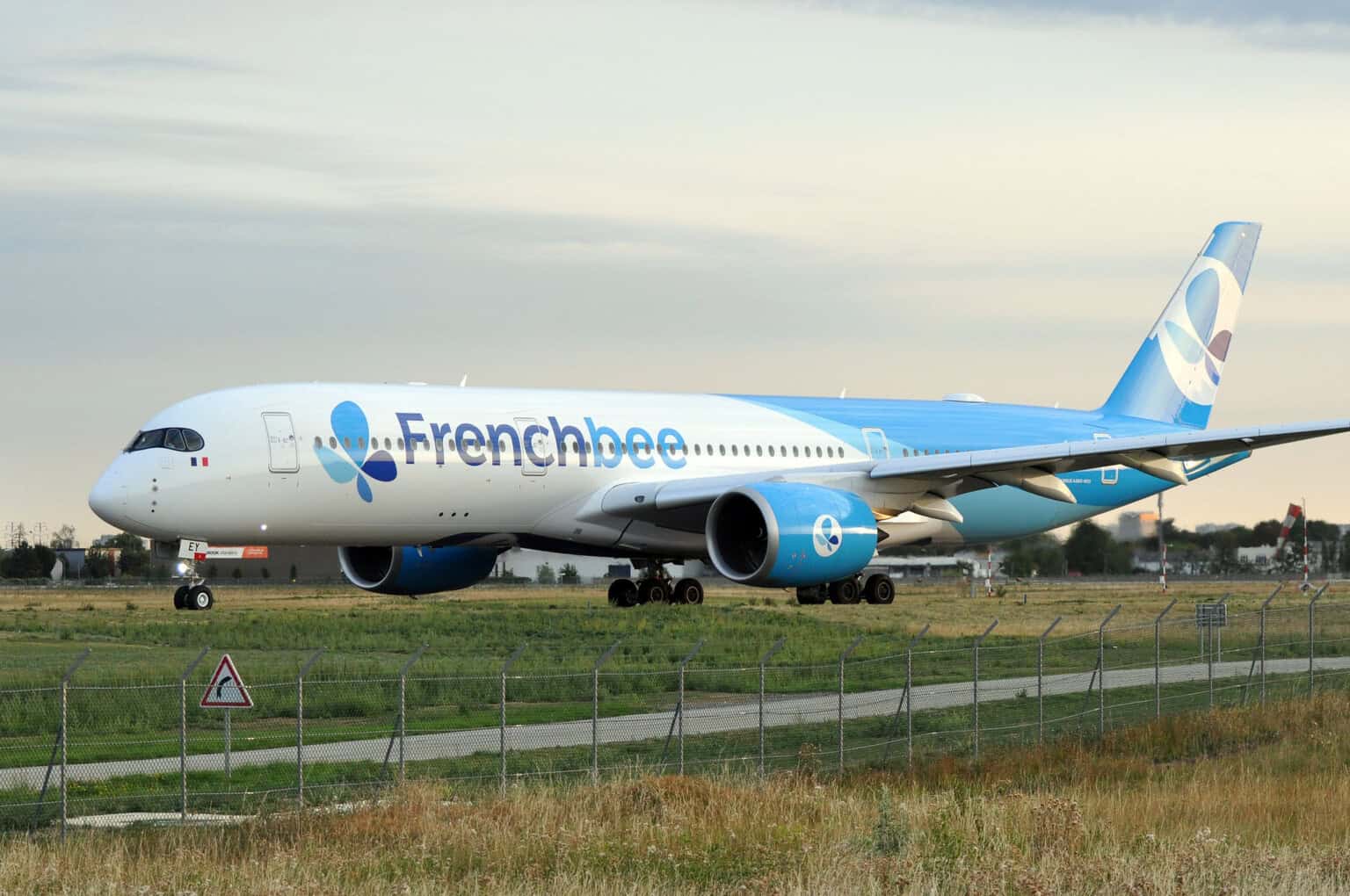
A ground crew member died after being struck by a Frenchbee Airbus A350 as it backed away from its gate at Montreal-Trudeau International Airport on August 24, 2026. The worker, later identified as 39-year-old Oscar Robayo, was an employee of ground-handling contractor Samsic.
What happened
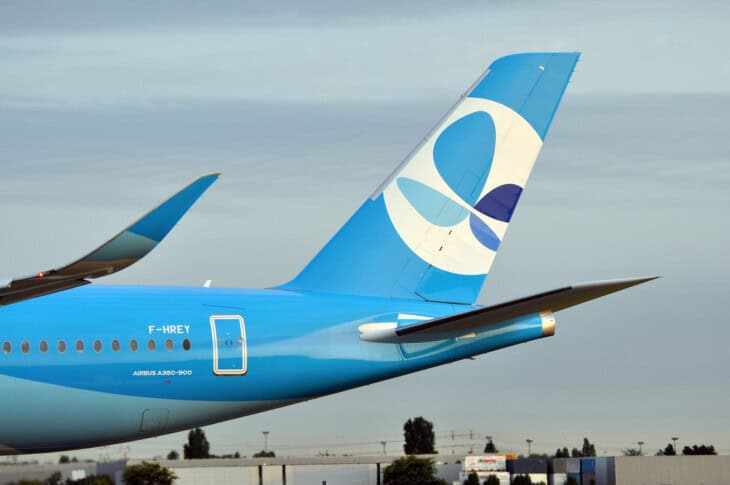
The A350-900, registered F-HREY, was pushing back from its stand at Montreal-Trudeau around 7:30 p.m. local time ahead of flight BF5761 to Paris Orly, according to AeroTime. Robayo was working as a signaller, the ground crew role that guides an aircraft on and off its stand.
Samsic is a French ground-handling contractor that works airports across Europe and North America, hiring out ramp agents, baggage handlers, and signallers to airlines that do not run their own ground operations. Frenchbee, the leisure carrier operating the flight, is one of several airlines at Montreal-Trudeau that lean on contracted ground crews rather than employing their own apron staff, a common arrangement that puts the safety record of the handling company as much in focus as the airline’s.
Airport operator Aéroports de Montréal confirmed emergency crews responded within minutes, telling Aviation A2Z that “emergency measures were deployed at approximately 7:30 p.m.” Robayo was taken to hospital and later died of his injuries. The flight to Paris did not operate.
What a signaller does
A signaller, or marshaller, stands ahead of an aircraft and uses hand signals or illuminated wands to guide the crew through pushback, since the pilots cannot see the nose or the area immediately in front of it from the flight deck.
Why ramp operations carry this risk
Pushback is one of the few moments a large jet moves without its own engines steering it, under tow or reverse power, in a tight space shared with ground vehicles and crew. Air traffic control has no role in it: once an aircraft leaves the gate, it is the ramp team’s hand signals, headsets, and marked safety zones that keep everyone clear.
That is also why airlines choreograph the next steps of a turnaround so tightly, from towbar disconnect to marshaller clearance, a process AeroCorner has covered in detail for how airlines get a jet ready to fly again. A fatality during pushback is rare, but it is not unprecedented: the Charleston ground collision earlier this year involved a similar breakdown in ramp coordination, though without injury.
What's still unconfirmed
Investigators have not released an official account of how contact occurred, and some outlets report Robayo tripped in front of the aircraft rather than being caught while stationary. Canada’s Transportation Safety Board says it is aware of the accident but had not issued a deployment notice as of August 25. Reporting also differs on which regulator has taken the workplace-safety lead, so treat the jurisdictional details as unsettled until an agency confirms them directly.
The Montreal police service is treating the death as a workplace accident rather than a criminal matter. Samsic has not issued a public statement on the incident.
A workplace-safety investigation of this kind typically examines whether the ramp’s marked safety zones were respected, whether the marshaller and flight crew had confirmed clearance signals before the aircraft moved, and whether lighting or sightlines around the stand played a role. None of that has been established publicly yet, and any findings are likely months away.
Get the Newsletter
The latest aviation news and stories sent to your inbox.
About the Author

Tim is the owner and lead editor of AeroCorner since 2019, overseeing aviation content covering aircraft, airlines, airports, and the broader aviation industry. Through years of researching, writing, editing, and publishing aviation-focused content, he has developed extensive practical knowledge of commercial aviation and air travel. Based in Asia and a frequent traveler himself, Tim also brings firsthand passenger experience to AeroCorner’s coverage. Outside of publishing, he has also explored aviation firsthand through hands-on flight training in New Zealand.