

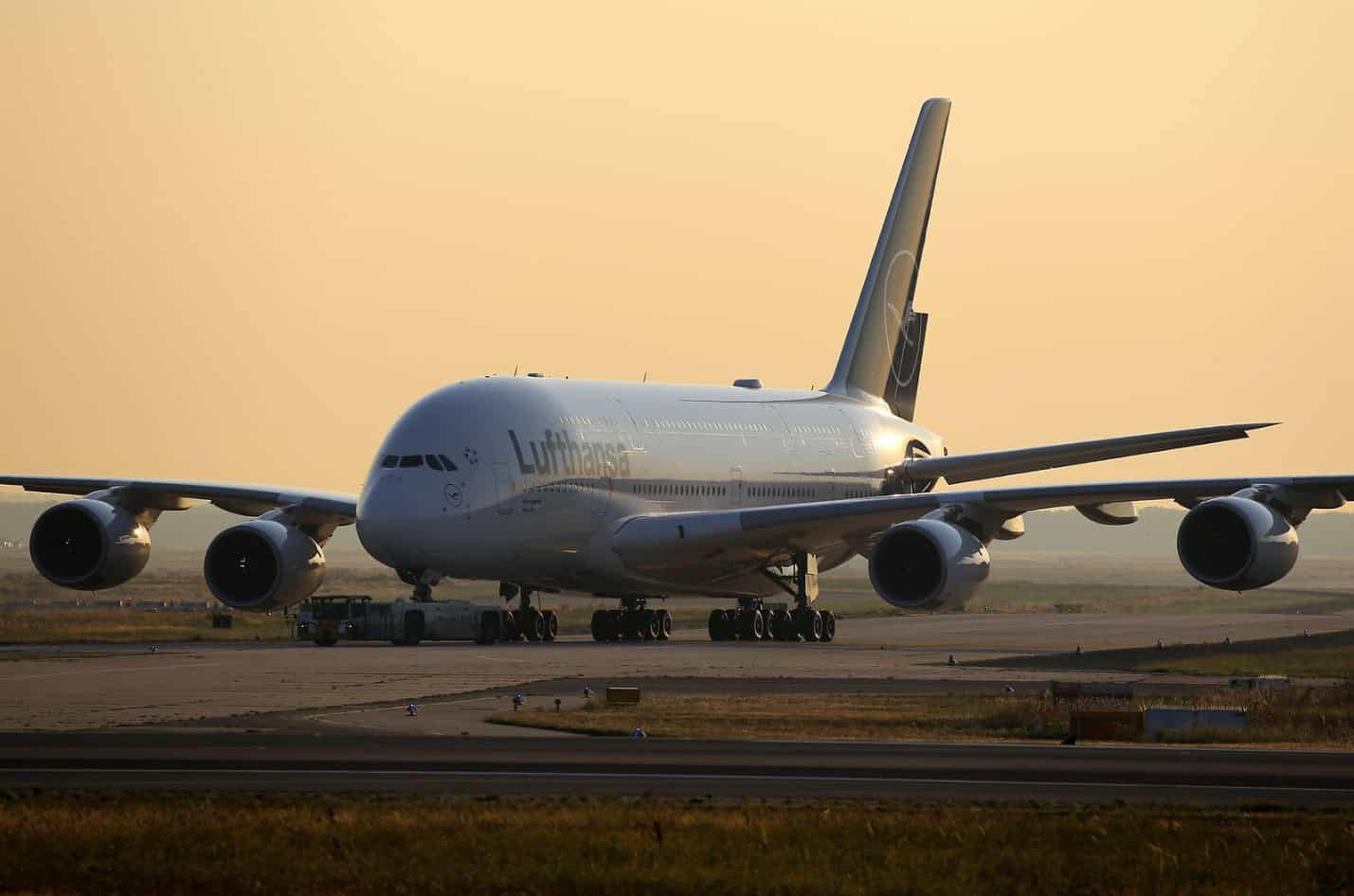
Lufthansa flight LH415, an Airbus A380-841 registered D-AIMC, left Washington Dulles on the evening of Saturday, September 19, 2026 for Munich and did not get there. About two and a half hours out, established at cruise between 37,000 and 38,000 feet and heading into open ocean, the crew turned the aircraft around.
It landed on runway 33L at Boston Logan at 07:57 UTC on September 20. Lufthansa confirmed the diversion and set a replacement departure from Boston’s Terminal E for 04:30 local time.
What the airline has not done is say why. The flight-tracking record was published by AIRLIVE, which noted that no operational or technical cause had been detailed by the airline. No emergency squawk has been reported.
What is confirmed and what is not
Confirmed: the flight, the aircraft, the turnback, the Boston landing and the rebooked departure. Not confirmed: the reason. Treat any specific cause circulating online as speculation until Lufthansa or an investigator says otherwise.
Why a crew turns back instead of pressing on
A transatlantic crossing is not a single decision. It is a series of them, made against points computed before departure and updated in flight, and the most important is the one that answers a simple question: from here, is it quicker to go back or to keep going?
That point moves with the wind. Eastbound flights ride the jet stream, so the return leg into a headwind is slower than the outbound was, which pushes the crossover point further east than the halfway mark on a map. Two and a half hours into a Dulles to Munich sector, with the coast still close behind, turning around is usually the fast answer.
That is also why a turnback is not by itself evidence of an emergency. A crew facing a problem that is manageable but not fixable in flight, from a technical fault to a passenger who needs a hospital, will often decide early rather than commit to five more hours over water.
The A380 problem: where do you actually put it
For most airliners, the North Atlantic is generously supplied with alternates. For an Airbus A380 it is not. The type needs runway width and strength, taxiway clearances, a rescue and firefighting category few fields carry, and, if the passengers are to get off through a jet bridge rather than down stairs, a gate built for a double-decker.
Only a small number of US airports are equipped for the type, a fraction of the field list a 787 or an A350 could use. That constraint is why an A380 in trouble goes to a major hub rather than the nearest long runway.
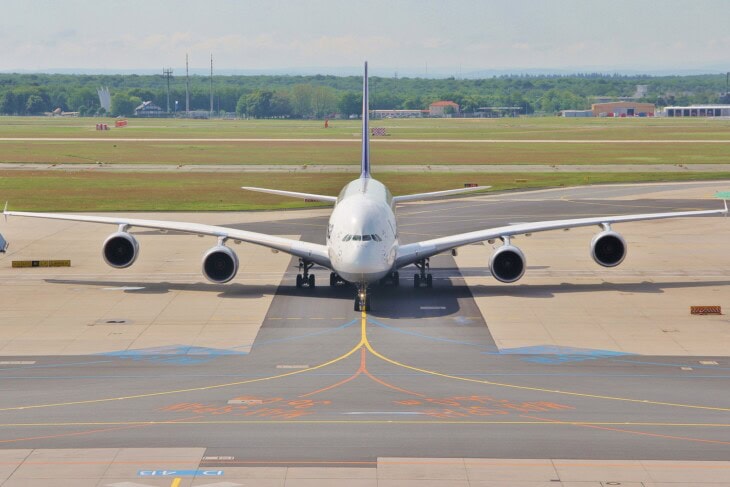
Boston Logan can take one because Massport decided a decade ago that it would have to. As part of a $160 million Terminal E program, the authority spent about $19 million fitting three gates, E10, E11 and E12, with two jet bridges each so a full-length A380 could be boarded from both decks.
British Airways began flying the type into Logan in 2017 and Emirates followed in 2019. Lufthansa was not one of the A380 operators that ever scheduled the aircraft there, which makes Saturday night quietly ironic: the gates Boston built for superjumbos that mostly stopped coming are what let it absorb one at short notice.
Why Boston gets New York's diversions too
Logan sits close to the North Atlantic tracks, has long runways and full customs and immigration facilities, and is the usual first alternate for transatlantic flights that cannot make New York. Being one of the few East Coast fields that is also A380 rated makes it the default for the biggest aircraft crossing, not just a convenient one.
What a diversion this size costs
Lufthansa’s A380s seat around 500 passengers across four cabins, so an unplanned night in Boston means roughly that many people to rebook, feed and in many cases put in hotels, plus a crew that will run out of legal duty hours.
Under EU passenger rights rules, a Munich-bound flight operated by an EU carrier owes that duty of care regardless of what caused the diversion, and owes compensation on top unless the cause qualifies as an extraordinary circumstance. A technical fault normally does not qualify.
Setting the replacement departure for 04:30 the same morning is the cheapest available outcome, because it keeps the aircraft and most of the crew moving and limits the hotel bill. It also tells you something: whatever the aircraft needed, it was fixed, inspected or signed off in a matter of hours.
Ten airlines still operate the A380, and Emirates owns more than half of the flying fleet. The smaller that fleet gets, the more each of these diversions depends on infrastructure built for a boom that never fully arrived.
Get the Newsletter
The latest aviation news and stories sent to your inbox.
About the Author

Tim is the owner and lead editor of AeroCorner since 2019, overseeing aviation content covering aircraft, airlines, airports, and the broader aviation industry. Through years of researching, writing, editing, and publishing aviation-focused content, he has developed extensive practical knowledge of commercial aviation and air travel. Based in Asia and a frequent traveler himself, Tim also brings firsthand passenger experience to AeroCorner’s coverage. Outside of publishing, he has also explored aviation firsthand through hands-on flight training in New Zealand.