

Table of Contents
The biggest passenger aircraft ever built now belongs almost entirely to one airline, and that airline is adding more of them back into service this year.
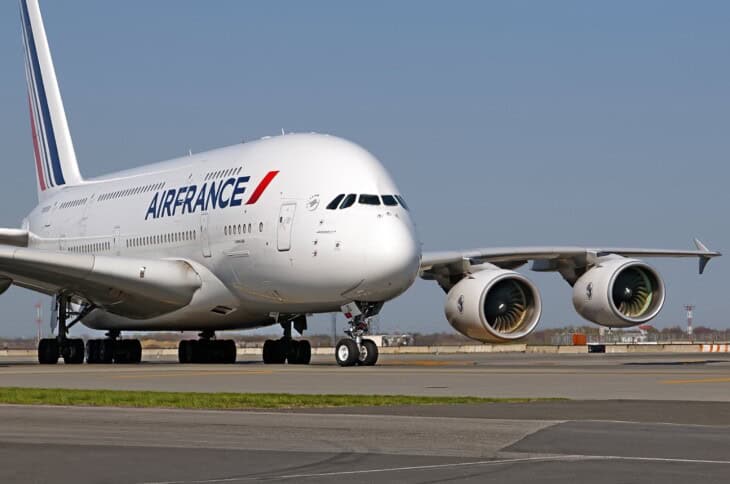
Airbus delivered 251 A380s between 2007 and 2021, to 14 airline customers. As of mid-2026, 10 of those airlines still fly the type in scheduled service. Four walked away: Air France in 2020, Thai Airways in 2020, China Southern in 2022 and Malaysia Airlines in 2022.
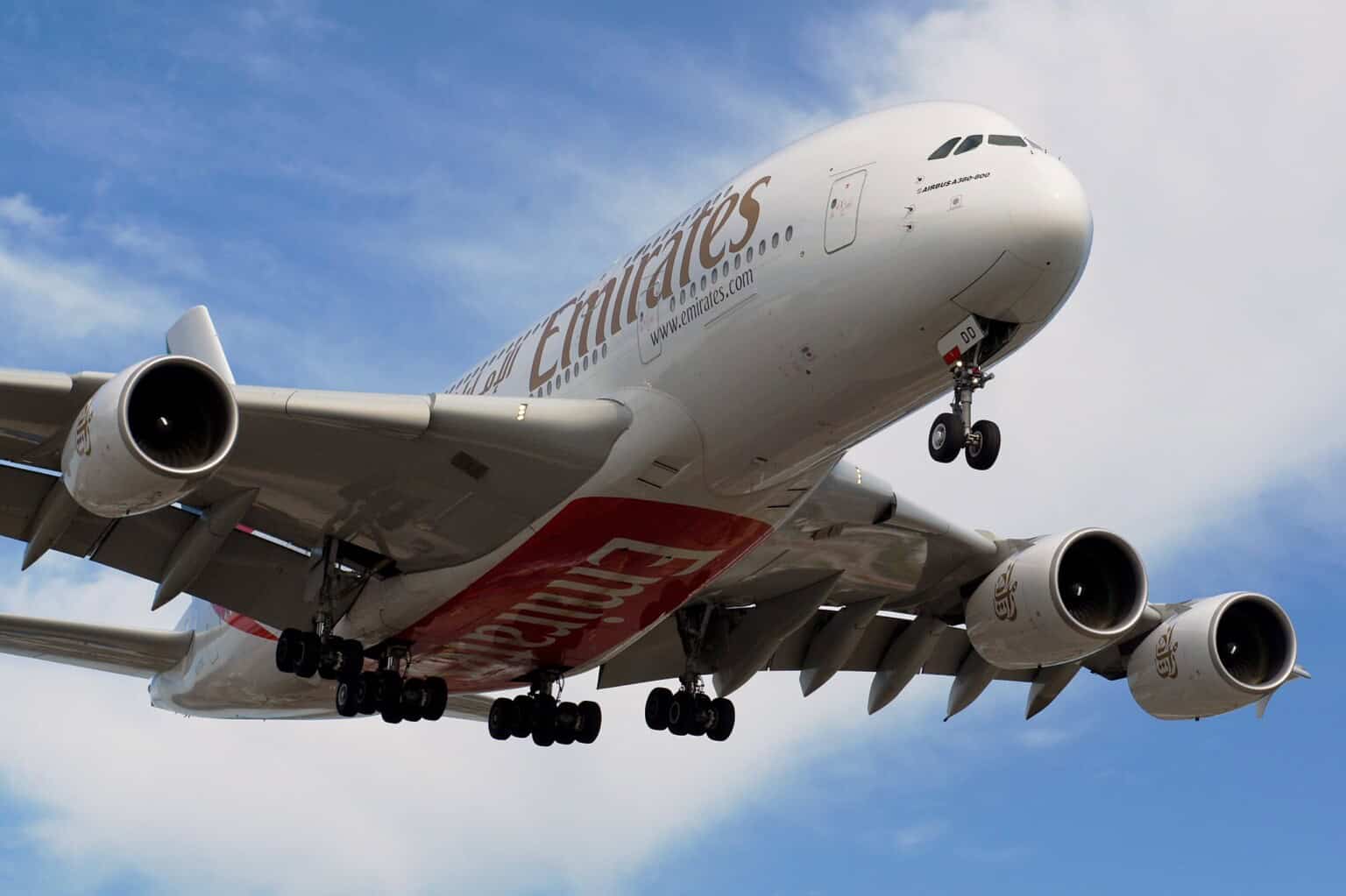
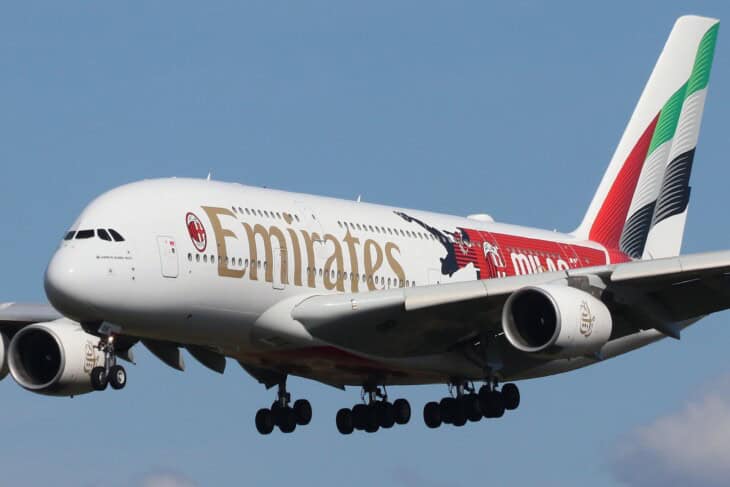
Emirates holds 116 of the roughly 190 airframes still sitting on operator books, which is more than the other nine airlines combined. The remaining fleet is not evenly shared out. It is one enormous fleet in Dubai and nine small ones everywhere else.
Four engines, 500 seats, and only a handful of routes that could fill them
The Airbus A380-800 first flew on April 27, 2005, and entered service with Singapore Airlines on October 25, 2007. It carries about 525 passengers in a typical three-class layout and is certified for up to 853, on four engines and two full-length decks.
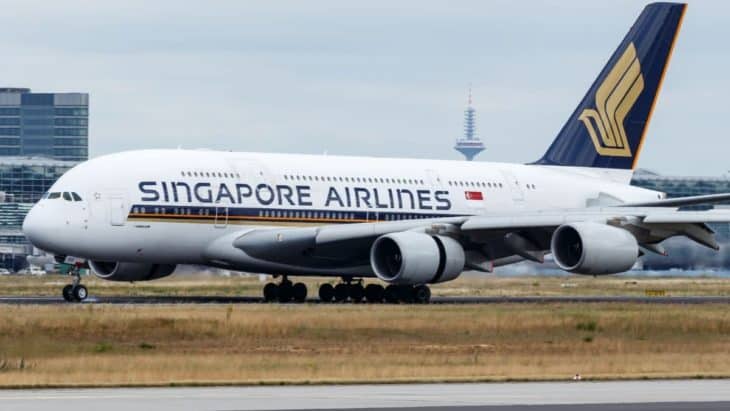
That is the whole problem in one sentence. An A380 only makes money on a route where an airline can reliably sell 500 seats a day, out of a hub big enough to feed it, at fares high enough to cover four engines instead of two.
Very few airlines have that. Emirates does, because its entire business model is funneling connecting traffic through one airport. Most carriers found that a Boeing 777-300ER or an Airbus A350-1000 flying the same route twice a day made more money than one superjumbo flying it once.
Airbus spent an estimated $25 billion developing the aircraft and never came close to recovering it. In February 2019 the company announced production would end, after Emirates cut 39 aircraft from its order book and left the line with nothing to build.
The last A380 ever built, MSN 272, was handed to Emirates on December 16, 2021. It was that airline’s 123rd.
Who still has one, and how many
Fleet counts for this aircraft need a stated measure, because published figures for the A380 range from about 160 to 190 depending on what is being counted. The table below counts airframes on an operator’s books, which includes aircraft parked for heavy maintenance.
| Airline | A380s | Stated plan |
|---|---|---|
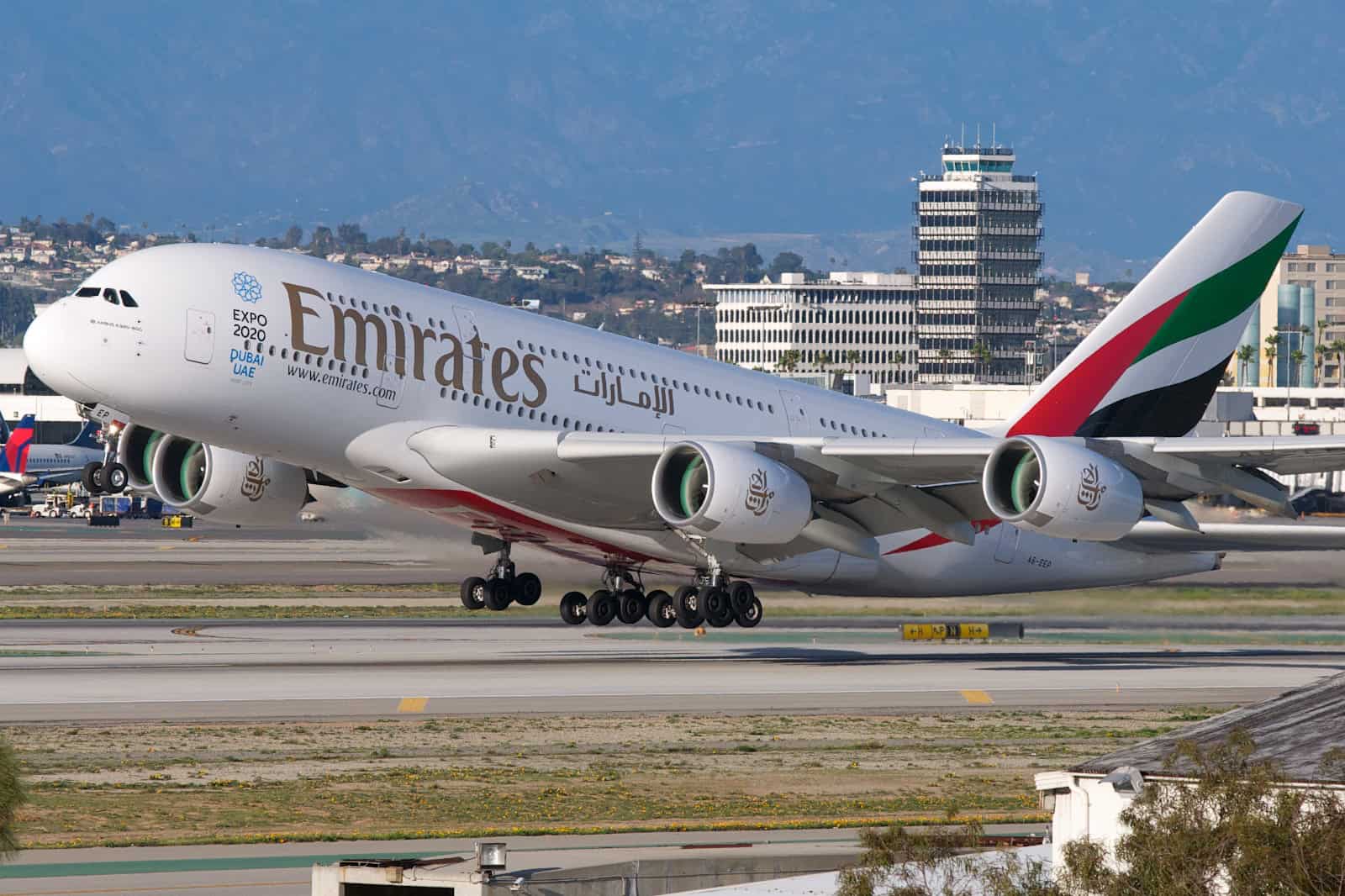
| Emirates | 116 | Flying into the 2040s |
| British Airways | 12 | No retirement date announced |
| Singapore Airlines | 12 | Reductions expected after 2027 |
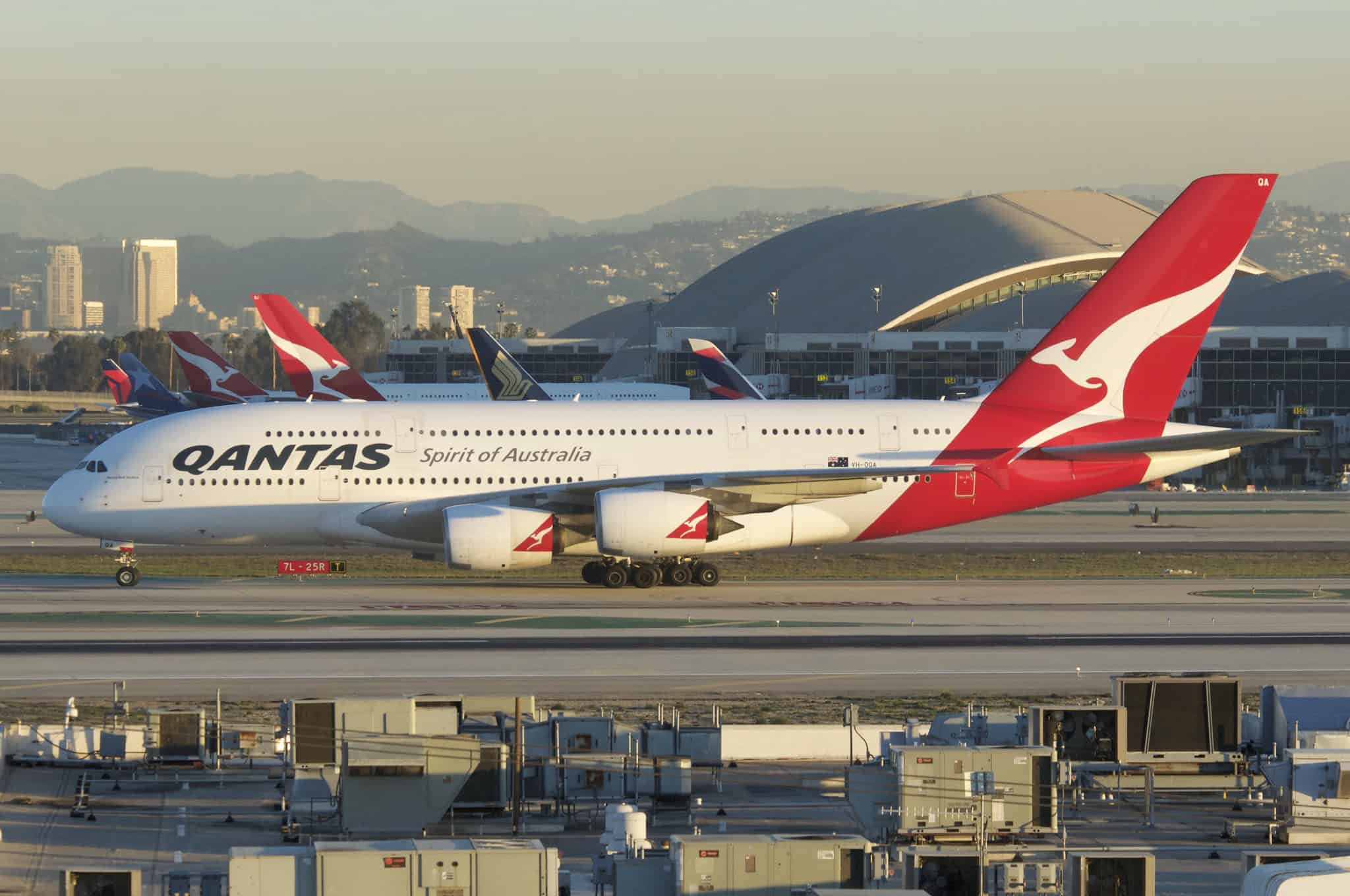
| Qantas | 10 | Phasing out from 2028 |
| Etihad Airways | 9 | No retirement date announced |
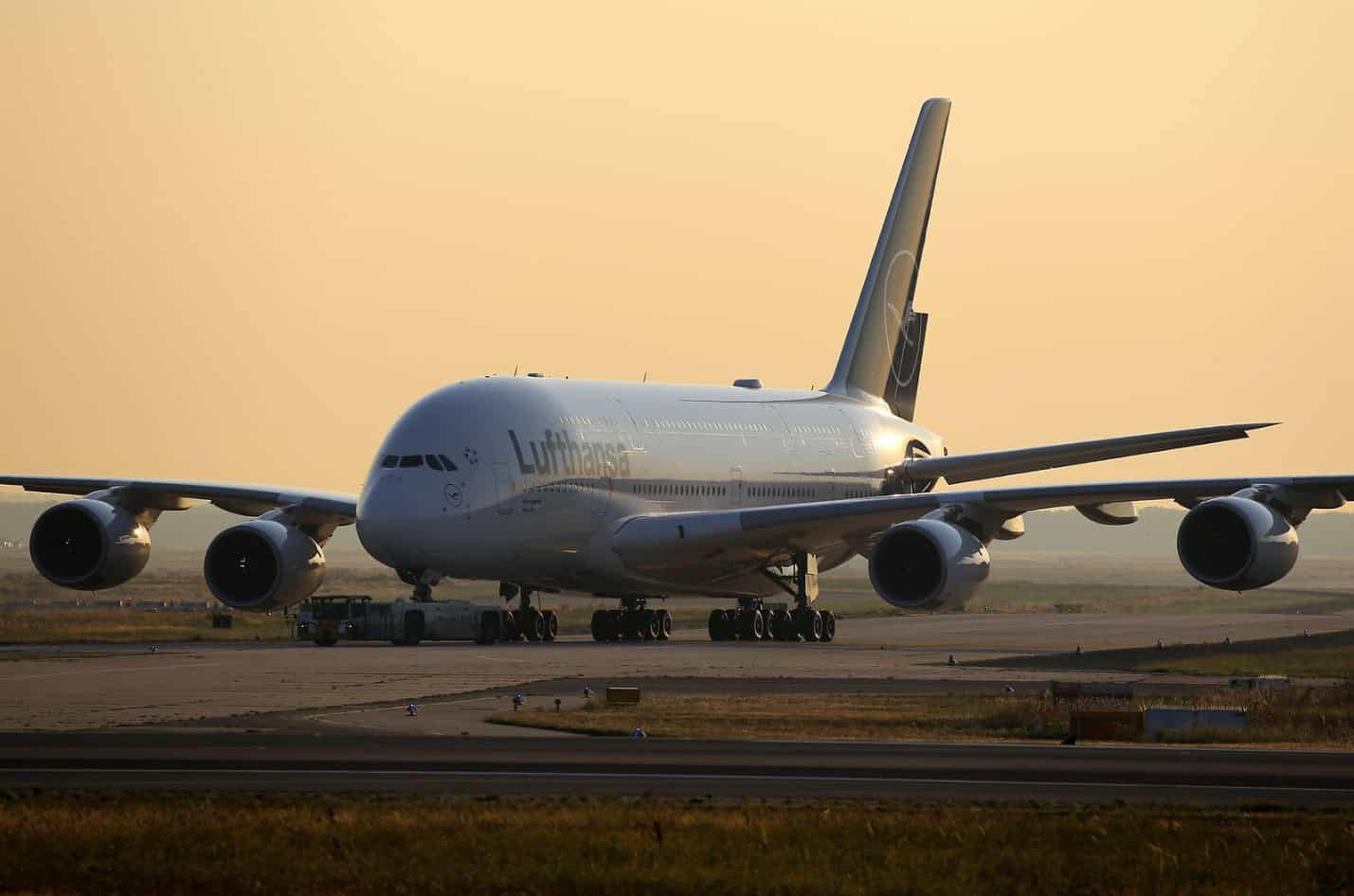
| Lufthansa | 8 | Phasing out around 2030 |
| Qatar Airways | 8 | Replacement planned around 2035 |
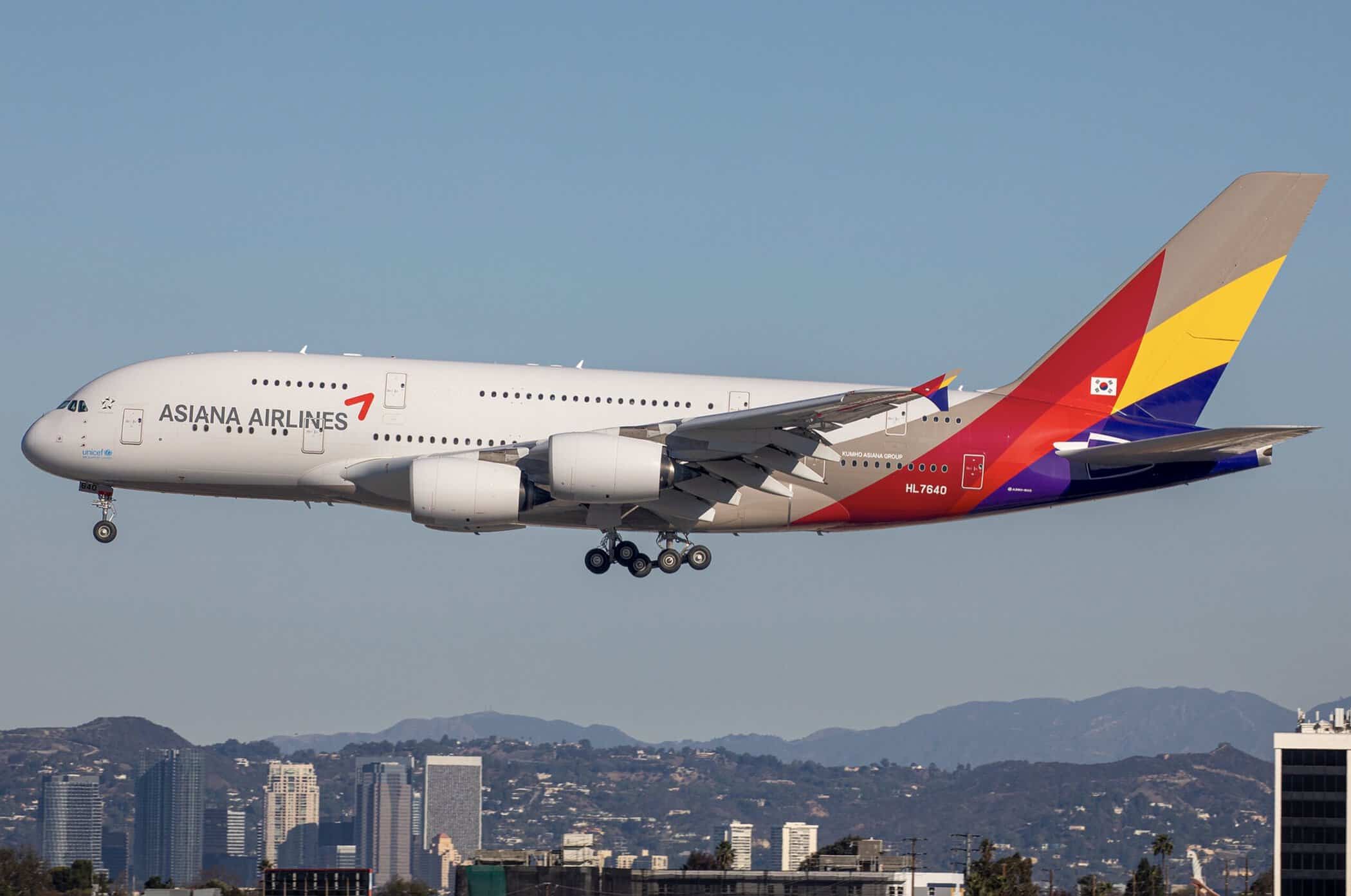
| Asiana Airlines | 6 | Retirement postponed |
| Korean Air | 5 | Retiring before 2031 |
| All Nippon Airways | 3 | No retirement date announced |
That is 189 airframes across 10 airlines. Emirates alone accounts for 61 percent of them, and no other operator has reached 13.
Two different numbers, both correct
About 190 A380s sit on airline books, but only around 159 were actually flying in February 2026. The gap is aircraft in heavy maintenance: an A380 D-check can take an airframe out of service for weeks, so the fleet on paper is always larger than the fleet in the air.
Roughly 29 A380s had been dismantled for parts by May 2025, most of them at Tarmac Aerosave’s facility in Tarbes, France. Ex-Lufthansa and ex-Malaysia Airlines frames are among those broken up.
Those teardowns matter more than they sound. A retired superjumbo yields millions of dollars of certified components, and every one that is scrapped makes it cheaper for the surviving fleet to keep flying.
The type was written off in 2020 and came back anyway
In 2020 the A380 looked finished. Air France retired its 10 aircraft outright, Lufthansa said its fleet would not return, and airlines across the world parked the type in the desert with no plan to bring it back.
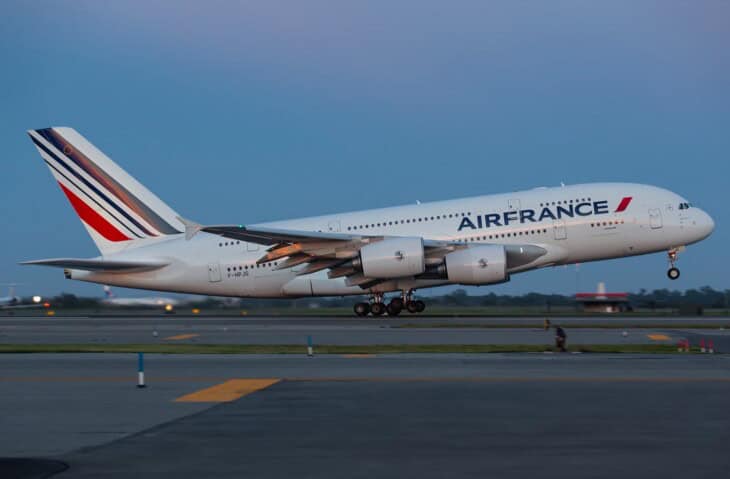
Then long-haul demand recovered faster than widebody supply. Airlines that had shed capacity found they could sell every premium seat they could put in the air, and the aircraft meant to replace the superjumbo had not arrived.
Lufthansa reversed itself and flew the A380 again from 2023. British Airways, Qantas, Singapore Airlines, Etihad and Qatar Airways all brought parked aircraft back. Only the four that formally exited stayed out.
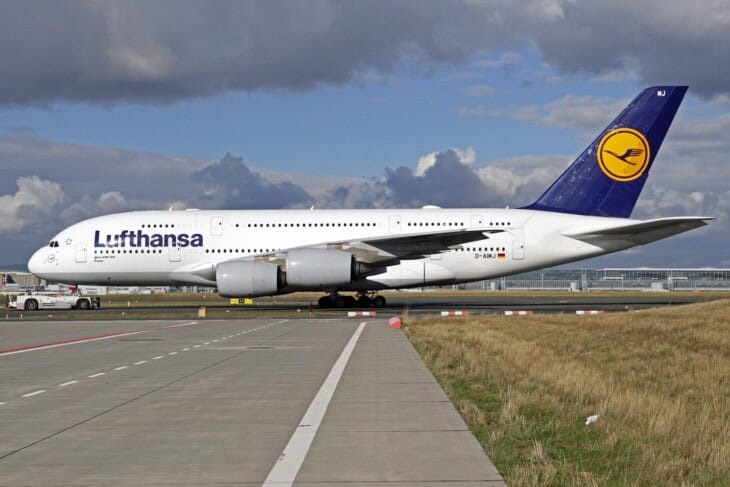
The Boeing 777X is the other half of the explanation. Boeing pushed first delivery of the 777-9 to 2027 in October 2025, roughly seven years late, and took a $4.9 billion pre-tax charge on the program.
Emirates has 170 777-9s and 35 777-8s on order. Until those aircraft arrive, the only way it can put that many seats into London, Paris or Sydney is the one it already owns, which is why the largest aircraft in commercial service is also still among the biggest aircraft in the world actually flying paying passengers.
Emirates is putting A380s back into service in 2026
In November 2025, Emirates president Sir Tim Clark said the airline had 95 to 96 A380s active and intended to reach about 110 by the end of 2026. That is a fleet growing, not shrinking, five years after the last one was built.
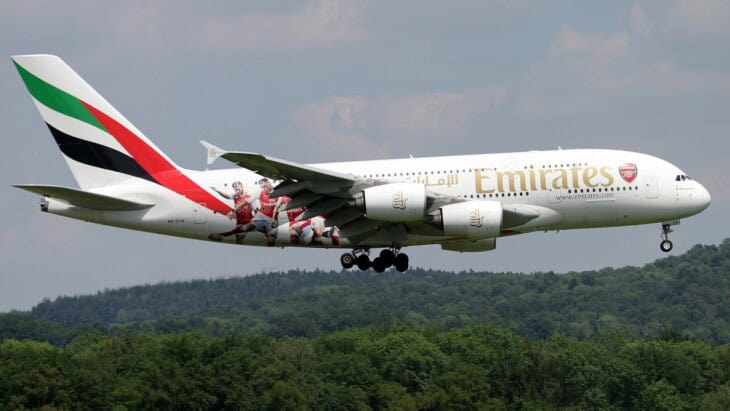
Clark put the final retirement at 2041, which would give the youngest airframes 20 years of service. Emirates is spending billions retrofitting more than 100 A380s and 777s with new cabins to get there, and signed a Rolls-Royce engine services agreement in 2025 running from 2027 onward.
The other nine operators are on the opposite track. Qantas starts phasing out from 2028, Lufthansa around 2030, Korean Air before 2031, and Qatar Airways is planning a replacement around 2035.
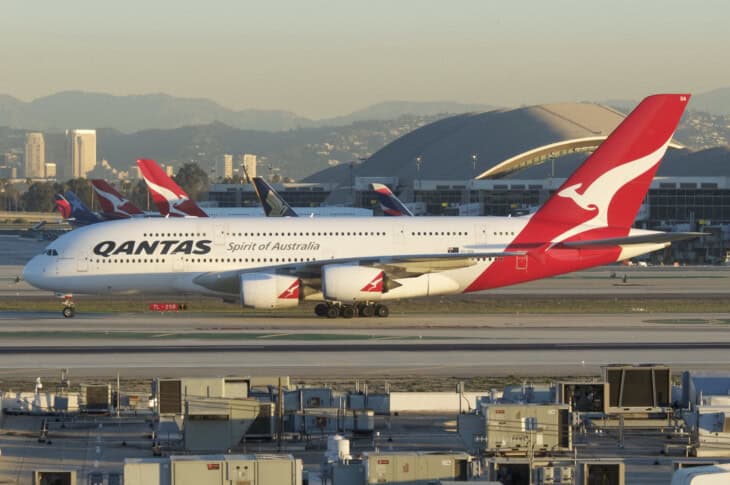

Which means the A380’s last decade will look like its middle one, only more so. The aircraft that was built to be the future of every major airline’s long-haul fleet will finish as one carrier’s aircraft, flying out of one airport, on the handful of routes that were ever big enough for it.
Airbus built it for a world of congested mega-hubs that never quite arrived. Emirates built that world in Dubai by itself, and it is the reason 190 of these aircraft are still among the largest commercial airplanes in service rather than in a scrapyard in the Pyrenees.
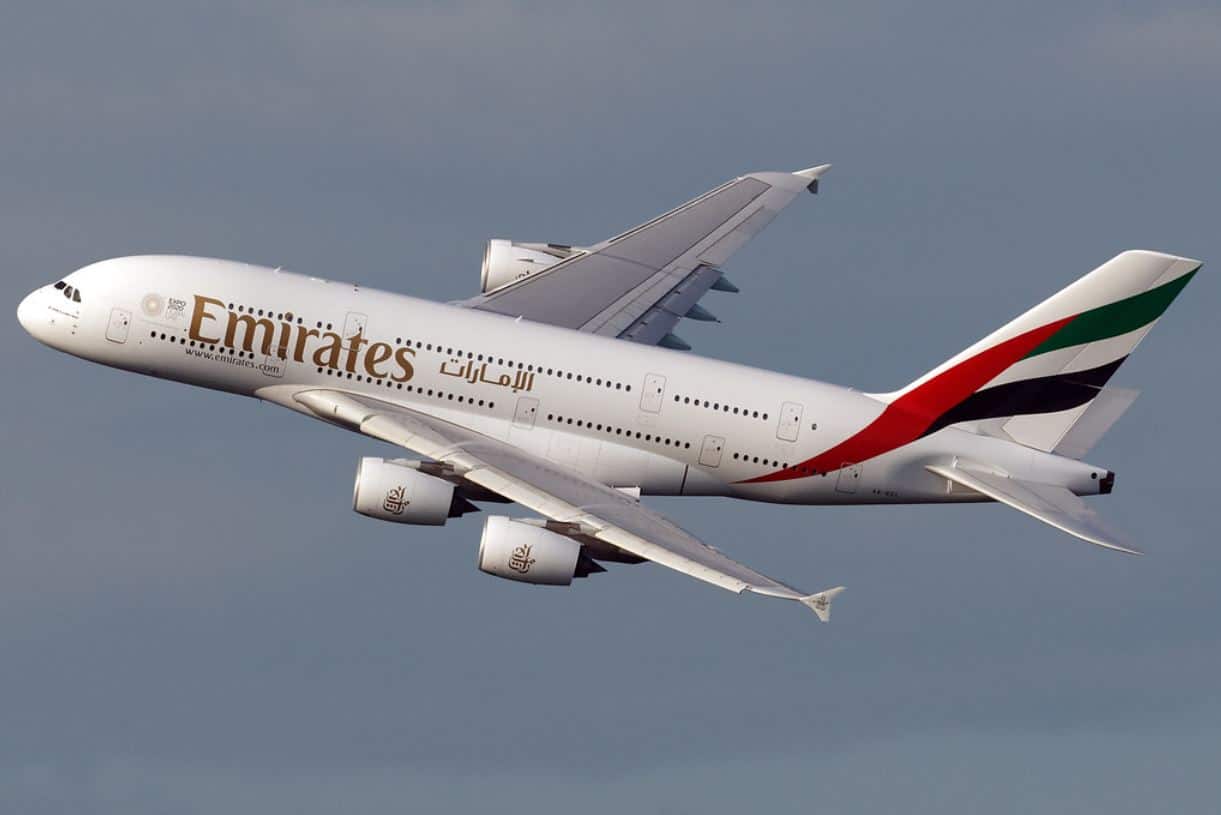
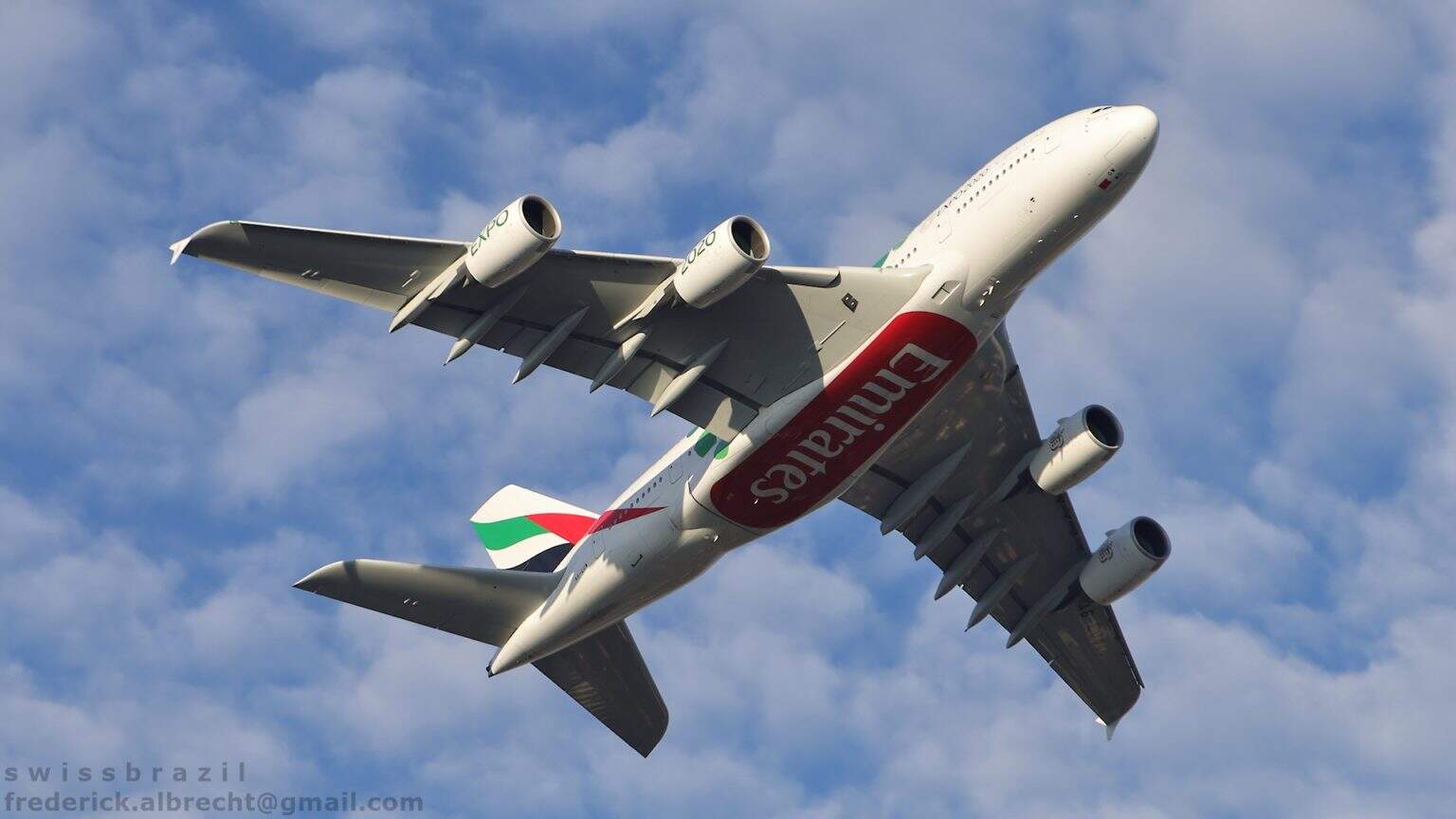
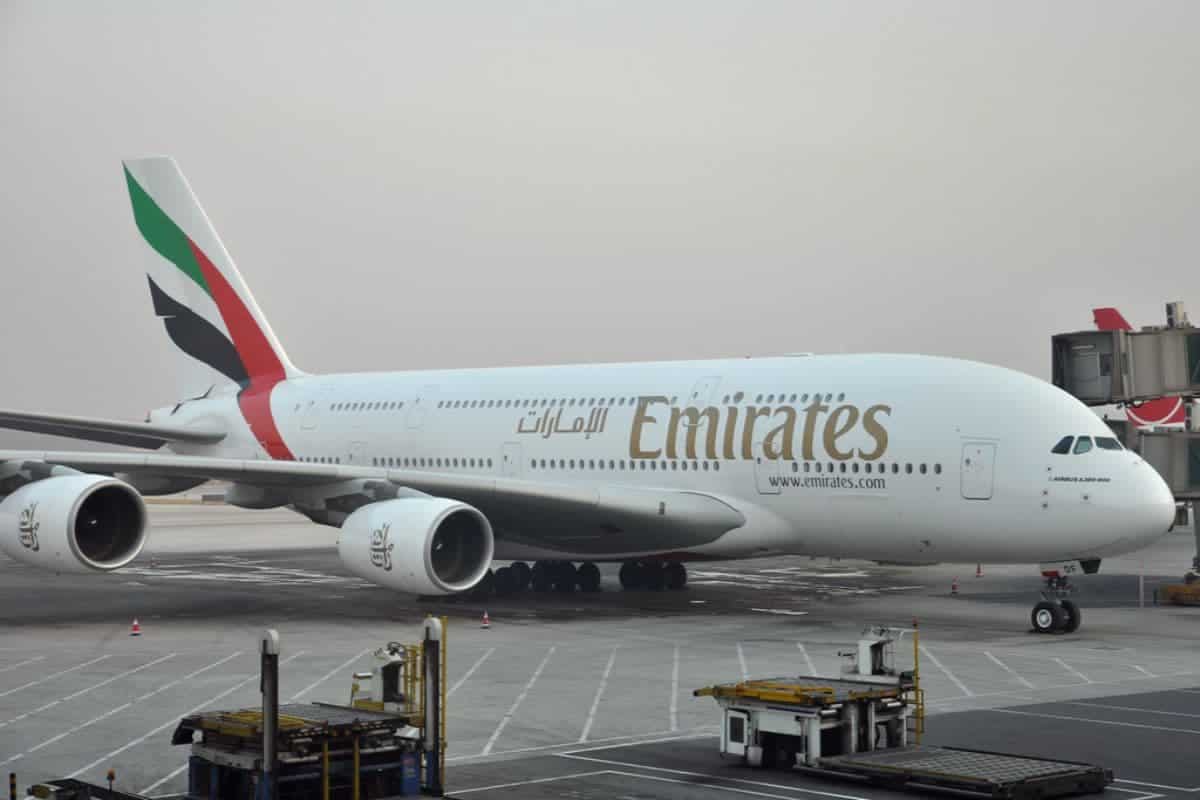
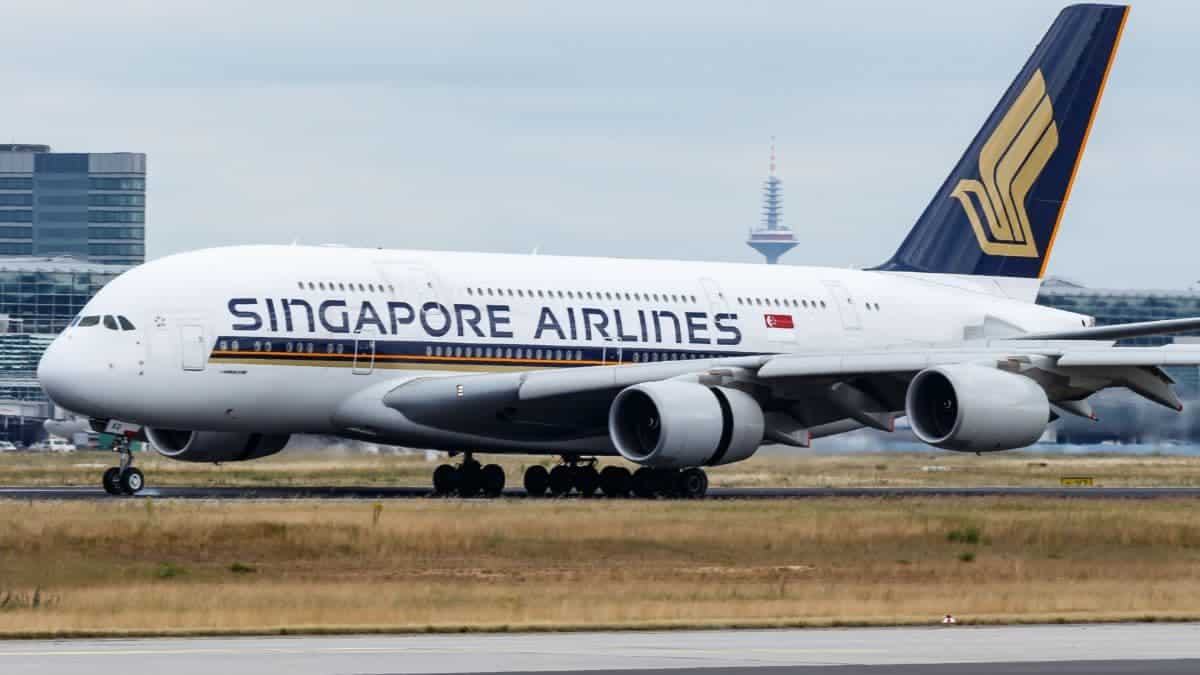
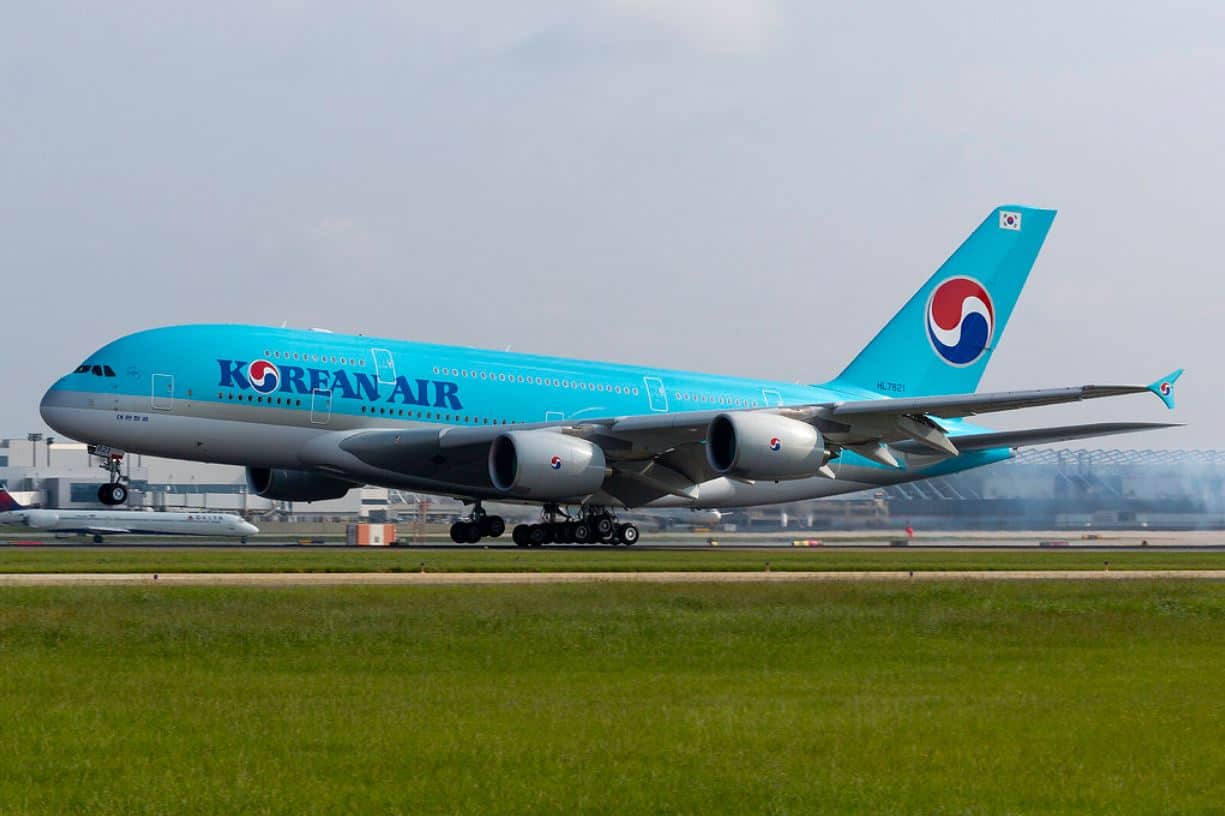
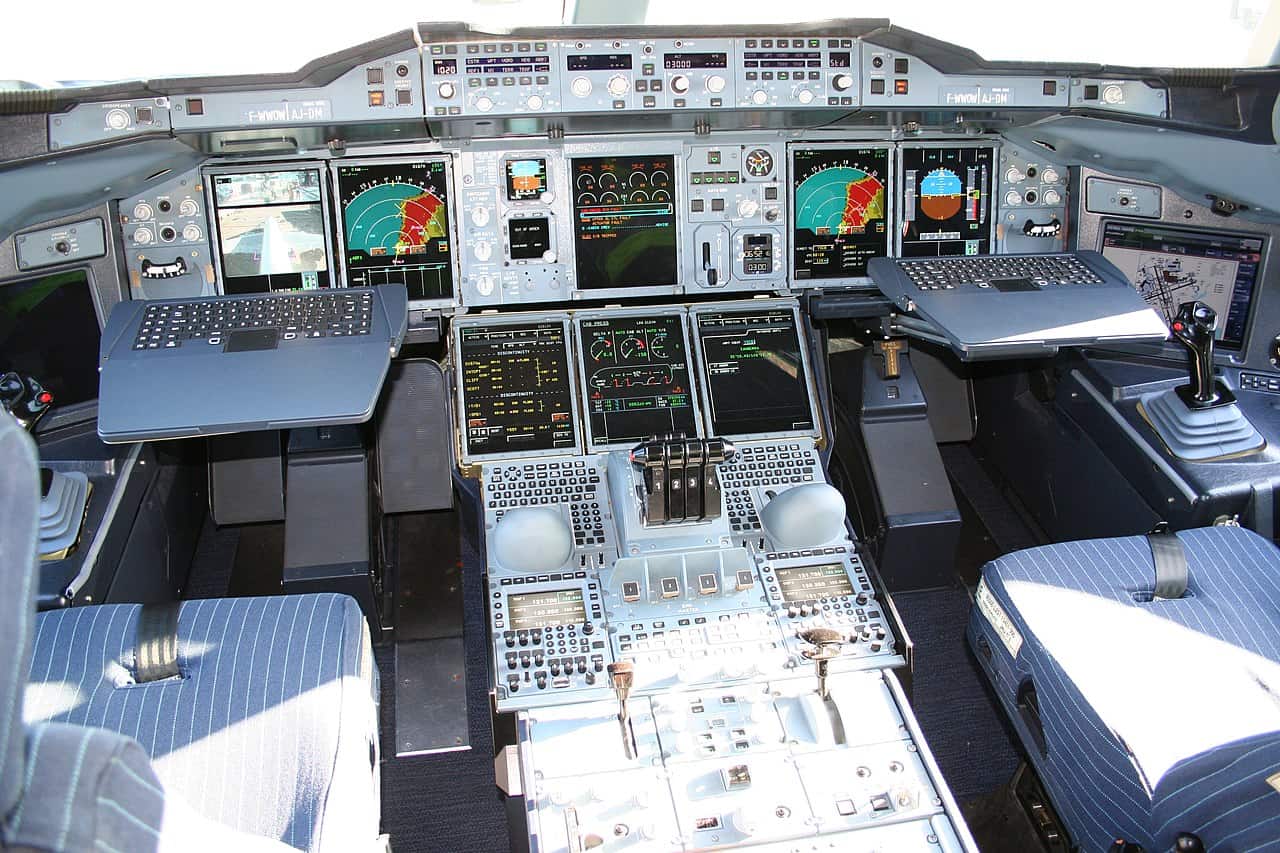
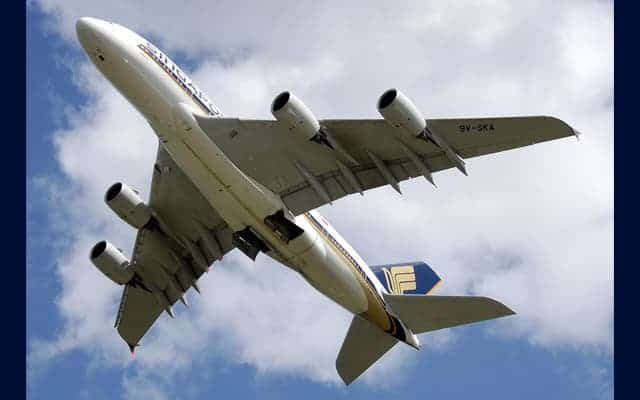
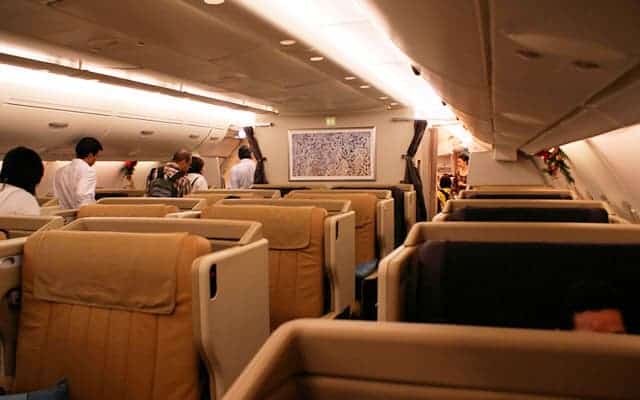
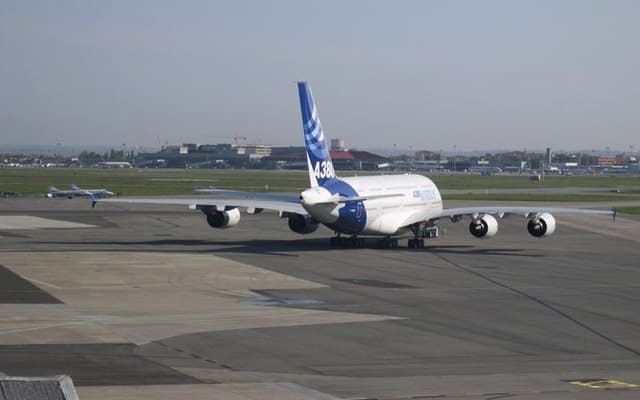
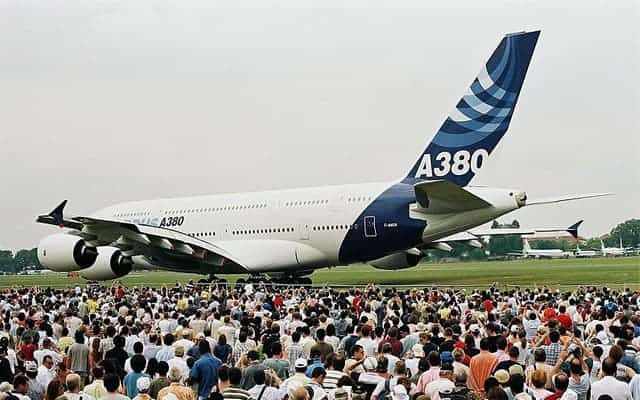
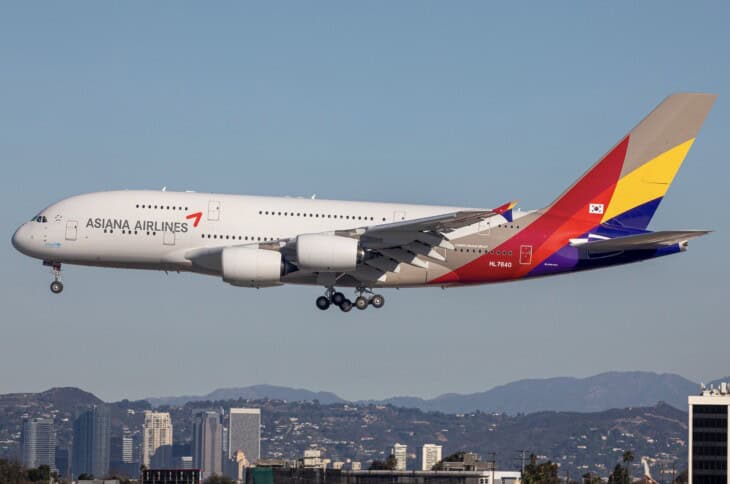
And as a tribute, enjoy some more photos of the mighty Airbus A380:











Sources and references used for research and fact-checking.
- Wikipedia, List of Airbus A380 operators
- FlightGlobal, Airbus completes A380 deliveries as last jet is handed to Emirates
- Simple Flying, How Many Airbus A380s Are Still Flying Worldwide?
- AFM, Emirates to Grow Active A380 Fleet to 110 in 2026
- The National, Boeing extends delay on deliveries of first 777X aircraft to 2027
- Wikipedia, Airbus A380
Get the Newsletter
The latest aviation news and stories sent to your inbox.
About the Author

Tim is the owner and lead editor of AeroCorner since 2019, overseeing aviation content covering aircraft, airlines, airports, and the broader aviation industry. Through years of researching, writing, editing, and publishing aviation-focused content, he has developed extensive practical knowledge of commercial aviation and air travel. Based in Asia and a frequent traveler himself, Tim also brings firsthand passenger experience to AeroCorner’s coverage. Outside of publishing, he has also explored aviation firsthand through hands-on flight training in New Zealand.