

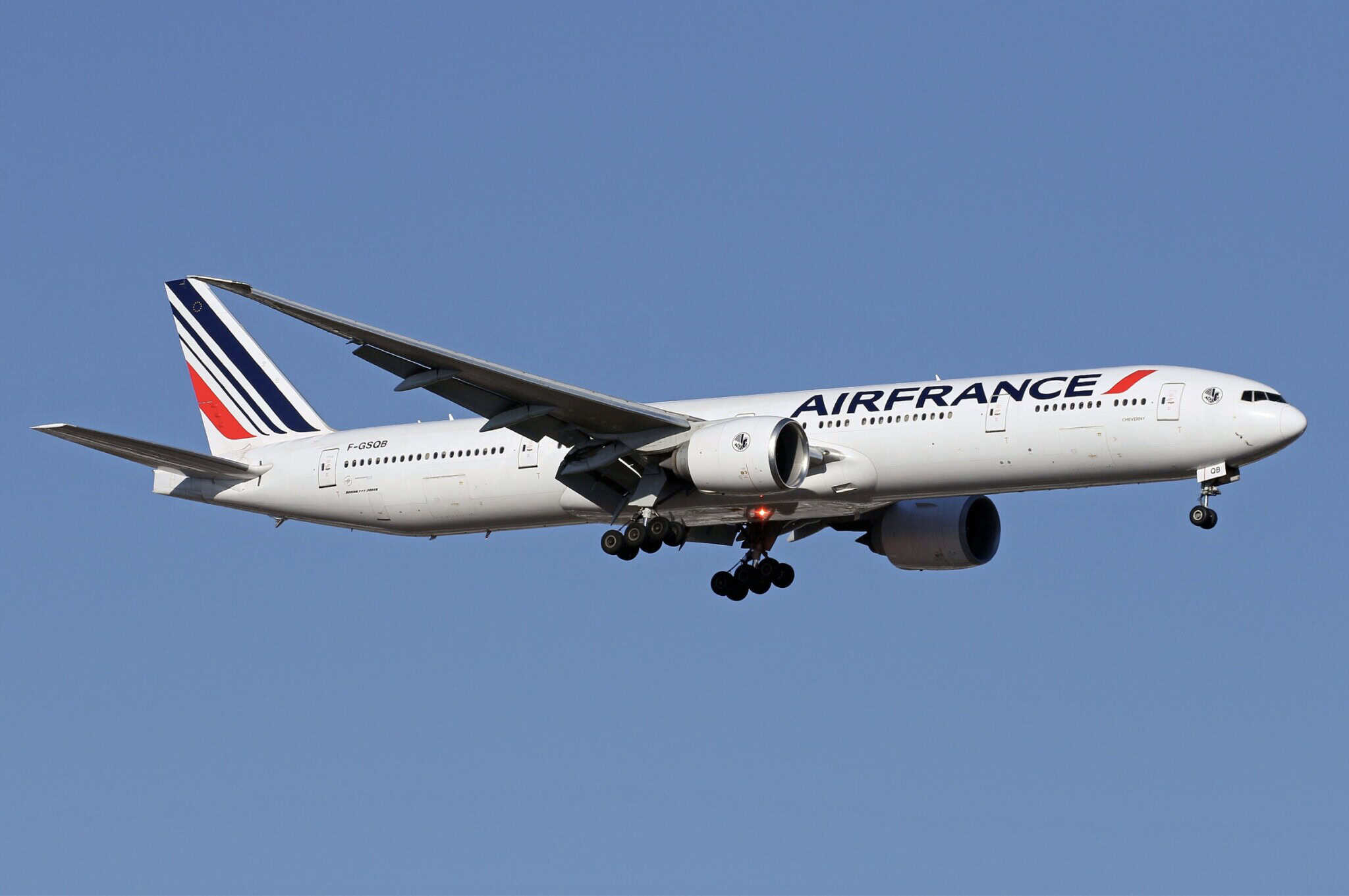
On August 19, 2026, an Air France Boeing 777-300ER bound for Washington Dulles abandoned its Atlantic crossing about two hours after departure and flew back to Paris. Flight AF50, registration F-GSQB, declared an emergency as it re-entered French airspace and landed without incident.
The jet left Paris Charles de Gaulle at around 1:45 p.m. local time. Roughly two hours later, cruising at 33,000 feet off the coast of Ireland, the crew chose to reverse course rather than continue toward the US East Coast. Air France has not detailed the technical issue that prompted the decision.
A long way back, with a much closer airport available
The aircraft landed safely back at Charles de Gaulle at about 5:40 p.m., roughly four hours after it first departed. No injuries were reported, and Air France said the flight would be rescheduled once the aircraft was inspected or swapped for another.
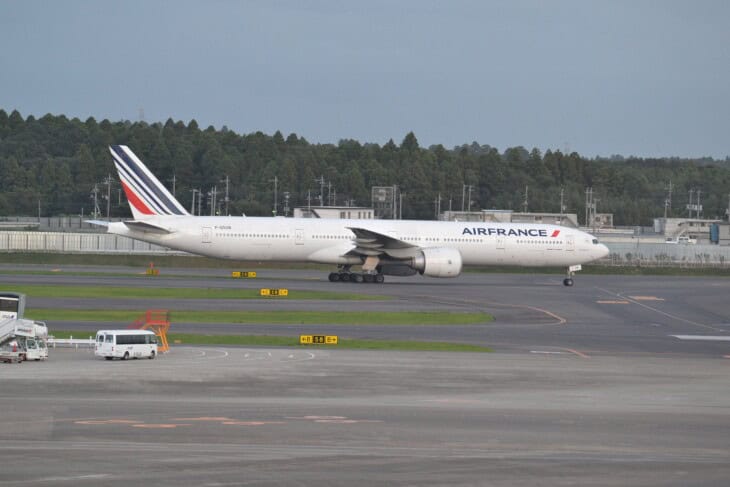
What stands out is the geography. When the crew made its decision, the jet was already close to Shannon Airport on Ireland’s west coast, a field regularly used by transatlantic flights that need to land quickly. Turning back to Paris instead meant roughly two more hours in the air than a landing in Ireland would have taken.
Regulations require crews to divert to the nearest suitable airport only when a problem is urgent enough to demand it, such as smoke, fire, or a failing engine. Diversion decisions otherwise weigh more than distance: an unfamiliar regional airport may lack the maintenance staff, spare parts, or gate capacity to handle a widebody jet and its full load of transatlantic passengers.
Twin-engine widebodies like the 777 are certified to fly long stretches far from any airport at all, a rule set built around the idea that the aircraft and its systems can handle an extended diversion if needed. That same certification gives crews room to judge a problem calmly rather than treat every fault as one demanding the closest patch of runway.
A four-hour round trip also carries a fuel cost the crew has to plan for. Long-haul jets depart with reserves built in for exactly this kind of contingency, so a decision to fly back past a closer airport still has to leave enough margin to land with required reserves intact.
Why home base can beat the nearest runway
A return to the airline’s own hub puts a problem aircraft where its own engineers, spare parts, and rebooking desks already are. For a fault that is not an immediate safety threat, that logistical advantage often outweighs the extra flying time, which is why crews sometimes bypass a closer airport.
It is a decision Air France crews have made before. In August, an Air France 777 bound for Ottawa made an almost identical turnback to Paris after a pressurization problem, again opting for the carrier’s home base over a closer airport along the route.
Still a developing story
Air France has not disclosed what triggered the decision to turn back, and no cause should be assumed until the carrier or investigators confirm one.
Get the Newsletter
The latest aviation news and stories sent to your inbox.
About the Author

Tim is the owner and lead editor of AeroCorner since 2019, overseeing aviation content covering aircraft, airlines, airports, and the broader aviation industry. Through years of researching, writing, editing, and publishing aviation-focused content, he has developed extensive practical knowledge of commercial aviation and air travel. Based in Asia and a frequent traveler himself, Tim also brings firsthand passenger experience to AeroCorner’s coverage. Outside of publishing, he has also explored aviation firsthand through hands-on flight training in New Zealand.