

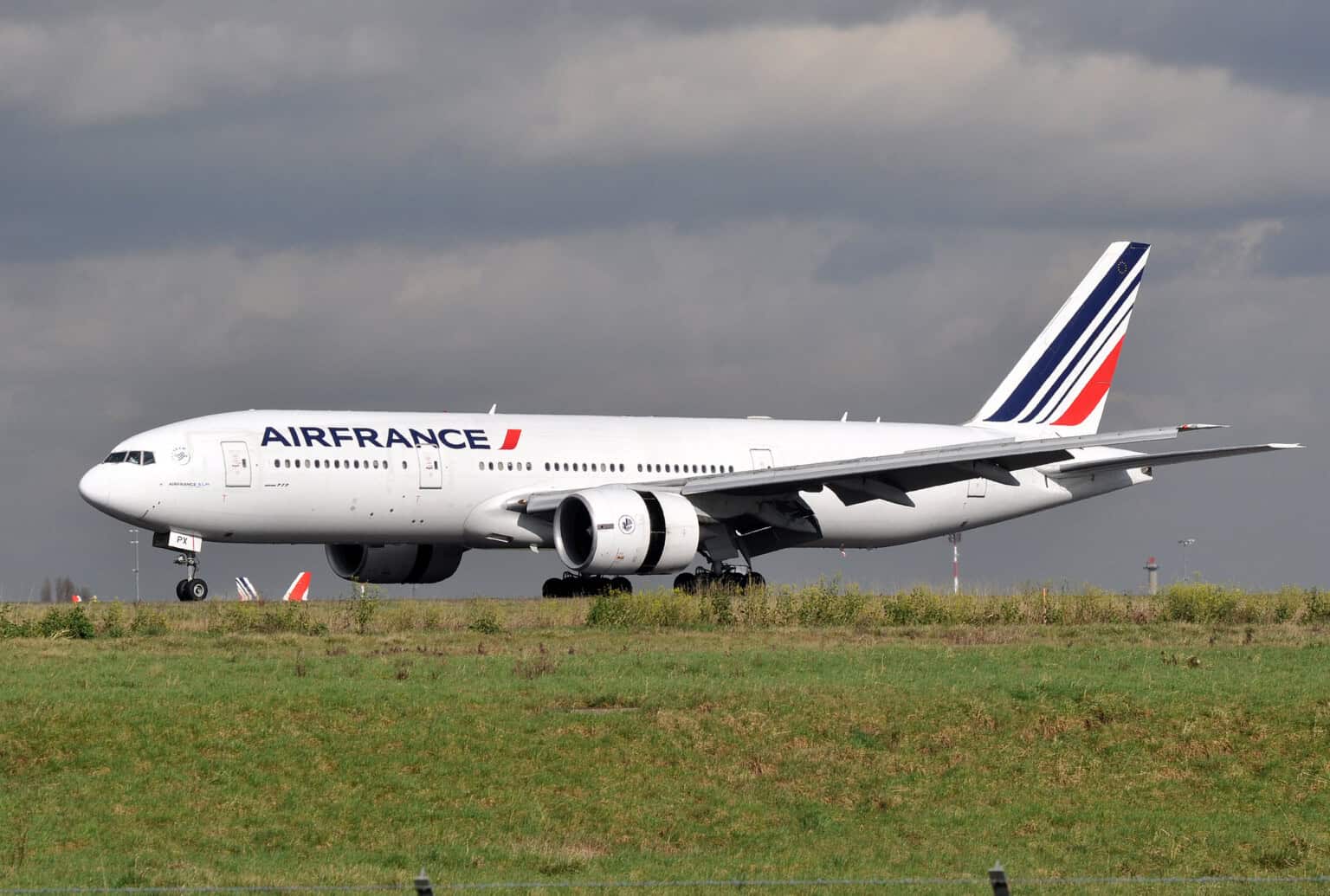
Air France flight AF328 left Paris Charles de Gaulle for Ottawa at 1:22 p.m. local time on Tuesday, August 4, 2026. The crew stopped their climb at 22,000 feet after a cabin pressurization fault, declared an emergency, and flew the Boeing 777-200ER back to Paris.
The aircraft landed safely about an hour and fifteen minutes after it took off. Nobody was hurt.
What happened in the climb
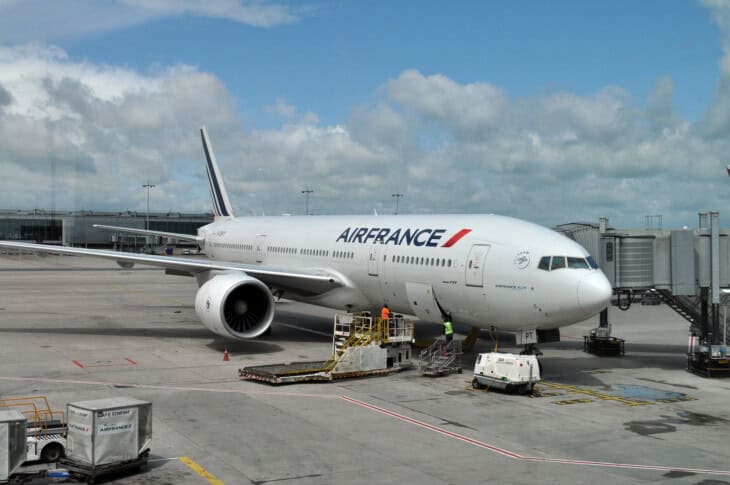
AF328’s crew was climbing the 24-year-old widebody, registered F-GSPU, toward its transatlantic cruising altitude when they ran into the pressurization issue. Rather than continue climbing, they leveled off at 22,000 feet, well below the aircraft’s normal cruising altitude, and squawked 7700, the transponder code that flags a general emergency to every controller watching the flight.
According to AIRLIVE, the crew then turned the jet around, descended further to 15,000 feet, and dumped fuel over designated airspace before lining up back at Charles de Gaulle. A full maintenance inspection followed on the ground.
Why a pressurization fault means turning back
An airliner cabin is only pressurized because cruising altitude has too little oxygen to breathe safely. If the system that manages that pressure faults, the safe response is to stop climbing and, usually, descend to an altitude low enough that the cabin can be kept safe without it.
That altitude is far too low and fuel-hungry for a 777 to cross the Atlantic on, which is why continuing to Ottawa was never really an option once the fault showed up this early in the climb. Turning back to the departure airport, where the crew, ground staff and spare parts were already in place, was the simplest fix.
Timing mattered here. Had the fault surfaced an hour later, once AF328 was well out over the Atlantic, the crew would have had to weigh a longer diversion to an airport in Canada, Iceland or Greenland instead of a straightforward return. Catching the problem during the initial climb out of Paris, with the airport still close behind, made the decision an easy one.
Why the fuel dump
A 777 that has just taken off for an eight-hour flight is loaded far above the weight its landing gear and structure are rated for on touchdown. The A340 and 777 family are among the widebodies built with fuel jettison systems for exactly this situation, dumping fuel at altitude over designated airspace to reach a safe landing weight quickly rather than circling for hours to burn it off.
The turnback set the flight back several hours. F-GSPU departed Paris again at 5:07 p.m. local time to resume the journey to Ottawa, following the maintenance clearance.
It joins a run of widebody diversions and turnbacks AeroCorner has tracked this summer, including an American 777 diverted to JFK after a separate in-flight problem.
Get the Newsletter
The latest aviation news and stories sent to your inbox.
About the Author
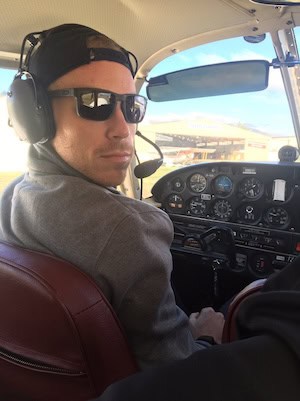
Tim is the owner and lead editor of AeroCorner since 2019, overseeing aviation content covering aircraft, airlines, airports, and the broader aviation industry. Through years of researching, writing, editing, and publishing aviation-focused content, he has developed extensive practical knowledge of commercial aviation and air travel. Based in Asia and a frequent traveler himself, Tim also brings firsthand passenger experience to AeroCorner’s coverage. Outside of publishing, he has also explored aviation firsthand through hands-on flight training in New Zealand.