

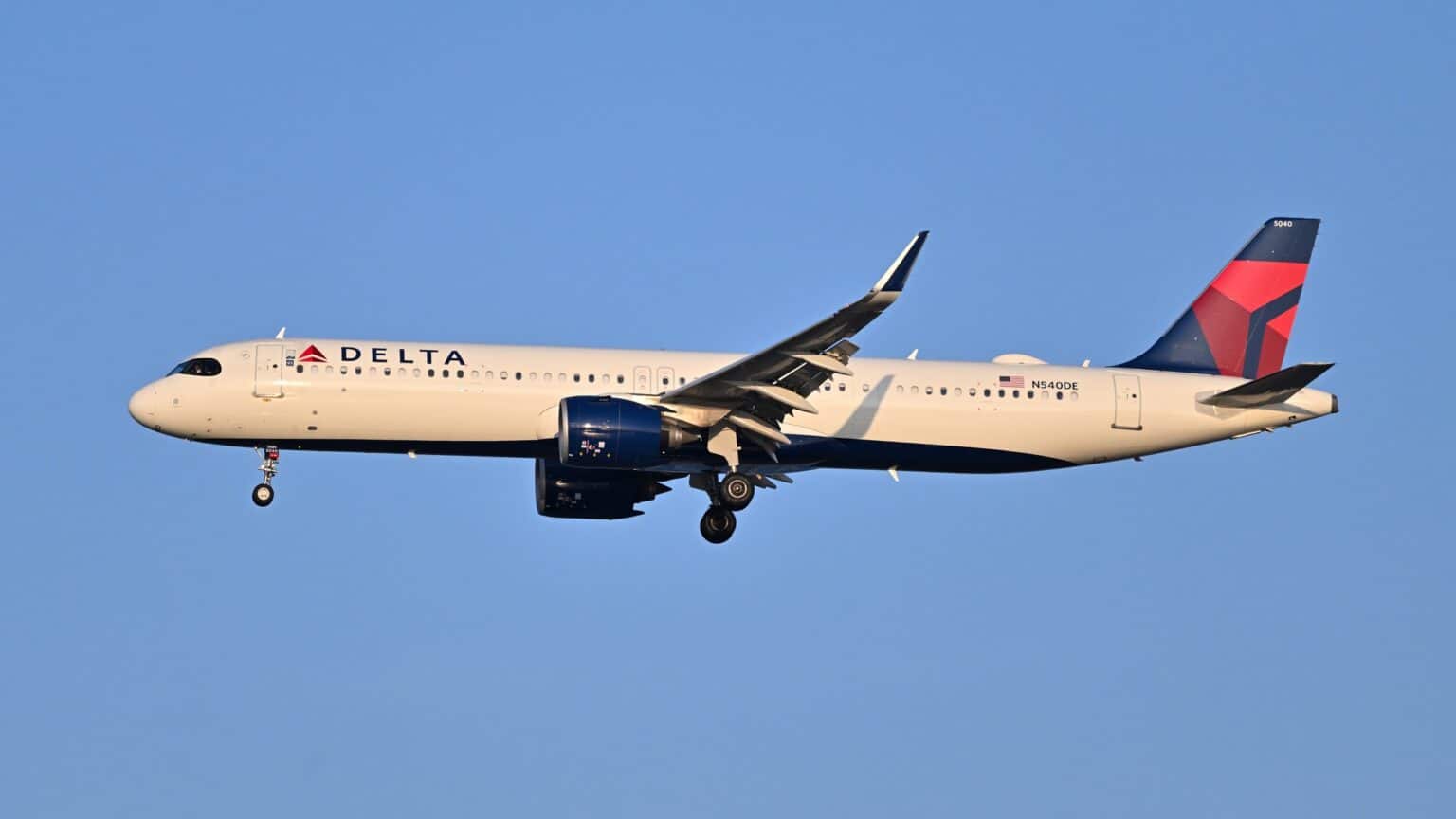
Delta flight DL394 from Maui to Seattle diverted to Honolulu on Saturday night, September 19, 2026, after fumes were noticed in the cabin shortly after takeoff. Four people, including a flight attendant, were treated for headaches and nausea and taken to the hospital in stable condition.
The Airbus A321neo (N531DA) carried 189 passengers, two pilots and four flight attendants. After it landed, crews on the ground saw fuel discharging from the aircraft, according to Delta.
What happened on DL394
The jet left Kahului Airport at 9:14 p.m. local time, the Honolulu Star-Advertiser reported. Fumes were observed soon after departure, and the crew turned for Daniel K. Inouye International Airport instead of pressing on toward the mainland.
“Nothing is more important than the safety of our customers and people,” Delta said in a statement. “That’s why the flight crew followed procedures to divert to Honolulu when fumes were observed after departure from Maui.”
Passengers did not use the evacuation slides. They left the aircraft by air stairs and were bused to the terminal, Hawaii News Now reported.
Honolulu Emergency Medical Services responded to Lagoon Drive at about 11 p.m. Paramedics treated three women, aged 42, 31 and 27, who had inhaled the fumes, and took them to an emergency room. The Federal Fire Department treated and transported a fourth patient; Delta had earlier said one flight attendant needed medical attention.
Delta said technicians would inspect the aircraft and that it would work with aviation authorities on a wider review. Passengers flew on to Seattle on a replacement aircraft on Sunday and arrived at 5:47 p.m. Pacific time. Delta apologized and is refunding their fares.
What is not known yet
Delta has not said what caused the fumes, and it has not said whether the fuel seen on the ground is connected to them. The aircraft registration has not been confirmed by Delta. Any link between the two faults is speculation until the inspection is done.
Why the crew turned back to Honolulu
Kahului to Seattle is about 2,640 miles (4,250 km), almost all of it over open Pacific with no airport along the way. A crew that has a cabin air problem minutes after takeoff has one sensible choice: land in Hawaii before committing to more than five hours over water.
Honolulu sits about 100 miles (160 km) from Kahului. As the state’s largest airport, Honolulu International has the longest runways and the biggest fire and rescue presence in the islands, and it was where Delta could position a replacement aircraft by morning.
The A321neo also has no way to dump fuel. A jet that turns back soon after takeoff on a long overwater flight usually lands heavy, a trained procedure that ends with an inspection of the landing gear and brakes. The same type faced that choice in July, when a Delta A321neo fuel leak sent a San Juan flight back to JFK.
How fumes get into an airliner cabin
On the Airbus A321neo, as on most airliners, part of the cabin air is bleed air, compressed air drawn from the engines. The FAA says the mix is roughly half fresh bleed air and half filtered, recirculated air, varying with altitude and power setting.
That design is why a mechanical fault can reach the passengers. The FAA names failed engine oil seals and worn recirculation fan bearings as typical causes of fumes entering the cabin, and it says the agency makes sure the cause is fixed before the aircraft flies again.
These events are rare. A 2015 FAA review put cabin air quality events at fewer than 33 per million departures, and airlines must file a Service Difficulty Report whenever smoke, vapor or a noxious odor enters the cockpit or cabin. That report is the paper trail that will eventually show what happened on DL394.
Sources and references used for research and fact-checking.
Get the Newsletter
The latest aviation news and stories sent to your inbox.
About the Author
Tim is the owner and lead editor of AeroCorner since 2019, overseeing aviation content covering aircraft, airlines, airports, and the broader aviation industry. Through years of researching, writing, editing, and publishing aviation-focused content, he has developed extensive practical knowledge of commercial aviation and air travel. Based in Asia and a frequent traveler himself, Tim also brings firsthand passenger experience to AeroCorner’s coverage. Outside of publishing, he has also explored aviation firsthand through hands-on flight training in New Zealand.