

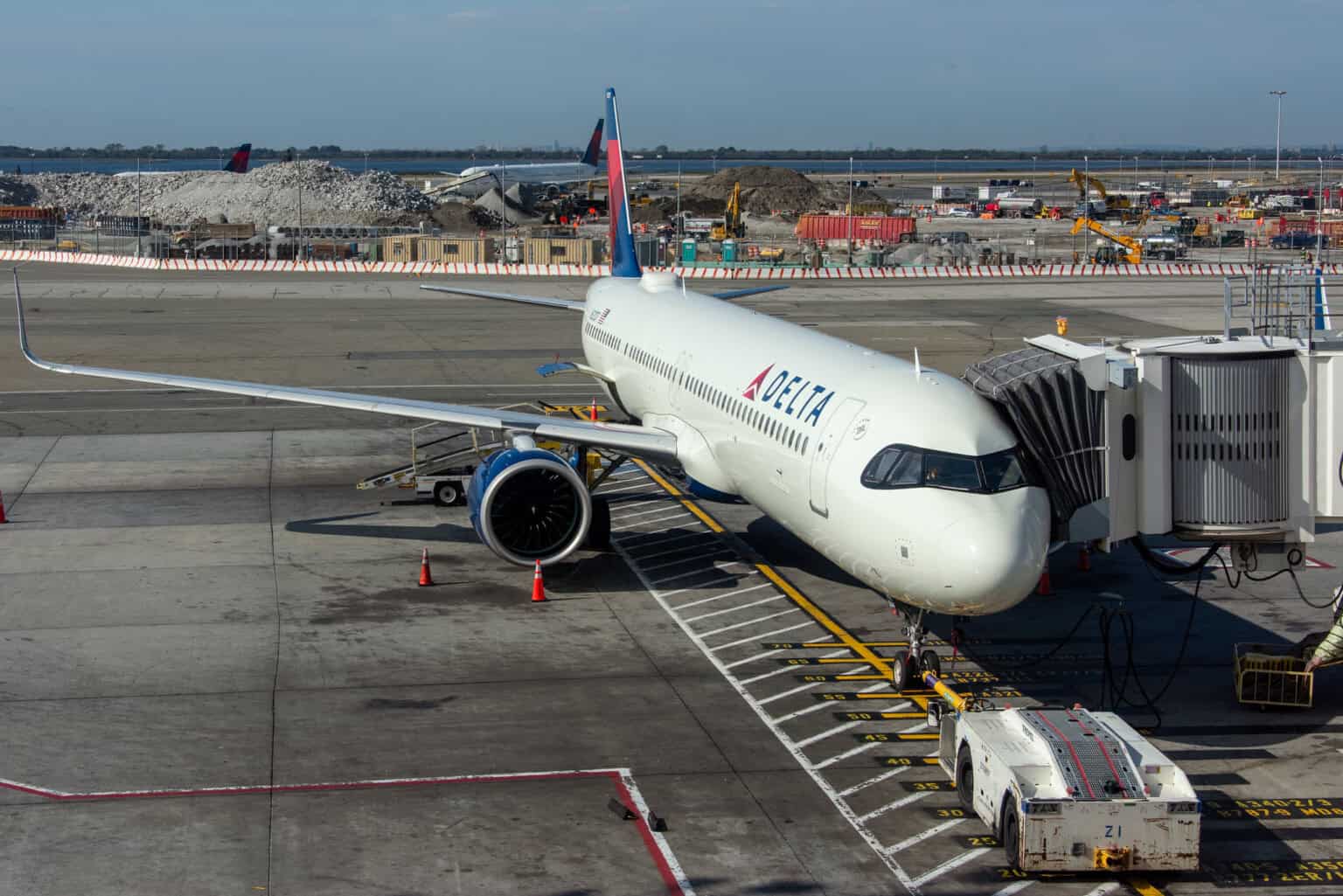
On July 26, 2026, a Delta Air Lines Airbus A321neo bound for San Juan turned back to New York’s John F. Kennedy International Airport after the crew reported a fuel leak in flight. The jet, flight DL1859, landed safely back at JFK a short time later.
The aircraft, registered N505DZ, had climbed out of JFK normally before the crew leveled off at 23,000 feet instead of continuing to cruise altitude. Air traffic control recordings and industry reporting indicate the crew declared an emergency shortly after and requested an immediate return, with about 198 people on board.
What happened
According to Aviation A2Z, which tracked the event through ATC audio, the pilots first reported a fuel leak they could not isolate. Descending back toward JFK, they told controllers they were donning oxygen masks after fumes and an odor developed in the cockpit.
Before touchdown on runway 31L, the crew told Kennedy Tower they would perform an overweight landing and would not use engine thrust reversers, citing the fuel leak. Airport fire crews met the jet, and the pilots asked them to confirm no fire had developed and to check for overheated brakes before the aircraft taxied clear.
No injuries were reported among the roughly 198 passengers and crew. The A321neo had been carrying an estimated 27,400 pounds (12,400 kg) of fuel, according to the same reporting, and required a maintenance inspection before returning to service.
Why a fuel leak means landing heavy
Narrowbody jets like the A321neo are not built with a fuel jettison system. Widebodies flying long, fuel-heavy routes carry one because they might need to shed weight fast; a short-haul aircraft is expected to burn its fuel down naturally, so the plumbing was never added.
That leaves a crew turning back minutes after departure with two options: circle to burn fuel down to a safe landing weight, or accept a heavier, harder landing now. With a fuel leak already in progress and fumes reaching the flight deck, Delta’s pilots chose to land immediately rather than keep flying while leaking fuel.
Why skip the reversers
Reverse thrust redirects engine exhaust forward past the fuselage. With a suspected fuel leak near the engine, crews often rely on wheel brakes and spoilers alone rather than risk exhaust near leaking fuel or vapor.
An overweight landing is a routine, trained-for procedure, not a mayday-level maneuver. It calls for a firm, accurate touchdown, more runway than usual, and a mandatory inspection of the brakes, tires, and landing gear afterward, exactly what fire crews and maintenance carried out at JFK.
It is also part of a busy stretch for fuel-related diversions this year. A Southwest 737 diverted to Charleston after a suspected fuel leak in June, though the two events are otherwise unrelated.
Still developing
Delta had not issued a detailed public statement at the time of writing, and the source of the leak and cockpit fumes had not been confirmed. Figures for fuel load and passenger count come from flight-tracking and industry reporting rather than an official release.
Get the Newsletter
The latest aviation news and stories sent to your inbox.
About the Author
Tim is the owner and lead editor of AeroCorner since 2019, overseeing aviation content covering aircraft, airlines, airports, and the broader aviation industry. Through years of researching, writing, editing, and publishing aviation-focused content, he has developed extensive practical knowledge of commercial aviation and air travel. Based in Asia and a frequent traveler himself, Tim also brings firsthand passenger experience to AeroCorner’s coverage. Outside of publishing, he has also explored aviation firsthand through hands-on flight training in New Zealand.