

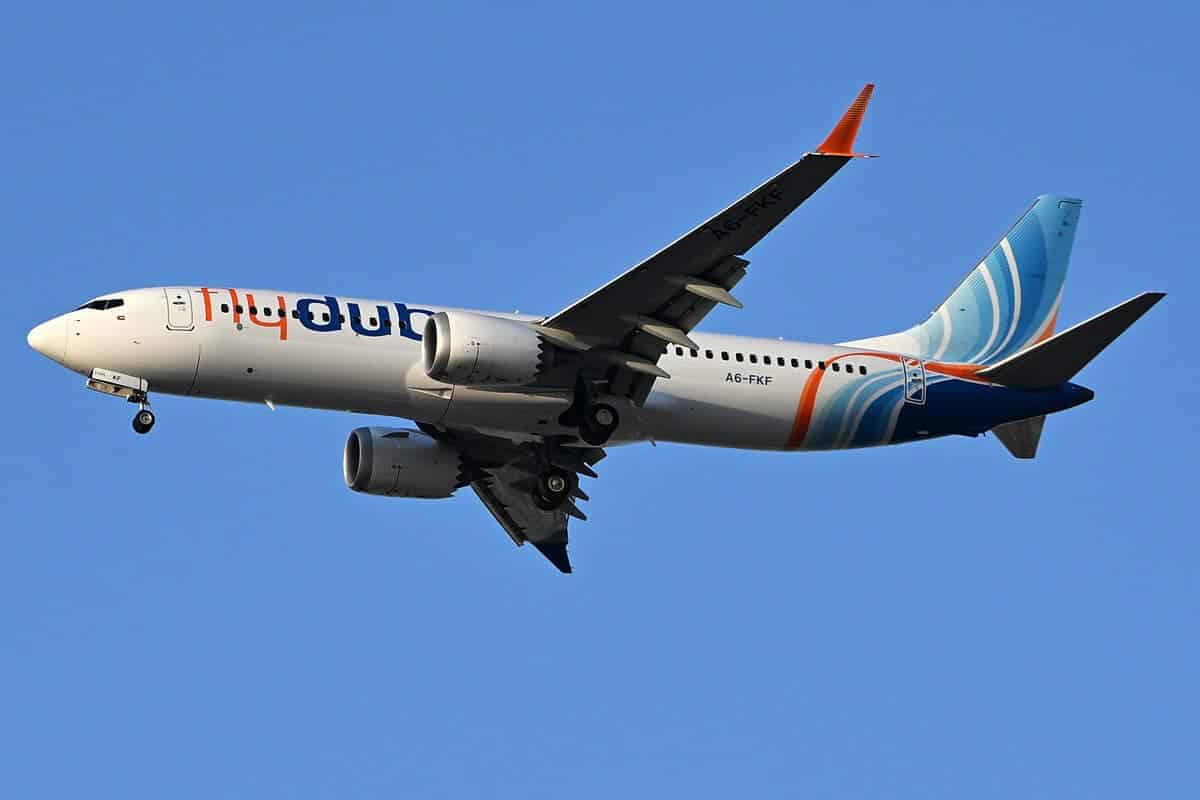
Smit Machchhar, the flydubai captain attacked by his first officer on flight FZ1073, says he first thought part of the cockpit had collapsed onto his head. He gave the account in his first media interviews, with The National and Sky News Arabia, both published on Saturday, October 17, 2026.
Speaking from Zayed Military Hospital in Abu Dhabi, he said he lost consciousness more than once as he fought to reach the cockpit door, and that he wants to return to flying. “Did my love die for aviation? Not at all,” he told The National.
The Dubai to Tel Aviv flight diverted to Tabuk in Saudi Arabia on September 30, and flydubai says all 172 passengers and crew are safe. He had described parts of the attack before, in a video call with Indian Prime Minister Narendra Modi released on October 2 and a call with Israeli Prime Minister Benjamin Netanyahu on October 3.
A blow from behind, then the dive
The first officer said he wanted to pray and stood up behind him, Machchhar told Sky News Arabia. Out of respect, he kept his eyes forward and carried on checking the flight timings on his computer, until a very hard blow struck the back of his head.
“My thought was something’s gone horribly wrong with the aircraft structure, which has fallen on my head,” he told The National. As more blows followed, he realized the attacker was his own colleague.
He said he freed himself from his seat belts and tried to block the blows, while his vision narrowed until he could make out only outlines. He reached for the knob that opens the door, screamed for his colleagues and, he believes, blacked out for the first time, face down in the cockpit.
He believes he came round as the jet was diving. “The scariest thing that I heard and felt was the engines spooling down,” he said, adding that he felt the aircraft “steeply going down.”
Published figures for the descent differ: The National says the 737 fell 17,000 feet in under a minute, and ABC News reported nearly 14,000 feet in under 30 seconds.
Machchhar told Sky News Arabia that at one point he told himself, “You can’t die like this,” and that he had not accepted death but knew he had to act.
His next memory is lying face down between the cockpit and the galley, with the door open. A passenger pulled him out, the senior cabin crew member reached him, and two flydubai pilots traveling as passengers took control of the jet, The National reported.
He suffered serious injuries to his head and arm, including defensive wounds, The National said.
Where his account meets the UAE findings
The UAE Attorney General said on October 3 that the first officer attacked the captain with the crash axe in an attempted terrorist act. Machchhar does not name the weapon himself: he told Sky News Arabia he did not know at the time what had hit him, only that it felt very hard and strong.
The Attorney General’s fuller statement on October 9 said the captain fought back and tried to call for help, which matches his own description. It also said the co-pilot planned to crash into Ben Gurion’s terminal, yet the jet was still more than an hour from Tel Aviv when he struck, The National notes. “It makes no sense to me,” Machchhar said of the timing.
The accounts differ on the door. The October 9 statement says a flydubai pilot assigned to the return flight noticed the cockpit door repeatedly opening and closing, tried the access code and got in, as Ynet reported.
Machchhar’s version puts the opening on his side. He told Netanyahu that colleagues outside were trying the code but the attacker would not let it open, and that he finally twisted the handle himself, The Times of Israel reported.
The National notes he is not entirely clear how events unfolded or in what order. Flydubai says a full official investigation is under way.
The National also reports that the first officer is detained in the UAE and faces terrorism charges.
What the captain’s account adds
Both outlets noted that the interview reflects the captain’s own recollection and perception of events. For a man struck repeatedly on the head, that caveat is why his account sits beside the prosecutors’ findings rather than replacing them.
What it adds is the view from inside the cockpit. He saw no warning sign: it was the first time he had met the first officer, and they made only small talk on the morning flight.
“Nothing until that point would have caused me to think that: ‘Hey, hold on, there’s something off,'” he said.
The reinforced cockpit door fitted after 9/11 is meant to keep attackers out of the flight deck. On FZ1073 the attacker was already inside, and the injured captain was the one trying to let help in.
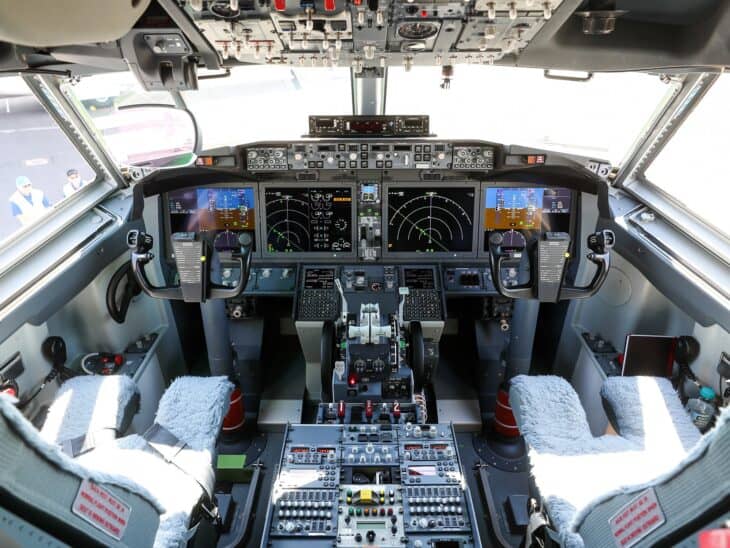

Asked whether aviation security will change, he said: “I think so. And for good.” He blames no one, he added, but wants the industry to make sure “this doesn’t happen again, ever.”
Flydubai’s Tel Aviv flights remain suspended until further notice, its latest statement says. Machchhar faces a long recovery, The National reports, but says he is “just glad that I was able to do my part.”
Sources and references used for research and fact-checking.
Get the Newsletter
The latest aviation news and stories sent to your inbox.
About the Author

AeroCorner News is the aviation news desk of AeroCorner.com. It covers accidents and incidents, safety rulings, airline and airport disruption, and new aircraft. It works from primary sources such as the NTSB, FAA, EASA and the manufacturers' own announcements.