

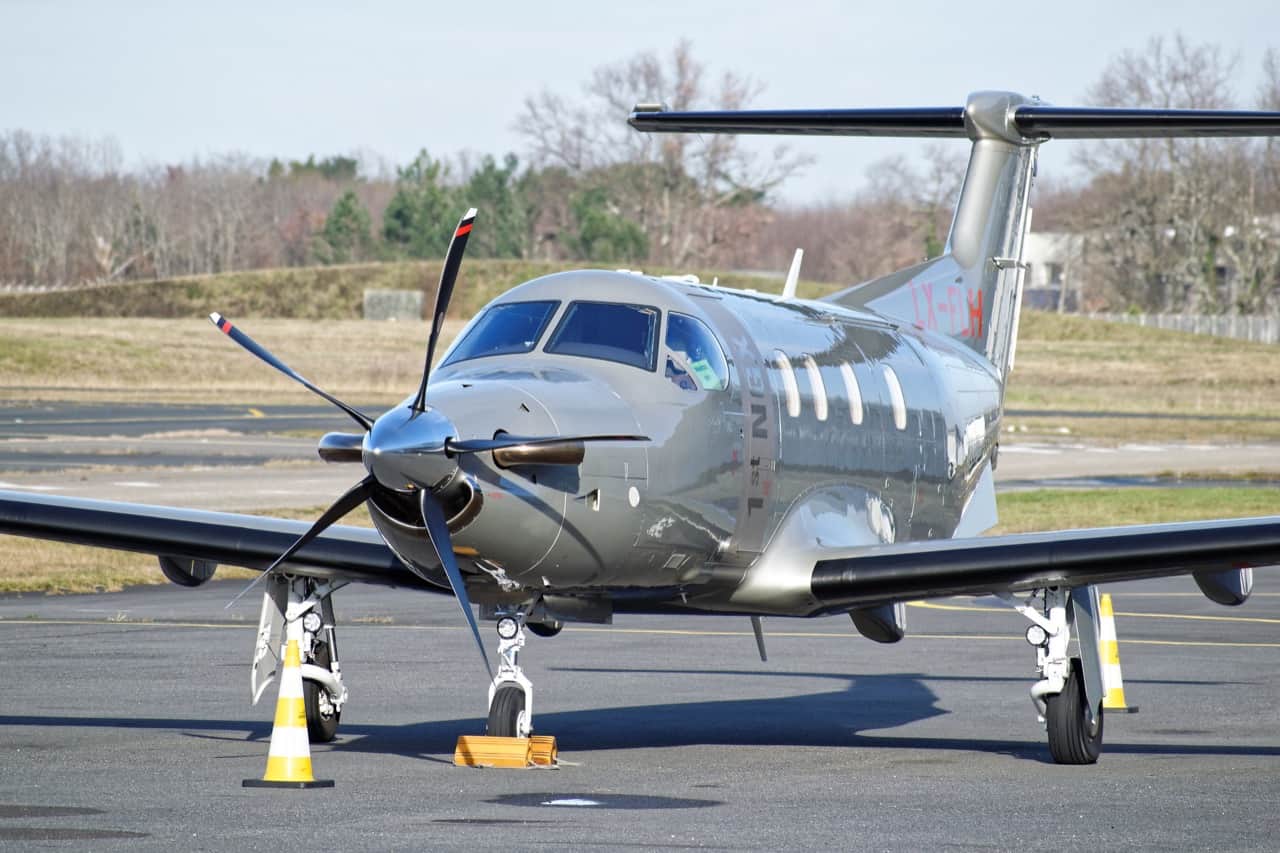
On August 28, 2026, the FAA published a final airworthiness directive requiring operators of the Pilatus PC-12/47E to modify a cabin panel that can block the airplane’s emergency exit. The rule follows a report that the exit door on one aircraft could not be opened from inside. It takes effect October 2, 2026.
What the directive requires
The directive applies to PC-12/47E airplanes with serial numbers 2001 through 2999, which covers 276 aircraft on the US register, according to the FAA. It adopts EASA AD 2025-0182, which Pilatus’s home regulator issued in August 2025 after the same defect surfaced in Europe. The FAA reviewed those findings and reached the same conclusion.
Investigators traced the problem to the passenger service unit trim panel above the emergency exit. If that panel sits too far inboard, it can foul the exit and stop it from opening. Operators must modify the panel wherever a specific set of locking fastener tapes is not already fitted, and the directive bars installing an affected part.
The FAA estimates the work at about $270 per airplane, or roughly $74,520 across the US fleet, a modest figure for an airworthiness action. The agency received a single comment during rulemaking, from the Air Line Pilots Association, which supported the proposal without change.
The unsafe condition
The FAA warns that the fault, if left unaddressed, could prevent the emergency door from opening, “which could result in injury to occupants during an emergency evacuation.”

Why a blocked exit gets its own federal rule
An airworthiness directive is a binding order, not a recommendation. Once it takes effect, an operator that does not comply cannot legally fly the aircraft. Most directives target a part that wears, cracks or corrodes; this one targets an assembly mistake, a panel fitted slightly too far in one direction, that turns a routine cabin fit-out into a hazard.
Emergency exits matter most in the seconds after a crash or an onboard fire, when an evacuation may have to happen in the dark with the main door unusable. Certification rules assume every required exit can be opened quickly, without tools, by the people seated next to it. An exit that can jam from the inside quietly removes part of that margin, which is why regulators act even when no accident has occurred.
The PC-12 is the world’s best-selling single-engine turboprop, with more than 2,000 delivered for charter, air ambulance, cargo and corporate work. The /47E version covered here is sold as the PC-12 NG and, since 2019, the PC-12 NGX. A fleet that large means a small installation error, repeated across many cabins, is worth a coordinated fix.
The FAA proposed the rule in January 2026 and revised it once before finalizing it, a normal sequence that also played out this year with directives on the Diamond DA42 fleet and, on the same day as the Pilatus rule, a Lycoming engine order affecting hundreds of light aircraft.
Sources and references used for research and fact-checking.
Get the Newsletter
The latest aviation news and stories sent to your inbox.
About the Author

Tim is the owner and lead editor of AeroCorner since 2019, overseeing aviation content covering aircraft, airlines, airports, and the broader aviation industry. Through years of researching, writing, editing, and publishing aviation-focused content, he has developed extensive practical knowledge of commercial aviation and air travel. Based in Asia and a frequent traveler himself, Tim also brings firsthand passenger experience to AeroCorner’s coverage. Outside of publishing, he has also explored aviation firsthand through hands-on flight training in New Zealand.