

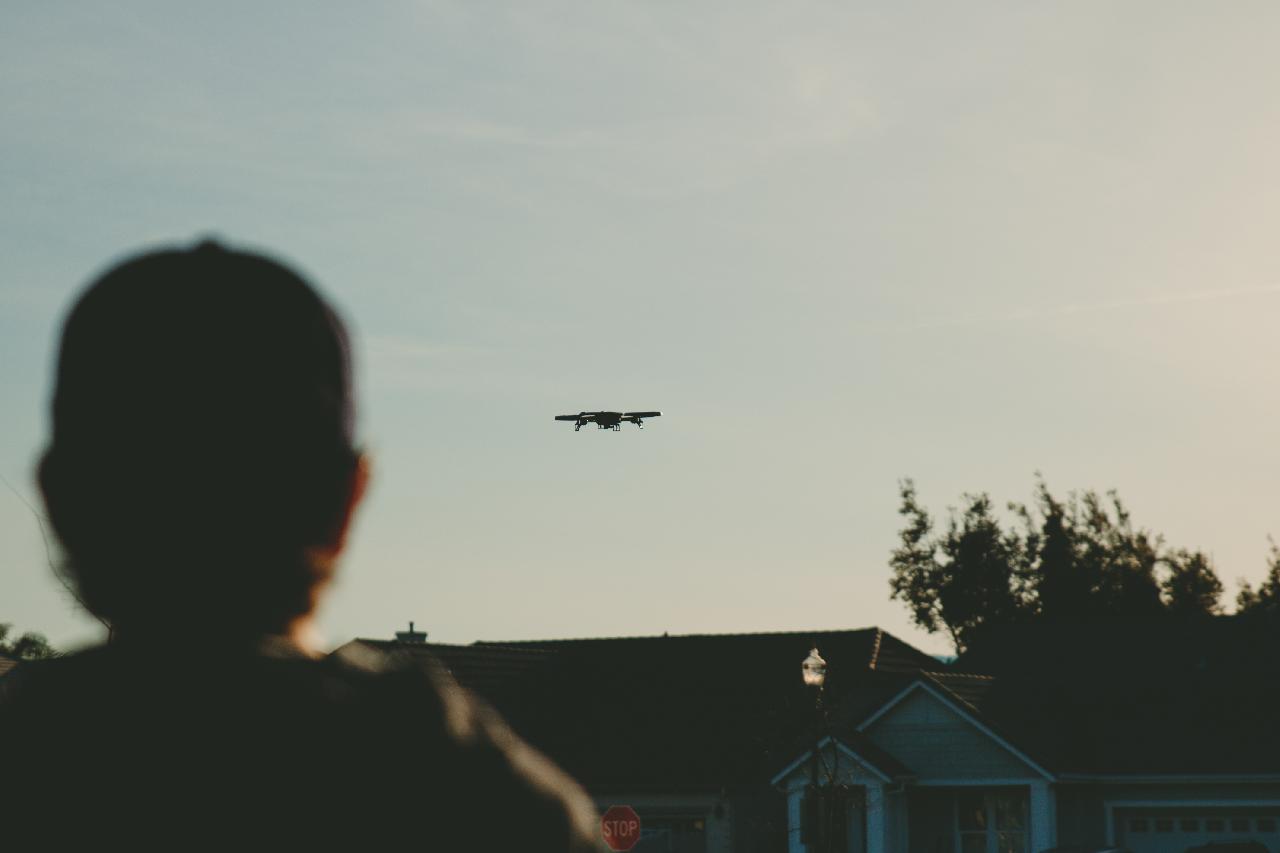
The Federal Aviation Administration is expanding the program it uses to test routine drone flights over American communities. On August 27, 2026, Transportation Secretary Sean P. Duffy announced a second phase of the agency’s BEYOND program that will add up to eight new state, local, tribal, and territorial governments as lead participants, roughly doubling its size.
BEYOND pairs the FAA with local partners that run real drone operations, then feeds the safety and performance data back into federal rulemaking. Phase 1 participants logged more than 70,000 flights, the FAA said, including over 48,000 beyond visual line of sight, the category that matters most for commercial use.
What the expansion covers
Phase 2 was authorized by Section 920 of the FAA Reauthorization Act of 2024, which extended the program through 2029. The FAA says the new partners will concentrate on the operations that are still hard to scale: flights beyond the operator’s sight, public safety flights, and drone activity on and around airports.
“America leads the world in aviation, and this expansion will help keep it that way,” Duffy said in the announcement. FAA Administrator Bryan Bedford described the goal as “a regulatory framework that is safe, scalable and grounded in real-world data.” Bloomberg reported that the new phase is aimed at larger aircraft and longer-range routes than Phase 1 tested.
The FAA also pointed to public opinion where the flights already happen. In communities with existing drone delivery, the agency said 87 percent of residents like the idea and 89 percent would use the service, well above national polling.
Why “beyond visual line of sight” is the sticking point
Most of the commercial value in delivery drones, from dropping packages to inspecting pipelines and power lines, depends on flying past the point where a person on the ground can see the aircraft. Under current rules, each of those operations needs its own FAA waiver, granted case by case.
The intended fix is a rule known as Part 108, which would replace the waiver system with a standing set of performance requirements for detect-and-avoid equipment, remote identification, and operator certification. Congress set a January 2026 deadline for it, which the FAA missed.
That rule is now in final review. The FAA sent the completed version to the White House Office of Information and Regulatory Affairs on July 10, 2026, the last significant step before publication, as Commercial UAV News reported.
Two questions remain contested: whether drones get right of way over crewed aircraft at low altitude, and how they must detect aircraft that are not broadcasting a position.
The BEYOND expansion sits inside a wider federal push on new airspace users. The FAA’s MOSAIC rules opened a certification path for personal electric aircraft this summer, and Boeing recently agreed to sell its drone and air-taxi units to Archer Aviation.
October 2020
BEYOND launches. The program succeeds the FAA’s Integration Pilot Program, shifting the focus from whether drones can operate to how to fold them into everyday airspace.
2024
Congress authorizes Phase 2. Section 920 of the FAA Reauthorization Act extends BEYOND through 2029 and directs the FAA to widen it.
July 10, 2026
Part 108 reaches final review. The FAA sends the completed beyond-visual-line-of-sight rule to the White House regulatory office, the last major step before publication.
August 27, 2026
Phase 2 announced. Transportation Secretary Sean P. Duffy says the FAA will add up to eight new lead participants, doubling the program.
Still a proposal
Part 108 has not been published and has no effective date. Until it clears review and appears in the Federal Register, beyond-visual-line-of-sight flights outside programs like BEYOND still need an individual FAA waiver.
Sources and references used for research and fact-checking.
- U.S. Department of Transportation, Trump's Transportation Secretary Sean P. Duffy Announces Major Expansion of FAA BEYOND Program to Advance Drone Innovation
- Federal Aviation Administration, BEYOND
- Office of Information and Regulatory Affairs (reginfo.gov), Normalizing Unmanned Aircraft Systems Beyond Visual Line of Sight Operations, RIN 2120-AL82
Get the Newsletter
The latest aviation news and stories sent to your inbox.
About the Author
Tim is the owner and lead editor of AeroCorner since 2019, overseeing aviation content covering aircraft, airlines, airports, and the broader aviation industry. Through years of researching, writing, editing, and publishing aviation-focused content, he has developed extensive practical knowledge of commercial aviation and air travel. Based in Asia and a frequent traveler himself, Tim also brings firsthand passenger experience to AeroCorner’s coverage. Outside of publishing, he has also explored aviation firsthand through hands-on flight training in New Zealand.