

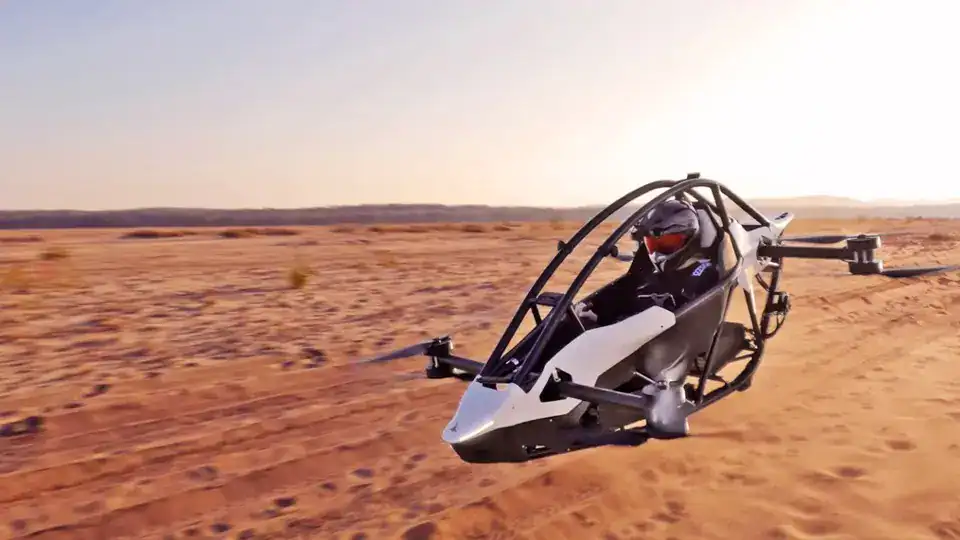
On July 24, 2026, the FAA’s long-awaited MOSAIC certification rules took effect, and for the first time small electric vertical-takeoff aircraft can be built and certificated in the light-sport category. The change gives makers of personal eVTOLs and multicopters a lighter regulatory route than the one used for full-size commercial air taxis.
What actually changed on July 24
MOSAIC, short for Modernization of Special Airworthiness Certification, is a final rule the FAA published in the Federal Register on July 24, 2025. It rewrites how light-sport aircraft are designed, built, certificated, and maintained.
The rule arrived in two phases. The pilot and maintenance provisions took effect on October 22, 2025. The aircraft-certification provisions, built around a new airworthiness category called 14 CFR Part 22, took effect on July 24, 2026.
Part 22 leans on industry consensus standards rather than a bespoke FAA design review. The last piece fell into place on July 16, 2026, when the FAA accepted the ASTM standards that manufacturers can use to show compliance: F3815-26a for airplanes, F3836-26 for gliders, F3840-26 for powered-lift and multicopters, and F3841-26 for gyroplanes.
Why this matters for eVTOLs
F3840-26 is the first accepted light-sport standard for powered-lift and multicopter aircraft. It is what makes a small, personally owned eVTOL eligible for the light-sport category at all, a door that did not exist before MOSAIC.
A separate lane from the air taxis
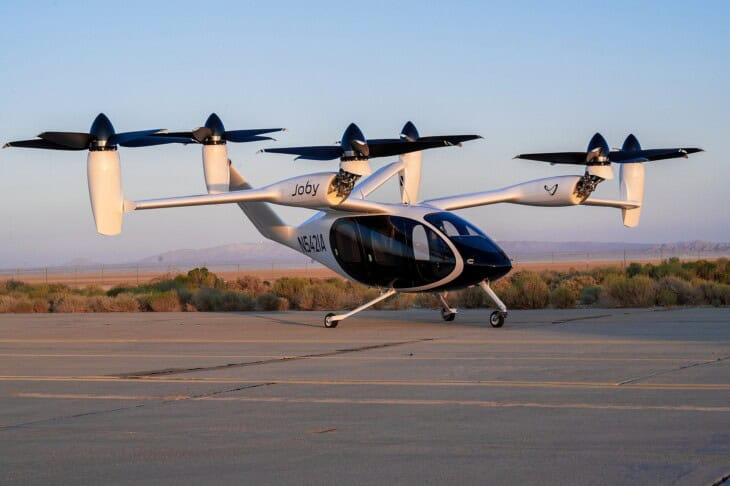
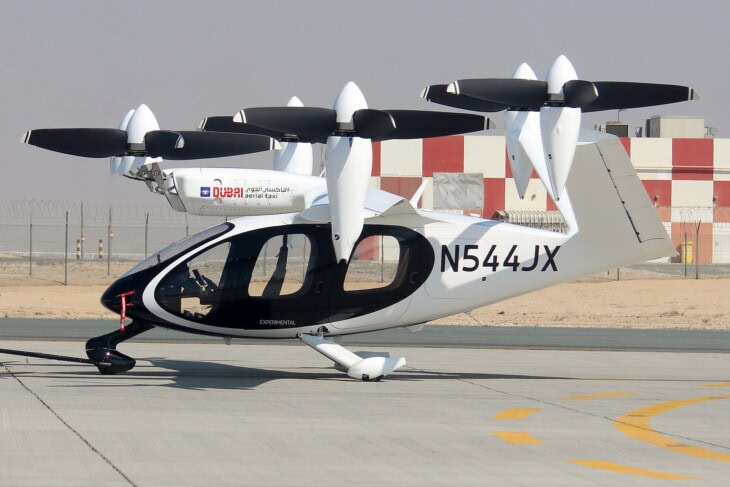
The eVTOL names most people know, such as Joby and Archer, are pursuing a much heavier certification. Their air taxis go through a full type and production certificate under Part 21, plus the FAA’s powered-lift operating rules, because they will carry paying passengers.
The MOSAIC path is aimed at the other end of the market: small aircraft for personal use. MOSAIC replaces the old fixed weight cap with performance-based limits, most notably a maximum stalling speed of 61 knots, and now allows up to four seats in a light-sport airplane.
An early beneficiary is AIR, which said on July 17, 2026 that the FAA’s acceptance gives its two-seat AIR ONE a route to special airworthiness certification. The company describes AIR ONE as an all-electric aircraft with a roughly 115-knot cruise, about an hour of flight time, simplified controls, and an airframe parachute, with more than 4,000 people on its waitlist.
The FAA’s move follows a run of 2026 rulemaking that has reshaped parts of the system, from a fleet-wide 5G altimeter retrofit to new ways for pilots to work with the agency. It also sits alongside the eVTOL momentum on display when two electric aircraft flew at Farnborough this month. Powered-lift designs blur the line between fixed-wing flight and the way a helicopter generates lift, which is exactly why they needed their own standard.
Reality check
An accepted standard is a pathway, not an approval. No personal eVTOL has been certificated under Part 22 yet; each aircraft still has to be shown to meet the standard and earn its airworthiness certificate. Light-sport rules are also for personal, non-commercial flying, so this route does not authorize an air-taxi service.
Sources and references used for research and fact-checking.
Get the Newsletter
The latest aviation news and stories sent to your inbox.
About the Author

Tim is the owner and lead editor of AeroCorner since 2019, overseeing aviation content covering aircraft, airlines, airports, and the broader aviation industry. Through years of researching, writing, editing, and publishing aviation-focused content, he has developed extensive practical knowledge of commercial aviation and air travel. Based in Asia and a frequent traveler himself, Tim also brings firsthand passenger experience to AeroCorner’s coverage. Outside of publishing, he has also explored aviation firsthand through hands-on flight training in New Zealand.