

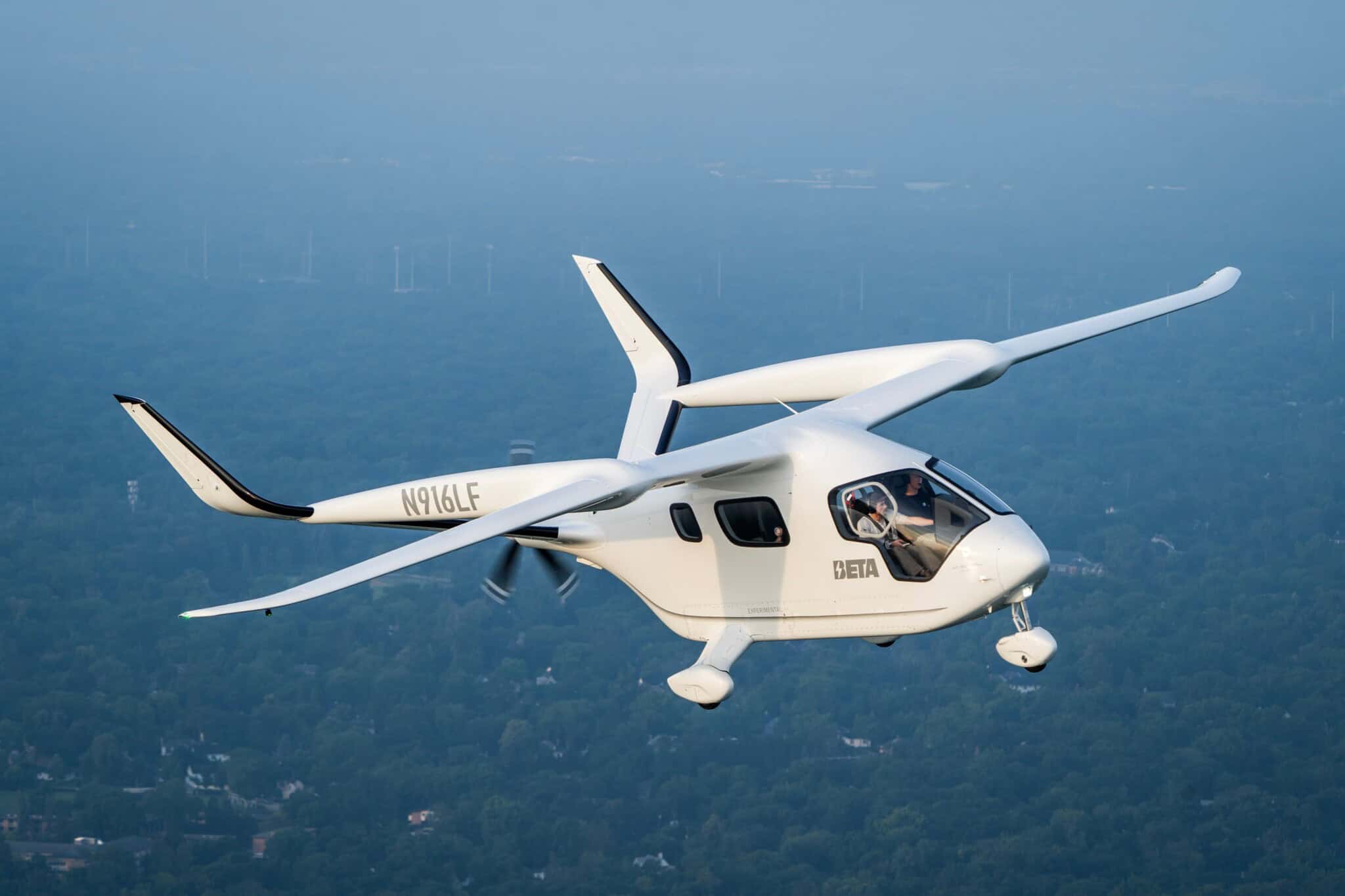
On July 20, 2026, two electric aircraft shared the flying display on the opening day of the Farnborough International Airshow. The show’s organisers said it was the first time two electric aircraft had performed at a major international airshow on the same day.
What actually flew
The first was Vertical Aerospace, a UK company that flew its VX4 prototype, the piloted testbed for its four-seat Valo aircraft. Vertical said the UK Civil Aviation Authority expanded the aircraft’s permit to fly on July 10, clearing its first public demonstration flights away from its test base.
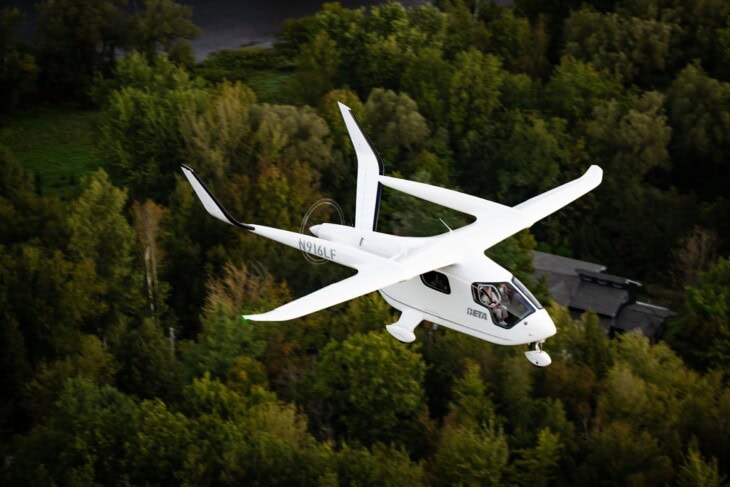
The second was BETA Technologies with its CX300, an all-electric aircraft that takes off and lands on a normal runway rather than lifting off vertically. It carries up to five passengers and cruises at about 135 knots, slower than a turboprop but with far lower operating costs and no direct emissions.
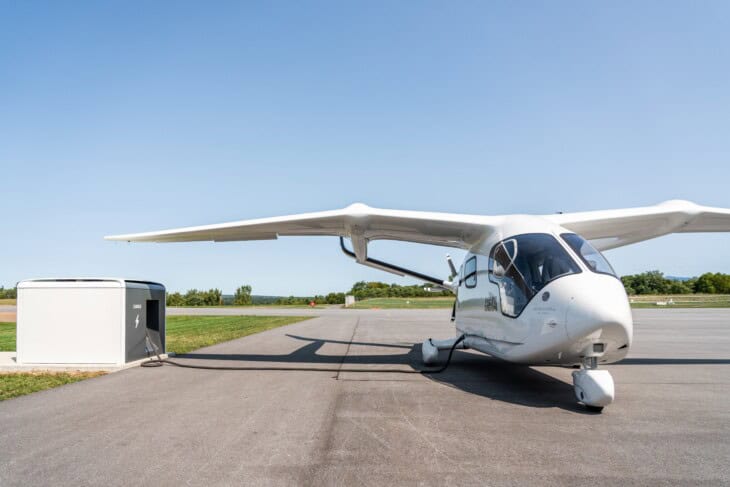
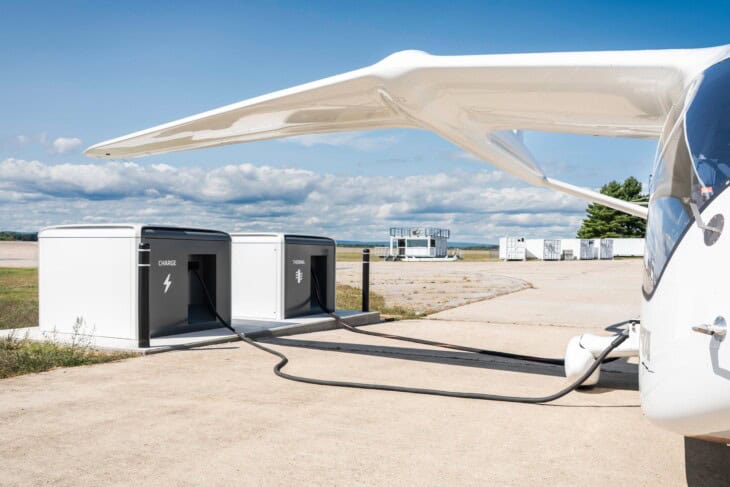
The two aircraft represent different bets on electric flight. Vertical’s VX4 is an eVTOL, lifting off vertically like a helicopter before transitioning to wing-borne flight. BETA’s CX300 is a conventional-takeoff electric aircraft, simpler to certify but tied to existing runways.
eVTOL vs conventional electric
An eVTOL takes off straight up and needs no runway, but the transition to forward flight is hard to certify. A conventional electric aircraft keeps a normal wing and runway, trading flexibility for a faster path to service.
The orders, and the timelines
BETA left the show with a concrete commitment. Scottish regional carrier Loganair signed a non-binding term sheet for five CX300 aircraft, with options for five more, targeting entry into service in 2029.
Loganair said the deal would make it Europe’s first airline to operate an electric aircraft fleet. Most of its Scottish sectors run under 100 miles, within the CX300’s range, and the aircraft recharges in 20 to 40 minutes.
Vertical, meanwhile, points to roughly 1,500 conditional pre-orders across four continents, from customers including American Airlines, Avolon, Bristow, GOL and Japan Airlines. The company also said it completed a piloted, two-way transition flight in April 2026 under CAA oversight.
Provisional, not firm
Vertical now expects type certification of Valo in 2029, a slip from its earlier target. Conditional pre-orders and non-binding term sheets are commitments to buy if the aircraft is certified and priced as planned, not firm orders.
Why a flying display is the easy part
Electric aircraft promise quiet, zero-emission short hops, one route the industry is exploring alongside sustainable aviation fuel and the fuel-saving technology being tested on conventional jets.
A flying-display debut shows the hardware works. The far harder milestone is a type certificate, which requires a regulator to accept that a brand-new aircraft, its batteries, and its flight controls are safe for paying passengers.
That is the gap the repeated timeline slips reflect. At the same airshow where lessors were ordering hundreds of conventional engines, the electric aircraft on display were still years from carrying their first fare-paying passenger.
Sources and references used for research and fact-checking.
Get the Newsletter
The latest aviation news and stories sent to your inbox.
About the Author

Tim is the owner and lead editor of AeroCorner since 2019, overseeing aviation content covering aircraft, airlines, airports, and the broader aviation industry. Through years of researching, writing, editing, and publishing aviation-focused content, he has developed extensive practical knowledge of commercial aviation and air travel. Based in Asia and a frequent traveler himself, Tim also brings firsthand passenger experience to AeroCorner’s coverage. Outside of publishing, he has also explored aviation firsthand through hands-on flight training in New Zealand.