

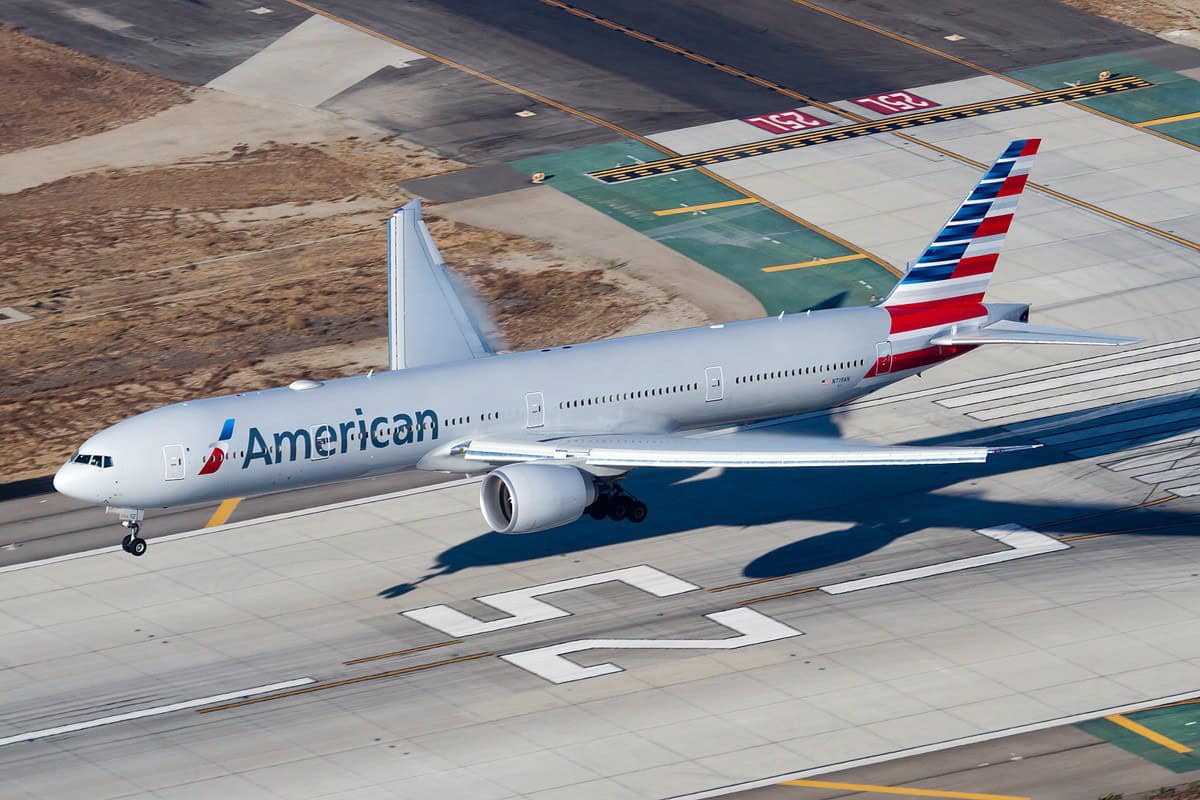
On October 8, 2026, American Airlines said it will install SpaceX’s Starlink satellite Wi-Fi across its entire mainline fleet of more than 1,030 Airbus and Boeing jets. Installations are scheduled to begin in early 2027.
The announcement roughly doubles the plan American unveiled in May, which covered only its Airbus narrowbodies. The new scope adds the Boeing narrowbodies and widebodies that the first deal left out.
From half the fleet to all of it
American’s May 26 announcement covered more than 500 Airbus aircraft, including new A321XLR and A321neo deliveries. At the time, the airline framed it as an upgrade for its domestic and short-haul international routes.
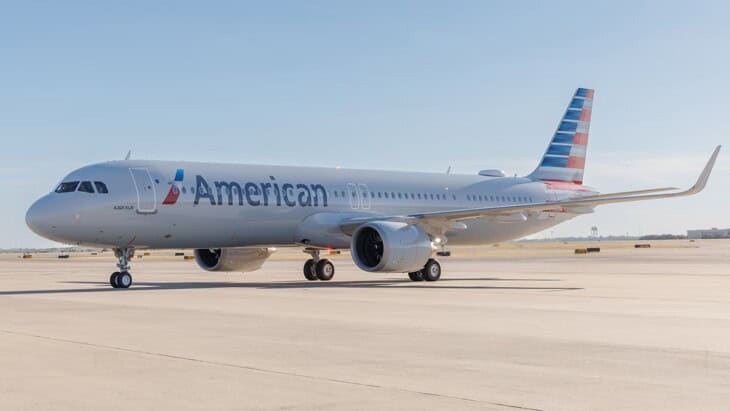
The expanded program brings in the rest of the mainline fleet, according to the airline’s own breakdown:
| American mainline fleet group | Aircraft |
|---|---|
| Airbus narrowbodies | 500+ |
| Boeing narrowbodies | 400+ |
| Boeing widebodies | 130+ |
| Total mainline fleet | 1,030+ |
Adding the Boeing widebodies matters most for long-haul travelers. The May plan was pitched at domestic and short-haul international routes.
Each aircraft will carry Starlink’s Performance Aero Terminal, which American says can deliver up to 1 Gbps per terminal. That figure is per terminal, so it is shared by everyone connected on the flight rather than a speed each seat will get.
“Our customers have told us that dependable connectivity can make a meaningful difference in how they spend their time in the air,” said Heather Garboden, American’s chief customer officer. American says more than 165 million customers fly on its mainline aircraft each year.
What American has not said yet
The October release gives no date for finishing the rollout, and the deal’s financial terms were not disclosed, Reuters reported. It also covers mainline jets only, so American Eagle regional aircraft are not part of this announcement.
The release also does not say what Starlink access will cost. Since January, American has offered AAdvantage members free satellite Wi-Fi sponsored by AT&T, and at that launch more than 900 mainline jets carried Viasat or Intelsat systems.
Whether that free member access carries over to the Starlink-equipped aircraft is one of the details still to come. The Starlink plan follows American’s August pledge to put seatback screens back on its narrowbodies.
Why the Big Three are racing on Wi-Fi
Starlink’s satellites fly in low Earth orbit, and American’s case for it is speed and low latency. When the airline announced the first deal in May, Garboden said customers would no longer have to download documents ahead of a flight or worry about lag.
United is already flying it. In February, the airline said Starlink was on more than 300 regional jets and that it expected more than 500 mainline aircraft to have it by the end of 2026, before American’s first installation is due to begin.
Delta chose a different supplier. On March 31, Amazon announced that Delta would start installing Amazon Leo satellite Wi-Fi in 2028, beginning with 500 aircraft, free for SkyMiles members.
That makes American the second of the Big Three to commit to Starlink, with a plan that now spans its whole mainline fleet. Europe is moving the same way: Lufthansa Group began its own Starlink rollout in August, aiming for roughly 850 aircraft by 2029.
Sources and references used for research and fact-checking.
- American Airlines, Full fleet, full speed, full connection: American Airlines will bring Starlink to every mainline jet
- American Airlines, American Airlines to install Starlink, the fastest Wi-Fi in the sky
- American Airlines, American Airlines launches FREE high-speed Wi-Fi, sponsored by AT&T
- United Airlines, United Spotlights Starlink Wi-Fi in New Big Game Ad as Airline Completes Installation on 300+ Regional Aircraft
- Amazon, Amazon Leo brings satellite Wi-Fi to Delta Air Lines by 2028
- Lufthansa Group, Lufthansa Group brings Starlink high-speed internet on board
Get the Newsletter
The latest aviation news and stories sent to your inbox.
About the Author

Tim is the owner and lead editor of AeroCorner since 2019, overseeing aviation content covering aircraft, airlines, airports, and the broader aviation industry. Through years of researching, writing, editing, and publishing aviation-focused content, he has developed extensive practical knowledge of commercial aviation and air travel. Based in Asia and a frequent traveler himself, Tim also brings firsthand passenger experience to AeroCorner’s coverage. Outside of publishing, he has also explored aviation firsthand through hands-on flight training in New Zealand.