

Table of Contents
Delta tested Starlink, then signed with Amazon instead. Now a report says Ed Bastian has been telling people why, and it is not the reason Delta gave in public.
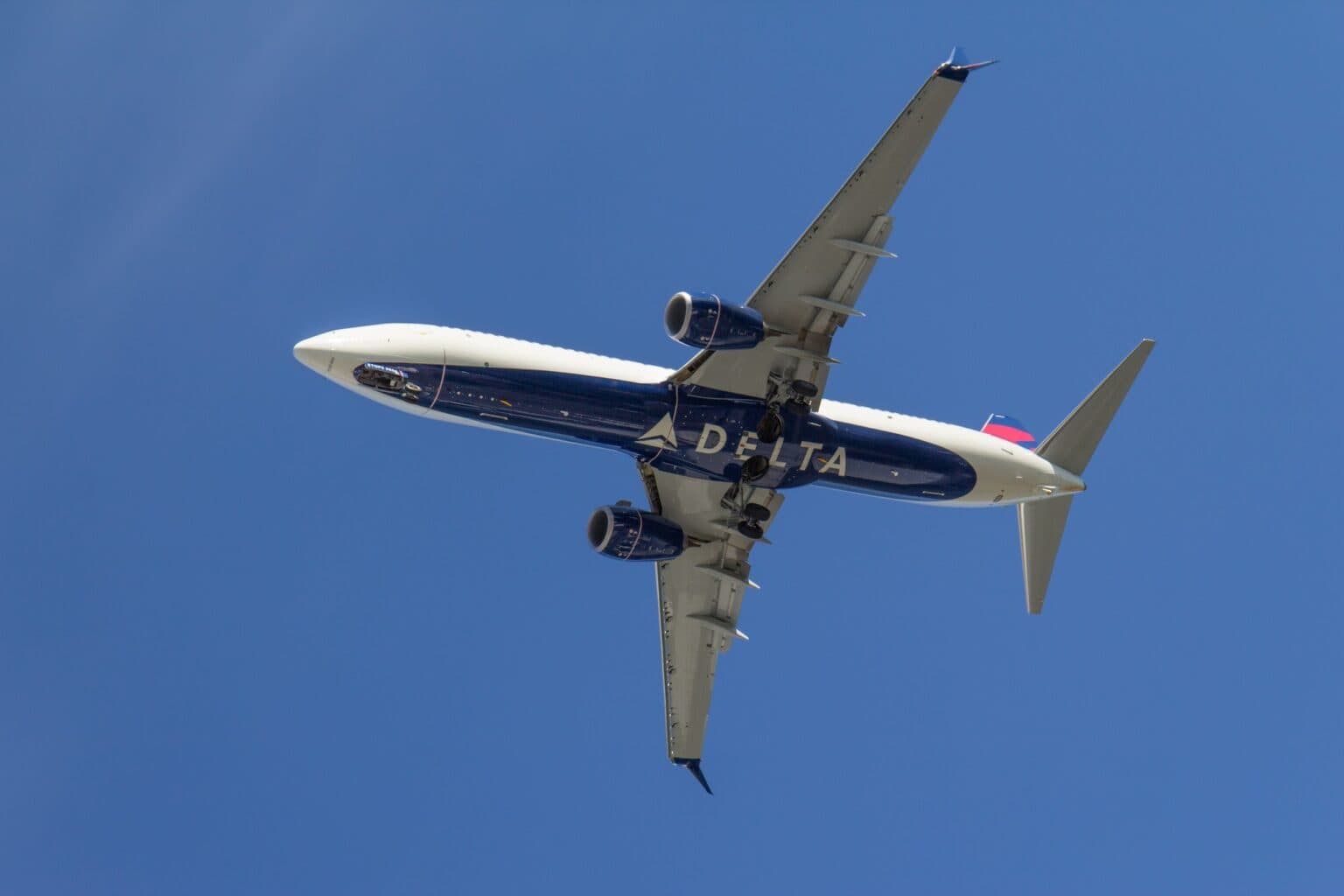
Delta Air Lines will not put Starlink on its planes. On March 31, 2026, it chose Amazon Leo instead, with installs starting in 2028 on an initial 500 aircraft.
On September 29, the airline-industry insider account JonNYC reported that Delta CEO Ed Bastian had told company events, “We do not want to be with Elon Musk. Trust me.” At an earlier event he reportedly added: “If you know his reputation, it’s all true what they say about him.”
One Mile at a Time, which ran the report, says it cannot vouch for the quotes. The day before, Musk had posted on X that “Delta will lose a lot of customers.”
Delta Tested Starlink in 2022 and Walked Away Four Years Later
Delta was looking at Starlink long before this fight. As early as April 2022, it was reported to be testing the SpaceX system after preliminary talks, while Viasat supplied its Wi-Fi.
Those talks never produced a deal. After Delta announced Amazon Leo in March 2026, the SpaceX side gave its version of why.
An early SpaceX investor said Delta wanted Starlink behind its own Delta Sync login page, and on May 13 Musk confirmed it. “SpaceX requires that there be no annoying ‘portal’ to use Starlink,” Musk wrote, as View from the Wing reported. “Starlink WiFi must just work effortlessly every time, as though you were at home.”
He also said Delta “wanted to make it painful, difficult and expensive for their customers.” Bastian answered in a Bloomberg interview days later, quoted by Gizmodo.
“Amazon brings a lot more than just satellite technology,” Bastian said. “They bring great retailing capability and Amazon Prime and video gaming technologies, which Starlink does not have.”

.jpg)
He also made a price argument: “improved bandwidth with a much lower price point than what we’ve ever seen from Starlink.” Delta already runs much of its technology on Amazon Web Services, and the Leo deal was pitched as an extension of that relationship.
That was the public case: price, plus the Amazon ecosystem. The September report adds a third reason, one Bastian has not given on the record.
What is confirmed, and what is not
Confirmed: Delta chose Amazon Leo on March 31, 2026, with installs starting in 2028 on 500 aircraft, and Bastian publicly cited price and Amazon’s wider technology. Reported only: the two Musk quotes, which come from a single post by JonNYC relaying what Bastian allegedly said at company events. One Mile at a Time, which published them, says it cannot vouch for their accuracy.
United Will Finish Its Starlink Rollout Before Delta’s First Amazon Antenna Goes On
The gap is measured in years. United flew its first Starlink mainline flight on October 15, 2025, a Boeing 737-800 from Newark to Houston carrying two Starlink antennas.
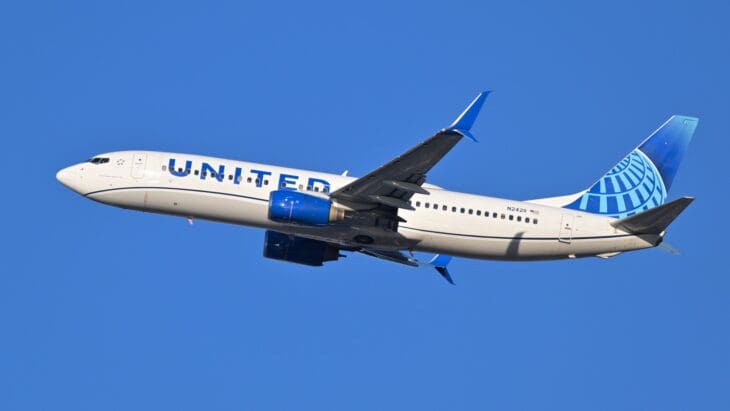

By its second-quarter results on July 15, 2026, United had Starlink on 450 mainline and United Express aircraft. It expects nearly 1,000 by the end of 2026 and the whole fleet by the end of 2027.
An independent tracker that checks each aircraft against United’s own systems counted 605 of 1,668 United aircraft with Starlink on September 30, 2026. That is 36% of the fleet, adding about 50 a month.
Delta’s plan starts in 2028 and covers 500 aircraft at first. Delta’s current Wi-Fi runs on more than 1,150 aircraft, so the first Leo phase reaches less than half of them.
The constellations are just as uneven. Starlink had more than 10,000 satellites in orbit in May 2026. Amazon Leo had about 300 and no commercial service yet.
Both are low-Earth-orbit networks, which is the whole point. Leo satellites fly roughly 370 miles (595 km) up, more than 50 times closer than the geostationary satellites behind older airplane Wi-Fi systems, which is what cuts the lag.
On paper, Amazon promises Delta a single antenna per aircraft with downloads up to 1 Gbps and uploads up to 400 Mbps. None of that has flown on a Delta jet yet.
Airline Wi-Fi Has Become a Reason to Book, and Delta Knows It
For years Delta was ahead of United on Wi-Fi, one of the sharper differences between the big three US airlines. Its Delta Sync Wi-Fi is free for SkyMiles members, sponsored by T-Mobile, and Delta says more than 163 million members have connected to it.
Free Wi-Fi changed the load on it. View from the Wing argues the Viasat service works fine but gets a lot more use now that it costs nothing, and can struggle at times.
United’s own numbers show why that matters. It says Wi-Fi satisfaction scores on its Starlink flights are more than twice as high as on its other Wi-Fi flights.
Musk has leaned on that twice. In August he said he had “warned them” and that “it will get much worse,” quoting an image of just two Delta flyers who said they booked United instead.
Then on September 28 he replied to a post noting United’s 600-plus Starlink jets. “Delta will lose a lot of customers,” he wrote, according to Benzinga.
Musk offered no data behind either prediction beyond that image of two flyers. What the reported Bastian quotes change, if accurate, is the argument: the choice was partly about who owns Starlink, not only what it costs.
One Mile at a Time’s Ben Schlappig offers a less flattering reading. He wonders whether Bastian is taking a principled stand or saving face after a deal that fell through for other reasons.
What Delta Passengers Get Between Now and 2028
Nothing changes on a Delta flight for now. The airline keeps its existing Viasat and Hughes systems, and says Leo will sit alongside them, not replace them.
Before Delta, Leo’s only airline deal was with JetBlue. Both airlines are relying on a constellation Amazon is still launching.
Starlink keeps signing airlines in the meantime. It has signed United, Southwest, Air France, British Airways and Emirates, and the Lufthansa Group flew its first Starlink flight on August 19, 2026, with about 850 jets across nine airlines to follow by 2029.
Whether Bastian really said those words about Musk is still unconfirmed. The calendar is not.
Until 2028 at the earliest, no Delta passenger will fly on low-orbit Wi-Fi. If United hits its target, every United passenger will by the end of 2027, and Delta is betting that a cheaper, Amazon-built network is worth the wait.
Sources and references used for research and fact-checking.
- One Mile at a Time, Report: Delta CEO Ed Bastian Blasts Elon Musk, "It's All True What They Say About Him"
- Delta News Hub, Delta, Amazon Leo sign agreement to deliver next era of connected travel and digital experiences
- Amazon, Amazon Leo to power in-flight Wi-Fi for Delta Air Lines starting in 2028
- Gizmodo, Delta CEO Details Why He Thinks Amazon Leo Beats Starlink
- View from the Wing, Elon Musk Says Delta Air Lines Starlink Deal Died Over An "Annoying Portal", SpaceX Refused
- Benzinga, Elon Musk Warns Delta Will 'Lose A Lot Of Customers' Over Starlink Snub
- Simple Flying, Delta Snubbed Elon Musk's Starlink, And Now He's Fighting Back
- United Airlines, United Posts Q2 Results Above Wall Street Expectations
- United Airlines, United Schedules First Starlink-Equipped Mainline Flight for Take Off
- unitedstarlinktracker.com, United Airlines Starlink Tracker
Get the Newsletter
The latest aviation news and stories sent to your inbox.
About the Author

Tim is the owner and lead editor of AeroCorner since 2019, overseeing aviation content covering aircraft, airlines, airports, and the broader aviation industry. Through years of researching, writing, editing, and publishing aviation-focused content, he has developed extensive practical knowledge of commercial aviation and air travel. Based in Asia and a frequent traveler himself, Tim also brings firsthand passenger experience to AeroCorner’s coverage. Outside of publishing, he has also explored aviation firsthand through hands-on flight training in New Zealand.