

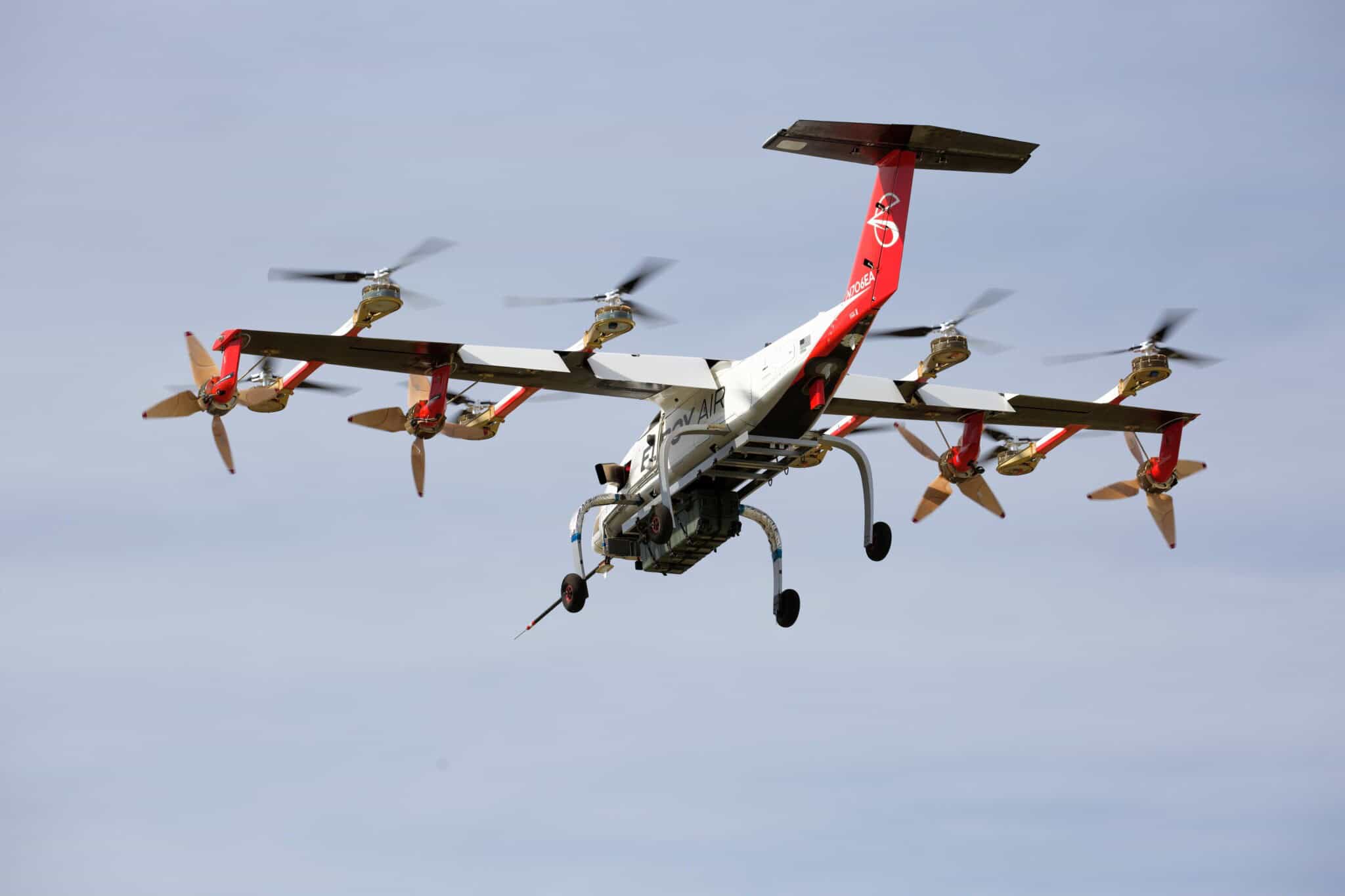
In late August 2026, the FAA said that Elroy Air and the Louisiana Department of Transportation and Development had flown a remotely piloted, hybrid-electric cargo aircraft at Houma-Terrebonne Airport. The agency called it the first remotely piloted flight under its eVTOL Integration Pilot Program.
What was demonstrated
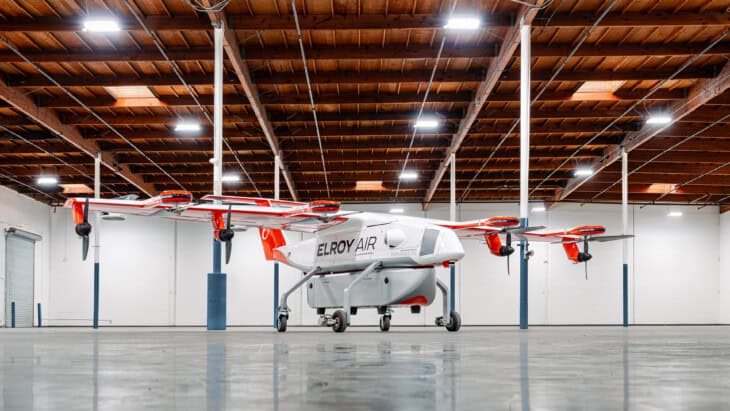
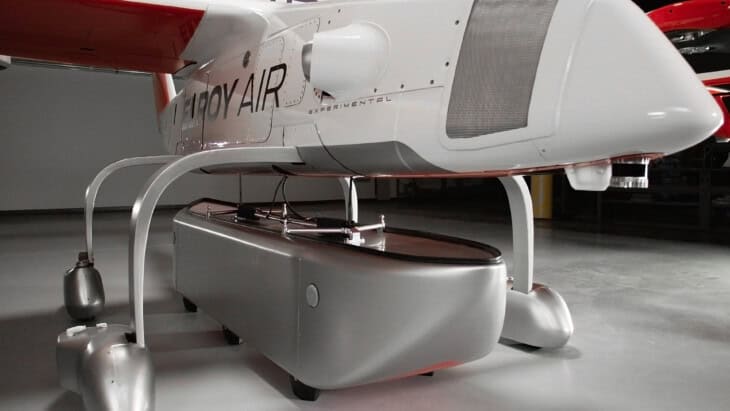
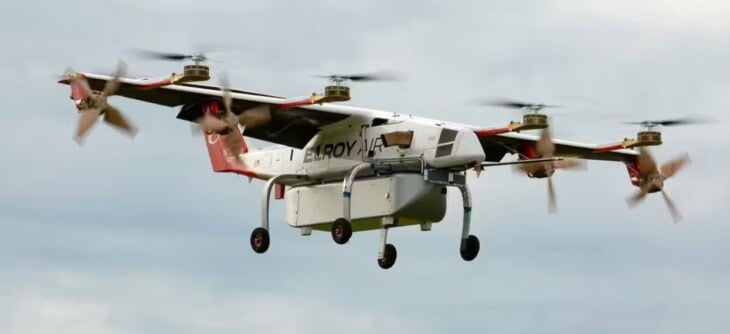
The flight tested cargo delivery with Elroy Air’s Chaparral, an uncrewed aircraft that lifts off vertically and then cruises on a fixed wing.
Elroy Air describes the Chaparral as carrying cargo pods of roughly 300 to 500 pounds (140 to 230 kg) up to about 300 miles (480 km). A turbine-driven generator and batteries power it, so it needs no charging equipment on the ground.
“This demonstration with the Louisiana Department of Transportation and Development provides data to help turn these concepts from trial to deployment,” FAA Administrator Bryan Bedford said in the agency’s statement.
The flight is part of LIFTOff Louisiana, an initiative the state’s transportation department launched in late August. It is one of eight projects in the FAA’s eVTOL Integration Pilot Program, and it is centered at Houma-Terrebonne Airport, one of the country’s busiest bases for offshore civilian helicopter operations serving Gulf oil and gas platforms.
Its partners include the aircraft developers Beta Technologies, Elroy Air and Electra, whose short-takeoff hybrid design flew over Philadelphia earlier in August, alongside the established operators Bristow Group and Metro Aviation.
Why one cargo flight matters
The pilot program was created under a June 2025 executive order on drone technology. In March 2026 the Department of Transportation and the FAA chose eight projects across 26 states from more than 30 proposals, covering air taxis, cargo, medical transport and offshore energy work.
The purpose is to generate operational data the FAA can turn into rules. There is still no complete framework for routine uncrewed or electric air-taxi flights mixing with regular traffic, and the agency has said it needs real-world evidence before it can write one.
The Gulf energy corridor is a deliberate testbed. The routes are predictable and point to point, the aviation infrastructure already exists, few people live underneath, and energy companies already pay for helicopter flights to move crews and parts offshore.
The FAA framed the demonstration more broadly as a test of linking small airports to larger ones. Thin cargo routes that cannot support a crewed aircraft are one of the first places an uncrewed design has to prove it makes economic sense.
Flying Magazine reported that the work will start with route mapping and checks of surveillance, weather and procedures before flights expand. It follows a pattern the FAA used with drones in its earlier BEYOND program, which also ran integration testing through partner sites and states.
Reality check
This was a demonstration, not the start of scheduled service. The aircraft was remotely piloted rather than fully autonomous, LIFTOff Louisiana is a multi-year data-gathering effort, and commercial cargo runs would still need separate FAA approvals.
Sources and references used for research and fact-checking.
Get the Newsletter
The latest aviation news and stories sent to your inbox.
About the Author

Tim is the owner and lead editor of AeroCorner since 2019, overseeing aviation content covering aircraft, airlines, airports, and the broader aviation industry. Through years of researching, writing, editing, and publishing aviation-focused content, he has developed extensive practical knowledge of commercial aviation and air travel. Based in Asia and a frequent traveler himself, Tim also brings firsthand passenger experience to AeroCorner’s coverage. Outside of publishing, he has also explored aviation firsthand through hands-on flight training in New Zealand.