

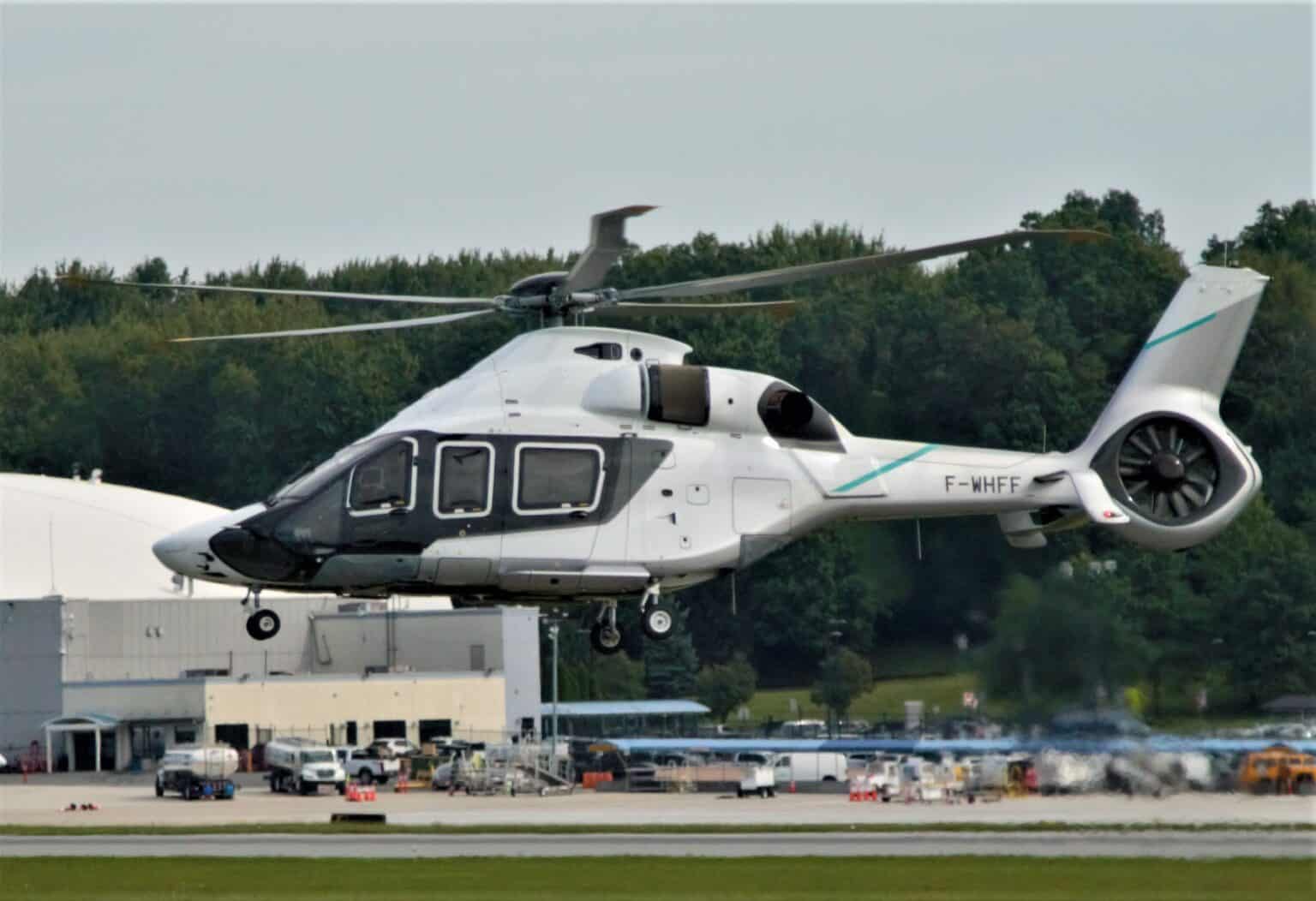
EASA has issued an emergency airworthiness directive for the Airbus Helicopters H160, ordering checks of the pilot and co-pilot jettisonable windows within 10 flight hours. Emergency AD 2026-0226-E was issued on November 25, 2026, and took effect on November 27.
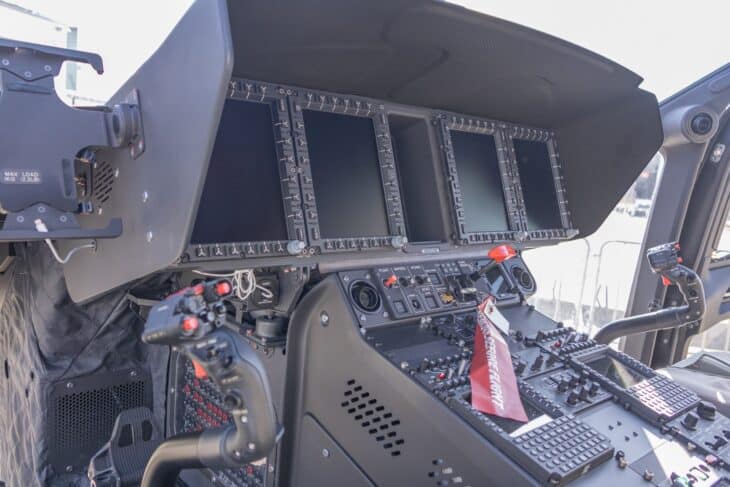
The agency says a window that is not properly locked can come loose and be lost in flight, possibly damaging the helicopter or injuring people on the ground. The directive covers every H160-B serial number.
What the assembly line found
According to the AD, the problem surfaced during a test on the assembly line after a cockpit window had been installed. The Direct Visual Indicator of the window’s jettison system was still showing its red warning flag.
EASA says the follow-up investigation confirmed that if the red flag is not fully turned off, the window can unlock and then be lost in flight. The directive does not say how many helicopters carry the affected windows, and it describes no in-service window loss.
Airbus Helicopters published Emergency Alert Service Bulletin H160-52-20-0005 on November 24, one day before the AD, with instructions for checking that the windows are installed correctly. EASA notes that its safety assessment called for immediate publication, so the AD skipped the usual consultation period.
What operators must do
The checks apply to helicopters fitted with one of four window part numbers, two for the pilot side and two for the co-pilot side. EASA calls these Group 1 helicopters.
| Position | Airbus Helicopters P/N | Manufacturer P/N |
|---|---|---|
| Pilot jettisonable window | U522A10T1006 | 045-14405-990 |
| Pilot jettisonable window | U522A1001101 | Not listed |
| Co-pilot jettisonable window | U522A20T1008 | 045-14402-990 |
| Co-pilot jettisonable window | U522A2001101 | Not listed |
Each affected window must be inspected within 10 flight hours of November 27, following the Airbus bulletin. Any discrepancy must be corrected before the next flight, which may mean contacting Airbus Helicopters for approved repair instructions.
An affected window can still be fitted to any H160-B, but only if it is inspected, and corrected where needed, at the time it is installed. The directive sets no repeat inspections.
The opposite of the earlier window problems
Jettisonable windows are emergency exits. EASA’s earlier directives describe them as a way for occupants to evacuate in an emergency, so the mechanism has to hold the window in place in normal flight and release it only on demand.
This is at least the seventh EASA directive on the H160’s jettisonable windows since 2024. The four earlier ones AeroCorner reviewed all dealt with the reverse risk: a window that might not jettison when occupants need to get out.
March 2024
AD 2024-0075. Replacement of a passenger jettisonable window mechanism, under a Mecaer Aviation Group service bulletin.
January 2025
AD 2025-0009. Locking fingers could take too much effort to move, so windows get repeat lubrication and jettison tests every 6 months. Superseded by AD 2026-0193 in October 2026.
July 2025
AD 2025-0161. Retaining rings missing from window hinge pins, some never installed in production.
December 2025
AD 2025-0269. Stiff locking fingers, missing rings and a loose handle latch cover on H160s with Mecaer’s VIP interior.
June 2026
AD 2026-0116. White particles on the jettison rope blocked a window from being released.
November 25, 2026
Emergency AD 2026-0226-E. Cockpit windows that may not be fully locked could detach in flight.
The new AD flips that concern. Instead of a window stuck in place, the worry is a window that lets go when nobody asked it to, and it carries a 10-hour deadline against the 100 or more flight hours, or several months, allowed for the earlier fixes.
US operators and the FAA
The H160 is a medium twin from Airbus‘s helicopter division, the company once known as Eurocopter. It entered US service in July 2024 with PHI Aviation, which Airbus said would fly an initial four for offshore transport in the Gulf of Mexico.

The FAA has issued its own versions of earlier H160 window rules, including the retaining-ring inspection, effective August 10, 2026. It proposed the rope-cleaning rule on October 13. No US version of the new emergency AD had appeared in the Federal Register by November 28, 2026.
The directive was reported on November 27 by AeroTime. It is the latest in a busy run of rotorcraft directives, after the FAA’s EC135 tail rotor blade rule earlier this month.
Sources and references used for research and fact-checking.
- EASA, Emergency Airworthiness Directive 2026-0226-E: Doors, Locking of the Cockpit Jettisonable Windows, Inspection (H160-B)
- EASA, AD 2026-0116: Emergency Exit Rope on the Jettisonable Window Systems, Cleaning (H160-B)
- EASA, AD 2025-0269: Jettisonable Window System Elements, Mecaer VIP Interior STC 10080809 (H160-B)
- EASA, AD 2025-0161: Jettisonable Window System Retaining Rings, Inspection (H160-B)
- EASA, AD 2025-0009: Jettisonable Window Mechanism, Lubrication / Operational Test (H160-B), superseded
- FAA (Federal Register), Airworthiness Directives; Airbus Helicopters (H160-B retaining rings), 2026-13540
- FAA (Federal Register), Airworthiness Directives; Airbus Helicopters (H160-B jettison rope NPRM), 2026-20885
- Airbus, Airbus H160 enters into service in the U.S. with PHI Aviation
Get the Newsletter
The latest aviation news and stories sent to your inbox.
About the Author

AeroCorner News is the aviation news desk of AeroCorner.com. It covers accidents and incidents, safety rulings, airline and airport disruption, and new aircraft. It works from primary sources such as the NTSB, FAA, EASA and the manufacturers' own announcements.