

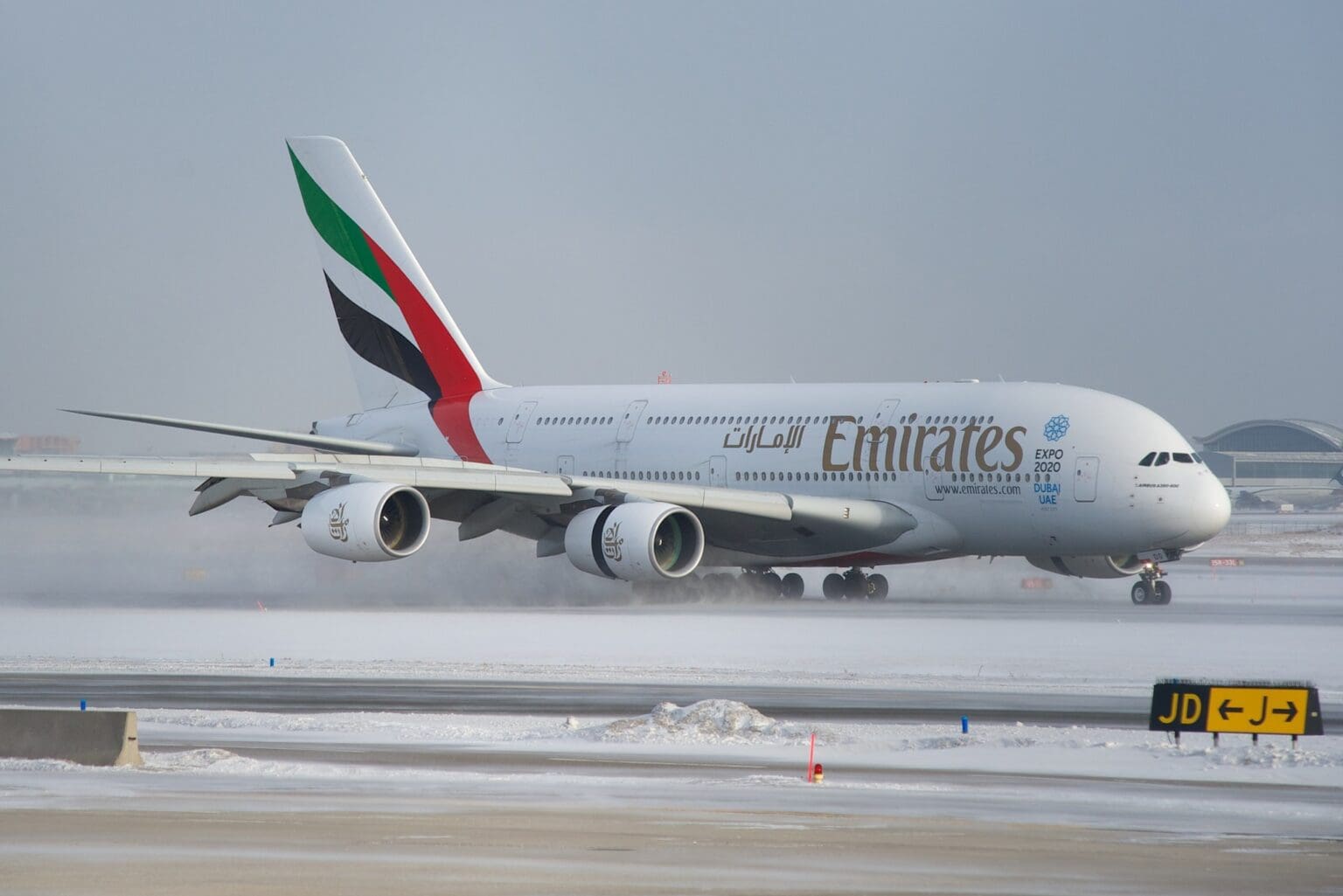
Eight more Airbus A380s, seven flown by Emirates and one by Etihad Airways, must have their wing mid spars inspected before January 31, 2027. The order comes from EASA airworthiness directive 2026-0216, issued on November 11, 2026, and in force since November 18.
The directive is not a fresh alarm. It replaces an emergency directive from June that covered 16 other A380s, and it widens that order because, in EASA’s words, it was determined that additional aircraft may be affected by the same potential unsafe condition.
What the new directive requires
EASA says the condition, if not found and fixed, “could reduce the structural integrity of the wing.” Its reasoning is brief: after an “unexpected level of findings” on one A380, Airbus identified a potential unsafe condition, and further analysis showed that additional serial numbers may be affected.
The eight newly added jets, which the directive calls Group 3, must be inspected under Airbus Alert Operators Transmission A57R030-26, dated November 6. If an inspection finds any discrepancy, the operator must get repair instructions from Airbus before the jet flies again.
The 16 aircraft from the June order keep their original deadlines: five had to be inspected before their next flight after June 24, and 11 within 25 flight cycles of that date. Results, including clean ones, now go to Airbus within 30 days, up from the 7 days the June order allowed.
Two rules reach the whole fleet. Any A380 returning from more than 12 months in storage must have its mid spars inspected under the new Airbus instructions first, and every inspected jet must be checked again within 36 months of returning to service, and no later than 42 months after the previous inspection began.
EASA calls the directive an interim action and says further action may follow. Because it was published as a final rule with a request for comments, the public consultation runs afterward, until December 9.
Which aircraft are affected
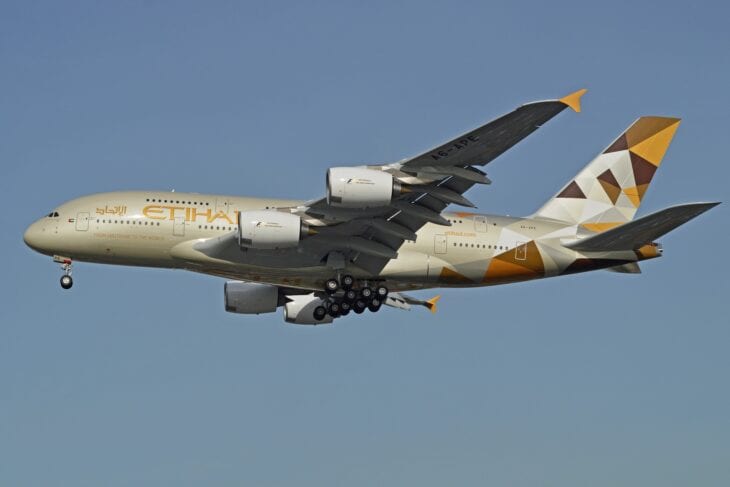
The directive lists the jets only by manufacturer serial number (MSN). AeroCorner matched the eight to their registrations using public fleet databases, which put seven at Emirates and one at Etihad, the same split AeroTime reported on November 26.

| MSN | Registration | Operator |
|---|---|---|
| 57 | A6-EDO | Emirates |
| 77 | A6-EDP | Emirates |
| 103 | A6-EDW | Emirates |
| 191 | A6-APE | Etihad Airways |
| 226 | A6-EUN | Emirates |
| 229 | A6-EUQ | Emirates |
| 240 | A6-EUW | Emirates |
| 241 | A6-EUX | Emirates |
Together with the 16 jets from June, the directive now names 24 A380s for a specific inspection. The June group was 15 Emirates aircraft and one Qantas jet, The National reported at the time.
The concentration at Emirates follows from its fleet. The Dubai carrier flies more than half of the world’s active A380s, as AeroCorner’s look at the airlines still flying the A380 shows.
How the spar problem built up
A spar is one of the long beams that run the length of a wing and carry its bending loads. EASA’s December 2025 directive lists the parts at issue on the Airbus A380 as stretches of the front and rear spars: the mid rear spar between ribs 17 and 33, and the inner and outer mid front spar between ribs 14 and 38.
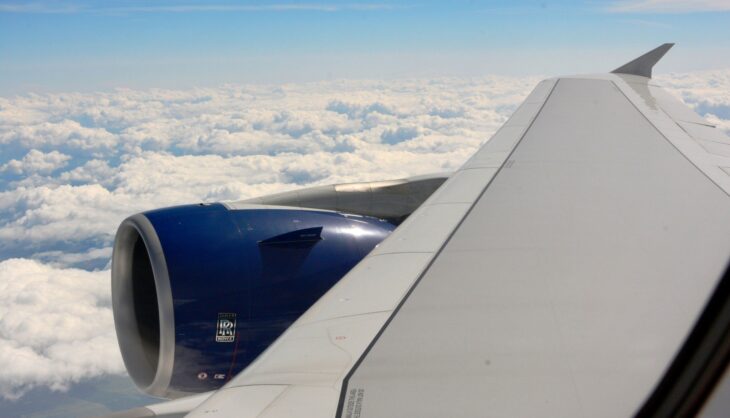

That December directive, AD 2025-0280, followed reports of cracks in the wing middle spars of several A380s. It ordered repeat inspections on every A380, due before a jet returns from more than a year in storage or within 39 months.
Those inspections turned up cracks that EASA judged could weaken the wing, which led to the June emergency order. Under it, Emirates said it would “comply and carry out the inspections,” and Airbus said it would assess with EASA whether repairs were needed, according to The National.
The issue is older than the directives. In July 2023, Reuters reported accelerated cracking in wing spars of A380s stored during the pandemic, with Emirates estimating about 60 days of ground time per jet for inspection and repair.
What it means for travelers and other operators
For the eight newly listed jets, the deadline is about two months away, and the directive does not ground them in the meantime. AeroTime’s report carried no statement from Emirates or Etihad on the new order.
The storage rule matters beyond the 24 named jets. Any A380 that comes back from more than a year of parking now needs a mid spar inspection under the latest Airbus instructions before it returns to service.
The spar checks are separate from other A380 maintenance actions this year, such as the GP7200 turbine seal directive the FAA issued in October. As of November 26, the Federal Register shows no FAA directive matching EASA’s spar orders.
Sources and references used for research and fact-checking.
Get the Newsletter
The latest aviation news and stories sent to your inbox.
About the Author
AeroCorner News is the aviation news desk of AeroCorner.com. It covers accidents and incidents, safety rulings, airline and airport disruption, and new aircraft. It works from primary sources such as the NTSB, FAA, EASA and the manufacturers' own announcements.