

On July 28, 2026, Boeing is due to report its second-quarter 2026 financial results before the US market opens. Chief Executive Kelly Ortberg and Chief Financial Officer Jay Malave are scheduled to discuss the numbers on a conference call starting at 10:30 a.m. Eastern.
The report closes a quarter in which the planemaker handed over 171 commercial jets, according to delivery data Boeing published on July 14. That figure is the operational backbone of any earnings recovery story, because deliveries are when the cash actually arrives.
A stronger delivery quarter
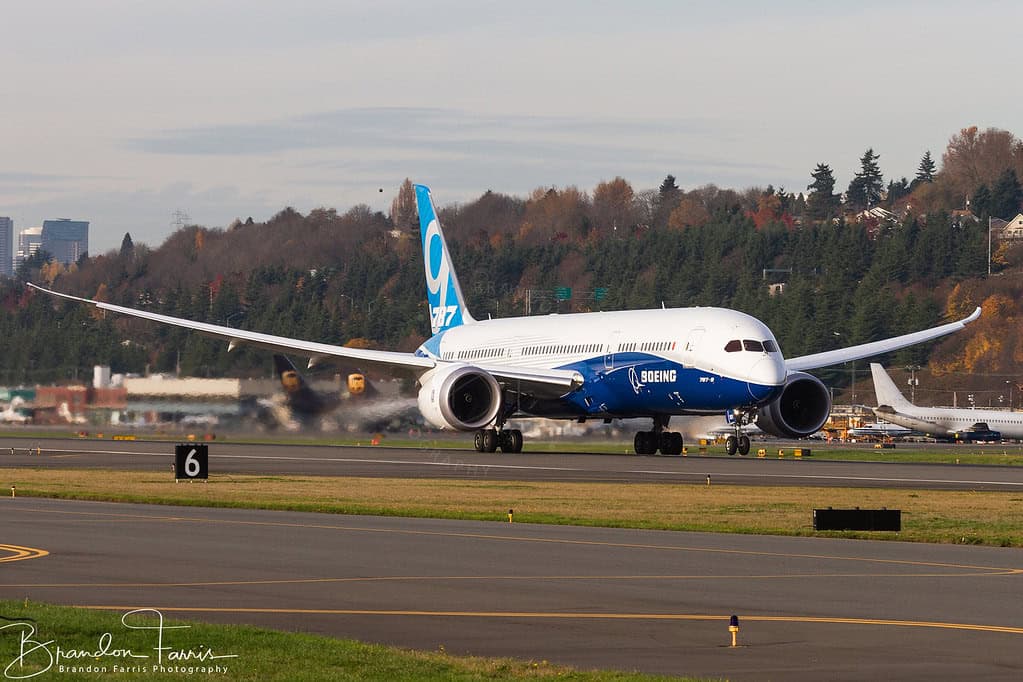
Boeing said its second-quarter commercial deliveries broke down into 129 737s, 10 767s, seven 777s and 25 787 Dreamliners. The company also delivered 35 aircraft from its defense unit over the same period.
Those handovers brought Boeing’s first-half commercial total to 314 jets, one of its stronger opening halves since before the 737 MAX crisis. Delivery volume matters more than almost any other operating metric for the company right now.
Airframers collect the bulk of a jet’s price when the customer takes the keys, not when the order is signed. So a rising delivery count is the clearest signal of whether Boeing is converting its large backlog into the cash it needs to service its debt.
The 737 remains the engine of that volume. The FAA capped MAX production at 42 aircraft a month after the January 2024 door-plug blowout on an Alaska Airlines jet, and lifting output toward and beyond that ceiling is central to Boeing’s cash-flow plan.
What Wall Street is watching
Analysts polled ahead of the release expected Boeing to post a narrower loss than the same quarter a year earlier, on revenue in the neighborhood of $24 billion. The company has not turned a full-year profit since 2018, so the market is watching the trend more than any single line.
Two questions frame the quarter. The first is cash: Ortberg has pointed to a target of positive free cash flow for 2026, and every extra delivery pushes toward it against a debt load that has sat above $45 billion.
The second is the 787. Supply-chain bottlenecks on the widebody have repeatedly capped how many Dreamliners Boeing can finish, and the pace of that program is a recurring drag on the recovery.
The results also arrive weeks after the FAA agreed to let Boeing resume certifying its own jets as airworthy, a milestone the company has framed as evidence its quality systems are back on track. Even so, Boeing was again outdelivered by Airbus across the first half, a reminder of the gap it is still trying to close.
What is confirmed, and what is not
The delivery figures here come from Boeing’s own July 14 report and are final. The revenue, loss and cash-flow expectations are analyst estimates gathered before the release; the actual reported results publish today and may differ. Treat the financial figures as provisional until Boeing’s statement is out.
Sources and references used for research and fact-checking.
Get the Newsletter
The latest aviation news and stories sent to your inbox.
About the Author

Tim is the owner and lead editor of AeroCorner since 2019, overseeing aviation content covering aircraft, airlines, airports, and the broader aviation industry. Through years of researching, writing, editing, and publishing aviation-focused content, he has developed extensive practical knowledge of commercial aviation and air travel. Based in Asia and a frequent traveler himself, Tim also brings firsthand passenger experience to AeroCorner’s coverage. Outside of publishing, he has also explored aviation firsthand through hands-on flight training in New Zealand.