

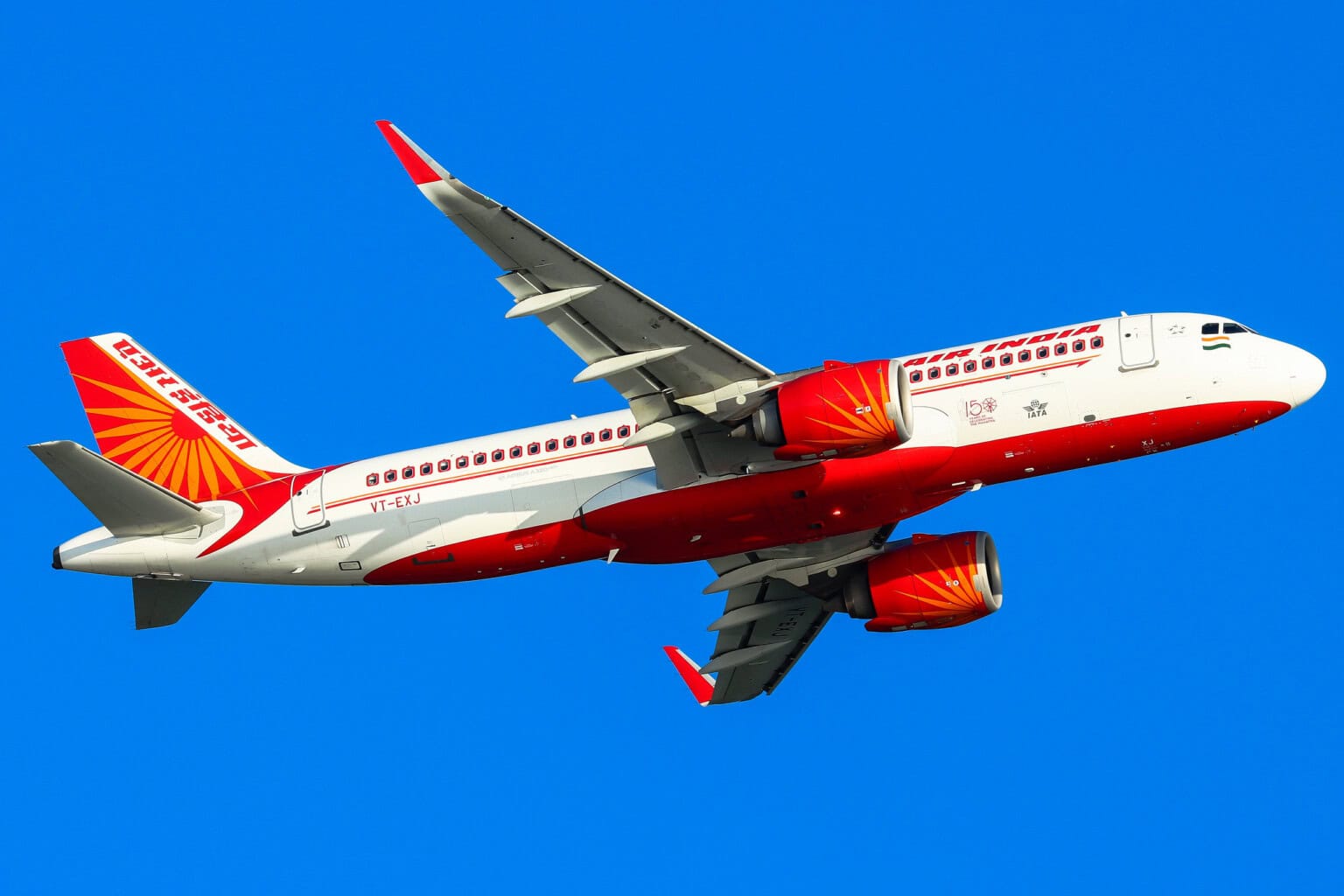
On August 9, 2026, reports emerged that the captain of Air India flight AI2379, the Phuket-Delhi service that dropped roughly 300 feet in severe turbulence on August 4, tested positive on a preliminary psychoactive substance screening. Both pilots remain grounded while a confirmatory test result is pending.
A routine test after a reportable incident
India’s civil aviation regulator, the DGCA, requires psychoactive substance testing for flight crew after any reportable safety occurrence, not just as routine random screening. That is why both pilots on the turbulence-hit AI2379 flight were tested once it landed, regardless of any suspicion of impairment.
The pilot-in-command’s initial sample came back positive, according to The Hans India, which cited a Civil Aviation Ministry statement that “further action will be based on the investigation findings and confirmatory test results.” Some outlets have reported the substance as marijuana, but neither Air India nor the DGCA has confirmed that detail.
Air India said it has not yet received the results itself. “The results of the test have not been shared with Air India, and we are, therefore, not in a position to comment on any findings,” the airline said, according to IBTimes.
Unconfirmed
The preliminary result requires confirmatory lab testing before it counts as a positive finding under DGCA rules. Neither the substance nor the final outcome has been officially confirmed.
India’s three-strike testing rule
India has required psychoactive substance testing for flight crew and air traffic controllers since a DGCA rule took effect in January 2022. It mandates random annual screening of at least 10% of personnel, pre-employment testing, and testing after incidents like AI2379’s.
A first positive result triggers immediate removal from duty and referral to a de-addiction center; the pilot can return only after a negative retest. A second positive brings a three-year license suspension, and a third results in outright license cancellation.
The rule also lets crew self-declare substance use before a test catches it, sending them into rehabilitation with results reported to regulators every six months rather than straight into the penalty track. The tiered system was designed to separate a one-time lapse from a pattern serious enough to justify pulling a license outright.
Not the first enforcement action this year
The FAA proposed a $255,000 penalty against United Airlines in July over gaps in its own drug and alcohol testing program, a reminder that testing compliance is a live regulatory issue well beyond India.
The original incident is still being investigated separately. AI2379, an Airbus A320neo, lost about 300 feet of altitude at cruise over Odisha on August 4 when the autopilot disengaged, injuring 17 of the 137 people aboard. India’s Aircraft Accident Investigation Bureau has not yet determined a cause, and investigators are separately examining the crew’s decision to continue to Delhi rather than divert.
Whatever the confirmatory test shows, the drug-screening finding and the flight’s technical cause are being investigated on separate tracks. A positive test does not by itself establish that impairment caused the altitude excursion, and DGCA has not linked the two.
Sources and references used for research and fact-checking.
Get the Newsletter
The latest aviation news and stories sent to your inbox.
About the Author
Tim is the owner and lead editor of AeroCorner since 2019, overseeing aviation content covering aircraft, airlines, airports, and the broader aviation industry. Through years of researching, writing, editing, and publishing aviation-focused content, he has developed extensive practical knowledge of commercial aviation and air travel. Based in Asia and a frequent traveler himself, Tim also brings firsthand passenger experience to AeroCorner’s coverage. Outside of publishing, he has also explored aviation firsthand through hands-on flight training in New Zealand.