

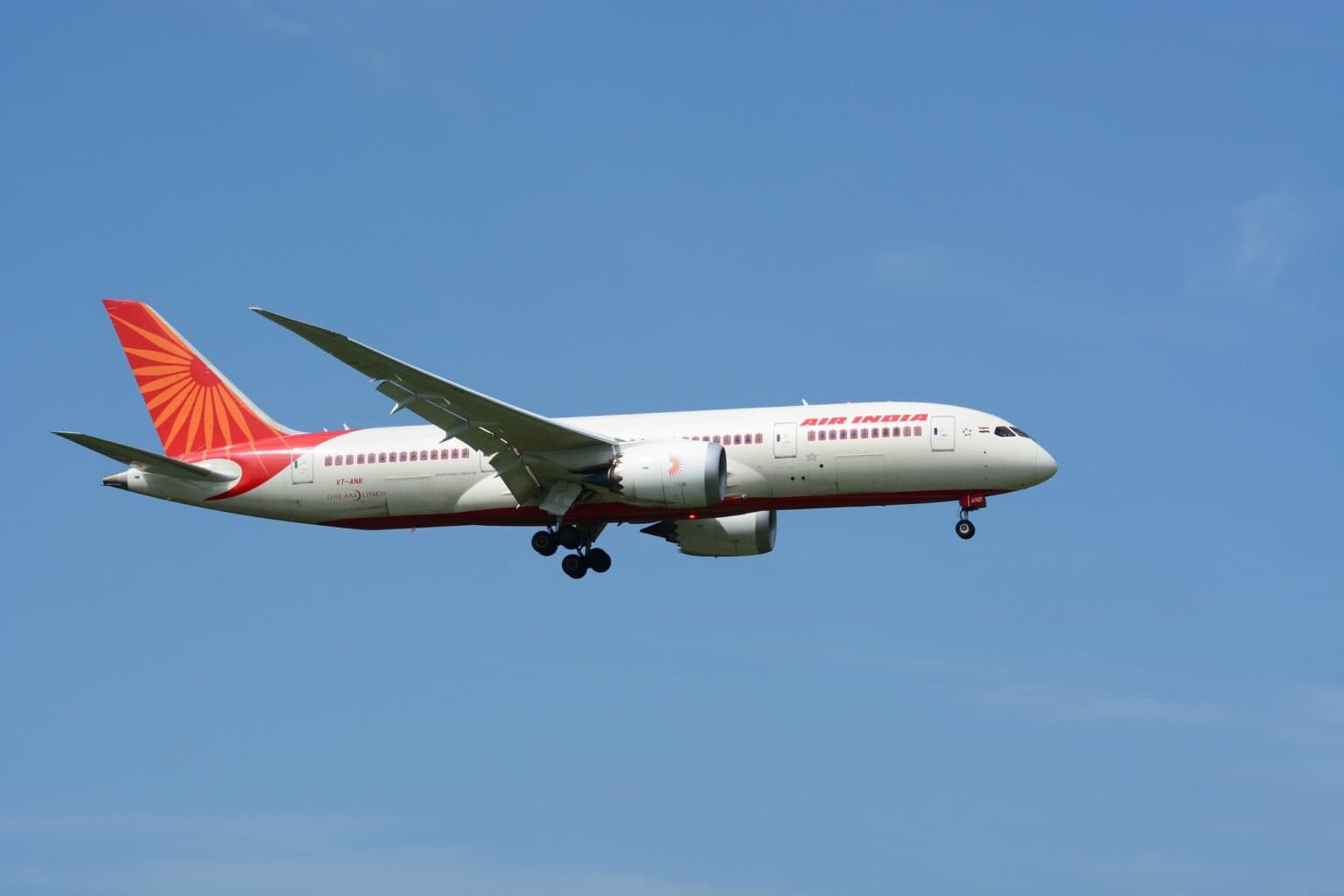
India’s government told the Supreme Court on November 18, 2026, that the investigation into the Air India AI171 crash is at the “fag end” and asked for two to three more weeks. The October target the court was given in July has passed without a final report.
The Boeing 787-8, registered VT-ANB, crashed into a medical college hostel in Ahmedabad seconds after takeoff for London Gatwick on June 12, 2025. It killed 241 of the 242 people on board and 19 people on the ground.
What was said in court
Solicitor General Tushar Mehta, appearing for the government and India’s Directorate General of Civil Aviation (DGCA), asked the court to adjourn the case for two to three weeks, Reuters reported. He said the probe had to follow global protocols: “There is no reason why we should delay deliberately.”
Accounts differ slightly on what the window covers. CNBC-TV18 reported it as the time needed to finalize the draft final report of the Aircraft Accident Investigation Bureau (AAIB), while The Hindu described it as more time for the report’s publication.
Lawyers for the petitioners pushed back. According to The Hindu, advocates Prashant Bhushan and Pranav Sachdeva, for the nonprofit Safety Matters Foundation, said the authorities had repeatedly sought adjournments, and Bhushan noted the probe has now run for a year and a half.
The pleas ask for an independent, court-monitored inquiry. One is from Pushkar Raj Sabharwal, the 91-year-old father of Captain Sumeet Sabharwal, who commanded the flight, filed together with the Federation of Indian Pilots.
The reports on Wednesday’s hearing did not give a date for the next listing.
A deadline that kept moving
At a hearing on July 28, Mehta told a bench led by Chief Justice Surya Kant that the final report was expected by mid-September, or by the end of October at the latest, LiveLaw reported. He said it would reach the court in a sealed cover and that more than four simulator tests had been run.

The court chose then to wait for the AAIB’s findings before ruling on a separate court of inquiry. Justice Joymalya Bagchi said the bench had postponed that decision, not rejected it, and remarked that the AAIB should have issued an interim report by then.
June 12, 2025
AI171 crashes in Ahmedabad. The 787-8 loses thrust seconds after liftoff; 260 people die.
July 2025
Preliminary report. The AAIB finds both fuel control switches moved from RUN to CUTOFF just after takeoff, without saying why.
November 7, 2025
Supreme Court takes up the father’s plea. Justice Surya Kant says nobody can blame his son.
July 28, 2026
October target. The government says the final report will come by mid-September, end of October at the latest, in a sealed cover.
November 18, 2026
Two to three more weeks. With October past, the government asks for more time and calls the probe at its “fag end.”
What the preliminary report found, and what it left open
The AAIB’s preliminary report found that the jet reached 180 knots about three seconds after liftoff. Immediately after, both engines’ fuel control switches moved from RUN to CUTOFF, one second apart.
On the cockpit voice recording, one pilot asks the other why he cut off the fuel, and the other replies that he did not. The report does not say which pilot said what, and notes that the first officer was flying while the captain monitored.
Both switches were back in RUN about 10 to 14 seconds later. The left engine began to recover and the right engine relit but could not regain speed.
A mayday call came at 08:09:05 UTC, and the flight recorder data ends six seconds later.
The report also noted a 2018 FAA advisory bulletin, prompted by 737 operators, about fuel control switches installed with their locking feature disengaged; the 787’s switch design is similar. Air India told investigators it had not done the suggested inspections because the bulletin was advisory, and the report found no switch defect logged on VT-ANB since 2023.
The petitioners dispute parts of that picture, and in July their counsel told the court that a US law firm’s simulations showed the ram air turbine deploying while the jet was still on the ground, according to LiveLaw. The preliminary report says airport CCTV showed it deploying during the initial climb.
Why a draft is not the end of it
Under the international rules India follows, a draft final report is not the public document. It goes first to the countries that took part in the investigation for comment, and only then is it finalized and published, as the AAIB itself told the court in July, according to Reuters.
For AI171 those include the United States, represented by the NTSB with advisers from Boeing, GE and the FAA, and the UK’s Air Accidents Investigation Branch. So even if the draft is done in three weeks, the public may wait longer to read the cause.
The court’s choice will follow that report. In July, Justice Bagchi said whether an independent inquiry is needed would depend on whether the AAIB’s findings are “well merited and accepted.”
The AAIB has closed other Indian cases this year, including its final report on a Goa runway incursion, but AI171 is the report the families, the pilots and the court are waiting on.
Sources and references used for research and fact-checking.
Get the Newsletter
The latest aviation news and stories sent to your inbox.
About the Author

AeroCorner News is the aviation news desk of AeroCorner.com. It covers accidents and incidents, safety rulings, airline and airport disruption, and new aircraft. It works from primary sources such as the NTSB, FAA, EASA and the manufacturers' own announcements.