

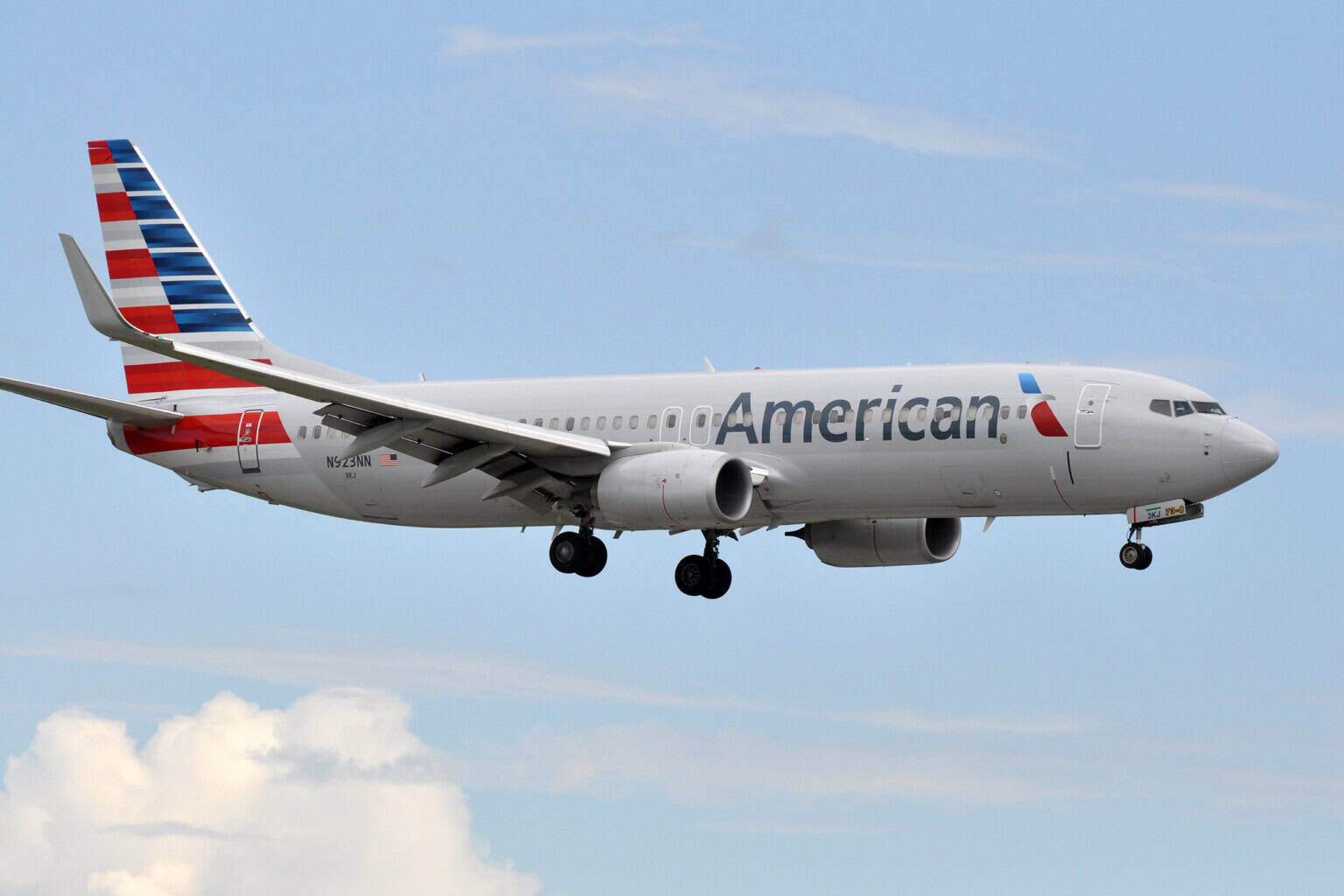
In the early hours of Friday, August 14, 2026, American Airlines flight AA1009 turned back to Los Angeles International Airport less than an hour after taking off for Chicago. The Boeing 737-800, registered N842NN, was climbing toward its cruising altitude when the flight crew declared an emergency and reversed course.
What happened
AA1009 left LAX’s runway 25R just after midnight, about an hour behind schedule, according to flight-tracking site airlive.net. About 30 minutes later, as the jet leveled off near 31,000 feet east of San Bernardino, the crew turned around and headed back to Los Angeles.
The aircraft landed safely on runway 25L about 45 minutes after departure, according to KTLA, with airport rescue and firefighting vehicles standing by, a standard precaution whenever a crew declares an emergency.
No injuries were reported among the passengers and crew. American Airlines rebooked travelers onto a later flight to Chicago while the aircraft was pulled aside for inspection.
American Airlines told ABC7 that a cockpit indicator light had signaled the plane might not be able to detect hazardous weather ahead, prompting the pilots to turn back rather than continue toward Chicago. Neither the airline nor the FAA has released a formal statement naming the specific fault.
What's confirmed so far
American Airlines’ account of a weather radar warning light is the only explanation offered publicly. Neither the airline nor the FAA has said whether the radar itself failed or a related sensor triggered a false alert.
Why a radar warning sends a jet back instead of onward
Airliners carry a nose-mounted weather radar that bounces signals off rain and hail to paint storms on the pilots’ displays, letting them route around the worst cells instead of flying into them. Losing that picture matters most in the kind of thunderstorm-prone airspace AA1009 was headed toward, explained in more detail in AeroCorner’s guide to how diversion decisions get made.
A known radar fault found on the ground can sometimes be flown under an airline’s minimum equipment list, the rulebook that spells out which broken parts still allow a flight to depart, often with route or altitude limits attached. A fault that surfaces after takeoff is a different problem: with no dispatcher-approved workaround already in hand, turning back to a familiar airport is the standard, conservative response.
Declaring an emergency does not necessarily mean something catastrophic is unfolding. It gives a crew priority handling from air traffic control and airport equipment standing by, tools pilots are trained to use for problems ranging from a genuine mechanical failure to an instrument reading they can no longer trust mid-flight.
The 737-800 involved remained out of service at Los Angeles International Airport for inspection after the return.
Get the Newsletter
The latest aviation news and stories sent to your inbox.
About the Author

Tim is the owner and lead editor of AeroCorner since 2019, overseeing aviation content covering aircraft, airlines, airports, and the broader aviation industry. Through years of researching, writing, editing, and publishing aviation-focused content, he has developed extensive practical knowledge of commercial aviation and air travel. Based in Asia and a frequent traveler himself, Tim also brings firsthand passenger experience to AeroCorner’s coverage. Outside of publishing, he has also explored aviation firsthand through hands-on flight training in New Zealand.