Military Propellor Planes
Shaping British aviation from early bombers to jet icons

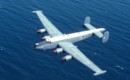
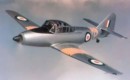
AeroCorner features profiles for 5 Avro aircraft. This includes 3 Military Propellor Planes, 1 Military Aircraft, and 1 Military Trainer. Each profile includes performance data, photo galleries, dimensions, and operational history.
A.V. Roe and Company, better known as Avro, was one of Britain’s most influential aircraft manufacturers during the first half of the 20th century. The company is best known for iconic aircraft such as the Avro 504 trainer, the Lancaster heavy bomber, and the Vulcan delta-wing strategic bomber. Avro played a central role in British aviation, contributing to civilian air travel, military innovation, and major wartime production efforts.

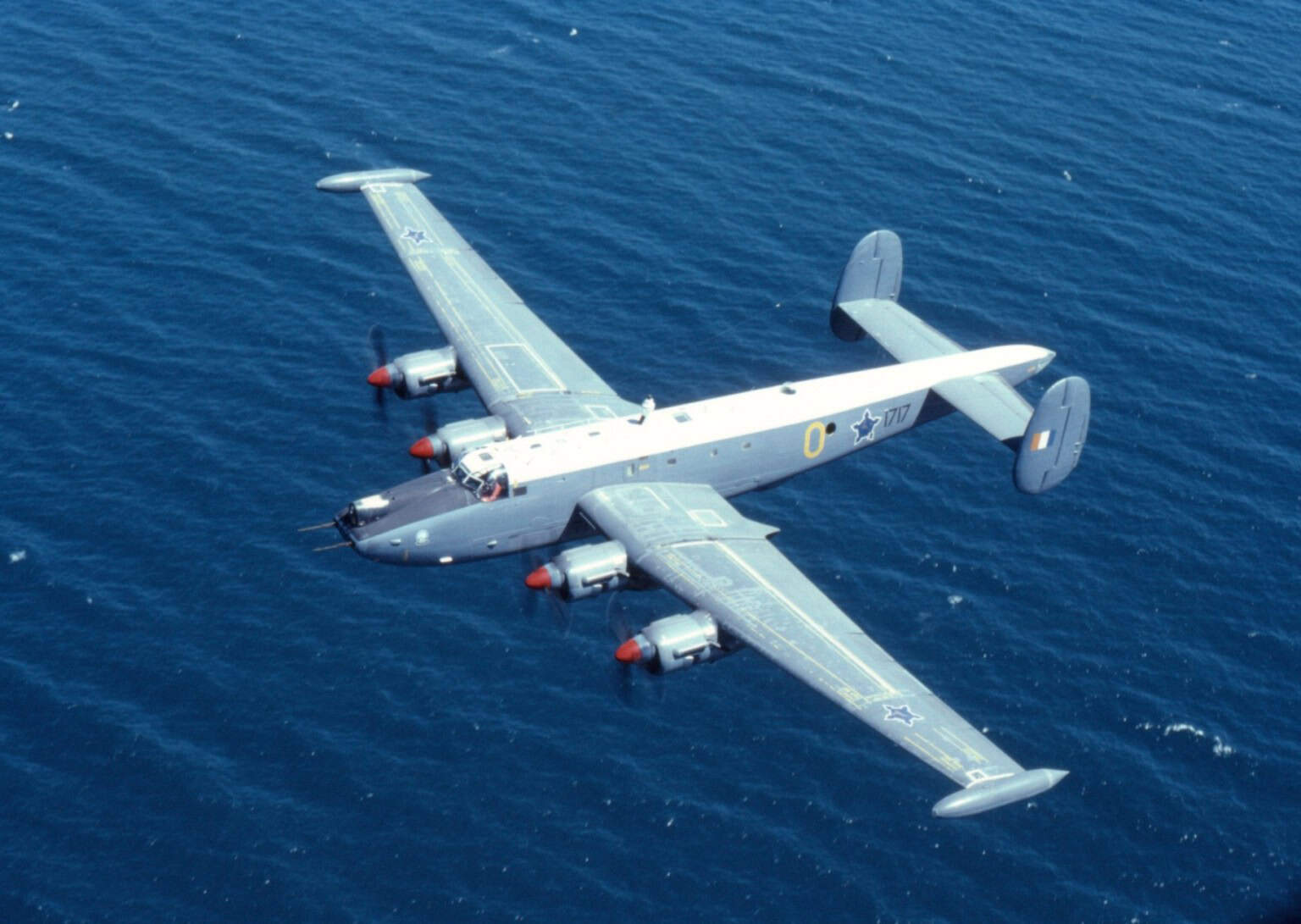
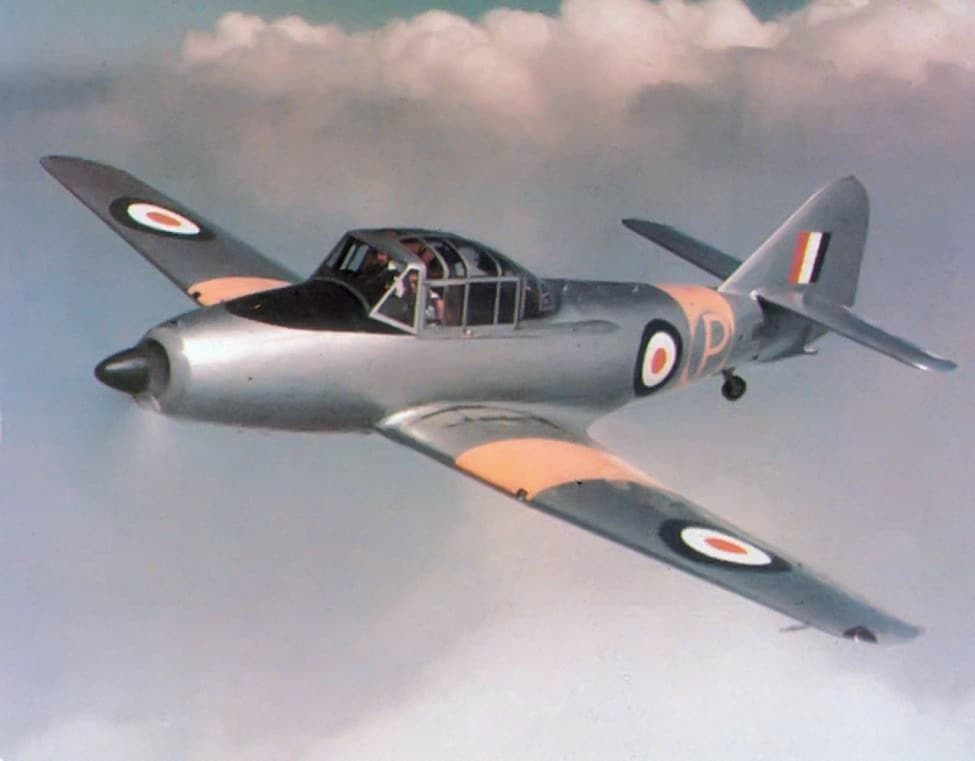
Avro was founded in 1910 by Alliott Verdon Roe and his brother Humphrey in Manchester, England. It became the first British firm to mass-produce aircraft, beginning with early biplane trainers. During World War I, Avro achieved major success with the Avro 504, one of the most widely used trainers of the era. Through the 1920s and 1930s, the company grew into a significant military contractor, later playing an essential role in both World Wars.
Avro became part of Hawker Siddeley in 1935, and later integrated into British Aerospace (BAe) and eventually BAE Systems. While the Avro brand ceased as an independent manufacturer, its legacy continued with Cold War aircraft projects and the development of the Avro RJ/BAe 146 regional jet family. Certain “Avro” branding was revived for regional jet variants into the modern era.
Avro was headquartered in Manchester, England, with major factories at Woodford, Chadderton, and Yeadon. These became some of Britain’s most important aircraft production sites during both world wars.
Key production facilities included:
These sites produced thousands of military aircraft throughout the 20th century.
Avro also produced:
At its wartime peak, Avro employed tens of thousands of workers across its manufacturing plants, making it one of Britain’s largest aviation employers.
Introduced in 1913, the Avro 504 became the standard Allied training aircraft during WWI, with over 8,900 units built. It trained nearly every British and Commonwealth pilot of the era and remained in service well into the 1930s. Its success helped establish Avro as Britain’s premier aircraft producer before WWII.
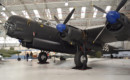
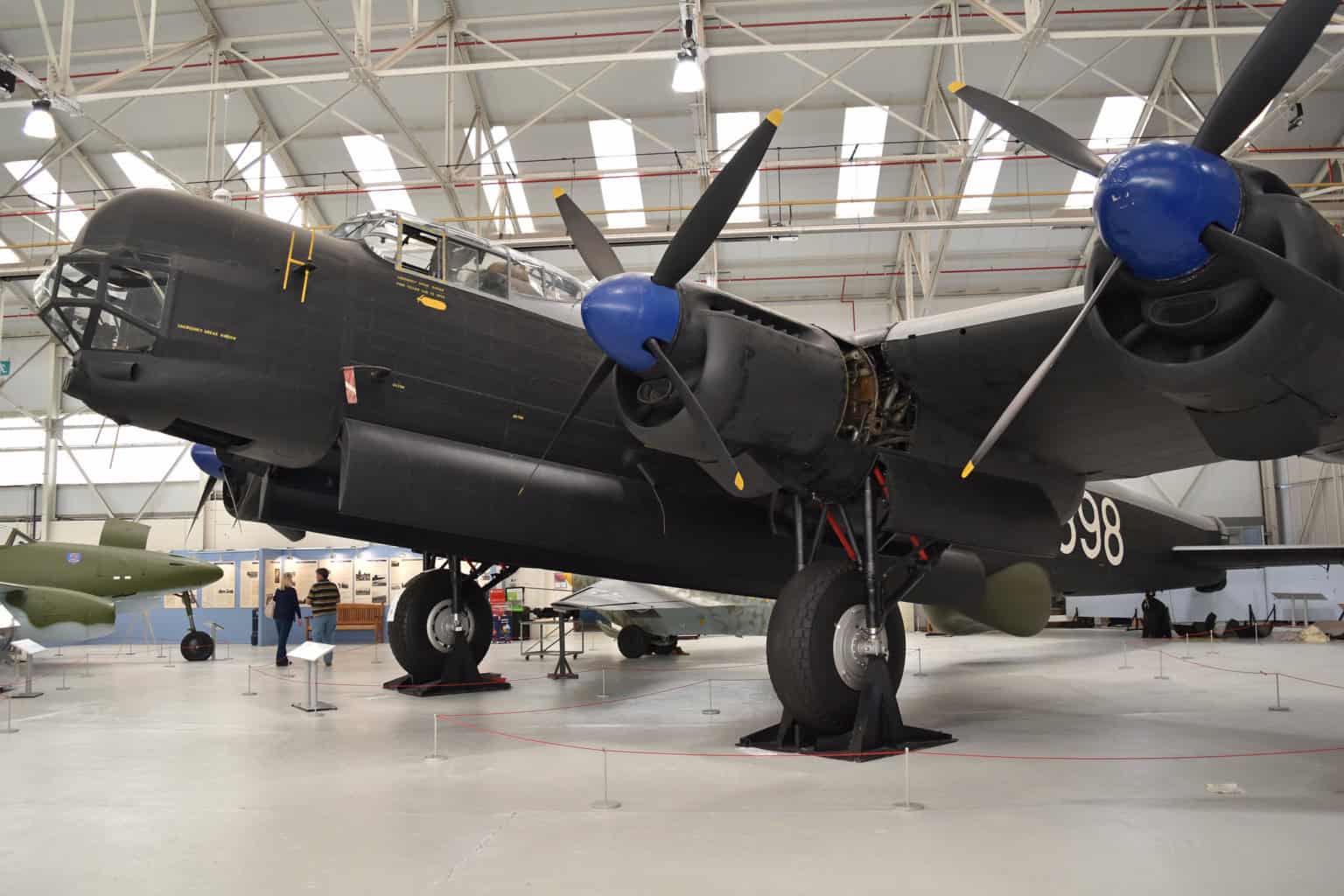
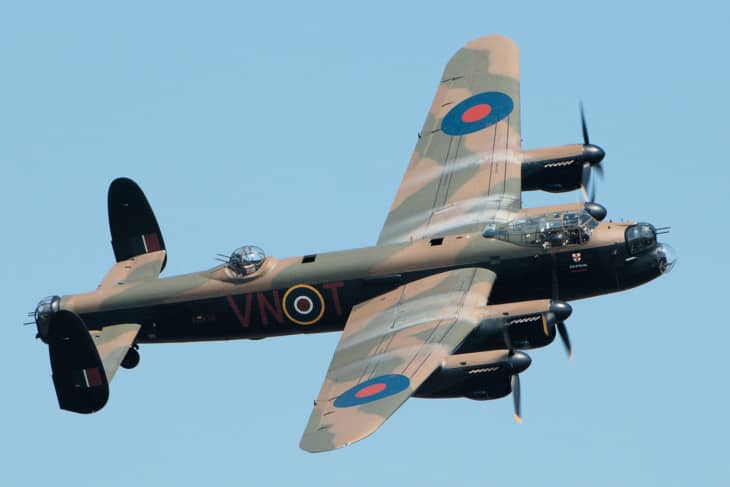
The Avro Lancaster, introduced in 1942, became one of the most important British bombers of WWII. It excelled in payload, range, and reliability, carrying out famous missions such as the “Dambusters” raid. More than 7,300 Lancasters were built, and the aircraft cemented Avro’s reputation for robust military design.

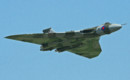
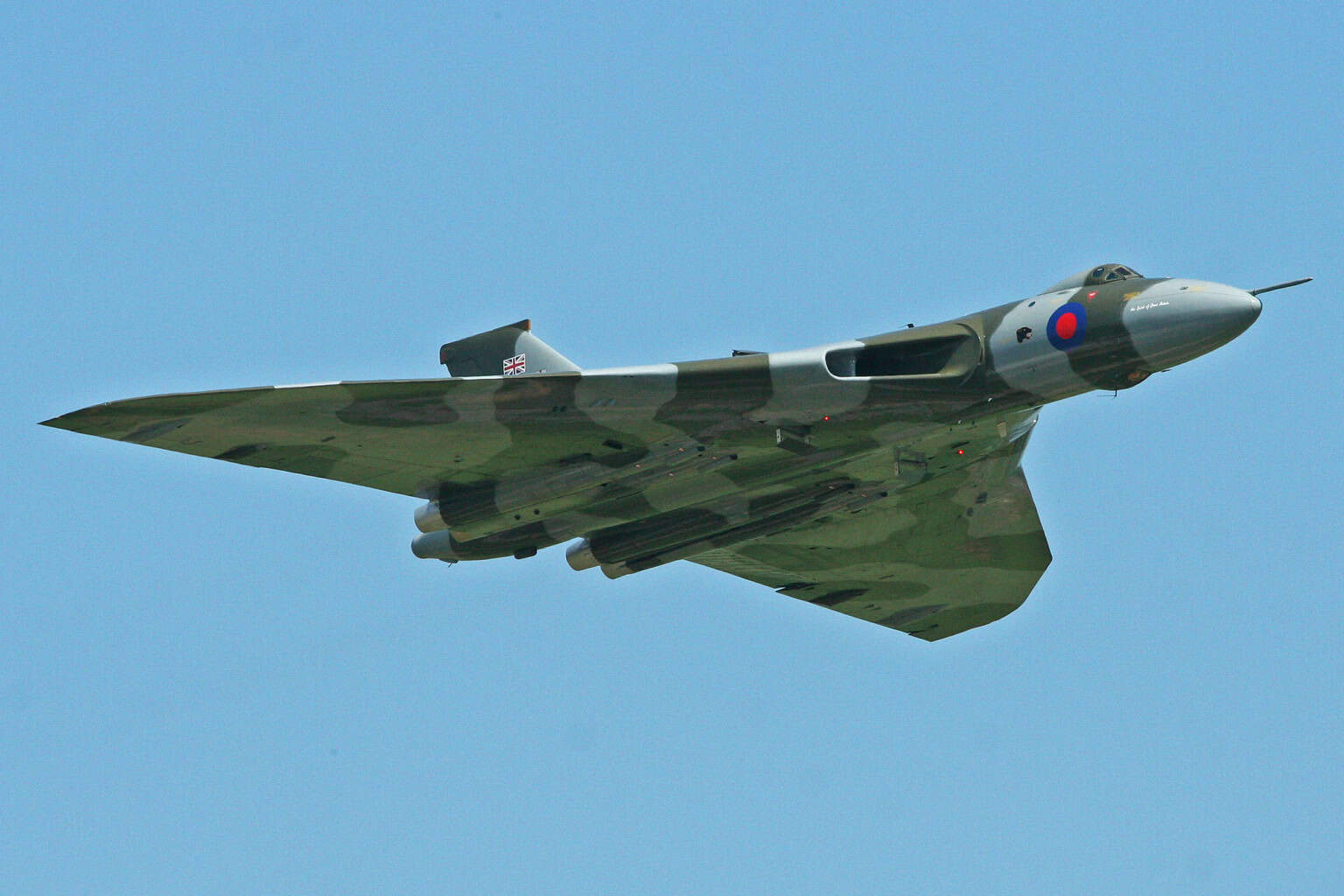
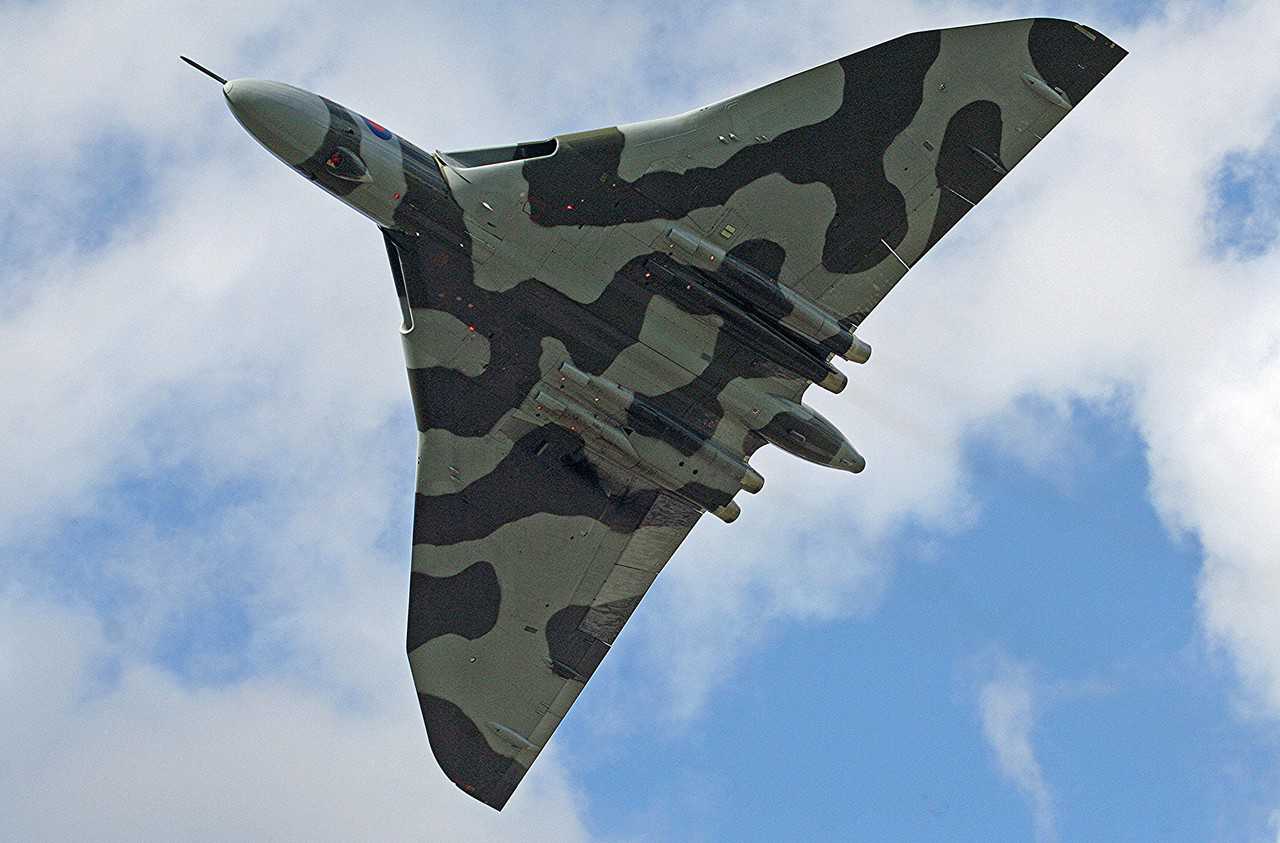
The Avro Vulcan, entering service in 1956, was a groundbreaking delta-wing strategic bomber built for Britain’s nuclear deterrent during the Cold War. Its design pushed aerodynamic boundaries, showcasing Avro’s innovative capabilities. The Vulcan became an icon of Britain’s V-Bomber force and remained in service until 1984.
Avro’s merger into the Hawker Siddeley Group allowed it to access larger resources and participate in national defense projects. Although the Avro name continued on aircraft, the company operated under the umbrella of a major British aviation conglomerate.
In the 1980s–1990s, the Avro name was revived for the Avro RJ variants of the BAe 146 regional jet, known for their short-field capability and quiet operations. These jets became popular in city-center airports such as London City Airport, giving the Avro brand a modern civilian legacy.