



Table of Contents
| Measure | Su-27 Flanker | MiG-29 Fulcrum (baseline) |
|---|---|---|
| Design brief | Heavy fighter from the TPFI program | Lightweight, relatively short-range tactical fighter from the PFI program |
| First flight, service | May 20, 1977 (T-10 prototype); deliveries from June 1985 | October 6, 1977; introduced August 1983 |
| Radar | N001 Myech pulse-Doppler, look-down/shoot-down, track-while-scan | N019 Sapfir-29 pulse-Doppler, look-down/shoot-down |
| Helmet sight | Not covered in the sources used | Shchel-3UM helmet-mounted display |
| Cannon | One 30 mm GSh-30-1, starboard wing root | One 30 mm GSh-30-1 |
| Air-to-air missiles | R-73 and R-27 (R-77 on the SM upgrades) | R-73 and R-27 typical |
| Hardpoints | 10 | 7 (6 underwing, 1 fuselage) |
| Combat record against each other | Two confirmed kills over Eritrean MiG-29s, February 1999 | Two confirmed losses to Ethiopian Su-27s, February 1999 |
| Number built | About 680 | More than 1,600, produced from 1981 to 2019 |
Su-27 vs MiG-29: two answers to the same American fighters
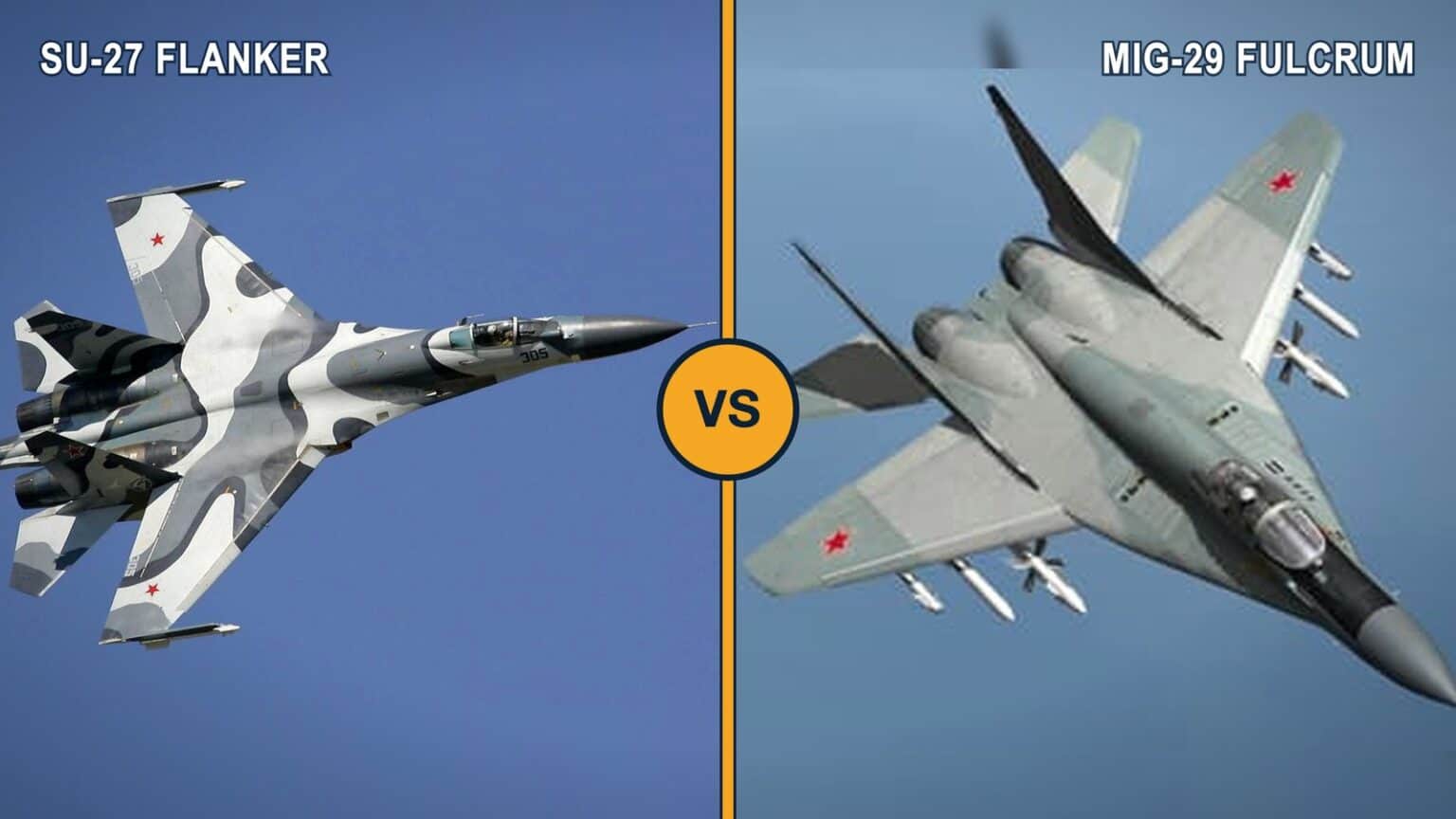
The Sukhoi Su-27 and the Mikoyan MiG-29 came from the same Soviet program. Moscow ran two fighter programs at once, one for a lightweight fighter (PFI) and one for a heavy one (TPFI).
The Su-27 was the heavy one. The MiG-29 was the lightweight, a relatively short-range tactical fighter. Their prototypes flew within five months of each other in 1977, the T-10 on May 20 and the MiG-29 on October 6.
The Su-27 reached its first front-line unit, the 831st Fighter Aviation Regiment, in November 1985. Production of the MiG-29 had begun in 1981, and the type was introduced in August 1983.
The two look related because they are. The Su-27 is aerodynamically similar to the MiG-29 but substantially larger, with a pair of engines spaced far apart and twin tails.
Which jet is in the database table above?
The comparison table at the top of this page uses our MiG-29M/M2 record, the later multirole version, which carries the whole Fulcrum family’s build data. This article compares the original Su-27 with the original MiG-29 (9.12), so the two figures can differ. Where a number below is for the baseline MiG-29, it says so.
Where the Su-27 wins
Range and endurance
This is the biggest gap. The Su-27 is rated at 2,190 miles (3,530 km). The baseline MiG-29 manages 890 miles (1,430 km) on maximum internal fuel.
The MiG-29’s ferry range reaches 930 miles (1,500 km) clean and 1,300 miles (2,100 km) with external tanks. That keeps it close to home, which is what it was built for.
Germany reached the same conclusion. Its Luftwaffe judged the MiG-29 best suited to point defense over cities and installations rather than fighter sweeps, and kept its jets out of the 1999 Kosovo campaign.

Size, thrust and weapons load
The Su-27 is 71 ft 10 in (21.90 m) long with a 48 ft 3 in (14.70 m) wingspan. The baseline MiG-29 is 56 ft 10 in (17.32 m) long with a 37 ft 3 in (11.36 m) wingspan.
Empty, the Su-27 weighs 36,112 lb (16,380 kg). The baseline MiG-29 weighs 24,251 lb (11,000 kg), about a third less.
The Su-27’s two Saturn AL-31F engines make 27,560 lbf (123 kN) each with afterburner. The MiG-29’s two Klimov RD-33s make 18,340 lbf (81.6 kN) each.
That extra size buys stores. The Su-27 has 10 hardpoints, the MiG-29 seven, and the MiG-29 carries up to 8,800 lb (4,000 kg) of weapons.
Fly-by-wire and the Cobra
The Su-27 had the Soviet Union’s first operational fly-by-wire flight control system. The Cobra, shown at airshows, has a Su-27 briefly holding level flight at a 120 degree angle of attack.
It shows how controllable the big jet is at very low speed.

Where the MiG-29 wins
On paper the smaller jet matches or beats the big one in several places. Its published top speed is Mach 2.25, or 1,520 mph (2,450 km/h), against Mach 2.35 and 1,554 mph (2,500 km/h) for the Su-27, so the gap is small.
It climbs faster, at 65,000 ft/min (330 m/s) against 59,000 ft/min (300 m/s). Its ceiling is 59,000 ft (18,000 m), just under the Su-27’s 60,700 ft (18,500 m).
The MiG-29 is limited to 9 g in maneuvers, and it carries a Shchel-3UM helmet-mounted display.
Myth check: the two jets do not carry the same radar
The Su-27’s N001 was meant to share a great deal with the MiG-29’s N019, which is why people treat them as one set. They are different radars. The N019’s design goal of detecting a fighter at 100 km (62 miles) was not met in the original design, while the N001 is credited with 80 to 100 km (50 to 62 miles) head-on against a 3 square meter target.
Fuel is its weak point. The original Fulcrum-A holds 4,300 liters of internal fuel, and the Fulcrum-C grew an enlarged dorsal spine to carry 4,540 liters, with a jammer.
Its combat record is mixed. Five Iraqi MiG-29s were shot down by USAF F-15s in the 1991 Gulf War.

Numbers are the other point in its favor. More than 1,600 MiG-29s were built, against about 680 Su-27s.
Su-27 vs MiG-29 in combat
The two have fought each other, in the 1998 to 2000 war between Ethiopia and Eritrea. Ethiopia flew Su-27s, some with Russian pilots, and Eritrea flew MiG-29s from Asmara.
The first engagement came on February 21, 1999, when one MiG-29 was damaged. Two more fights, on February 25 and 26, each cost Eritrea a MiG-29 and its pilot.
Ethiopia claimed five to seven MiG-29 kills over the war, but only those two from February 1999 can be confirmed. Up to 29 R-27 missiles were fired, in what one source calls the first long-range combat between fourth-generation fighters.
Sources disagree on which side bought first. Both countries bought their jets at about the same time.
Both jets in the Ukraine war
Both fly for Ukraine, which inherited them from the Soviet Union. Ukraine had about 58 operational MiG-29s in 2022, and Poland announced four more in 2023 and Germany approved five.
Ukraine had lost 19 Su-27s by April 21, 2026, according to Wikipedia’s tally.
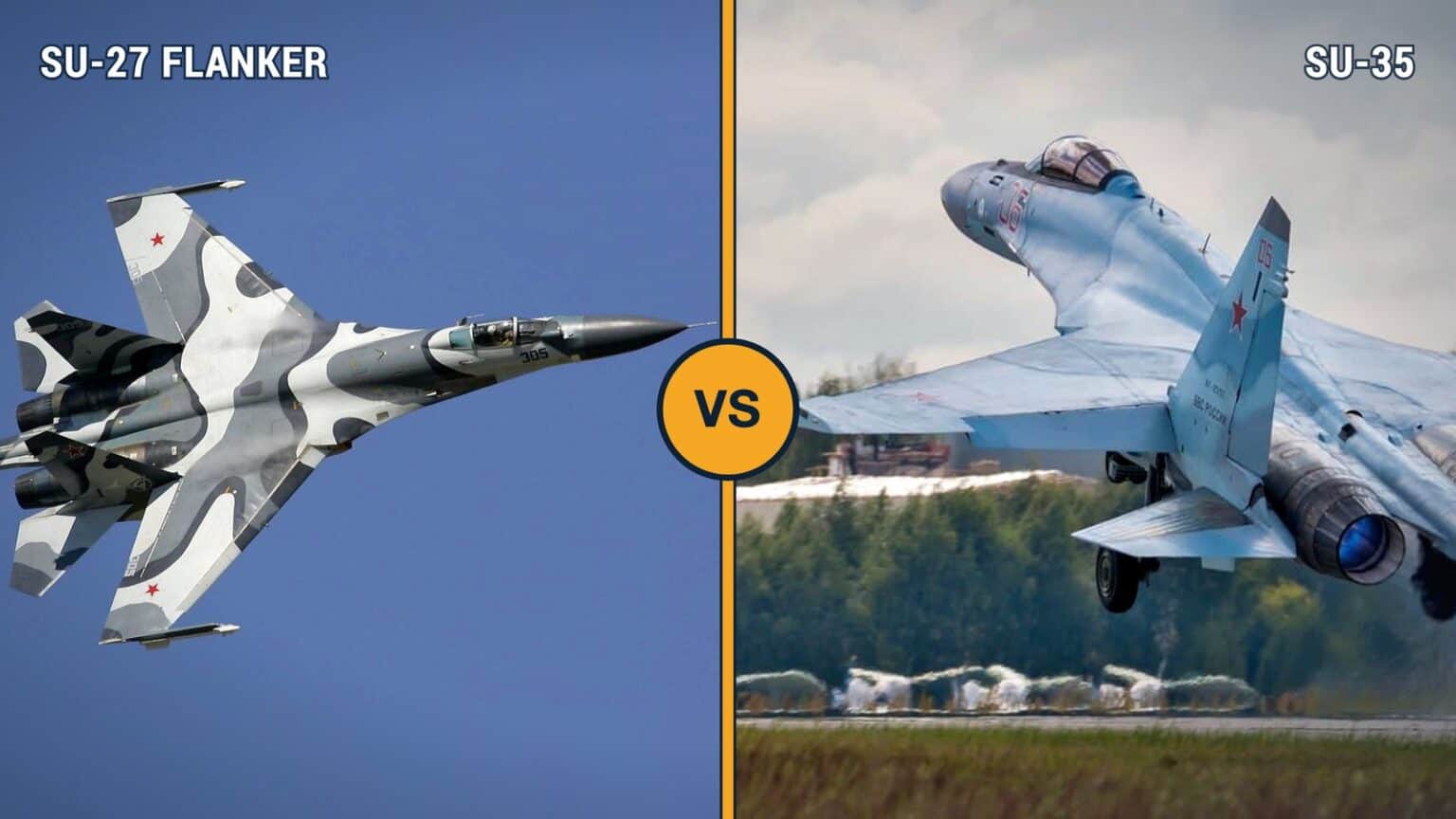
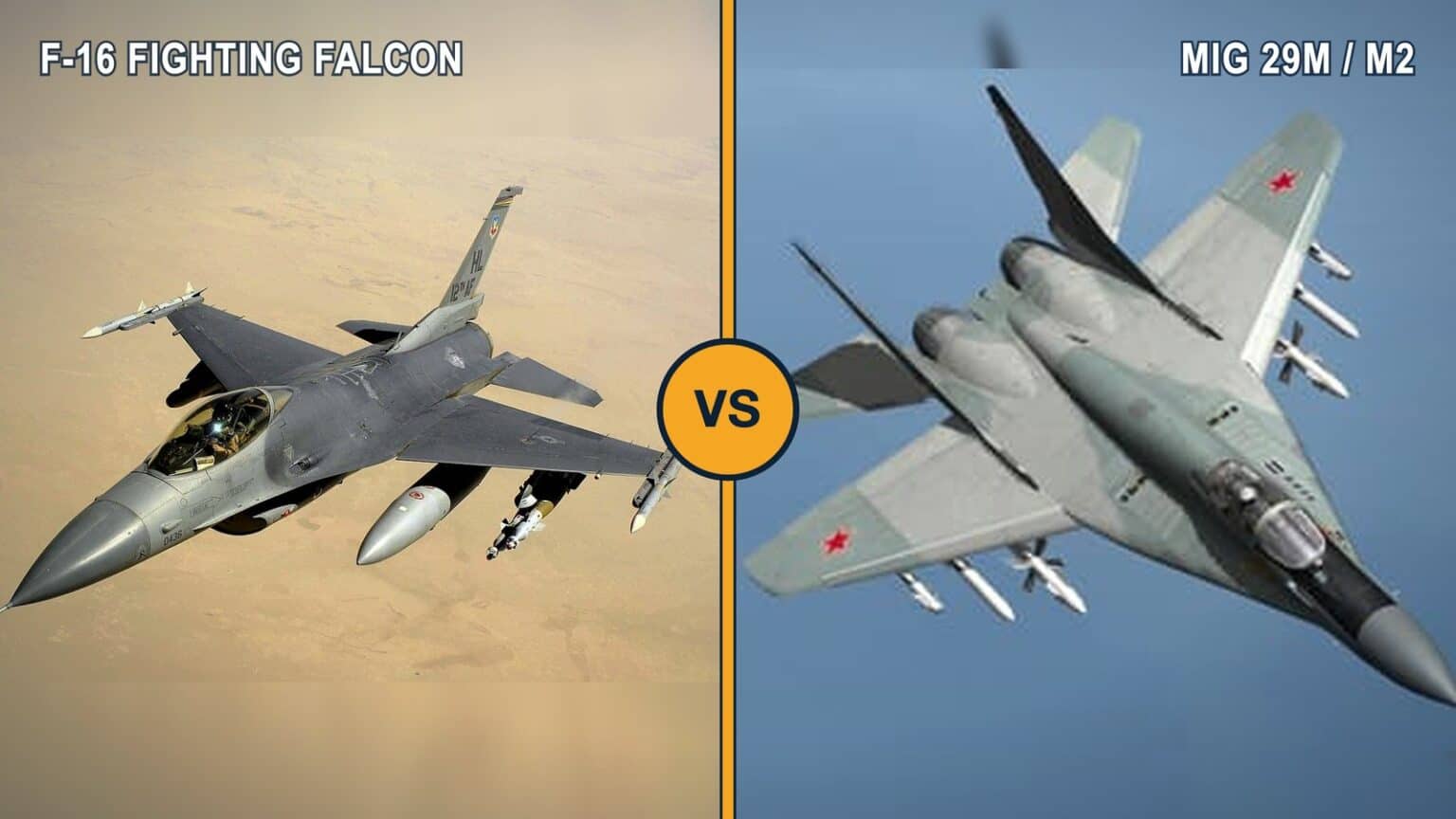
For the newer Flanker, see our Su-27 vs Su-35 comparison, and for the Fulcrum against an American rival, F-16 vs MiG-29.
Which is better, the Su-27 or the MiG-29?
The Su-27 is the better fighter. It has the longer reach, the bigger payload, the radar credited with the longer range and the only confirmed kills in their one head-to-head war.
The MiG-29 is the better buy for a country that wants many jets close to home. It comes close to the Su-27 on top speed and beats it on climb, at a much lower weight.
Both sit in the wider story told in our guide to Sukhoi fighter jets, and in our explainer on the five generations of fighter planes.

FAQ
Sources and references used for research and fact-checking.
About the Author

Tim is the owner and lead editor of AeroCorner since 2019, overseeing aviation content covering aircraft, airlines, airports, and the broader aviation industry. Through years of researching, writing, editing, and publishing aviation-focused content, he has developed extensive practical knowledge of commercial aviation and air travel. Based in Asia and a frequent traveler himself, Tim also brings firsthand passenger experience to AeroCorner’s coverage. Outside of publishing, he has also explored aviation firsthand through hands-on flight training in New Zealand.