

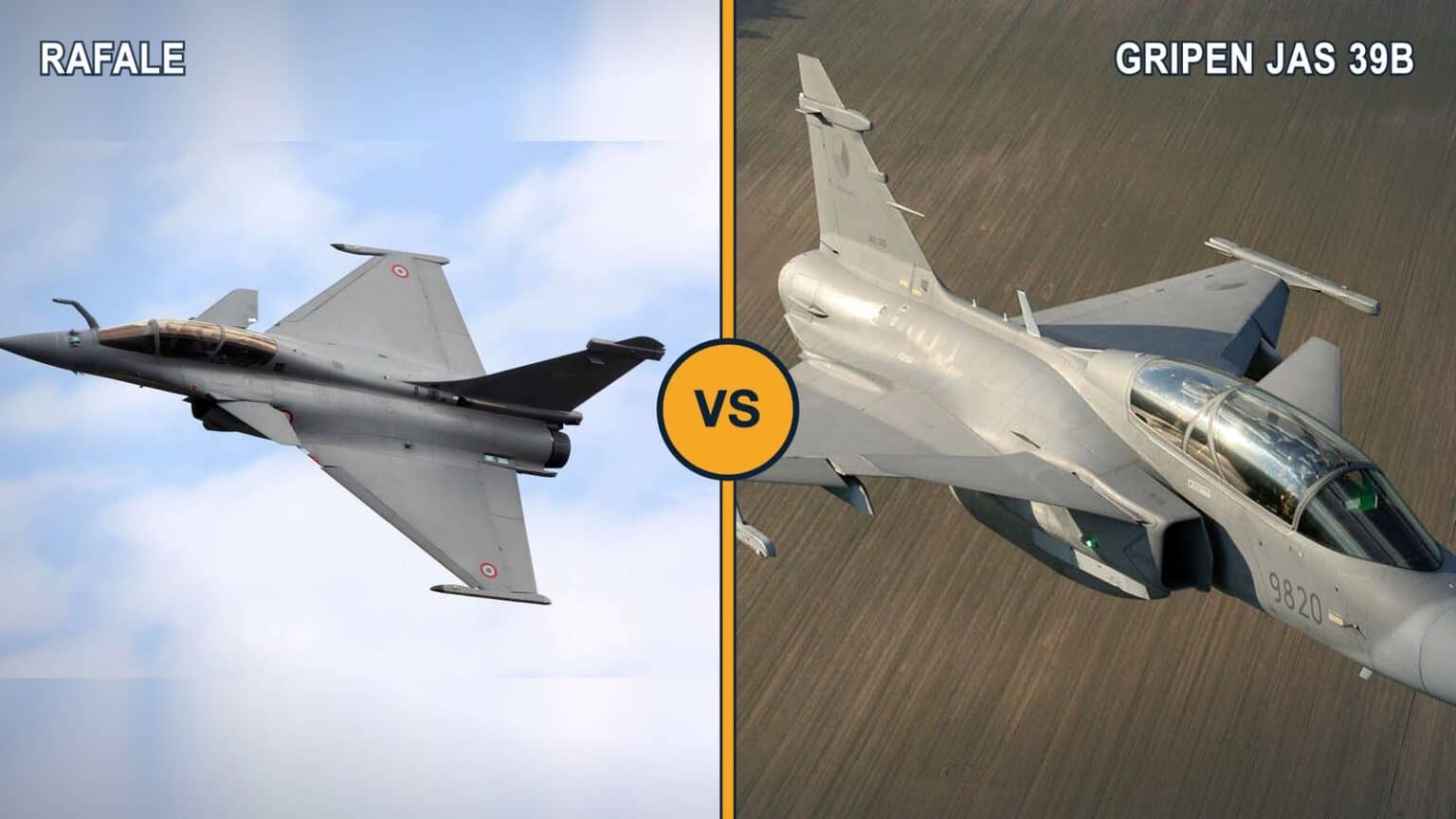

The Dassault Rafale is the more capable fighter. It is a twin-engine jet that flies from carriers, carries France's nuclear missile and has a long combat record.
The Saab Gripen is the cheaper, lighter jet, built to operate from small bases. Which one is better depends on what an air force can afford and what it needs the jet to do.
General
Dassault Rafale
Manufacturer
Dassault
ICAO code
RFAL
Military code
—
Produced
2000–Present
Price
$120 million (2014)
Engine
2 × Safran (Snecma) M88 Turbofans
Engine type
Turbofan
Thrust
2 × 16,860 lbf · 75 kN
+179% (total)
Avionics
Integrated Modular Avionics, Thales RBE2 AA AESA radar, Thales SPECTRA Electronic Warfare system.
Wing tips
No winglets
Seats
2
Crew
—
Saab Gripen JAS 39B
Manufacturer
Saab Gripen
ICAO code
—
Military code
JAS 39D
Produced
1987–Present
Price
—
Engine
1 × Volvo Aero RM12 turbofan
Engine type
Turbofan
Thrust
12,100 lbf · 54 kN
-64% (total)
Avionics
PS-05/A pulse-Doppler radar, Cobra helmet-mounted display, Link 16 datalink
Wing tips
No winglets
Seats
2
Crew
2
Dimensions
Dassault Rafale
Cabin width
0 ft 0 in
0.00 m
0 ft 0 in
0.00 m
Cabin height
0 ft 0 in
0.00 m
0 ft 0 in
0.00 m
Cabin length
0 ft 0 in
0.00 m
0 ft 0 in
0.00 m
Exterior length
50 ft 1 in
15.27 m
50 ft 1 in
15.27 m
-2%
Tail height
17 ft 6 in
5.34 m
17 ft 6 in
5.34 m
+19%
Fuselage diameter
0 ft 0 in
0.00 m
0 ft 0 in
0.00 m
Wing span
35 ft 9 in
10.90 m
35 ft 9 in
10.90 m
+30%
Baggage volume
0 ft 0 in
0.00 m
0 ft 0 in
0.00 m
Saab Gripen JAS 39B
Cabin width
—
—
—
Cabin height
—
—
—
Cabin length
—
—
—
Exterior length
51 ft 2 in
15.60 m
51 ft 2 in
15.60 m
+2%
Tail height
14 ft 9 in
4.50 m
14 ft 9 in
4.50 m
-16%
Fuselage diameter
—
—
—
Wing span
27 ft 7 in
8.40 m
27 ft 7 in
8.40 m
-23%
Baggage volume
—
—
—
Weights
Dassault Rafale
Empty weight
21,720 lb
9,852 kg
21,720 lb
9,852 kg
+45%
Max payload
20,900 lb
9,500 kg
20,900 lb
9,500 kg
+79%
Fuel capacity
4,370 gal
16,542 L
4,370 gal
16,542 L
+451%
Max takeoff weight
54,000 lb
24,500 kg
54,000 lb
24,500 kg
+75%
Saab Gripen JAS 39B
Empty weight
14,992 lb
6,800 kg
14,992 lb
6,800 kg
-31%
Max payload
11,700 lb
5,300 kg
11,700 lb
5,300 kg
-44%
Fuel capacity
793 gal
3,002 L
793 gal
3,002 L
-82%
Max takeoff weight
30,900 lb
14,000 kg
30,900 lb
14,000 kg
-43%
Performance
Dassault Rafale
Max cruise speed
1,032 kt · 1,188 mph
1,911 km/h
1,032 kt
1,188 mph
1,911 km/h
-10%
Max speed
1,032 kt · 1,188 mph
1,911 km/h
1,032 kt
1,188 mph
1,911 km/h
-10%
Approach speed
115 kt · 132 mph
213 km/h
115 kt
132 mph
213 km/h
Rate of climb
60,000 ft/min
305 m/s
60,000 ft/min
305 m/s
Range
2,000 nm · 2,300 mi
3,700 km
2,000 nm
2,300 mi
3,700 km
+16%
Service ceiling
51,950 ft
15,800 m
51,950 ft
15,800 m
+4%
Takeoff distance
—
—
—
Landing distance
—
—
—
Saab Gripen JAS 39B
Max cruise speed
1,147 kt · 1,320 mph
2,124 km/h
1,147 kt
1,320 mph
2,124 km/h
+11%
Max speed
1,147 kt · 1,320 mph
2,124 km/h
1,147 kt
1,320 mph
2,124 km/h
+11%
Approach speed
—
—
—
Rate of climb
—
—
—
Range
1,728 nm · 1,990 mi
3,200 km
1,728 nm
1,990 mi
3,200 km
-14%
Service ceiling
50,000 ft
15,200 m
50,000 ft
15,200 m
-4%
Takeoff distance
1,310 ft
400 m
1,310 ft
400 m
Landing distance
1,640 ft
500 m
1,640 ft
500 m
Dassault Rafale comparisons
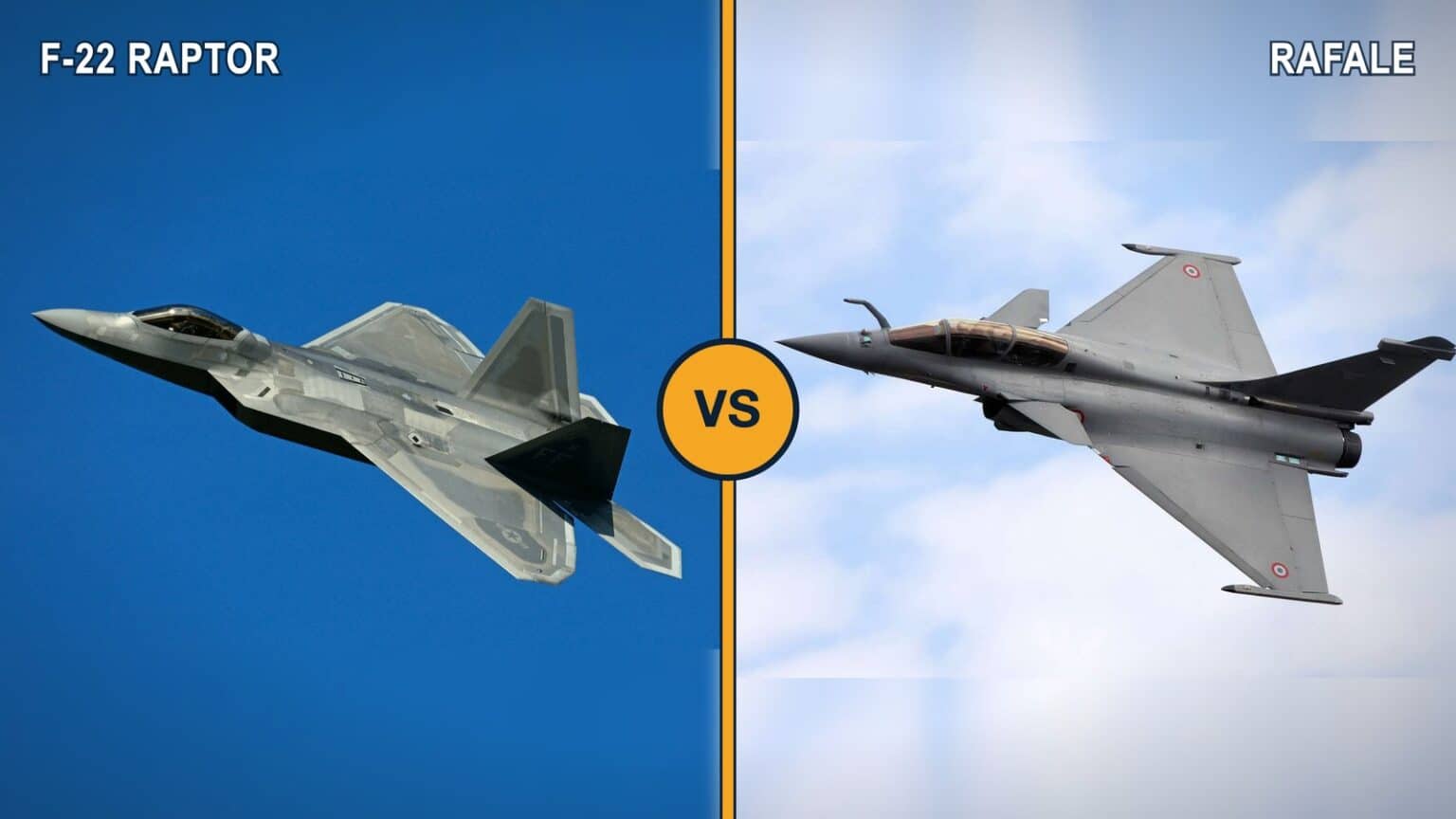
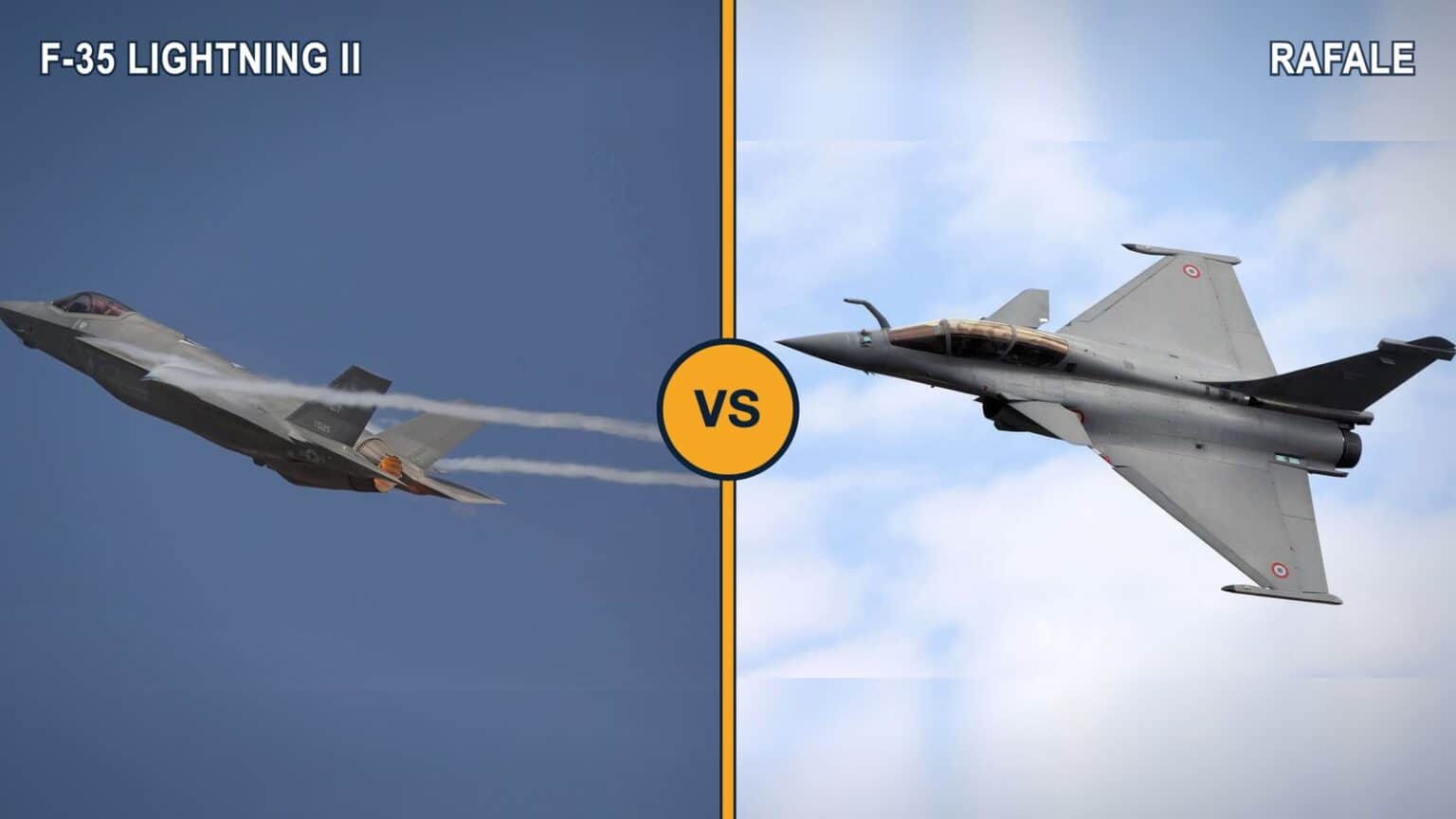
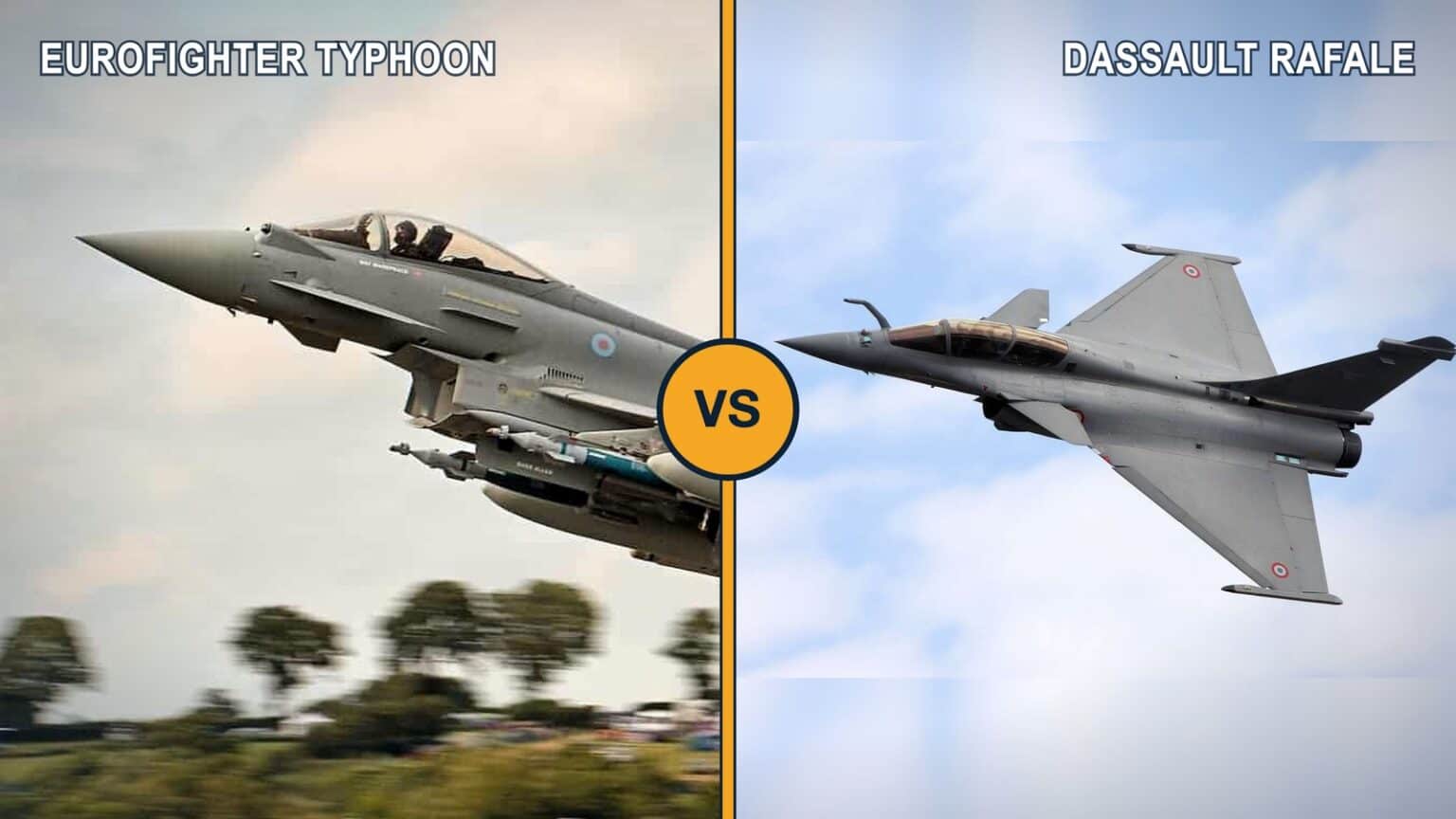
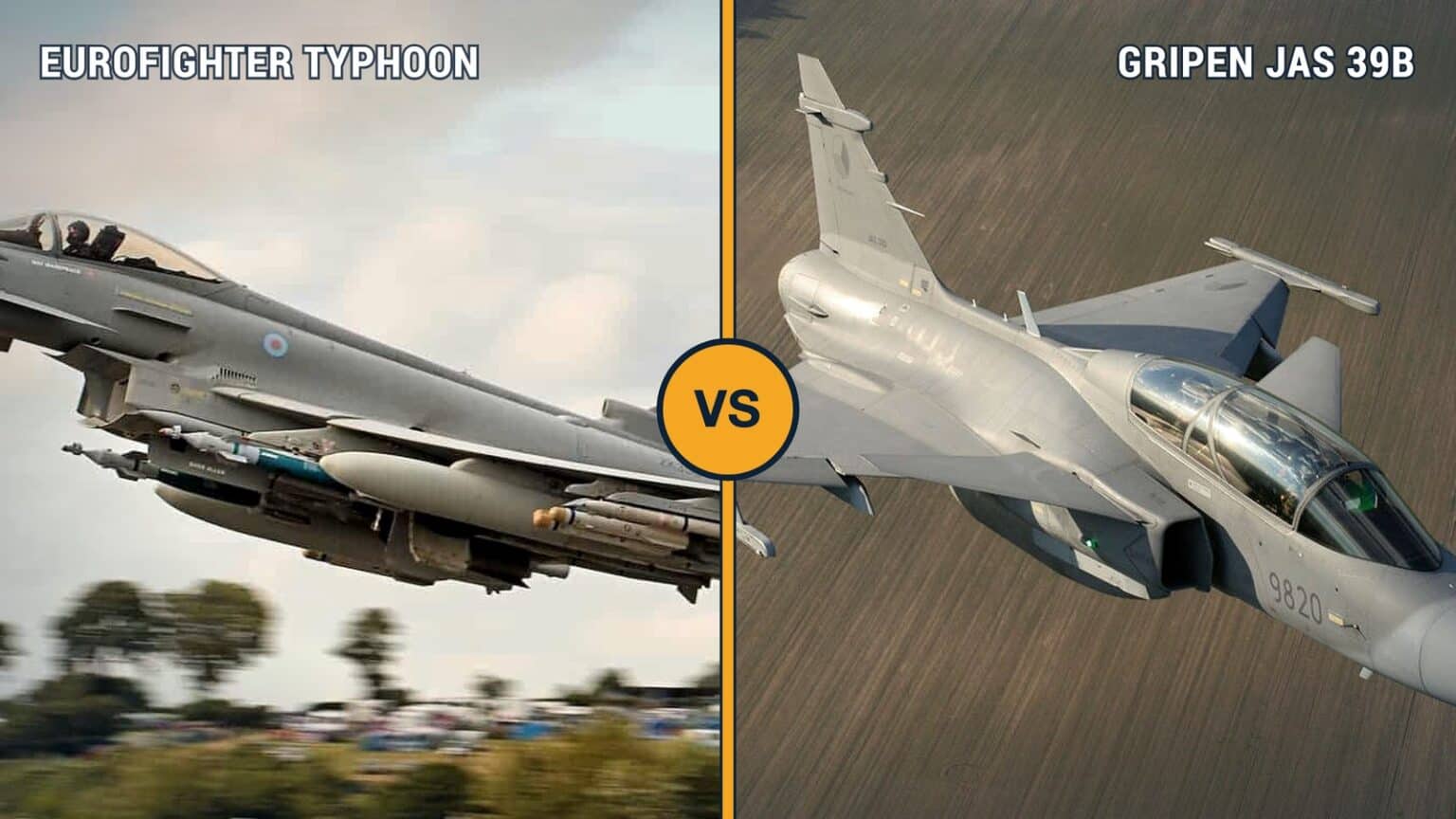
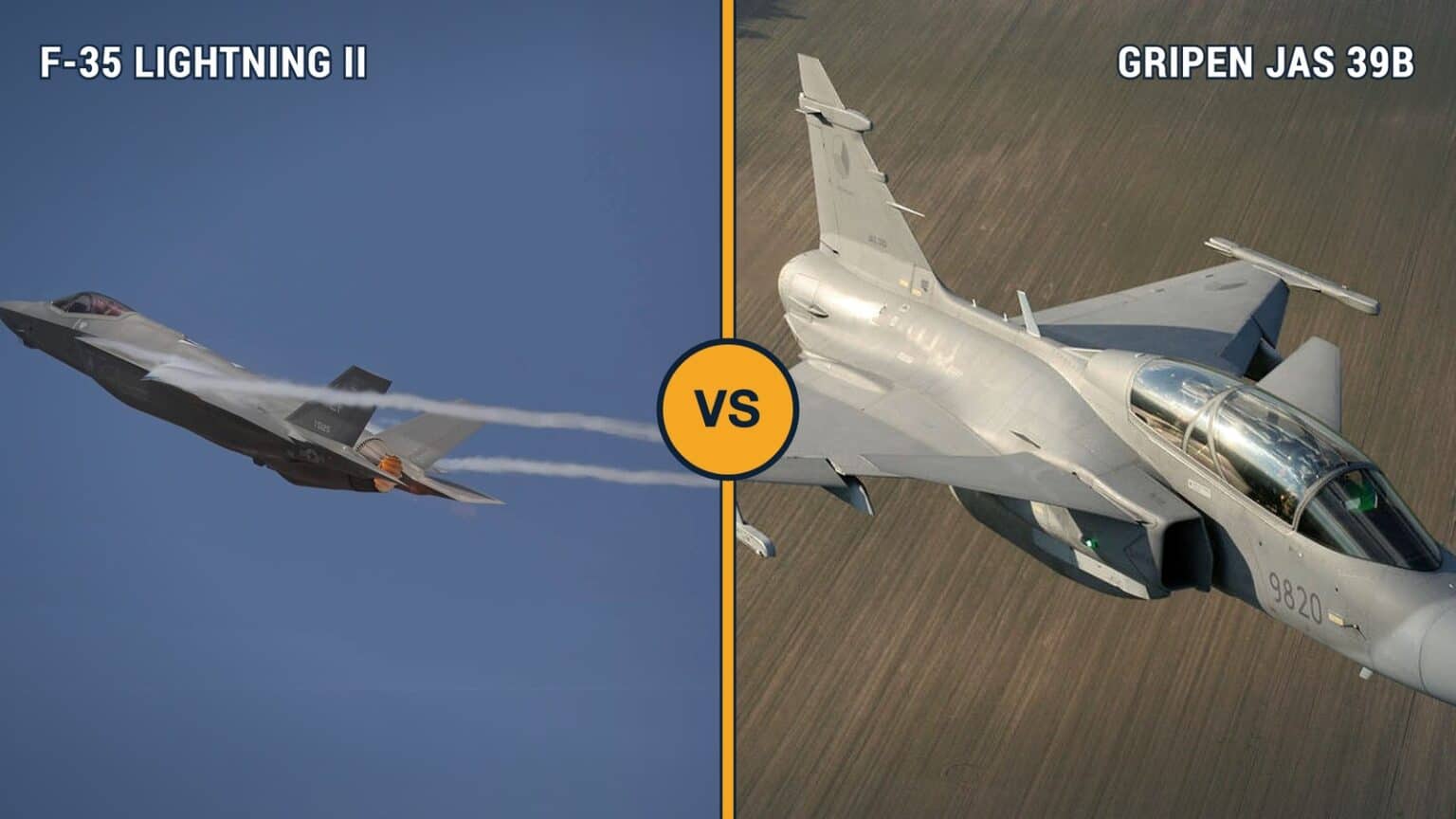
Table of Contents
| Dassault Rafale | Saab Gripen JAS 39B | |
|---|---|---|
| Role | Twin-engine omnirole fighter, land and carrier | Light single-engine multirole fighter |
| Layout | Delta wing with canards | Delta wing with canards |
| Radar | RBE2 AESA on current French jets | PS-05/A on the JAS 39B, Raven AESA on the Gripen E |
| Carrier version | Yes, the Rafale M flies from the Charles de Gaulle | No |
| Nuclear role | Carries France’s ASMPA air-launched nuclear missile | None |
| Hardpoints | 14 external stations | 8 external stations |
| First flight | July 4, 1986 (Rafale A demonstrator) | December 9, 1988 (JAS 39 prototype) |
| Combat record | Afghanistan, Libya, Mali, Iraq and Syria | Libya 2011, reconnaissance and air patrol only |
| Operators | France, India, Egypt, Qatar, Greece, Indonesia and others | Sweden, Czech Republic, Hungary, Thailand, South Africa, Brazil |
| Best at | Doing every mission with one jet | Cheap, fast turnaround from small bases |
Which variants this page compares
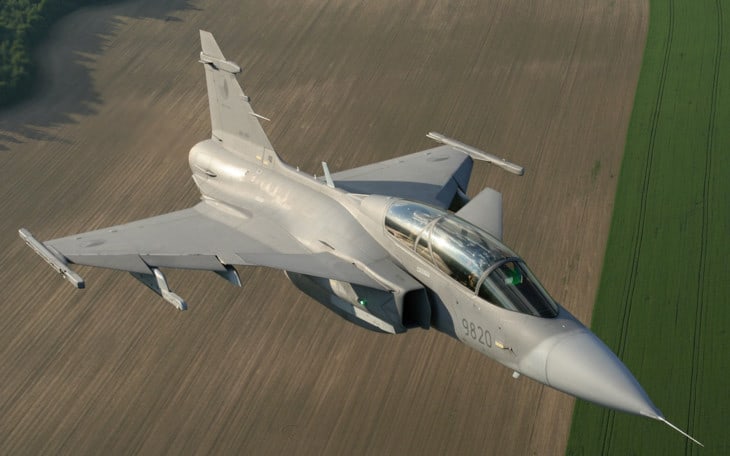
The panel above compares the Rafale with the Saab Gripen JAS 39B, a single-engine two-seater from the Gripen C/D family. The newer Gripen E is a bigger jet with a different engine and an AESA radar, so it sits closer to the Rafale than the panel suggests. Where the Gripen E changes an answer, this page says so.
Which is the better fighter, the Rafale or the Gripen?
The Rafale is the more capable aircraft in almost every measurable way. It is bigger, carries more, and does more missions from a carrier deck or a runway.
The Gripen is the cheaper and simpler one, and Saab built it on purpose to be that. The real question is whether an air force needs the extra capability enough to pay for it.
Treat any “which is better” answer with care. A twin-engine jet with a long reach and a one-engine jet built for a small air force are solving different problems.

Where the Rafale wins
The Rafale is a twin-engine jet with a delta wing and canards. Dassault sells it as an omnirole fighter, meaning one airframe flies air defense, ground attack, reconnaissance and nuclear strike.
That last role matters. The Rafale carries the ASMPA, France’s air-launched nuclear missile, and the French Navy flies the Rafale M from the carrier Charles de Gaulle. The Gripen has neither job.
Its sensors are a second advantage. Current French jets carry the Thales RBE2 AESA radar and the SPECTRA self-protection suite, which the panel above lists under avionics.
It also has a combat record the Gripen lacks. French Rafales have flown over Afghanistan, Libya, Mali, Iraq and Syria.

Where the Gripen wins
The Gripen was designed around Sweden’s problem: keep fighters flying if the main air bases are bombed. Saab built it to operate from short road strips with small ground crews, and it still sells that idea.
Saab says conscript ground crews can turn the aircraft around quickly between sorties. That claim comes from the maker, so read it as a design goal and not a measured fleet average.
Cost is the other half. One engine and a lighter airframe mean the Gripen burns less fuel and costs less per flight hour than the Rafale. Exact figures vary by country and by how each ministry counts, so no single number is reliable enough to print here.
For a small air force, that gap can decide the order. It is why Sweden, the Czech Republic, Hungary, Thailand, South Africa and Brazil all fly Gripens.

Rafale vs Gripen E: the fairer fight
Most online comparisons quietly use the Gripen E, and the difference is large. The E has a bigger airframe, a General Electric F414 engine, and the Raven ES-05 AESA radar.
Saab quotes a maximum takeoff weight of 16,500 kg (about 36,400 lb) for the Gripen E, against 14,000 kg (30,900 lb) on the JAS 39B in the panel above. The Rafale still outweighs both, at 24,500 kg (54,000 lb).
Even so, the E is still a single-engine fighter. Its radar closes much of the gap with the Rafale, but its payload and range are lower, and it cannot land on a carrier.
The myth this page used to repeat
“The Gripen is a cut-price Rafale” is wrong. They are different bets: the Rafale is a heavy twin built to do everything for a nation with carriers and nuclear forces, and the Gripen is a light single built to be cheap, dispersed and fast to turn around. Comparing them on a spec sheet alone misses why each exists.
Which one should an air force buy?
A country that wants one fighter to cover air defense, strike and a carrier wing buys the Rafale. India, Egypt, Qatar, Greece and Indonesia have all ordered it.
A country that wants a modern, affordable fleet that can disperse to small bases buys the Gripen. Brazil chose the Gripen E and builds part of it locally.
Politics decides many orders. Both jets come with a package of missiles, training and industrial deals, and those often matter as much as the airframe.
Weapons and sensors
Both jets fire the Meteor, the European long-range air-to-air missile. The Rafale also carries the MICA missile, the SCALP cruise missile, the AASM guided bomb and the Exocet anti-ship missile.
The Gripen carries the IRIS-T and AIM-120 families, the RBS 15 anti-ship missile and the Taurus KEPD 350 cruise missile, depending on the customer. Its weapon load is smaller because it has fewer stations and a lower weight limit.
Radar is where the JAS 39B in the panel falls behind. Its PS-05/A is a mechanically scanned set, while French Rafales fly an electronically scanned one.
An AESA radar tracks more targets and is harder to jam. That is the single biggest reason the Gripen E exists.
Cost, basing and who flies them
The Rafale is expensive, and buyers pay for the twin engines, the carrier-grade structure and the sensor suite. In exchange they get a jet that can replace several older types at once.
The Gripen costs less to operate, and Saab pitches it to air forces that cannot afford a large, complex fleet. Sweden, Hungary and the Czech Republic fly it alongside other NATO partners.
Both makers also sell industrial deals. Brazil builds Gripen E parts and assembles aircraft locally, while India has tied Rafale deliveries to offset work.
Which one flies farther?
The Rafale carries more fuel and more weight, so it reaches farther and can stay on station longer. The panel above lists the exact range and ceiling for each jet.
Both can be extended with drop tanks and aerial refueling. A Gripen needs the tanker more often, but it also needs less fuel per mile flown.
How they compare to the F-35 and Typhoon
Both jets are fourth-generation designs, so neither is stealthy in the way the F-35 is. The F-35 beats both on sensor fusion and low observability, and it costs more to buy and run.
The Eurofighter Typhoon is the Rafale’s direct European rival, a heavy twin-engine jet with a similar role. The Gripen sits a class below, as the light, affordable option.
That is why air forces often shortlist all three in the same tender. They are not the same product, but they compete for the same budget.
FAQ
Not on capability. The Rafale carries more, has two engines, flies from carriers and has a wider weapons range. The Gripen is cheaper to buy and operate and is built to work from small bases, so it can be the better choice for a smaller air force.
The F-35 is a stealth fighter with far more advanced sensors and networking, and it costs more to buy and run. The Gripen is a non-stealth jet that competes on price, availability and easy basing. Buyers choose between them on budget and on what they need the fighter to do.
Not in a shooting war. In 2011 Swedish Gripens flew over Libya under the NATO operation there, mainly on reconnaissance and air patrol, and did not attack ground targets.
France left the European fighter program in 1985. It wanted to lead the design, to have a carrier-capable aircraft and to control the engine choice. It built the Rafale instead, while Britain, Germany, Italy and Spain built the Eurofighter Typhoon.
Yes. French Rafales have flown missions over Afghanistan, Libya, Mali, Iraq and Syria, which gives the type a combat record the Gripen does not have.
Sources and references used for research and fact-checking.
About the Author

Tim is the owner and lead editor of AeroCorner since 2019, overseeing aviation content covering aircraft, airlines, airports, and the broader aviation industry. Through years of researching, writing, editing, and publishing aviation-focused content, he has developed extensive practical knowledge of commercial aviation and air travel. Based in Asia and a frequent traveler himself, Tim also brings firsthand passenger experience to AeroCorner’s coverage. Outside of publishing, he has also explored aviation firsthand through hands-on flight training in New Zealand.