

Table of Contents
United Aviate is the strongest pilot cadet program in the US in 2026. It pairs a conditional job offer at United itself with the widest set of entry points, from zero hours up.
Delta Propel is the runner-up: the same kind of offer, but you can only apply once you are a working flight instructor.
This list ranks 10 airline pathways by the one thing a cadet program is for: what the airline actually commits to in writing. Ties are broken by how early you can join, then by how much cash the program publishes for cadets. Every term comes from the airlines’ own pages, checked in October 2026.
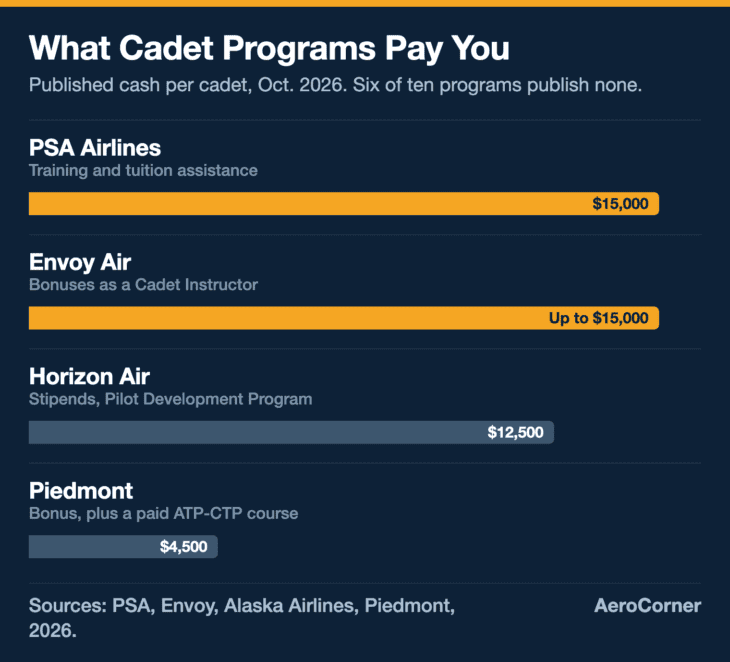
The short version: mainline airlines offer the job, regional airlines offer the money. Not one of the four mainline programs here publishes a cash figure for cadets, while PSA, Envoy, Horizon and Piedmont all do.
| Rank | Program | Where it leads | What the airline commits to | You can join with | Published cash for cadets |
|---|---|---|---|---|---|
| 1 | United Aviate | United | Conditional job offer as a United first officer | Any stage, from zero hours | None |
| 2 | Delta Propel | Delta, via Endeavor Air | Qualified Job Offer as a Delta pilot | CFI within 12 months of ATP minimums | None (nominated scholarships only) |
| 3 | JetBlue Gateway Select | JetBlue | Conditional job offer as a JetBlue first officer | No more than a private pilot certificate | None |
| 4 | PSA Airlines Cadet Program | American, via PSA | Guaranteed direct flow to American | Private pilot certificate | $15,000 |
| 5 | Envoy Air Cadet Program | American, via Envoy | Guaranteed seat at American | Private pilot certificate, at a partner school | Up to $15,000 |
| 6 | Horizon Air Pilot Development Program | Alaska, via Horizon | Conditional job offer at Horizon | Zero hours | $12,500 |
| 7 | Piedmont Airlines Cadet Program | American, via Piedmont | A seat in the next Piedmont new-hire class, no reinterview | 500 hours, commercial multi-engine | $4,500 |
| 8 | SkyWest Pilot Pathway | United, Delta or Alaska, via SkyWest | United conditional offer once accepted into Aviate; Delta or Alaska interview after 24 months as captain | Cadet terms not published | Not published |
| 9 | Republic Airways RJet Cadet Program | Delta or United, via Republic | Conditional job offer at Republic; Delta or United interview after 24 months as captain | Commercial certificate, or a partner-university student | None |
| 10 | Southwest Destination 225° Cadet Pathway | Southwest | No job guarantee | No more than a private pilot certificate (applications closed) | None |
How this ranking works
Programs are ordered by the strongest written commitment: a conditional job offer at a major airline first, then a guaranteed flow from a regional airline to a major one, then a job offer at a regional, then a guaranteed interview, then no guarantee. Ties go to the program you can join earliest, then to the one that publishes more cash for cadets. A program with no published application window ranks below an otherwise equal one. Flight school prices are not ranked, because most of these programs do not run a school.
What a cadet program is, and what it is not
A pilot cadet program is an airline’s early claim on a future pilot. You sign up while you are still training, and in return the airline offers some mix of a job offer, a guaranteed interview, mentoring, travel privileges and cash.
What it does not do is skip the hours. Under 14 CFR 61.159, an airline transport pilot (ATP) certificate takes 1,500 hours of total flight time, and Part 121 rules require airline first officers to hold one.
The restricted ATP lowers that to 750 hours for military pilots, 1,000 with an aviation bachelor’s degree and 1,250 with an associate’s degree.
Most cadets build those hours as paid flight instructors. Some programs also run a flight school, but most do not: you still pay for your own training. ATP Flight School’s zero-experience program, a common route into several of these pathways, costs $123,995 as of March 2026, before about $12,000 in examiner and test fees.
1. United Aviate
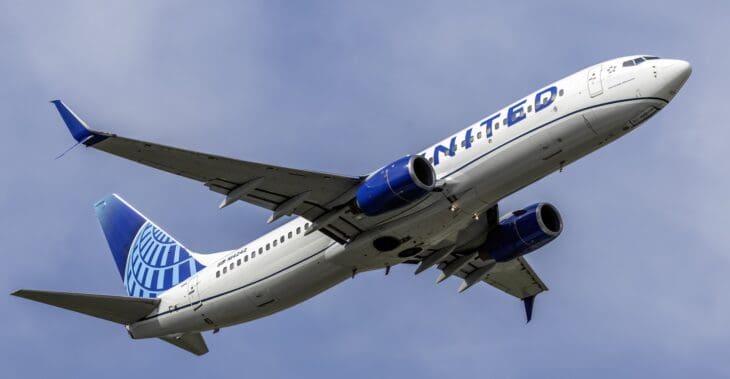

Aviate is United’s pilot career program, and it ranks first because the offer is with United itself. SkyWest, one of United’s regional partners, says pilots accepted into Aviate “receive a conditional job offer as a United First Officer.”
United’s own Aviate site says participants “can transition to United as a First Officer upon successful completion of the Aviate program and hiring requirements.” The same page says United intends to hire more than 10,000 pilots in the next decade.
Aviate is a pathway, not a school. Pilots join through partner flight schools, universities and United Express carriers, and United’s own academy is just one of those doors.
That academy, United Aviate Academy at Phoenix Goodyear Airport in Arizona, is the expensive door. Its January 2026 catalog lists $89,000 in tuition, $111,700 with required fees, and an estimated total cost of attendance of $142,880 including housing and food. That is one reason it ranks tenth in our list of the best flight schools in the US.
The academy's accreditation problem
In a lawsuit filed in 2025, two dozen former students claim United Aviate Academy grew past a 325-student enrollment cap, was placed on probation by its accreditor in August 2024 and voluntarily withdrew its accreditation effective January 15, 2025. These are allegations in a court case. The academy still trains pilots and opened applications for its summer 2026 class.
2. Delta Propel
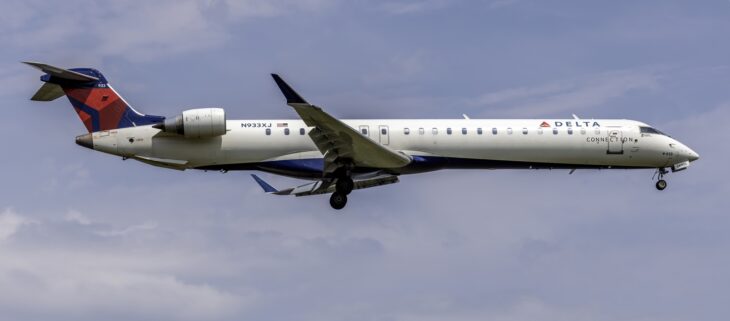

Delta Propel gives selected pilots a Qualified Job Offer, which Delta defines as “a job offer as a Delta pilot contingent on the candidate successfully completing every part of the Propel by Delta program.” Delta calls it a “guaranteed path to mainline Delta flight deck” with a single interview.
It ranks below Aviate because it starts late. The main collegiate path requires you to be actively instructing as a flight instructor and within 12 months of your ATP or restricted ATP minimums.
Candidates come from about 35 partner universities, including UND, Embry-Riddle, Purdue, Oklahoma, Auburn and Kent State from our ranking of the best aviation colleges, or from affiliate flight schools such as ATP, Academy of Aviation and Superior Flight School. A separate company path is open to Delta employees with 24 months of service.
The route runs through Endeavor Air, Delta’s regional. You join Endeavor at ATP minimums, then serve “a minimum of 24 months of active service as a captain” before moving to Delta.
Why the captain years matter
Both Delta Propel and Republic’s Delta Ready path require at least 24 months as a regional captain before the move to Delta. A pathway is not a shortcut around experience: it is a promise about where that experience leads.
3. JetBlue Gateway Select
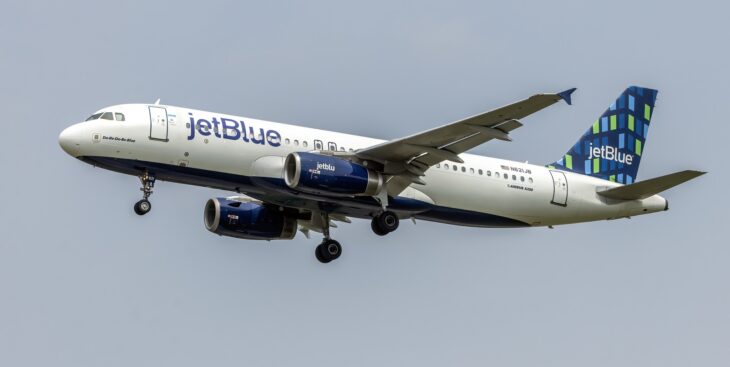

Gateway Select is JetBlue’s program for people with “little or no flying experience.” You must not hold more than a private pilot certificate when you start, and successful cadets “earn a conditional job offer for a position as a JetBlue first officer.”
Training is at SkyWarrior Flight Training in Pensacola, Florida, and JetBlue puts the whole path at “about 3.5 years.” The only fee on the page is a $116 assessment fee; training costs are not listed.
On paper, that is the strongest zero-experience offer outside United. It ranks third because JetBlue publishes no application dates, only that you apply “during the designated period,” so you cannot plan around it. Its sister program, Gateway University, takes students at 14 partner schools who already hold an instrument rating or instruct.
4. PSA Airlines Cadet Program
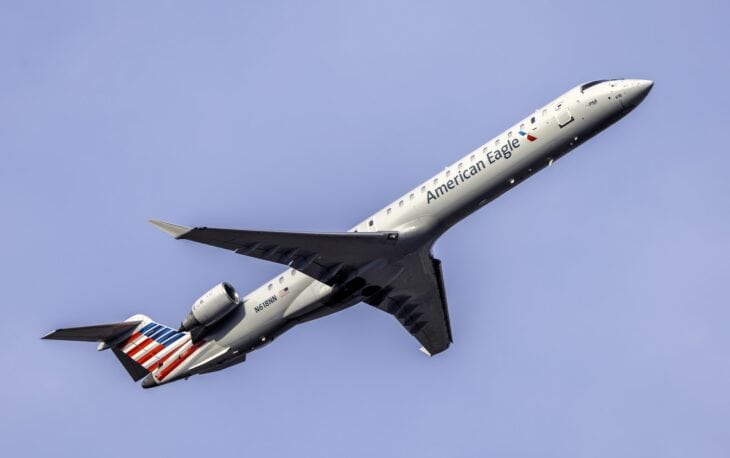

PSA is the easiest serious program to get into. “All you need is a private pilot’s license to apply,” and it is open to students at any college, university or flight school in the country.
PSA is one of the American Airlines group’s regionals and promises a “guaranteed direct flow” to American. It also pays more than any program on this list: “$15,000 for training and tuition assistance.”
PSA does not explain on the page how the $15,000 is paid out. It does list $3,750 in tuition and training reimbursement at both the flight instructor stage and the stage 200 hours from ATP minimums, so ask how the rest is paid before you sign.
5. Envoy Air Cadet Program
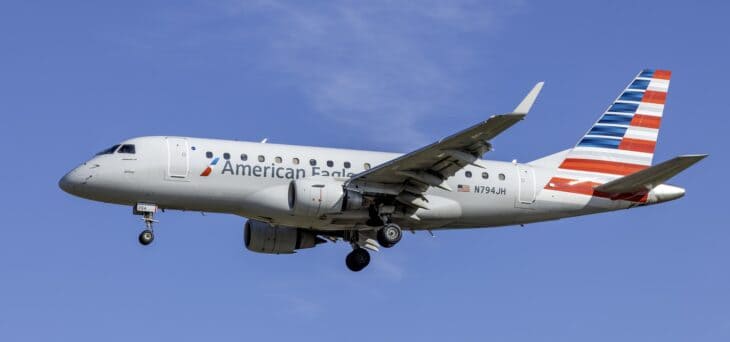

Envoy, another American Airlines group regional, makes the same core promise as PSA. Its January 2026 cadet brochure offers “a guaranteed seat at American Airlines” and “up to $15,000 in bonuses as a Cadet Instructor.”
It ranks just behind PSA because it is narrower. You join with a private pilot certificate but must be enrolled at one of Envoy’s partner schools, about 40 of them in the brochure, and the bonus starts only once you are a flight instructor with an instrument rating.
In return, Envoy adds a paid ATP-CTP course (the classroom and simulator course the FAA requires before the ATP test), priority base bidding and travel privileges.
What about the American Airlines Cadet Academy?
As of October 2026, American’s Cadet Academy site describes no training track of its own. It works as a front door to three regional cadet programs instead: Envoy, PSA and Piedmont. The American Airlines Federal Credit Union’s cadet page now serves existing loans only. If you want an American flight deck, the regional programs on this list are the way in.
6. Horizon Air Pilot Development Program (Alaska Airlines)
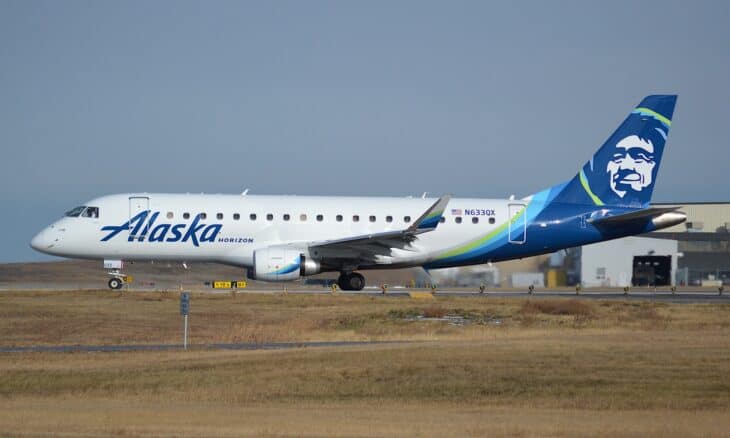

Horizon, Alaska Airlines’ regional sister, runs the only program here that both takes you at zero hours and publishes cash. Its eligibility line reads simply “Zero+ hours.”
The $12,500 comes in two parts: a $2,500 training stipend after your instrument rating and six months in the program, then $10,000 with a conditional job offer at Horizon. That offer comes after your commercial single-engine certificate and a year in the program.
The catch is the second step. Alaska’s Pilot Pathways program lets Horizon pilots interview for both airlines on the same day, but a class date at Alaska requires 1,000 hours as pilot in command at Horizon, in seniority order.
7. Piedmont Airlines Cadet Program
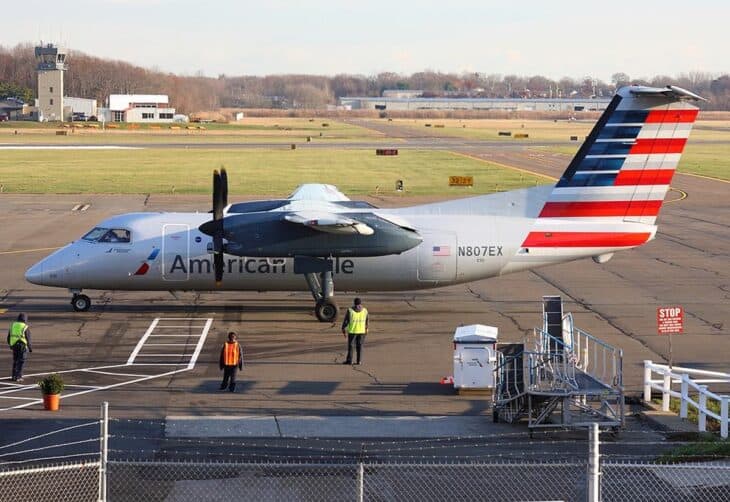

Piedmont is the third regional in American’s cadet lineup, and its program is built for pilots who are already well along. You need a commercial multi-engine certificate with an instrument rating, 500 hours, and to be at least 200 hours short of your ATP minimums when you apply.
It is also the most flexible. “No school affiliation is necessary,” cadets can build hours any way they wish, and they do not have to work as flight instructors.
Piedmont pays a $4,500 bonus and covers the ATP-CTP course and test. Finish them and you are “placed into the next available new hire class” with no additional interview, on a path the airline describes as “cadet to first officer to American Airlines.”
8. SkyWest Pilot Pathway
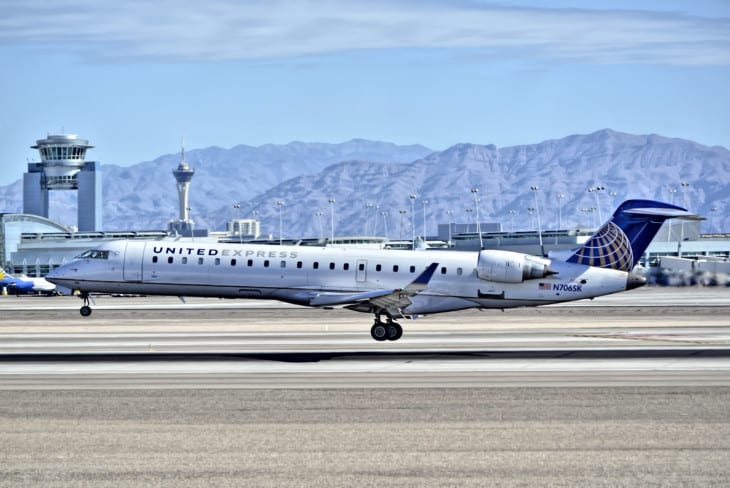
SkyWest flies for four major airlines, and that is its pitch. It is an Aviate-participating United Express carrier, so pilots it puts into Aviate get the United conditional offer described above.
It also offers a guaranteed interview at Delta or Alaska Airlines to captains with at least 24 months in the left seat who opt in. SkyWest has 21 crew bases and nearly 500 aircraft.
It ranks eighth because the cadet program’s own terms, including any tuition reimbursement, were not on a page we could verify. Partner schools advertise figures, but they vary by school, so confirm them with SkyWest directly.
9. Republic Airways RJet Cadet Program
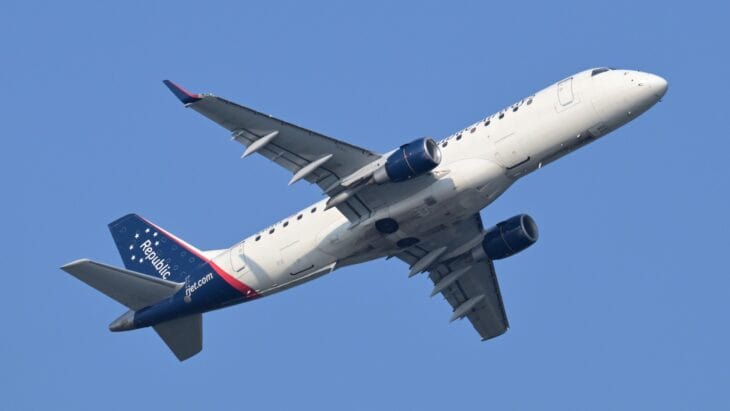

Republic’s cadets get a “Conditional Job Offer for the First Officer position, with no reinterview once you hit your ATP minimums.” Republic flies for American, Delta and United, and completed its merger with Mesa Air Group in November 2025.
The path onward is an interview, not an offer. Republic’s Delta Ready and United Ready programs promise a “guaranteed interview” and a move to either airline “after 24 months of their Captain Residency.”
Republic publishes no cash for cadets. The closest thing is the RJet Ambassador role, which pays $200 a month. Republic also owns LIFT Academy in Indianapolis and calls itself the first regional airline with its own flight training academy.
10. Southwest Destination 225° Cadet Pathway
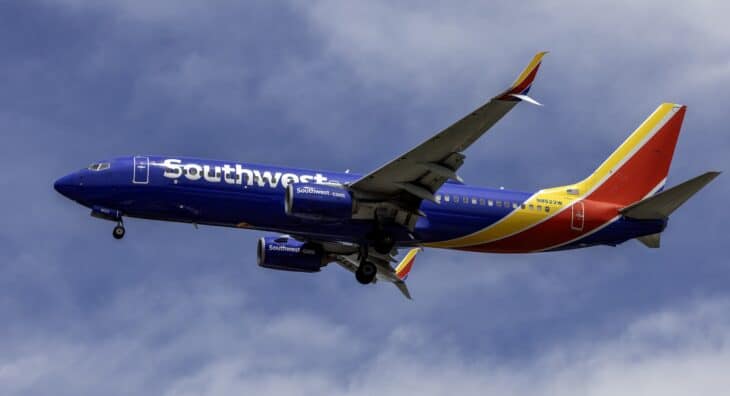

Southwest’s cadet pathway is the most structured program here and the weakest commitment. Its own page says it plainly: “While a job at Southwest Airlines isn’t guaranteed.”
You start with no more than a private pilot certificate and train for about 13 months, from private pilot to instrument flight instructor, at one of three partner schools.
Southwest estimates tuition and training fees at up to $125,000 at CAE in Mesa, Arizona, up to $120,000 at SkyWarrior in Pensacola and up to $115,000 at US Aviation in Denton, Texas, plus up to $15,000 to $30,000 in additional loans for housing and living costs.
Southwest says the path can reach its flight deck “in as little as four years.” As of October 22, 2026, its page reads: “Destination 225° applications are currently closed.”
Which cadet program is right for you?
Starting from zero: United Aviate, JetBlue Gateway Select and Horizon’s Pilot Development Program all take beginners. Horizon is the only one of the three that pays you along the way.
Already a private pilot: PSA and Envoy are the obvious picks, with a guaranteed route to American and up to $15,000 each. PSA is open to students at any school; Envoy requires a partner school.
Instructing and close to ATP minimums: Delta Propel is the prize, and Piedmont is the fastest seat. Compare where each path ends with our ranking of the highest-paying airlines for pilots.
Timing matters too. AOPA reported in January 2026 that airline pilot hiring was picking up again after a slowdown in 2025, and ATP Flight School’s hiring tracker reported in August 2026 that United planned about 1,500 pilot hires for the year.
A conditional offer is only as good as the hiring that follows it, which is why our look at whether there is really a pilot shortage is worth reading before you borrow.
Before you sign anything
Every offer on this list is conditional. Each airline ties it to finishing the program, meeting its hiring standards, or both. Read the actual agreement, ask what happens if you leave early or fail a checkride, and never borrow on the assumption that a job is guaranteed.
FAQ
Sources and references used for research and fact-checking.
- United Airlines, United Aviate
- United Aviate Academy, United Aviate Academy Student Catalog (effective January 2026)
- AFM, United Aviate Academy Opens Applications for Summer 2026 Class
- AOPA, Former students sue United Aviate Academy
- SkyWest Airlines, SkyWest Pilots
- Delta Air Lines, Propel by Delta
- JetBlue, Gateway Select
- JetBlue, Gateway University
- PSA Airlines, Cadet Program
- Envoy Air, Company Portfolio for Prospective Cadets (January 2026)
- Envoy Air, Cadet Program
- Piedmont Airlines, Cadet Program
- Alaska Airlines, Horizon Pilot Development Program
- Alaska Airlines, Pilot Pathways
- Republic Airways, RJet Cadet Program
- Republic Airways, Pilot Pathways
- Republic Airways, Republic Airways and Mesa Air Group Complete Merger
- Southwest Airlines, Destination 225° Cadet Pathway
- American Airlines, AA Cadet Programs
- American Airlines Federal Credit Union, Cadet Academy loans
- eCFR, 14 CFR 61.159, Aeronautical experience: Airplane category rating
- eCFR, 14 CFR 61.160, Aeronautical experience: Airplane category restricted privileges
- eCFR, 14 CFR 121.436, Pilot qualification: Certificates and experience requirements
- ATP Flight School, Airline Career Pilot Program Cost
- AOPA, Airline pilot hiring shows renewed momentum
- ATP Flight School, Current Pilot Hiring Announcements
Get the Newsletter
The latest aviation news and stories sent to your inbox.
About the Author

Tim is the owner and lead editor of AeroCorner since 2019, overseeing aviation content covering aircraft, airlines, airports, and the broader aviation industry. Through years of researching, writing, editing, and publishing aviation-focused content, he has developed extensive practical knowledge of commercial aviation and air travel. Based in Asia and a frequent traveler himself, Tim also brings firsthand passenger experience to AeroCorner’s coverage. Outside of publishing, he has also explored aviation firsthand through hands-on flight training in New Zealand.