

Table of Contents
Ask how many people have been to space and you will get at least four different answers. Every one of them can be traced to a real list, and the gap between them comes down to one argument: where space begins.
As of mid-November 2026, 746 people have flown above 100 km (62 miles), the boundary used for international records, by our count of Wikipedia’s list of space travelers by first flight. Using the US boundary of 50 miles (80 km), the total is 787. Of all of them, 651 have actually reached orbit, according to the Spacefacts astronaut database.
How Many People Have Been to Space?
By the international definition, 746. That count starts with Yuri Gagarin on April 12, 1961, and runs to the three newest spacefarers, NASA’s Luke Delaney, Canada’s Joshua Kutryk and Russia’s Sergey Teteryatnikov, who launched on SpaceX Crew-13 on Oct. 1, 2026.
Each person counts once, however many times they flew. It leaves out anyone who launched but never got high enough, such as the three Challenger astronauts lost in 1986 on what was their first flight.
The count at a glance
Above 100 km (international line): 746 people. Above 50 miles (US line): 787. Reached orbit: 651. Suborbital only, above 100 km: 95. Women who have reached orbit: 85. Newest first-time flyers: SpaceX Crew-13, Oct. 1, 2026. Counts as of November 2026.
Who Has Been to Space, by How High They Went
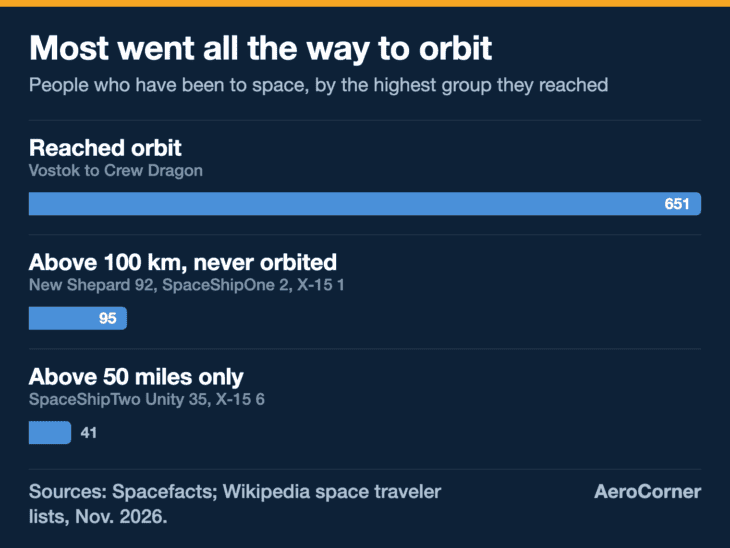
Space travelers fall into three groups. Most rode a rocket fast enough to stay in orbit. A smaller group went straight up and straight back down on a short suborbital hop, and a third group crossed the US line without reaching the international one.
| Group | How they got there | People |
|---|---|---|
| Reached orbit | Vostok, Gemini, Apollo, Soyuz, the Space Shuttle, Shenzhou, Crew Dragon and others | 651 |
| Above 100 km, never in orbit | New Shepard (92), SpaceShipOne (2), X-15 (1) | 95 |
| Above 50 miles only | SpaceShipTwo Unity (35), X-15 (6) | 41 |
| Total, 100 km line | Orbit plus suborbital above 100 km | 746 |
| Total, 50-mile line | All three groups | 787 |
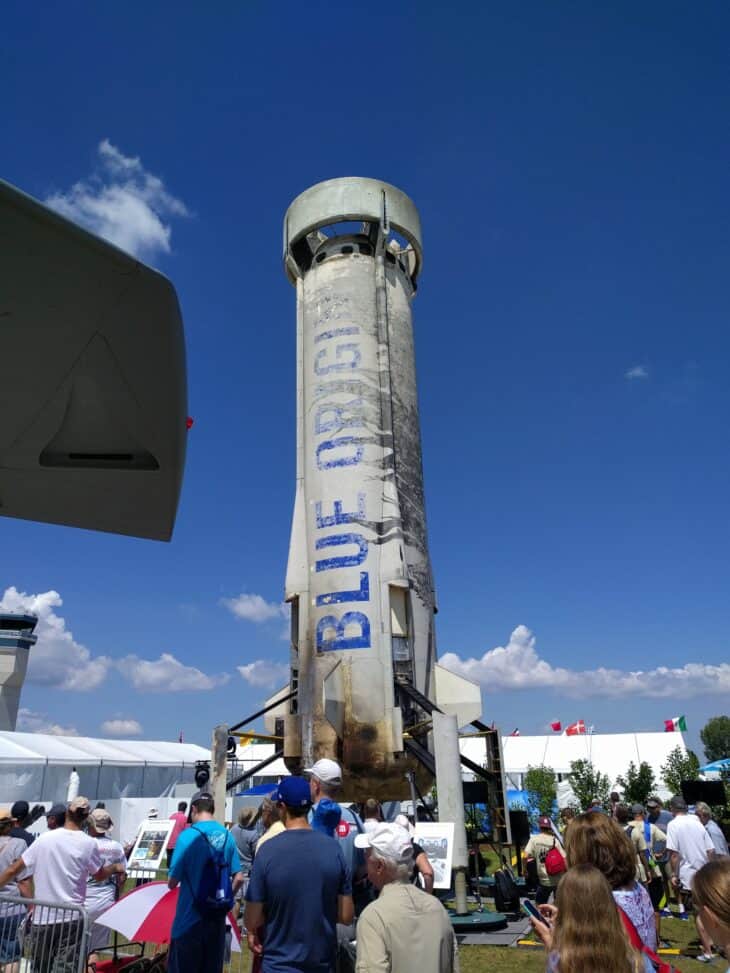
The suborbital group is almost entirely a 2020s story. Blue Origin’s New Shepard capsule carried 92 of its 95 members between July 2021, when Jeff Bezos flew on the first crewed flight, and January 2026.

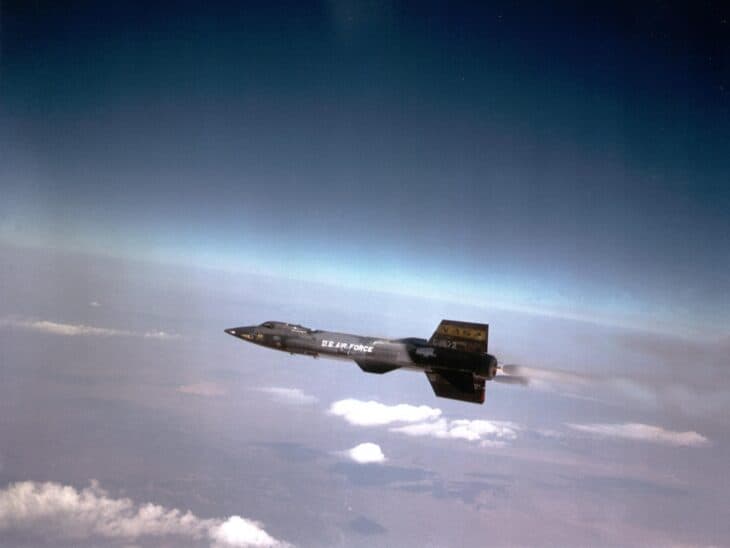
Before that, only three people had crossed 100 km without orbiting: X-15 pilot Joe Walker in 1963, and SpaceShipOne pilots Mike Melvill and Brian Binnie in 2004. Walker was also the first person to reach space twice.

The 50-mile group splits the same way. Six X-15 pilots from the 1960s, and 35 people who rode Virgin Galactic’s SpaceShipTwo Unity between 2018 and its last flight in June 2024, Richard Branson among them. Unity flights topped out between about 53 and 55 miles (85 to 89 km), which counts as space in the US and not in the international record books.


Both suborbital routes are closed for now. Blue Origin paused New Shepard on Jan. 30, 2026, for at least two years, and Virgin Galactic does not expect customer flights on its new Delta-class spaceplane before 2027.
Why You See 746, 787, 651 and 781
All of the first three are right. They answer different questions, and most pages quote one without saying which.
746 uses the Kármán line. The Fédération Aéronautique Internationale, which keeps aviation and space records, sets the edge of space at 100 km (62 miles). Wikipedia’s list of space travelers and most international counts use it.
787 uses the US line. The US Air Force, NASA and the FAA use 50 miles (80 km) instead. That adds the six X-15 pilots and the 35 Unity flyers who never reached 100 km.
651 counts orbit only. Spacefacts, one of the most detailed astronaut databases, lists people by their first orbital mission. Under that rule, Alan Shepard’s first flight in 1961 does not count, and he enters the list with Apollo 14 in 1971.
The number that mixes two definitions: 781
Wikipedia’s Astronaut article says 781 people had reached 100 km or more as of May 22, 2026. Its own list of space travelers had 740 people above 100 km on that date. Add the 41 people who crossed only the 50-mile line and you get exactly 781, so the figure is the US count with the international label on it.
The argument over the line is not settled. The five Air Force X-15 pilots got astronaut wings straight away, but the three civilian NASA pilots who passed 50 miles had to wait until 2005, and our explainer on why planes cannot simply fly into space covers the physics behind the boundary.
Which Countries Have Sent the Most People to Orbit?
Two countries account for nearly four in five orbital travelers. The United States alone has flown more than every other nation combined.
| Country | People who reached orbit |
|---|---|
| United States | 374 |
| Soviet Union and Russia | 141 |
| China | 30 |
| Japan | 14 |
| Canada | 13 |
| Germany (including East Germany) | 13 |
| France | 11 |
| Italy | 8 |
| All other countries | 47 |
| Total | 651 |
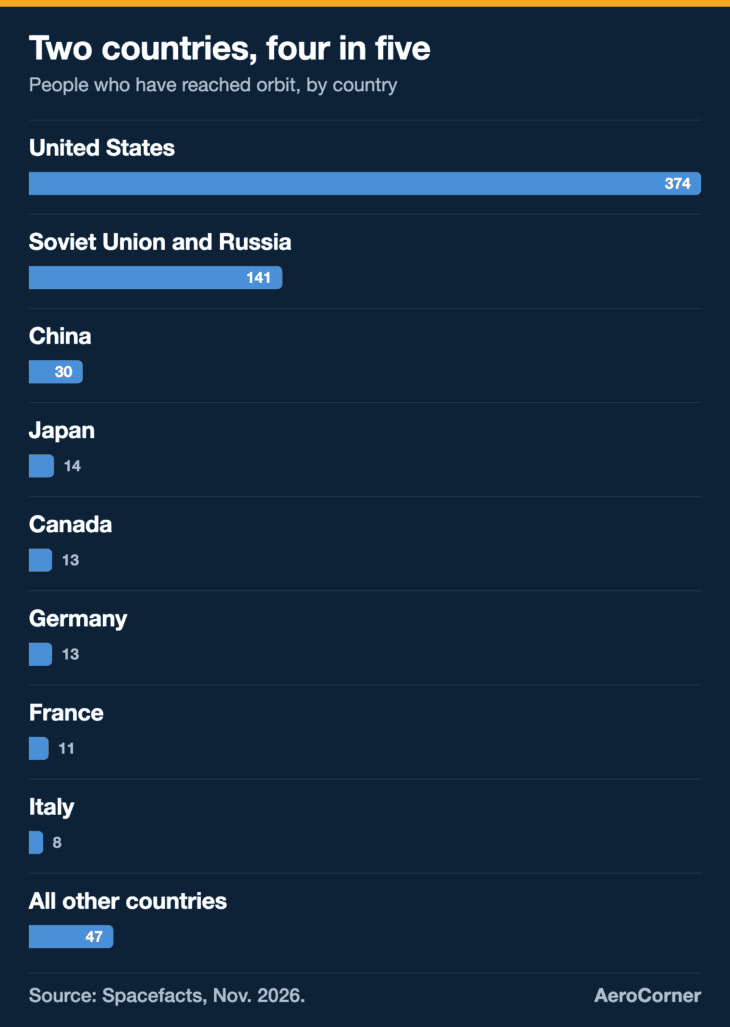
The US lead is mostly the Space Shuttle. Its big crews carried scientists, engineers and foreign astronauts, and 1985 alone added 40 new people to the orbital list, a record for a single year that still stands.
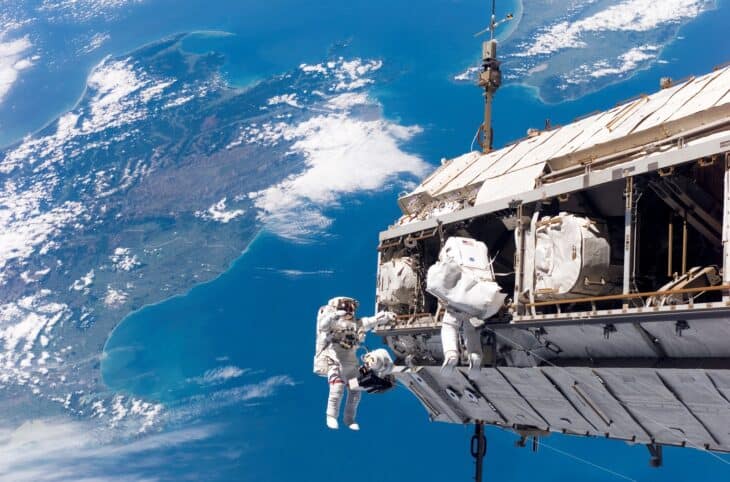

Many of those first American astronauts came from military cockpits, and our guide to the most famous astronauts and the aircraft they flew first traces where they started.
How Fast Is the Number Growing?
It slowed sharply after the Shuttle retired in 2011. Only 54 new people reached orbit in the whole of the 2010s, before SpaceX flew its first crew in May 2020.
SpaceX’s Crew Dragon, China’s Tiangong station and private missions turned it around. Already 89 new people have reached orbit in the 2020s, and 2025 added 19, the most in a year since 2009.
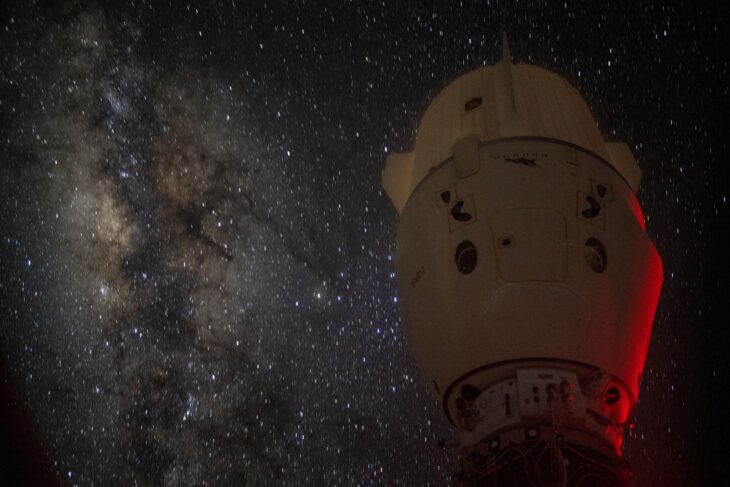

The next change is close. China’s Shenzhou 24 is expected to launch around Nov. 24, 2026, and is due to carry a Pakistani astronaut, the first foreign visitor to the Tiangong space station.
The suborbital count is frozen until New Shepard or Virgin Galactic flies again. If you want to be one of the next names on the list, our guide to space tourism covers the options.
How Many People Have Been to Space at Once?
The record for people in orbit at the same time is 19, set in September 2024 while the Polaris Dawn crew flew alongside the crews aboard the International Space Station and Tiangong.
Counting suborbital flights, the record above 100 km is 20, set on June 29, 2025, when a six-person New Shepard crew briefly joined 14 people in orbit. By the US 50-mile line, 20 people were also in space at once on May 25, 2023, during a Virgin Galactic flight.
FAQ
Sources and references used for research and fact-checking.
- Wikipedia, List of space travellers by first flight
- Spacefacts, Astronauts and Cosmonauts, sorted by first mission
- Spacefacts, Female astronauts and cosmonauts, sorted by first mission
- Wikipedia, Astronaut
- Wikipedia, VSS Unity
- Wikipedia, North American X-15
- Wikipedia, New Shepard
- Wikipedia, Virgin Galactic
- Wikipedia, List of spaceflight records
- SpacePolicyOnline, Launch of Shenzhou-24 with Pakistani astronaut
Get the Newsletter
The latest aviation news and stories sent to your inbox.
About the Author

Tim is the owner and lead editor of AeroCorner since 2019, overseeing aviation content covering aircraft, airlines, airports, and the broader aviation industry. Through years of researching, writing, editing, and publishing aviation-focused content, he has developed extensive practical knowledge of commercial aviation and air travel. Based in Asia and a frequent traveler himself, Tim also brings firsthand passenger experience to AeroCorner’s coverage. Outside of publishing, he has also explored aviation firsthand through hands-on flight training in New Zealand.