

Table of Contents
Texas has 1,861 open airports and landing facilities, according to the FAA’s airport master records effective October 29, 2026. That is more than any other state, and more than Florida (928) and California (864) put together.
Almost all of them are closed to you. 1,472 are private-use, 389 are open to the public, and just 25 boarded more than 10,000 airline passengers in 2025.
How Many Airports Are in Texas?
The FAA answer is 1,861 for 2026. In the FAA’s records, “airport” means any registered landing facility: runway airports, heliports, seaplane bases, gliderports and ultralight fields.
The file holds 1,960 Texas records in all, but 99 are marked closed. Nearly all of those are private ranch and farm strips, plus three public fields: Crystal City Municipal, Valley Mills Municipal and the Dallas CBD heliport downtown.
Count runway airports only and the number is 1,381. Count only the airports with real airline traffic and it drops to 25.
Texas airports at a glance
1,861 open landing facilities in FAA data effective October 29, 2026. 1,381 runway airports. 389 open to the public. 30 certified by the FAA for airline service. 25 primary airports with 10,000 or more boardings in 2025. 3 large hubs that carried 74 percent of those passengers.
What the 1,861 Actually Are
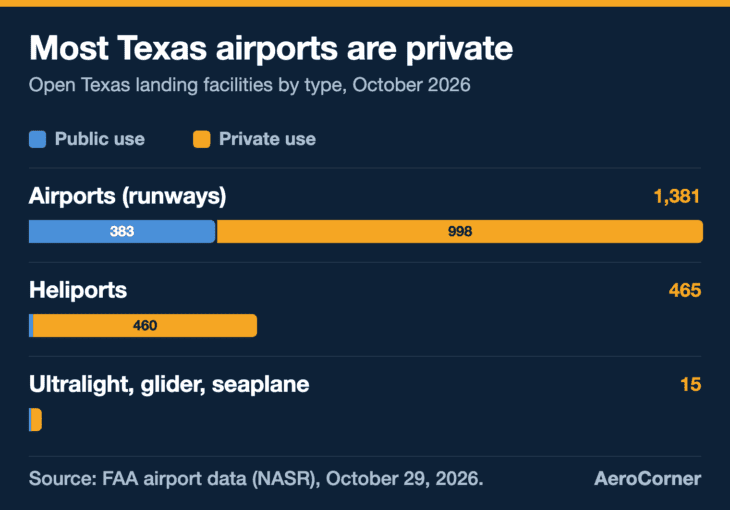
Split the total by type and by who may use it, and the picture changes. Three in four are runway airports, and four in five are private.
| Facility type | Public use | Private use | Total |
|---|---|---|---|
| Airports (runways) | 383 | 998 | 1,381 |
| Heliports | 5 | 460 | 465 |
| Ultralight fields | 0 | 7 | 7 |
| Gliderports | 0 | 5 | 5 |
| Seaplane bases | 1 | 2 | 3 |
| Total | 389 | 1,472 | 1,861 |
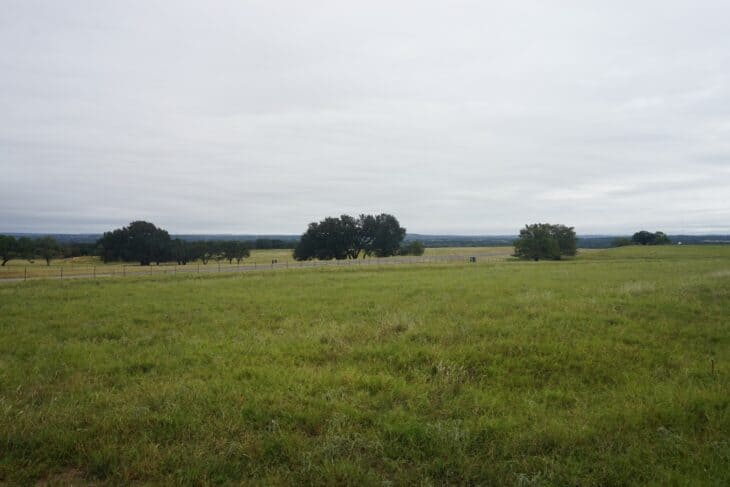
The private runways are the Texas signature. 998 of them are ranch strips, fly-in neighborhoods and company fields, usable only with the owner’s permission. That is more private runway airports than Alaska has runway airports of any kind.

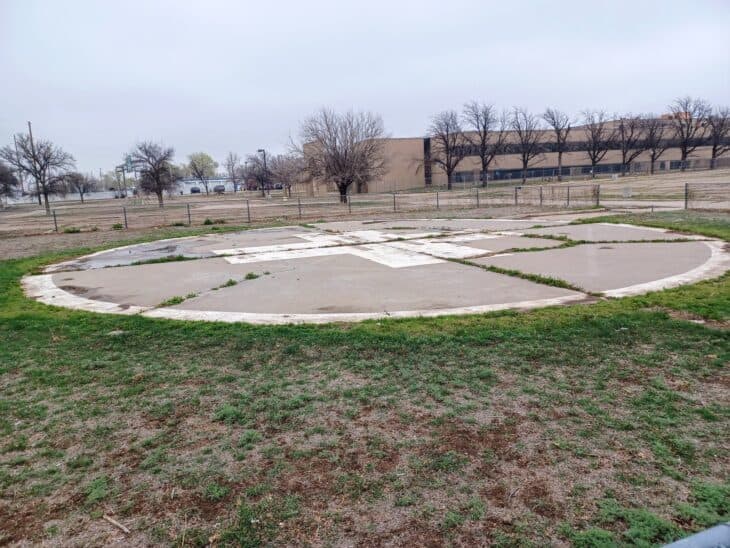
Heliports are the second surprise. Texas has 465, the most of any state, and at least 225 carry the name of a hospital, medical center or health system. Others sit on refineries, chemical plants, hotels and even the Dallas Cowboys’ headquarters.

The airports cluster around the big metros. Harris County, home to Houston, has the most landing facilities of any Texas county with 72, ahead of Tarrant (48) and Denton (47) in the Dallas-Fort Worth area. Our count of how many airports Houston has walks through that region.
Public use does not always mean public ownership. Of the 389 open to everyone, 282 are owned by a city, county or airport authority, 104 are privately owned but open to any pilot, and three belong to the military.
Very few are busy enough to need a control tower. The FAA file lists a tower at 62 of the 1,861 facilities. At every other Texas field, pilots coordinate with each other over a shared radio frequency. Our guide to the different types of airports explains how each class works.
How Many Texas Airports Have Airline Flights?
30 Texas airports hold an FAA operating certificate under 14 CFR Part 139 in the October 2026 file. An airport needs one to serve scheduled passenger flights on aircraft with more than 9 seats, or unscheduled flights from 31 seats up.
The FAA counts 25 Texas airports as primary, meaning they boarded at least 10,000 passengers in 2025. Unlike Florida, Texas has no airport in the small band between 2,500 and 10,000 boardings, so 25 is also its count of commercial service airports.
| Airport | FAA hub size | 2025 boardings |
|---|---|---|
| Dallas-Fort Worth (DFW) | Large | 41.3 million |
| Houston Bush Intercontinental (IAH) | Large | 23.3 million |
| Austin (AUS) | Large | 10.7 million |
| Dallas Love Field (DAL) | Medium | 8.2 million |
| Houston Hobby (HOU) | Medium | 6.8 million |
| San Antonio (SAT) | Medium | 5.2 million |
| El Paso (ELP) | Small | 1.9 million |
| Midland (MAF) | Small | 760,636 |
| Harlingen (HRL) | Small | 597,403 |
| Lubbock (LBB) | Small | 570,308 |
| McAllen (MFE) | Small | 568,312 |
| Amarillo (AMA) | Nonhub | 401,948 |
| Corpus Christi (CRP) | Nonhub | 372,988 |
| Laredo (LRD) | Nonhub | 140,929 |
| Brownsville (BRO) | Nonhub | 140,914 |
| Killeen, Robert Gray Army Airfield (GRK) | Nonhub | 112,853 |
| Abilene (ABI) | Nonhub | 105,976 |
| College Station (CLL) | Nonhub | 68,532 |
| Waco (ACT) | Nonhub | 52,669 |
| Tyler (TYR) | Nonhub | 51,380 |
| San Angelo (SJT) | Nonhub | 51,300 |
| Longview (GGG) | Nonhub | 33,436 |
| Beaumont (BPT) | Nonhub | 33,070 |
| Wichita Falls (SPS) | Nonhub | 31,815 |
| Victoria (VCT) | Nonhub | 14,417 |
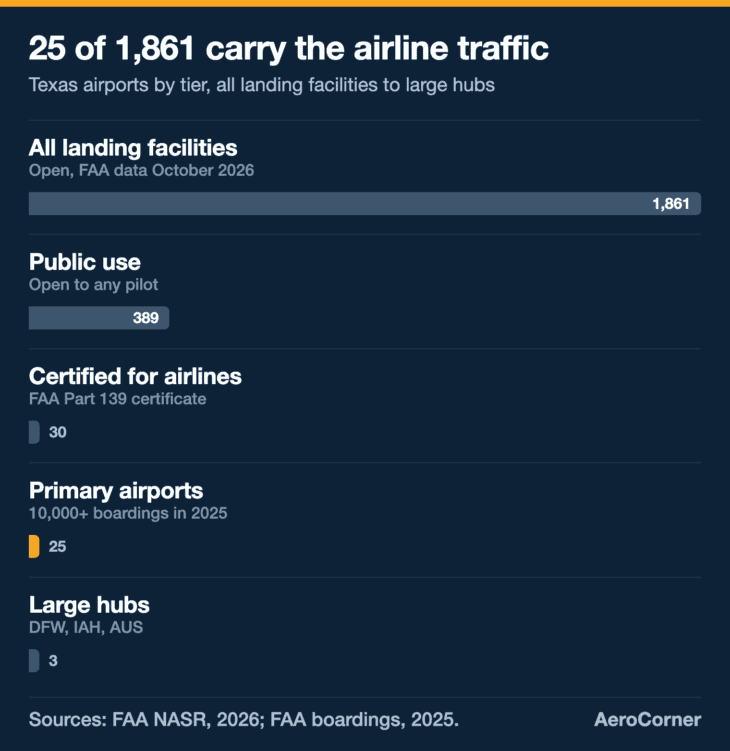
Those 25 airports boarded 101.4 million passengers in 2025, third among the states behind California and Florida. Three large hubs carried 74 percent of them, and DFW and Bush Intercontinental alone carried 64 percent.
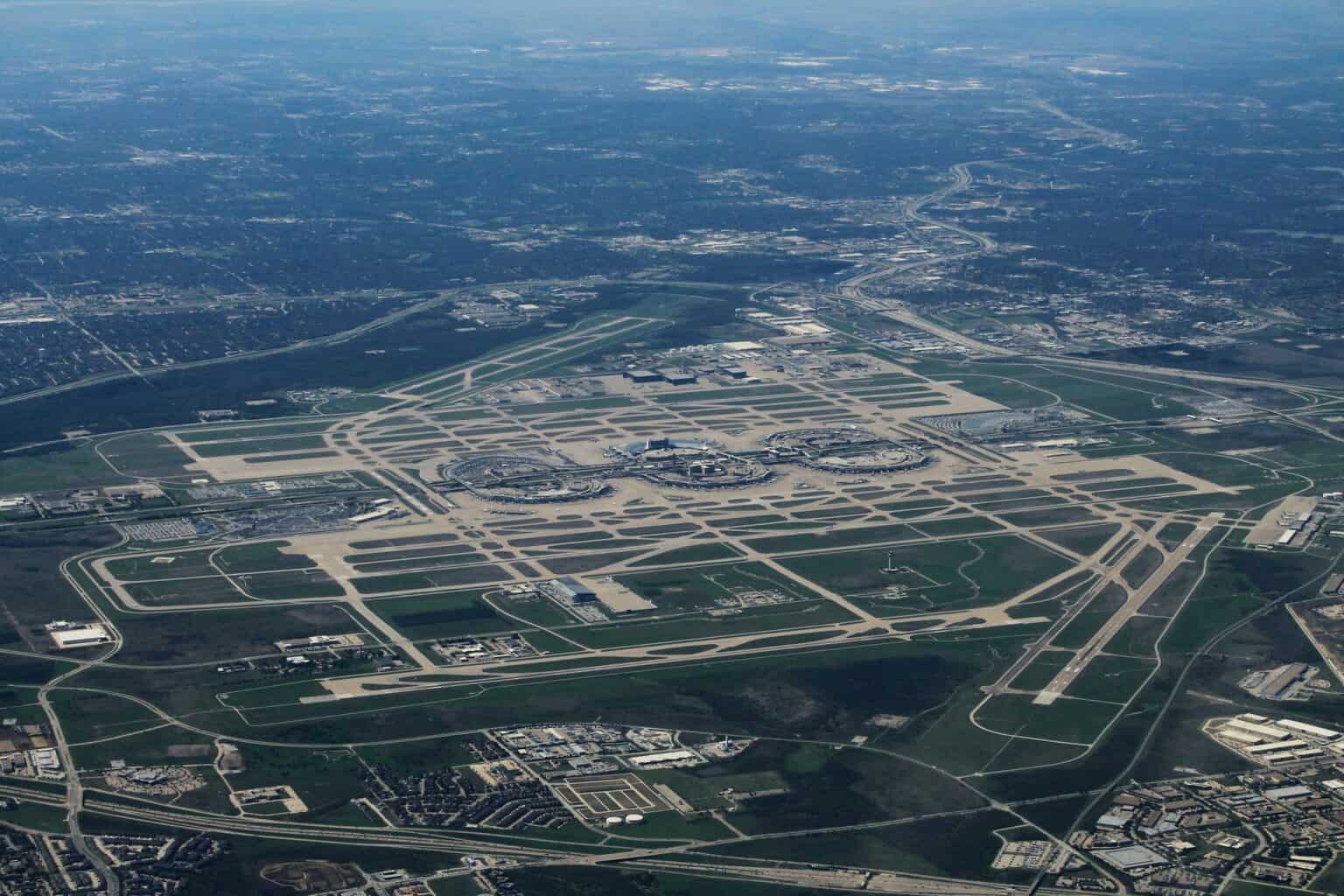
Dallas-Fort Worth is the busiest by a wide margin, with 41.3 million boardings, second in the country behind Atlanta. In AeroCorner analysis of airline schedule data, one sample week a month from August to November 2026, it averaged about 1,134 passenger-airline departures a day, to 246 destinations.
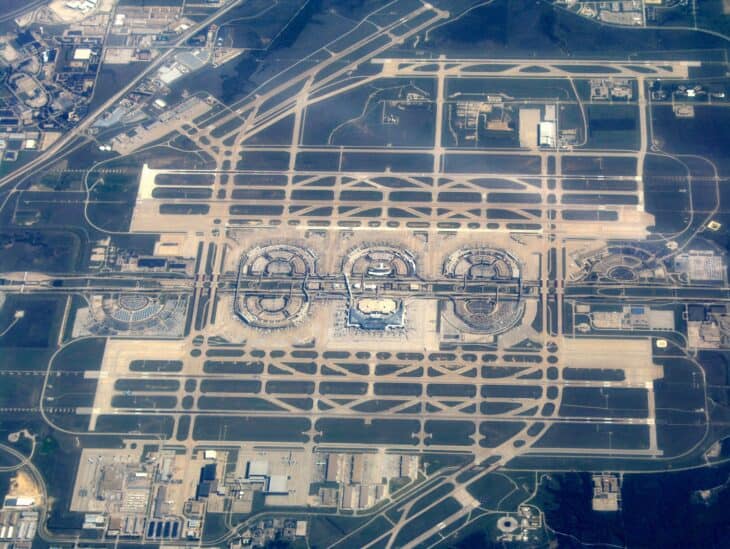

Dallas and Houston each run two airline airports, a big hub plus a close-in field where Southwest is the biggest airline. Our DFW vs Love Field comparison explains how the Dallas pair splits the traffic.
Two airline airports on military bases
Killeen’s airline airport is Robert Gray Army Airfield at Fort Hood, and the FAA lists it as Army owned. Wichita Falls shares its runways with Sheppard Air Force Base. Between them they boarded 144,668 airline passengers in 2025.
The list just grew. The FAA approved McKinney National Airport, north of Dallas, for airline service in September 2026, and Avelo Airlines flew its first passengers out on November 11, 2026. It makes McKinney the Dallas area’s third airline airport.
Why Other Sites Give a Different Number
Search the question and you will see 289, 26, 25, 389 and 1,861. All of them are real counts. They just count different things.
The state's 289 is a funding list, not a count
TxDOT’s October 2026 aviation economic impact report says the Texas Airport System includes 289 airports: 263 general aviation and 26 commercial service. That is the state’s system plan, the public airports that qualify for state or federal funding, not every place a plane can land. The FAA counts 389 public-use facilities and 1,861 in all.
The same TxDOT report gives two answers for airline airports. One page says 26 commercial service airports and another says “the state’s 25 commercial service airports”. The FAA’s 2025 boardings data supports 25.
The certificate count is higher again. Five Texas airports hold a Part 139 certificate without primary status: Fort Worth Alliance, Fort Worth Meacham, Ellington in Houston, Texas Gulf Coast Regional in Angleton, and Del Rio International. Del Rio logged zero airline boardings in both 2024 and 2025.
And the official file lags the news. McKinney’s new certificate does not yet show in the October 29 FAA data, so the real Part 139 count in November 2026 is 31.
Boardings do not follow the labels either. Scholes International at Galveston logged 31,956 boardings in 2025, more than two of the state’s primary airports, yet the FAA’s list classes it as general aviation.
Military fields add another layer. The FAA lists 23 military-owned sites in Texas: 9 Army, 7 Navy and 7 Air Force. Four of the seven Navy sites are outlying landing fields around Corpus Christi and Kingsville, where student pilots practice landings.
How Texas Compares With Other States
Texas ranks first for total landing facilities with 1,861, ahead of Florida with 928 and California with 864. Nationally, the FAA counts 19,445; our breakdown of how many airports are in the US explains where they all are.
On runway airports alone the lead is bigger still: 1,381 in Texas against 585 in Alaska and 476 in Florida. Texas also has the most heliports, with 465 to California’s 389.
Texas is not first everywhere. Alaska has three more public-use facilities, 392 to 389, and California ties Texas on airline-certified airports with 30 each.
Passengers are where Texas falls behind. Its 101.4 million boardings in 2025 trailed California’s 111.6 million and Florida’s 108.1 million, even though Texas has twice as many landing facilities as either. Our count of how many airports are in Florida shows how the runner-up compares.
FAQ
Sources and references used for research and fact-checking.
- Federal Aviation Administration, NASR 28-day subscription: airport data (APT CSV), effective October 29, 2026
- Federal Aviation Administration, CY 2025 Commercial Service Airports: passenger boardings, rank order and percent change from 2024
- Federal Aviation Administration, CY 2025 Enplanements at All Airports
- Bureau of Transportation Statistics, National Transportation Statistics, Table 1-3: Number of U.S. Airports
- Federal Aviation Administration, Part 139 Airport Certification
- Texas Department of Transportation, Aviation Division, Aviation Economic Impact Technical Report
- AirlineGeeks, FAA Approves Commercial Flights at McKinney National Airport
- Community Impact, Avelo Airlines launches 1st flight out of McKinney National Airport
Get the Newsletter
The latest aviation news and stories sent to your inbox.
About the Author

Tim is the owner and lead editor of AeroCorner since 2019, overseeing aviation content covering aircraft, airlines, airports, and the broader aviation industry. Through years of researching, writing, editing, and publishing aviation-focused content, he has developed extensive practical knowledge of commercial aviation and air travel. Based in Asia and a frequent traveler himself, Tim also brings firsthand passenger experience to AeroCorner’s coverage. Outside of publishing, he has also explored aviation firsthand through hands-on flight training in New Zealand.