

Table of Contents
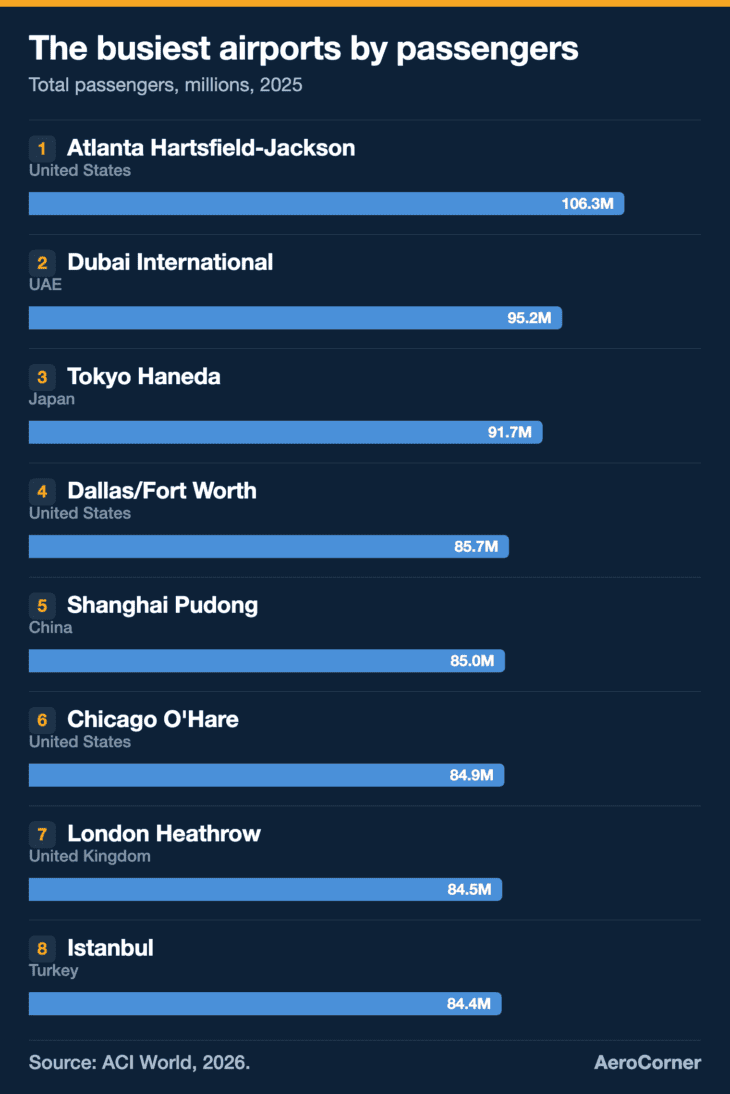
Atlanta Hartsfield-Jackson is the busiest airport in the world by passengers. It handled 106.3 million in 2025, about 11 million more than Dubai International in second place.
This ranking uses the final 2025 figures from ACI World, the global airports association, published in July 2026. The measure is total passengers: everyone who boarded or got off a plane at the airport during the year.
Below are the top 20, why each one sits where it does, and why 2026 is about to shake up the order behind Atlanta.
| Rank | Airport | Country | Passengers (2025) | Change vs 2024 |
|---|---|---|---|---|
| 1 | Atlanta Hartsfield-Jackson (ATL) | United States | 106,302,208 | -1.6% |
| 2 | Dubai International (DXB) | UAE | 95,192,160 | +3.1% |
| 3 | Tokyo Haneda (HND) | Japan | 91,679,814 | +6.7% |
| 4 | Dallas/Fort Worth (DFW) | United States | 85,660,127 | -2.5% |
| 5 | Shanghai Pudong (PVG) | China | 84,994,548 | +10.7% |
| 6 | Chicago O’Hare (ORD) | United States | 84,856,018 | +6.0% |
| 7 | London Heathrow (LHR) | United Kingdom | 84,482,126 | +0.7% |
| 8 | Istanbul (IST) | Turkey | 84,437,710 | +5.5% |
| 9 | Guangzhou Baiyun (CAN) | China | 83,582,952 | +9.5% |
| 10 | Denver (DEN) | United States | 82,427,962 | +0.1% |
| 11 | Delhi Indira Gandhi (DEL) | India | 78,148,081 | +0.4% |
| 12 | Seoul Incheon (ICN) | South Korea | 74,126,912 | +4.1% |
| 13 | Los Angeles (LAX) | United States | 73,709,594 | -3.8% |
| 14 | Paris Charles de Gaulle (CDG) | France | 72,029,407 | +2.5% |
| 15 | Beijing Capital (PEK) | China | 70,742,712 | +5.0% |
| 16 | Singapore Changi (SIN) | Singapore | 69,982,000 | +3.5% |
| 17 | Amsterdam Schiphol (AMS) | Netherlands | 68,771,592 | +2.9% |
| 18 | Madrid-Barajas (MAD) | Spain | 68,118,754 | +3.0% |
| 19 | Shenzhen Bao’an (SZX) | China | 66,485,213 | +8.2% |
| 20 | Kuala Lumpur (KUL) | Malaysia | 63,409,501 | +11.0% |
How this ranking works
ACI World collects traffic reports from more than 2,800 airports and ranks them by total passengers: everyone enplaned plus everyone deplaned, with passengers who stay on board a through flight counted once. A traveler who changes planes is counted twice, arriving and leaving, which is why big connecting hubs rank so high. These are the final 2025 figures, released on July 15, 2026. ACI’s preliminary April list differed slightly at Shanghai and Chicago but had the same order.
Counting passengers gives a different list from counting flights. Chicago O’Hare had the most takeoffs and landings in 2025, and our ranking of the busiest airports in the world by flights per day puts it first. By passengers it is sixth, because airports full of wide-body jets move more people per flight.
1. Atlanta Hartsfield-Jackson (ATL): 106.3 million passengers
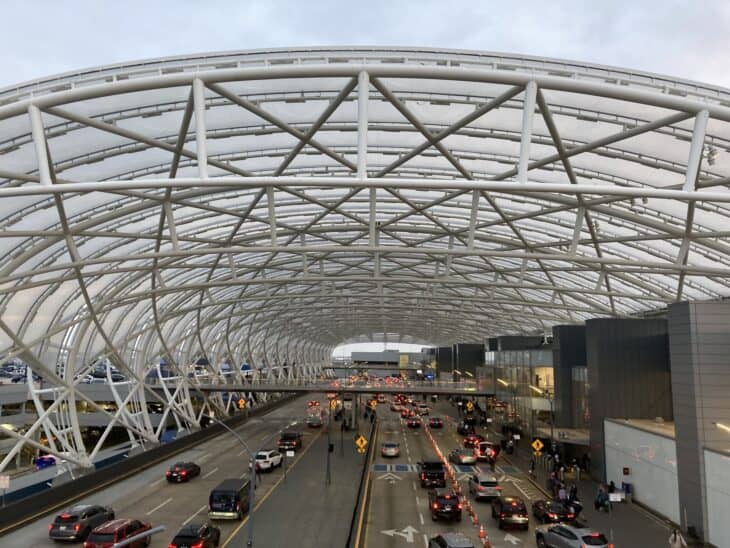

Atlanta handled 106,302,208 passengers in 2025, 1.6% fewer than in 2024 and 3.8% below 2019. It has been the world’s busiest passenger airport every year since 1998 except 2020, when Guangzhou briefly took the title.
The dip came mostly from Southwest Airlines cutting its Atlanta schedule by about a third, according to the Atlanta Journal-Constitution. Even so, Atlanta’s lead over Dubai is 11.1 million passengers, more than the gap between fourth and 11th place.
The engine is Delta’s largest hub and a mostly domestic market: ACI says four of the five US airports in the top 20 draw 80% to 95% of their traffic from domestic flights. Why that ended up in Georgia is its own story, told in why the world’s busiest airport is in Atlanta.
2. Dubai International (DXB): 95.2 million passengers
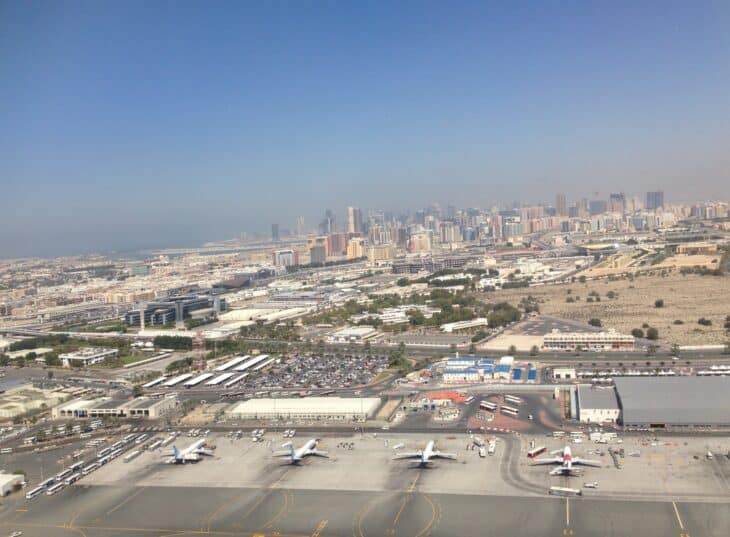

Dubai handled 95,192,160 passengers in 2025, up 3.1%, and every one of them was on an international flight. It is the busiest international airport in the world by a wide margin: London Heathrow, second, had 79.9 million international passengers.
Dubai Airports says that total is the highest annual international traffic any airport has ever recorded. It moved those passengers on 454,800 flights, an average of 214 people per takeoff or landing, which the operator puts down to larger aircraft. Emirates, its biggest airline, flies only wide-body jets.
Fewer flights, more people
Dubai averaged 214 passengers per aircraft movement in 2025. Atlanta averaged about 132 (106.3 million passengers on 807,625 movements) and Chicago O’Hare about 99 (84.9 million on 857,392). O’Hare had nearly twice as many takeoffs and landings as Dubai and still carried 10 million fewer passengers.
3. Tokyo Haneda (HND): 91.7 million passengers
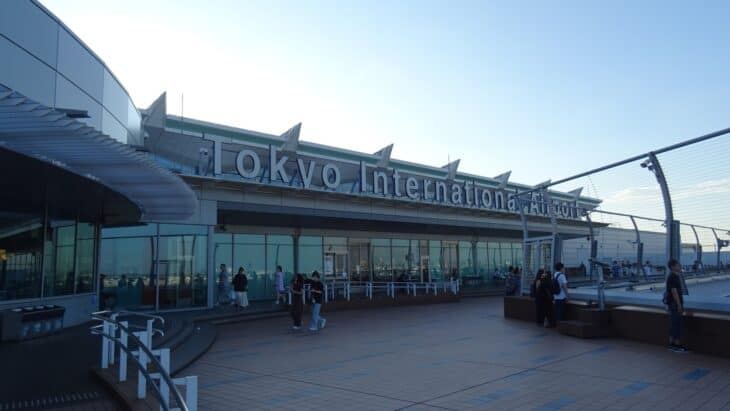

Haneda handled 91,679,814 passengers, up 6.7% from 2024, and climbed from fourth to third. ACI singles it out as the sign of Asia-Pacific’s comeback.
Haneda carries both Japan’s busy domestic trunk routes and a growing long-haul network. It is now 3.5 million passengers behind Dubai.
4. Dallas/Fort Worth (DFW): 85.7 million passengers
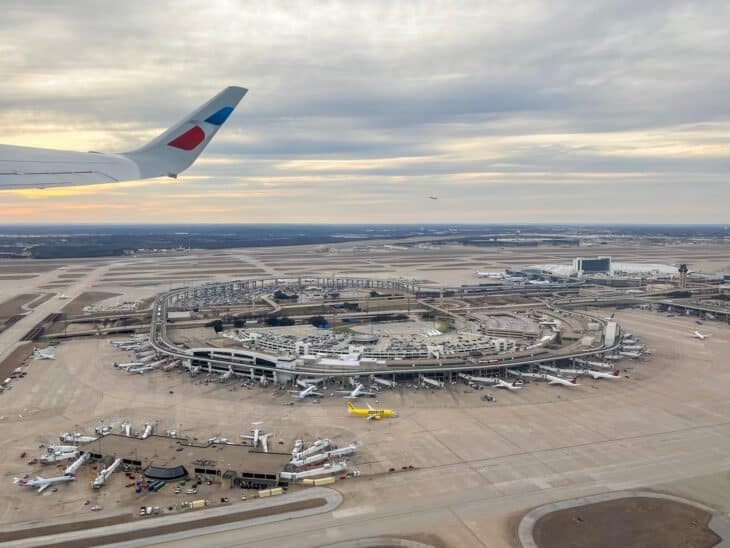

DFW handled 85,660,127 passengers, down 2.5%, and slipped from third to fourth. It is still 14.1% above 2019, when it ranked 10th.
DFW is American Airlines’ main hub and the second busiest airport in North America by passengers, according to Airports Council International-North America. It also had the third most aircraft movements in the world, 743,394.
5. Shanghai Pudong (PVG): 85.0 million passengers
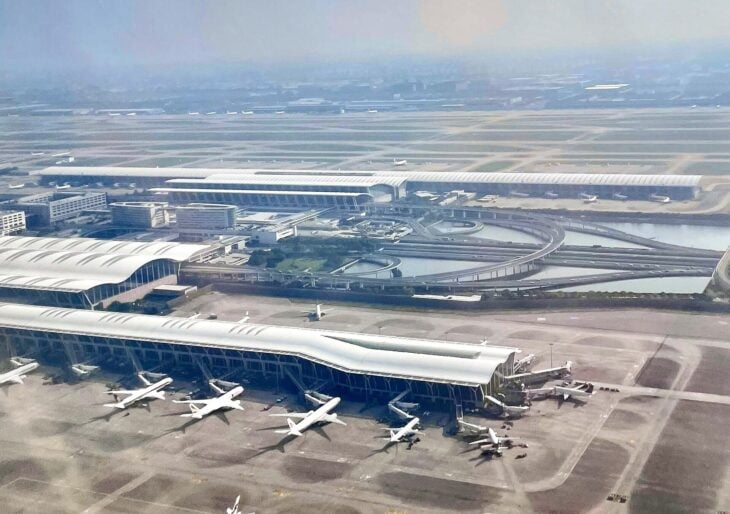

Pudong handled 84,994,548 passengers, up 10.7%, and jumped from 10th to fifth, the biggest rise in the top 10. ACI credits the return of international travel to China, helped by eased visa rules.
Shanghai’s international gateway also ranks second in the world for cargo, with 4.1 million metric tons (about 9 billion pounds) in 2025, behind only Hong Kong.
6. Chicago O’Hare (ORD): 84.9 million passengers
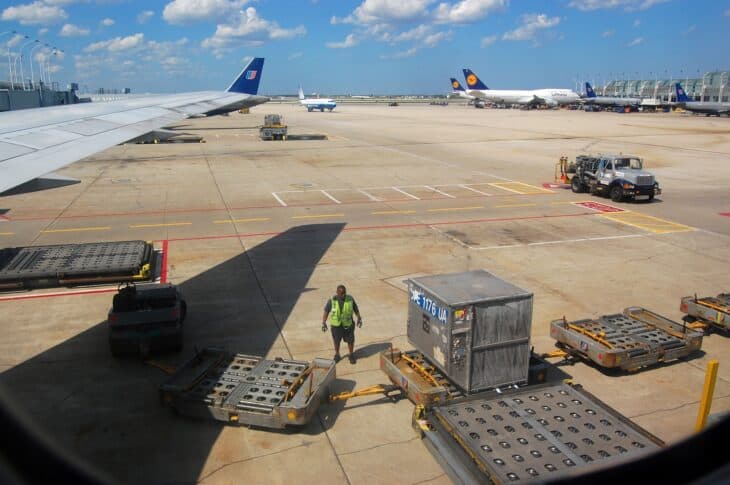

O’Hare handled 84,856,018 passengers, up 6.0%, and moved from eighth to sixth. It also took the world title for aircraft movements, with 857,392, ending a run Atlanta had held since 2020.
Chicago’s leaders used that to call O’Hare the nation’s busiest airport, and the argument is fair on flights. On passengers it trails Atlanta by 21.4 million, because each of its flights carries fewer people on average: about 99, against Atlanta’s 132.
7. London Heathrow (LHR): 84.5 million passengers
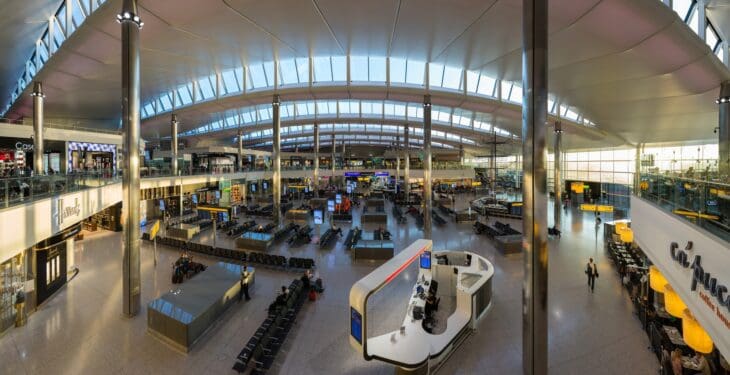

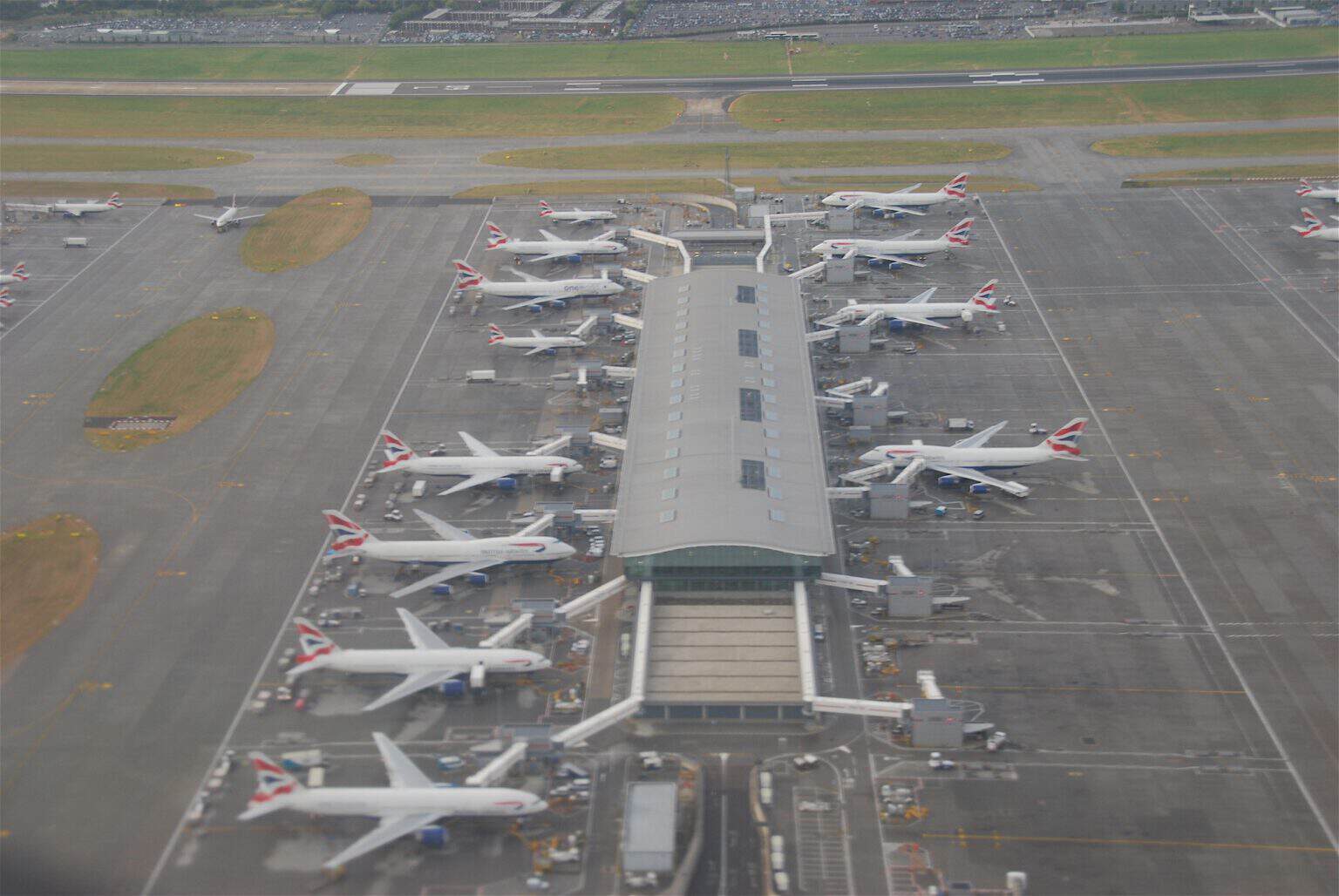
Heathrow handled a record 84,482,126 passengers but fell from fifth to seventh, because its growth was only 0.7%. Heathrow has only two runways and is pinning its future growth on expansion plans.
About 95% of its traffic is international. Its biggest markets in 2025 were the European Union, with 28.4 million passengers, and North America, with 20.6 million.
8. Istanbul (IST): 84.4 million passengers
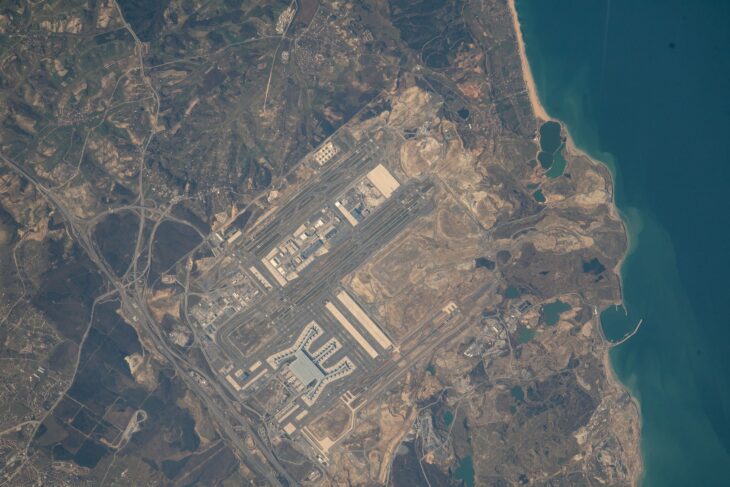

Istanbul handled 84,437,710 passengers, up 5.5%, and is 61.8% above 2019. That last figure flatters it: the new airport took over from Atatürk in April 2019, so its 2019 count is not a full year.
Turkish Airlines’ hub was the sixth busiest in the world for international passengers, with 66.6 million, and it tops our list of the busiest airports in Europe. ACI also notes that airspace closures in 2025 pushed connecting traffic toward hubs like Istanbul.
9. Guangzhou Baiyun (CAN): 83.6 million passengers
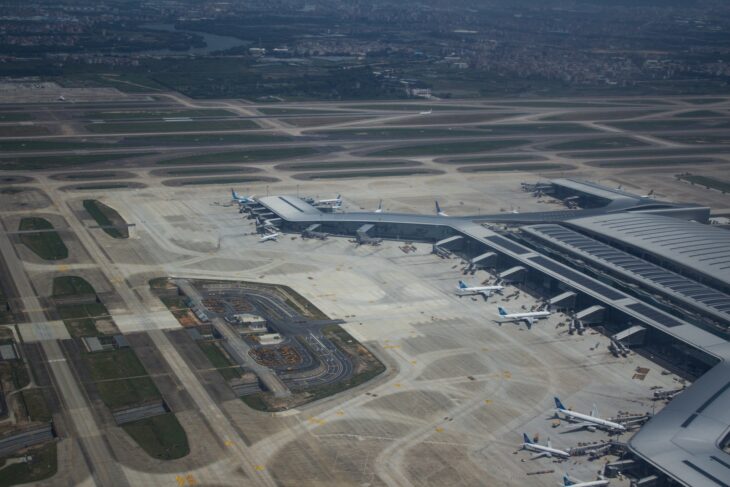

Guangzhou handled 83,582,952 passengers, up 9.5%, and rose from 12th to ninth. Its path is the strangest in the top 20: first in the world in 2020, 57th in 2022, back to ninth in 2025.
The swing tracks China’s pandemic policy: its domestic market recovered first in 2020, and lockdowns hit hardest in 2022.
10. Denver (DEN): 82.4 million passengers
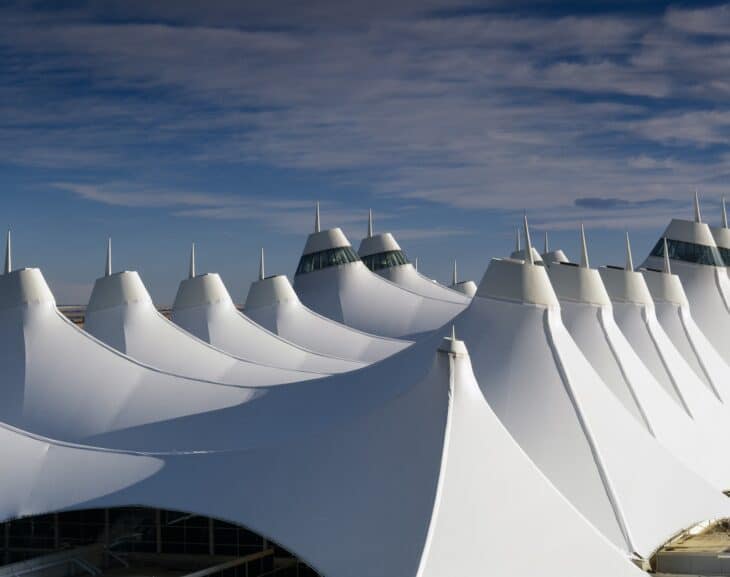
Denver handled 82,427,962 passengers, almost unchanged from 2024 (+0.1%), and fell from sixth to 10th as faster-growing Asian airports passed it. It is still up 19.4% on 2019, the biggest gain of any US airport in the top 20.
It had 701,335 aircraft movements, fourth in the world. Denver, Dallas, Chicago and Atlanta are all mostly domestic connecting hubs, and all four lead our ranking of the busiest airports in the US.
11. Delhi Indira Gandhi (DEL): 78.1 million passengers
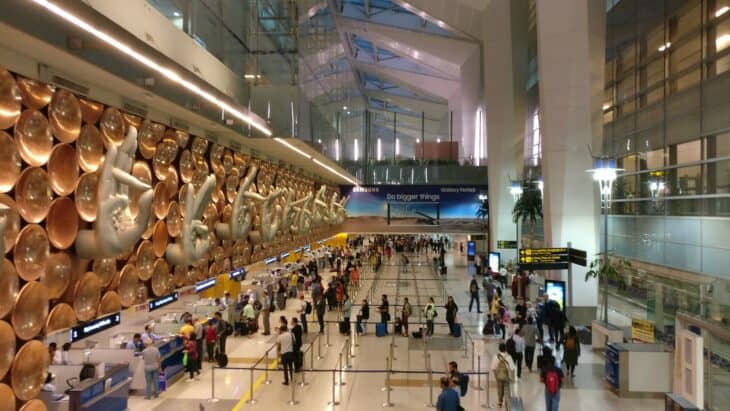

Delhi handled 78,148,081 passengers, up just 0.4%, and dropped from ninth to 11th. It is India’s busiest airport and 14.1% above 2019, when it ranked 17th.
12. Seoul Incheon (ICN): 74.1 million passengers
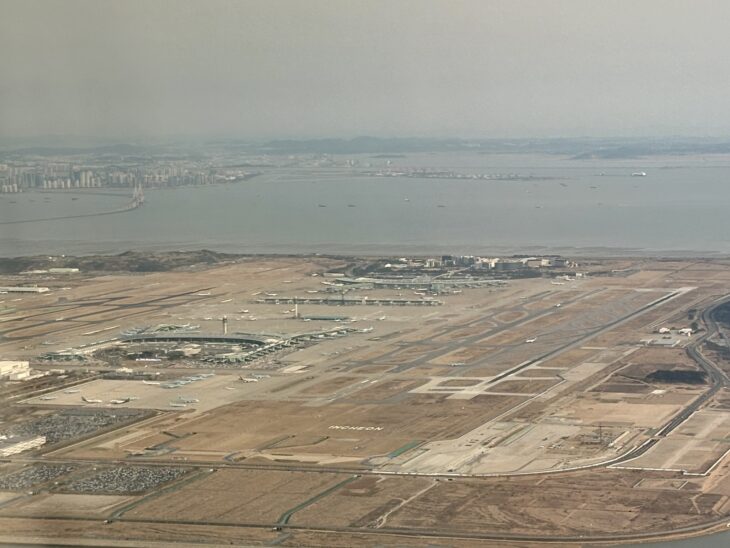

Incheon handled 74,126,912 passengers, up 4.1%. Almost all of them, 73.6 million, flew internationally, making it the third busiest international airport in the world after Dubai and Heathrow.
Seoul’s domestic flying, including the busy Jeju route, goes through the city’s other airport, Gimpo. That keeps Incheon’s total lower than its international rank suggests.
13. Los Angeles (LAX): 73.7 million passengers
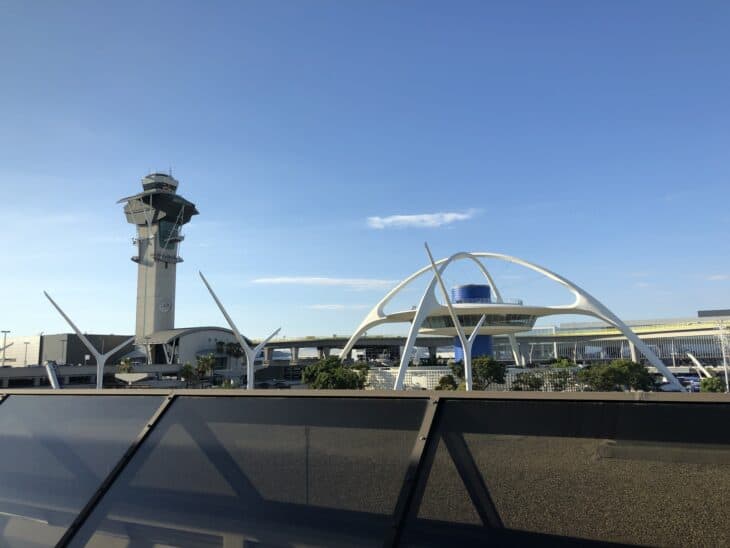

LAX handled 73,709,594 passengers, down 3.8%, and fell from 11th to 13th. In 2019 it was third in the world; it is now 16.3% below that year, the second-largest shortfall in the top 20.
It is the most international of the five US airports on the list, with 68% of its passengers on domestic flights.
14. Paris Charles de Gaulle (CDG): 72.0 million passengers
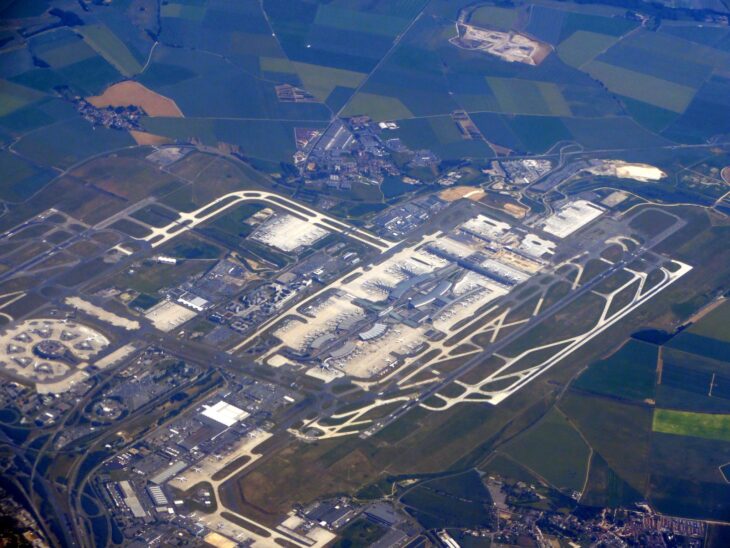

Charles de Gaulle handled 72,029,407 passengers, up 2.5%, holding 14th place. It is still 5.4% below 2019, when it ranked ninth.
Air France’s hub is overwhelmingly international, with 66.1 million international passengers, seventh in the world.
15. Beijing Capital (PEK): 70.7 million passengers
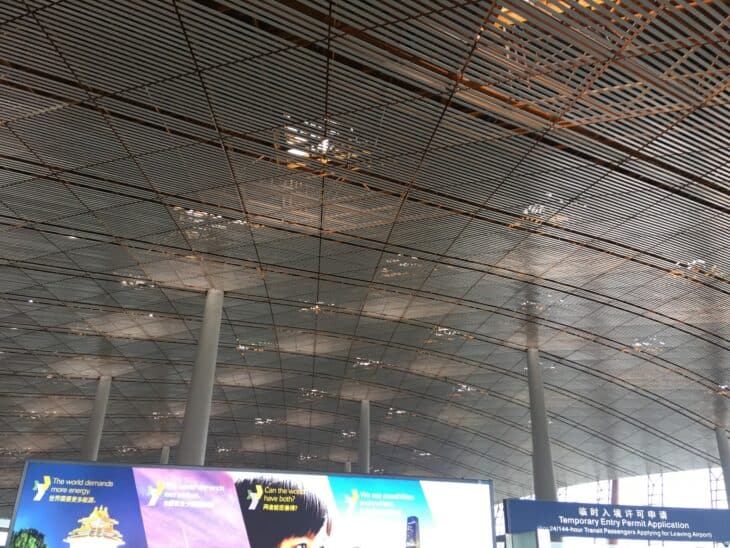

Beijing Capital handled 70,742,712 passengers, up 5.0%. It has the biggest drop on the list from before the pandemic: second in the world in 2019, 15th now, and 29.3% below 2019.
Most of that traffic did not vanish. It moved across the city to Beijing Daxing, which opened in September 2019 and took over several large airlines.
16. Singapore Changi (SIN): 70.0 million passengers
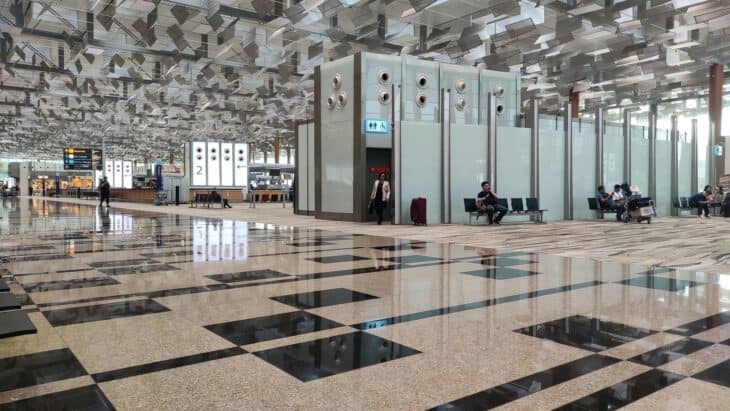

Changi handled 69,982,000 passengers, up 3.5%, and is 2.5% above 2019. Singapore has no domestic flights, so ACI counts 69.4 million of them as international, fourth in the world.
17. Amsterdam Schiphol (AMS): 68.8 million passengers
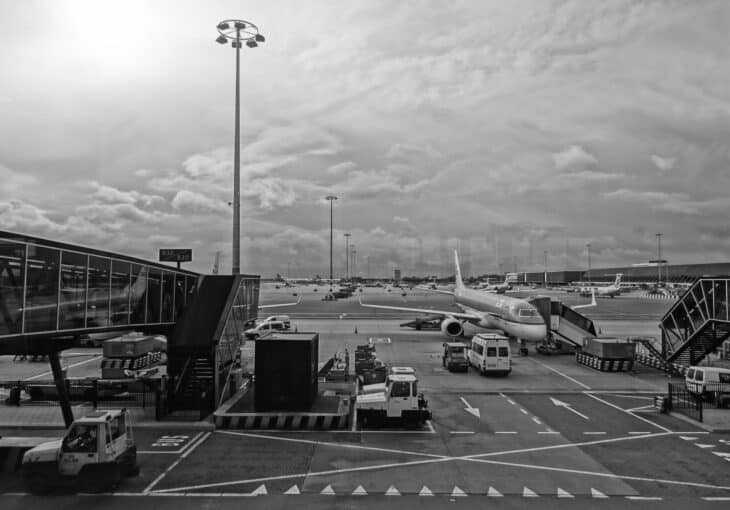

Schiphol handled 68,771,592 passengers, up 2.9%, and held 17th. Like Changi, almost all of its traffic is international, fifth in the world on that measure.
It remains 4.1% below 2019, when it ranked 12th.
18. Madrid-Barajas (MAD): 68.1 million passengers
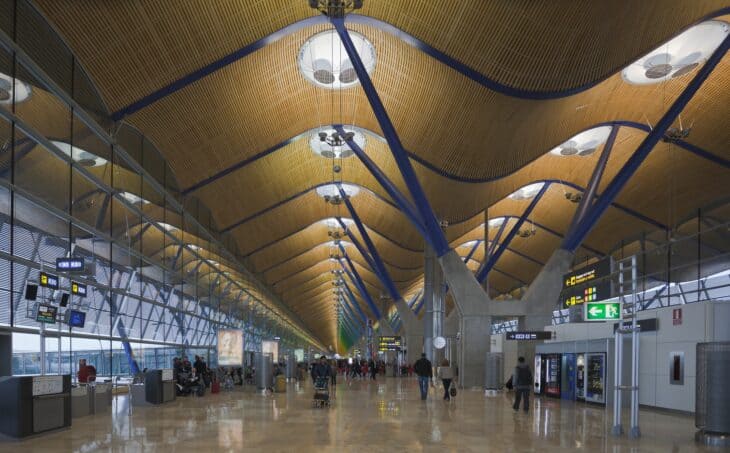

Madrid handled 68,118,754 passengers, up 3.0%, and is 10.4% above 2019, when it ranked 22nd. About three quarters of its passengers, 51.4 million, flew internationally.
That international count is 11th in the world, one place ahead of Bangkok.
19. Shenzhen Bao’an (SZX): 66.5 million passengers
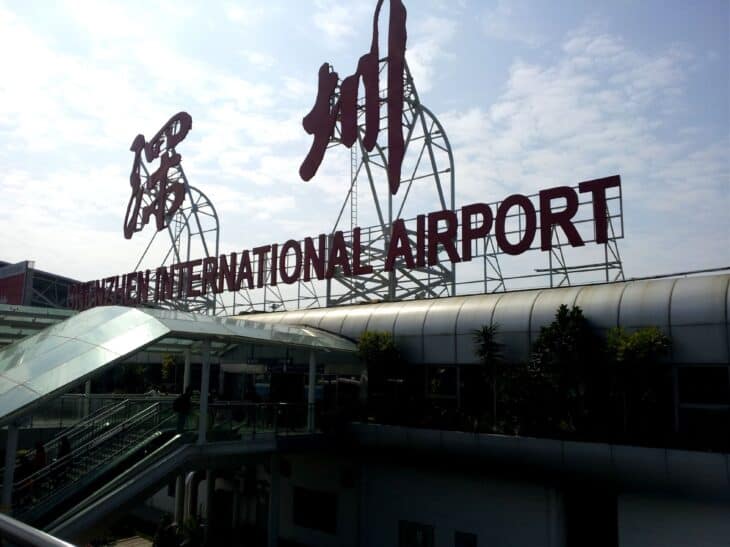

Shenzhen handled 66,485,213 passengers, up 8.2%, and climbed from 22nd to 19th. It is 25.6% above 2019, when it ranked 26th, the second-largest gain on the list after Istanbul.
Shenzhen is the fourth Chinese airport in the top 20, alongside Shanghai Pudong, Guangzhou and Beijing Capital. Only the United States, with five, has more.
20. Kuala Lumpur (KUL): 63.4 million passengers
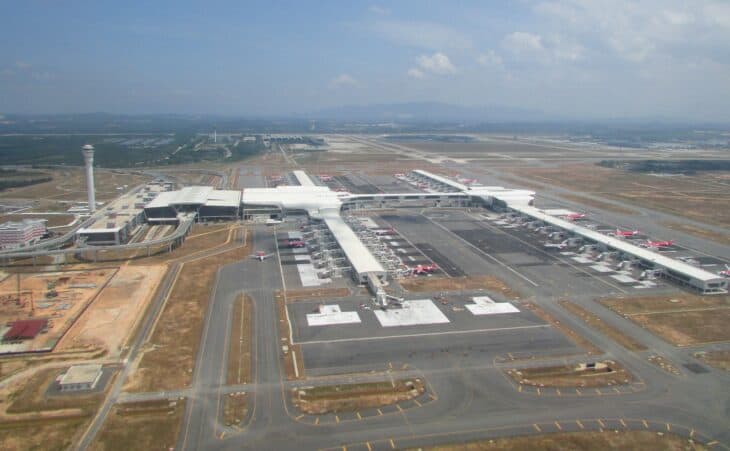

Kuala Lumpur handled 63,409,501 passengers, up 11.0%, the fastest growth in the top 20. It jumped six places, from 26th to 20th, the biggest climb on the list.
ACI credits domestic traffic growth of 17%, international growth of 8.7% and stronger links with China, ahead of the Visit Malaysia 2026 campaign.
What about Hong Kong?
Hong Kong is the world’s busiest cargo airport and eighth for international passengers, with 60.8 million in 2025. It misses the top 20 because it has no domestic flights to add on top, while Kuala Lumpur in 20th place adds about 18 million domestic passengers to its international total. Doha, 10th for international passengers with 54.3 million, misses for the same reason.
Which airport will be the busiest in 2026?
Atlanta is the safe bet for first place again. The real change is likely to be in second place, because of what 2026 has done to Dubai.
After the United States and Israel attacked Iran on February 28, 2026, Iran struck the UAE and other Gulf states, and airports closed temporarily and airlines suspended flights across the region. Dubai Airports called it one of the most challenging operating environments in the airport’s history. Dubai International handled 31.5 million passengers in the first half of 2026, down 31.3% on the same period of 2025.
Traffic is recovering: 3.5 million passengers in April, 4.5 million in May and 5 million in June. But to match its 2025 total, Dubai would need 63.7 million in the second half, twice what it managed in the first.
In February, before the war, Dubai Airports had forecast 99.5 million passengers for 2026. That number is now out of reach, which leaves Tokyo Haneda, 91.7 million in 2025 and growing, the obvious candidate for second. If ACI follows this year’s timing, its preliminary 2026 ranking will arrive in April 2027.
The top 20 in numbers
The 20 busiest airports handled 1.59 billion passengers in 2025, about 16% of the 9.8 billion who flew worldwide. Global passenger traffic grew 3.7% on 2024 and is 6.5% above 2019, according to ACI.
The United States has five airports in the top 20 and China four. No other country has more than one. Europe has four, or five if you count Istanbul, and the whole list sits in the Northern Hemisphere.
Busiest is not the same as biggest, either. The airports that cover the most ground are a different list again, ranked in our guide to the biggest airports in the world by land area.
FAQ
Sources and references used for research and fact-checking.
- ACI World, Busiest airports in the world
- ACI World, World's Busiest Airports: Atlanta Holds, Asia Climbs
- ACI World Insights, What Are the Busiest Airports in the World in 2025?
- Airports Council International-North America, Airports Council Releases 2025 North American Airport Traffic Rankings
- Government of Dubai Media Office, DXB sets new global benchmark as record traffic volumes become the norm
- Gulf News, Dubai Airport records 95.2m fliers last year, inches closer to 100m in 2026
- Khaleej Times, Dubai airport passenger traffic rebounding after 31% drop in H1 2026
- Heathrow, Record year for Heathrow brings benefits to passengers and airlines
- Atlanta Journal-Constitution, In busiest airport battle, Atlanta takes top spot. Rival Chicago disagrees.
Get the Newsletter
The latest aviation news and stories sent to your inbox.
About the Author

Tim is the owner and lead editor of AeroCorner since 2019, overseeing aviation content covering aircraft, airlines, airports, and the broader aviation industry. Through years of researching, writing, editing, and publishing aviation-focused content, he has developed extensive practical knowledge of commercial aviation and air travel. Based in Asia and a frequent traveler himself, Tim also brings firsthand passenger experience to AeroCorner’s coverage. Outside of publishing, he has also explored aviation firsthand through hands-on flight training in New Zealand.