Light Helicopters
Sikorsky Schweizer 333
ICAO: S333
The turbine light helicopter built to modernize a classic training platform
The latest aviation news and stories sent to your inbox.
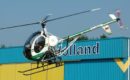
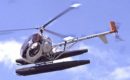
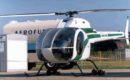
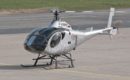
The Sikorsky Schweizer S-434 was developed as a turbine-powered evolution of the 300 series. Intended to combine the familiar handling of the piston trainer with turbine reliability, it targeted both training and light utility markets. The aircraft represented an effort to modernize a legacy design.
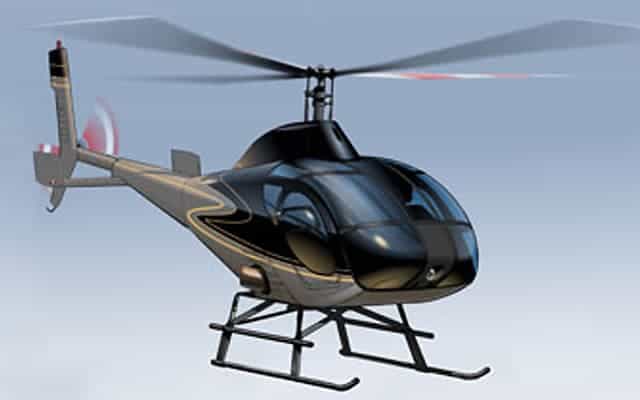
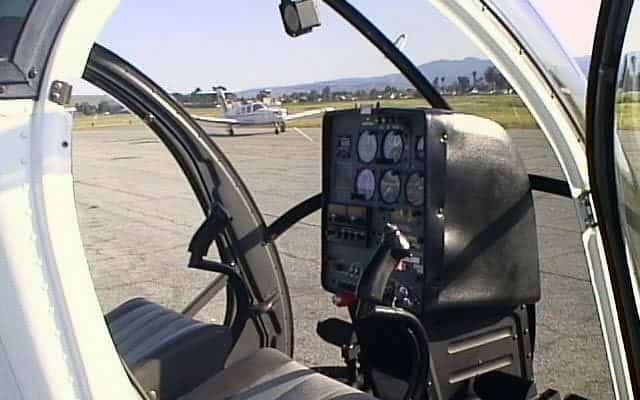
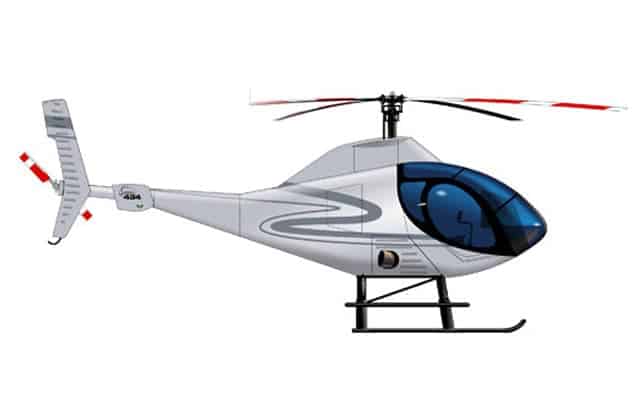

The S-434 program was launched in the 2000s following Sikorsky’s acquisition of Schweizer Aircraft. It retained the basic rotor system and configuration of the 300 series but incorporated a Rolls-Royce 250 series turboshaft engine. This upgrade aimed to improve reliability and reduce maintenance compared with piston-powered variants.
The helicopter cruises at approximately 100 knots (185 km/h) and has a maximum takeoff weight of about 2,200 pounds (1,000 kg). The turbine installation improved power response and altitude performance. Cabin configuration remained similar to earlier 300 models.
Despite its technical merits, the S-434 saw limited production. Market demand for turbine trainers in this size category remained constrained. The aircraft nonetheless demonstrated the adaptability of the longstanding 300 airframe design.