Light Helicopters
Sikorsky Schweizer 333
ICAO: S333
The latest aviation news and stories sent to your inbox.
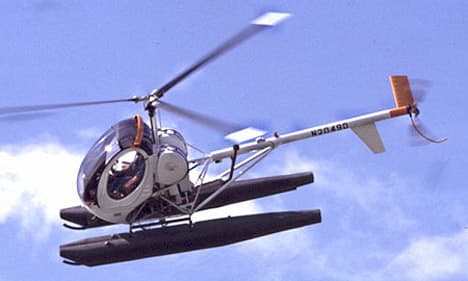
The Sikorsky Schweizer 300C Utility is a piston-powered light helicopter adapted for both instruction and light utility work. Derived from the long-running 300 series, it emphasizes durability and straightforward maintenance. The aircraft has served civilian and government operators worldwide.

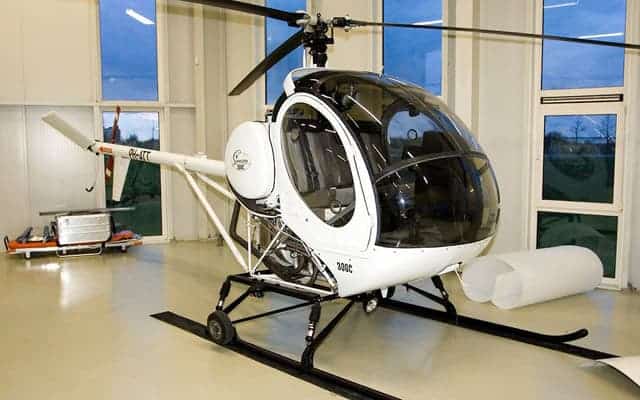

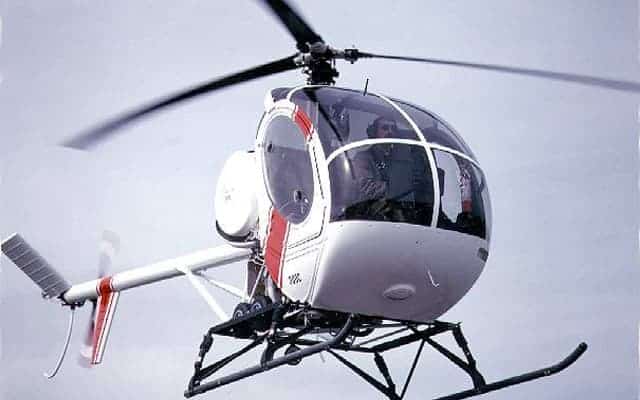
The 300C Utility developed from earlier Schweizer 300 variants that evolved from the Hughes 269 design. Over time, the airframe was strengthened and adapted for broader mission profiles beyond primary training. The helicopter entered service in the late twentieth century and became common in light utility roles.
Powered by a Lycoming piston engine producing approximately 190 horsepower, the aircraft cruises near 90 knots (165 km/h). Maximum takeoff weight is roughly 2,100 pounds (950 kg). Its three-blade rotor system provides stable hover characteristics and predictable control response.
The 300C Utility has been used for patrol, agricultural support, and light transport missions. Its simple mechanical systems and modest operating costs have contributed to its longevity. The aircraft remains a representative example of practical piston-powered rotary-wing design.