Light Helicopters
Sikorsky Schweizer 333
ICAO: S333
The latest aviation news and stories sent to your inbox.
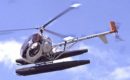
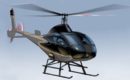
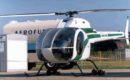
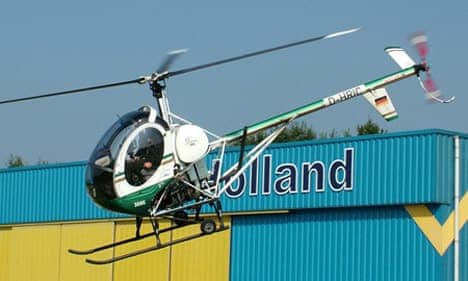
The Sikorsky Schweizer 300CBi is a light piston-engine helicopter developed primarily for flight training. Known for its stability and straightforward handling, it has served as an entry-level platform for generations of pilots. The aircraft emphasizes simplicity and durability.
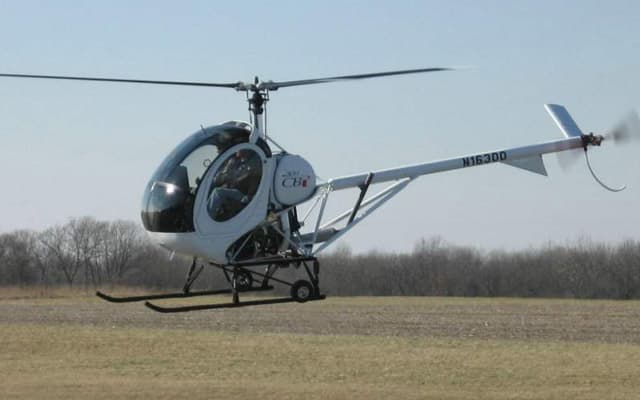
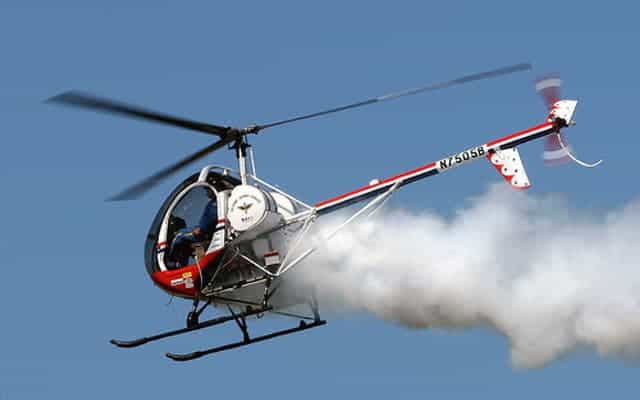

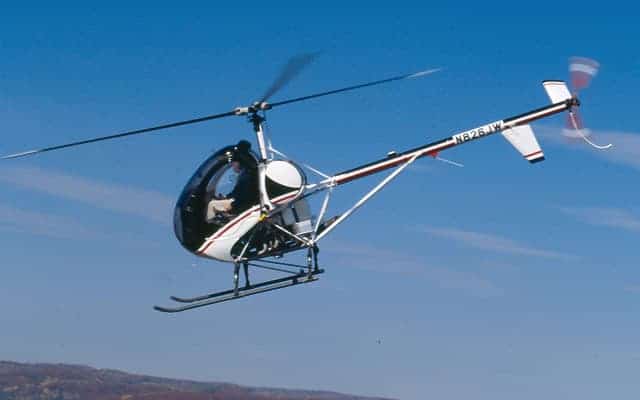
The Schweizer 300 series traces its origins to the Hughes 269 of the 1950s. Over decades of refinement, the design evolved under Schweizer Aircraft before later acquisition by Sikorsky. The 300CBi variant represents a modernized training version equipped with updated systems and improved ergonomics.
Powered by a Lycoming piston engine producing around 180 horsepower, the helicopter typically cruises at approximately 85 knots (155 km/h). It has a maximum takeoff weight of about 2,050 pounds (930 kg). The three-blade main rotor system provides stable flight characteristics well suited for hovering and autorotation training.
The 300CBi has been widely used by civilian flight schools and military training programs. Its forgiving flight behavior and mechanical simplicity make it an effective platform for primary rotorcraft instruction. The design remains one of the most recognizable piston trainers in rotary-wing aviation.