Light Helicopters
The turbine trainer built for modern rotorcraft instruction.
The latest aviation news and stories sent to your inbox.
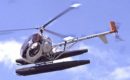
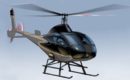
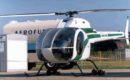
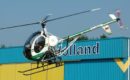
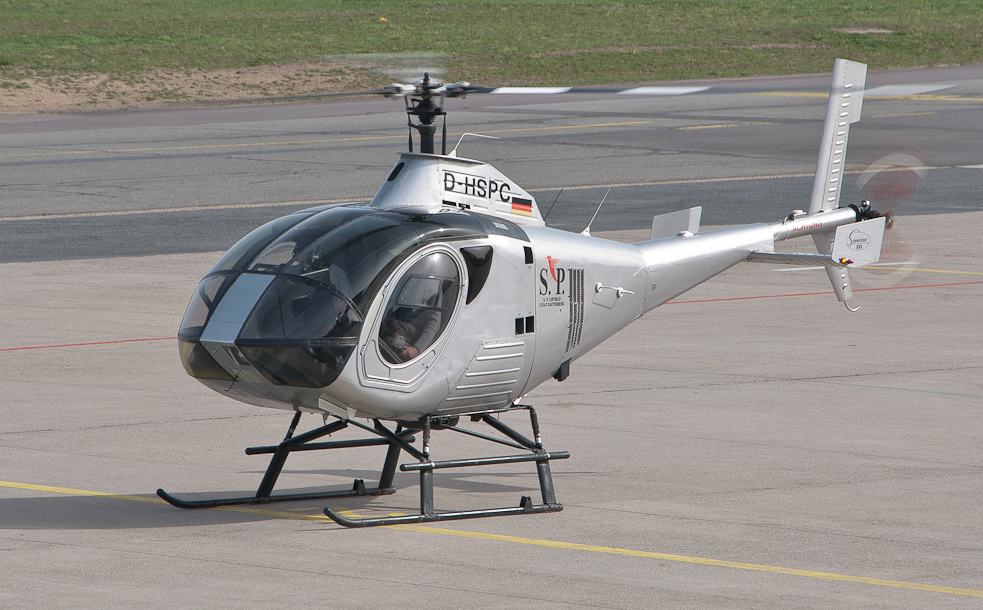
The Sikorsky Schweizer 333 is a light turbine helicopter developed primarily for training and light utility missions. It evolved from the piston-powered 300 series with the addition of a turboshaft engine. The aircraft provides improved reliability and performance for training environments.
Live Fleet Activity (S333)
Fetching live data…
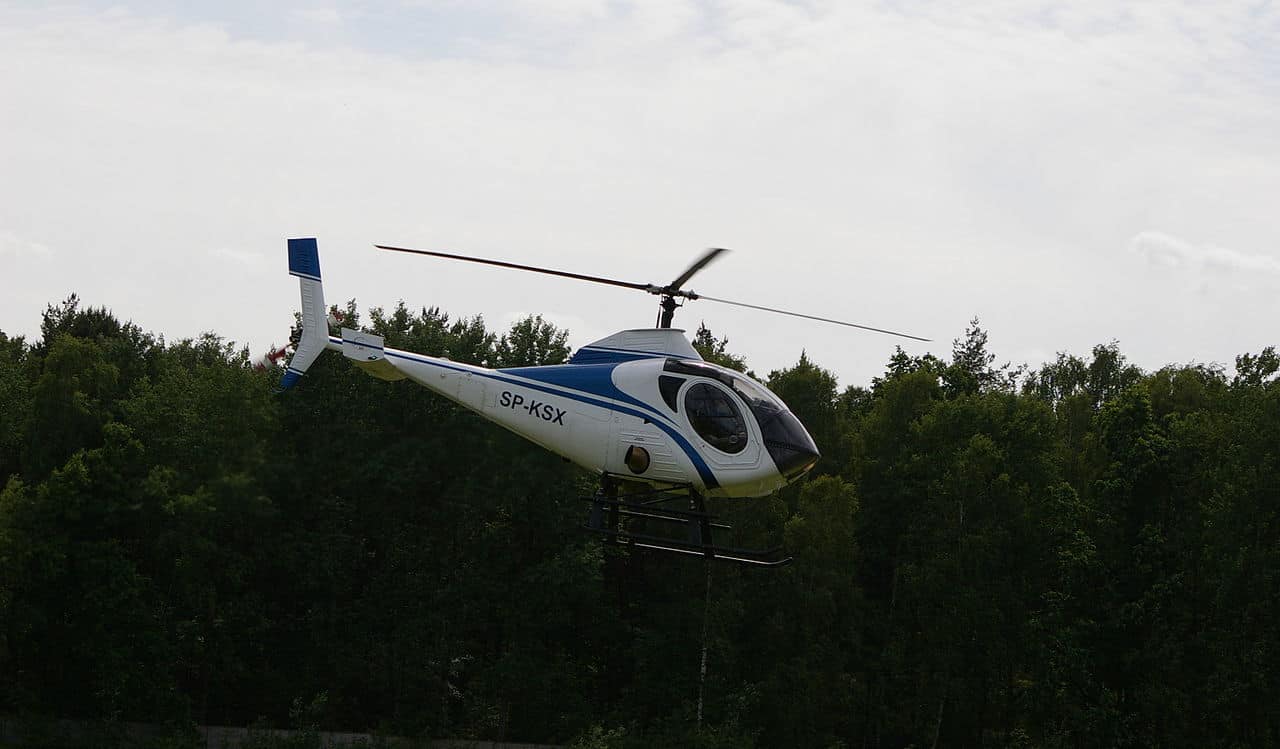
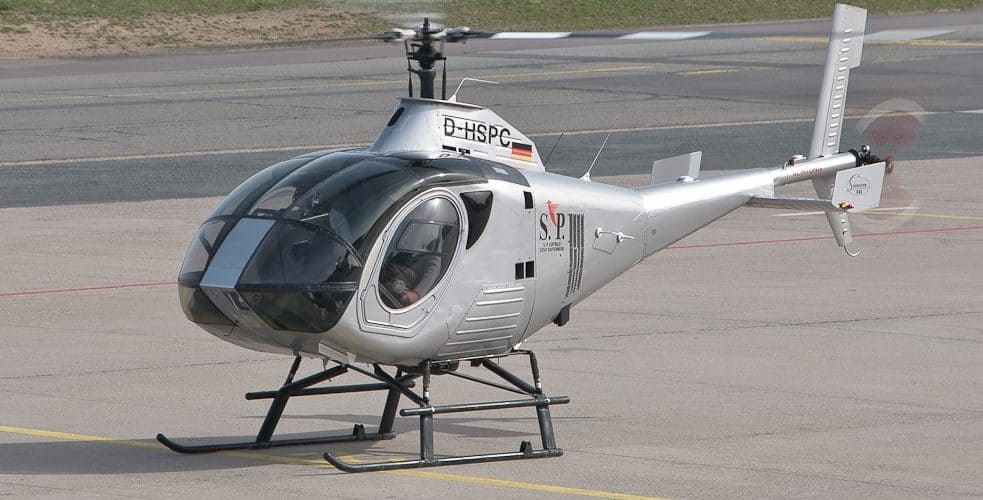


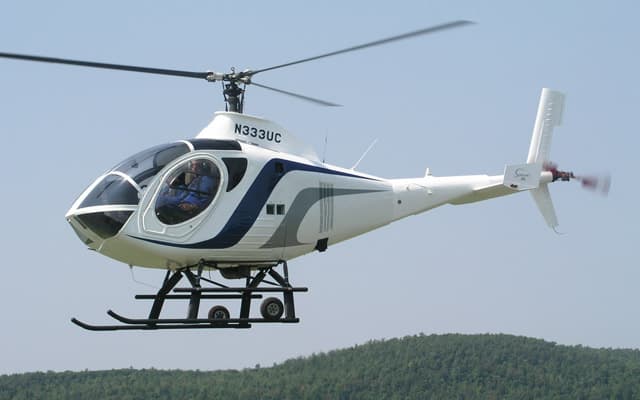

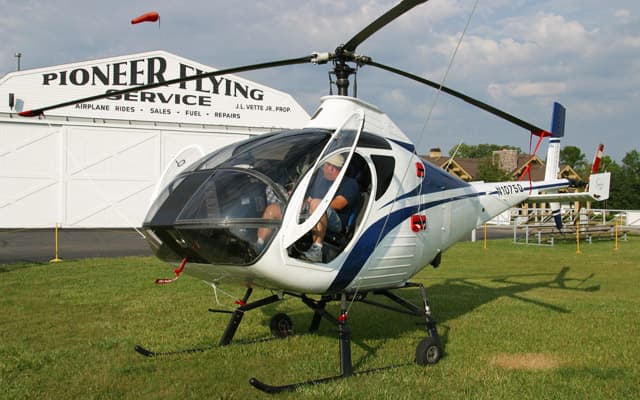
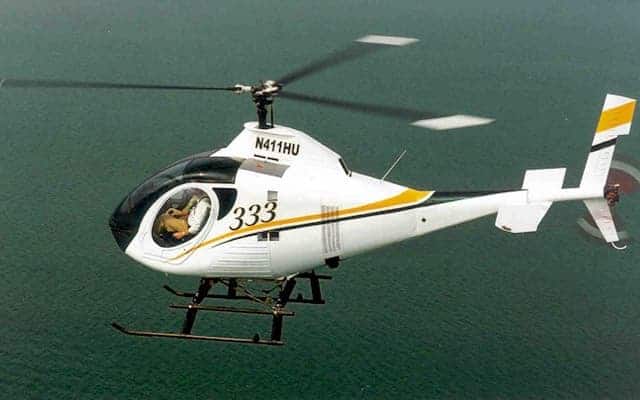
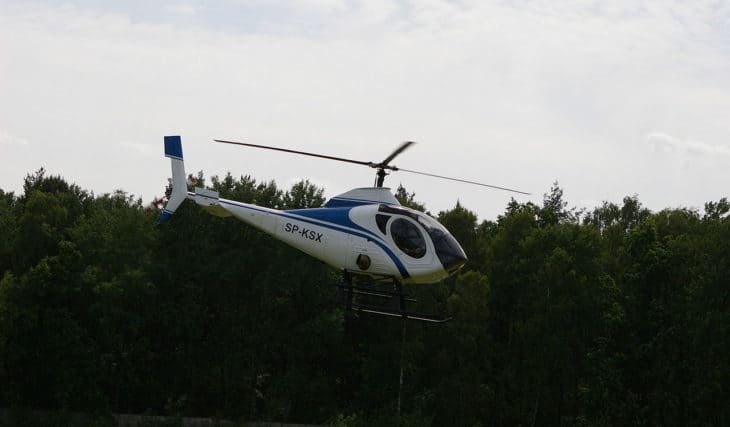
The Schweizer 333 was introduced in the 1980s as a turbine-powered development of the established 300 airframe. Retaining the basic three-blade rotor configuration, it incorporated a Rolls-Royce 250 series turboshaft engine to enhance power response and reduce vibration. The aircraft entered service with civilian flight schools and government agencies.
The helicopter cruises at approximately 95 knots (175 km/h) and has a maximum takeoff weight of about 2,050 pounds (930 kg). The turbine installation provides smoother operation compared with piston variants and improves performance in warmer climates. Cabin layout supports dual instruction with good visibility for both occupants.
The 333 gained popularity among operators seeking a turbine training platform without the higher acquisition cost of larger helicopters. Its handling characteristics remain similar to earlier Schweizer models, easing transition for students. The aircraft remains a recognizable light turbine trainer in the global market.
Sources and references used for research and fact-checking.