Military Trainers
Alenia Aermacchi M-346
ICAO: M346
The intermediate jet trainer built for advanced pilot instruction.
The latest aviation news and stories sent to your inbox.
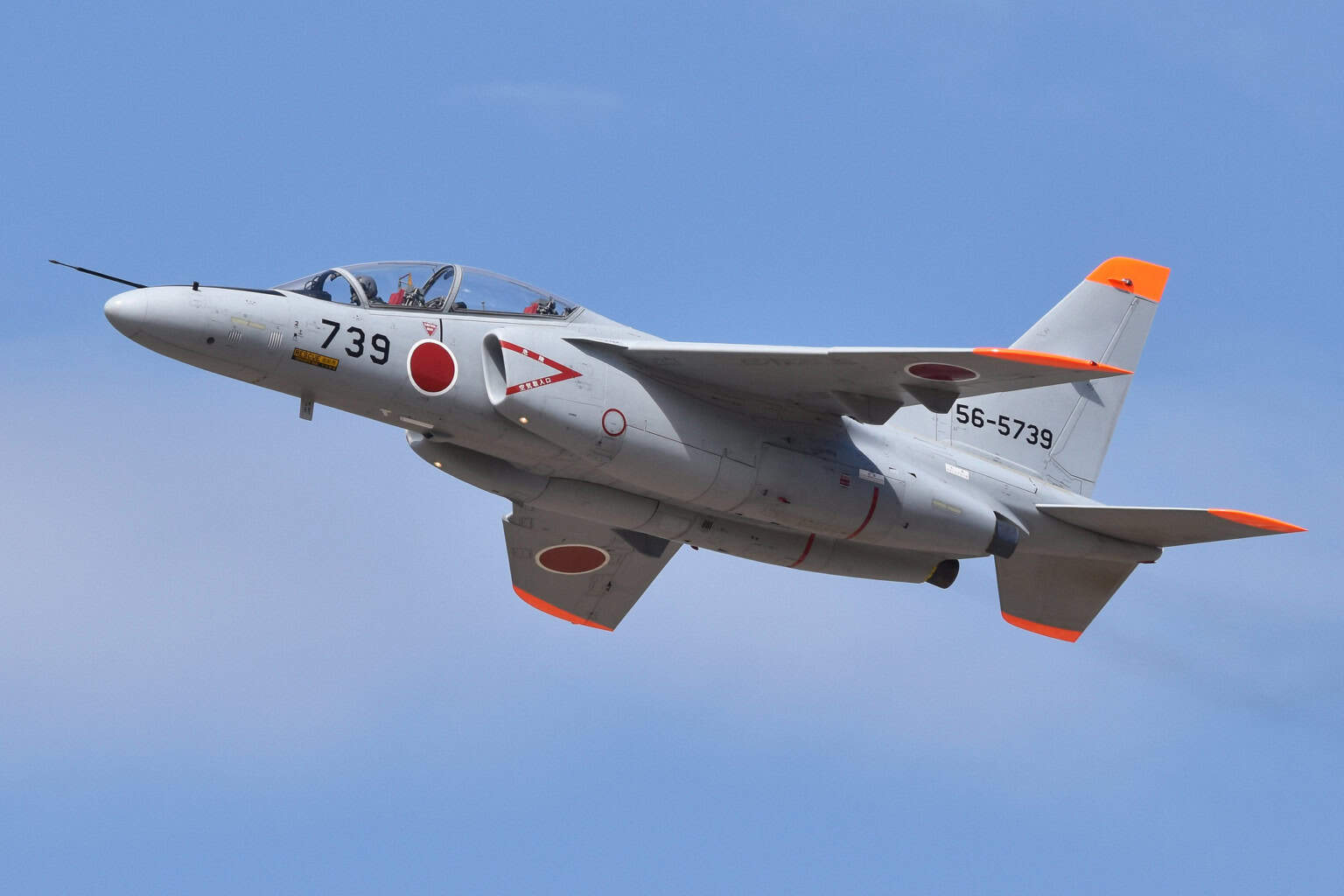
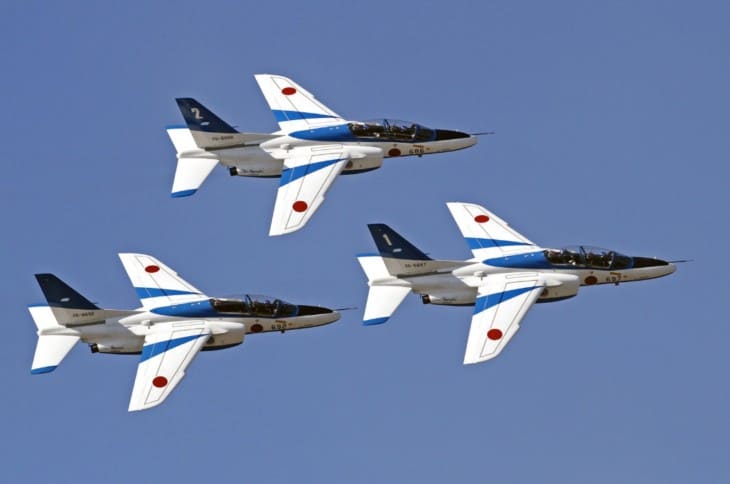
The Kawasaki T-4 is a twin-engine subsonic jet trainer developed for the Japan Air Self-Defense Force. Introduced in the late 1980s, it provides advanced pilot training before transition to frontline fighters. The aircraft is also used by demonstration teams.
Live Fleet Activity (T4)
Fetching live data…
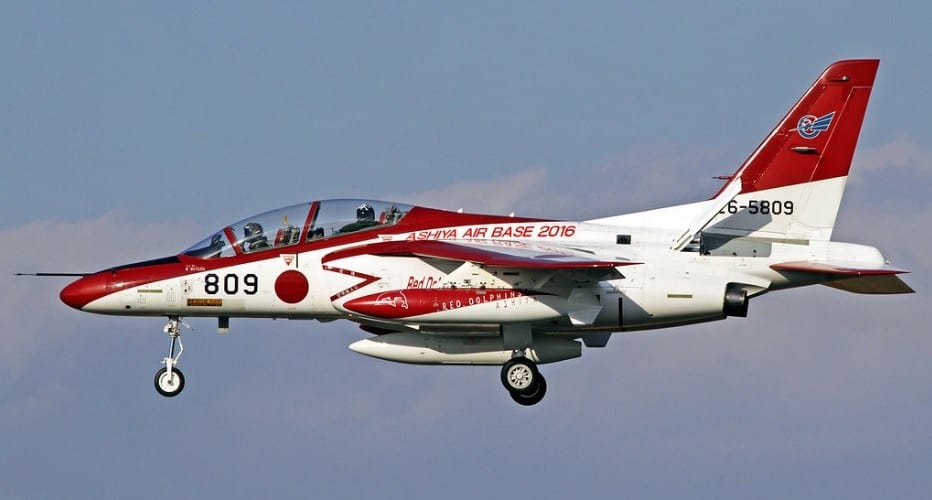
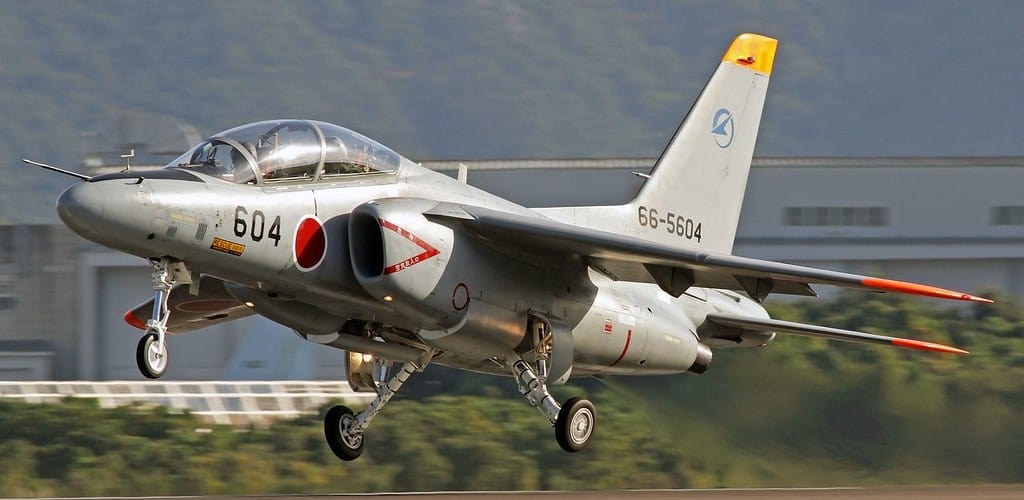
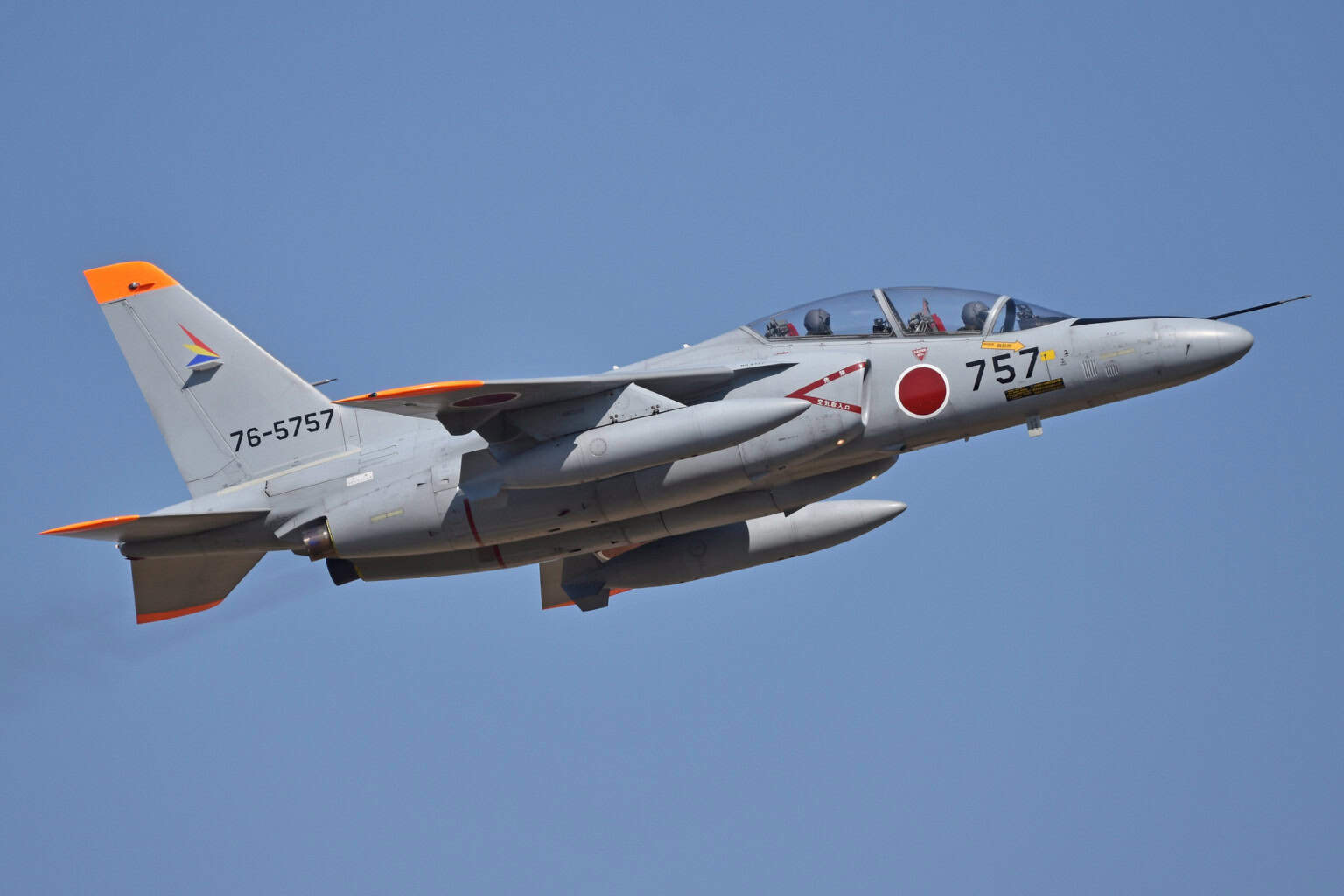

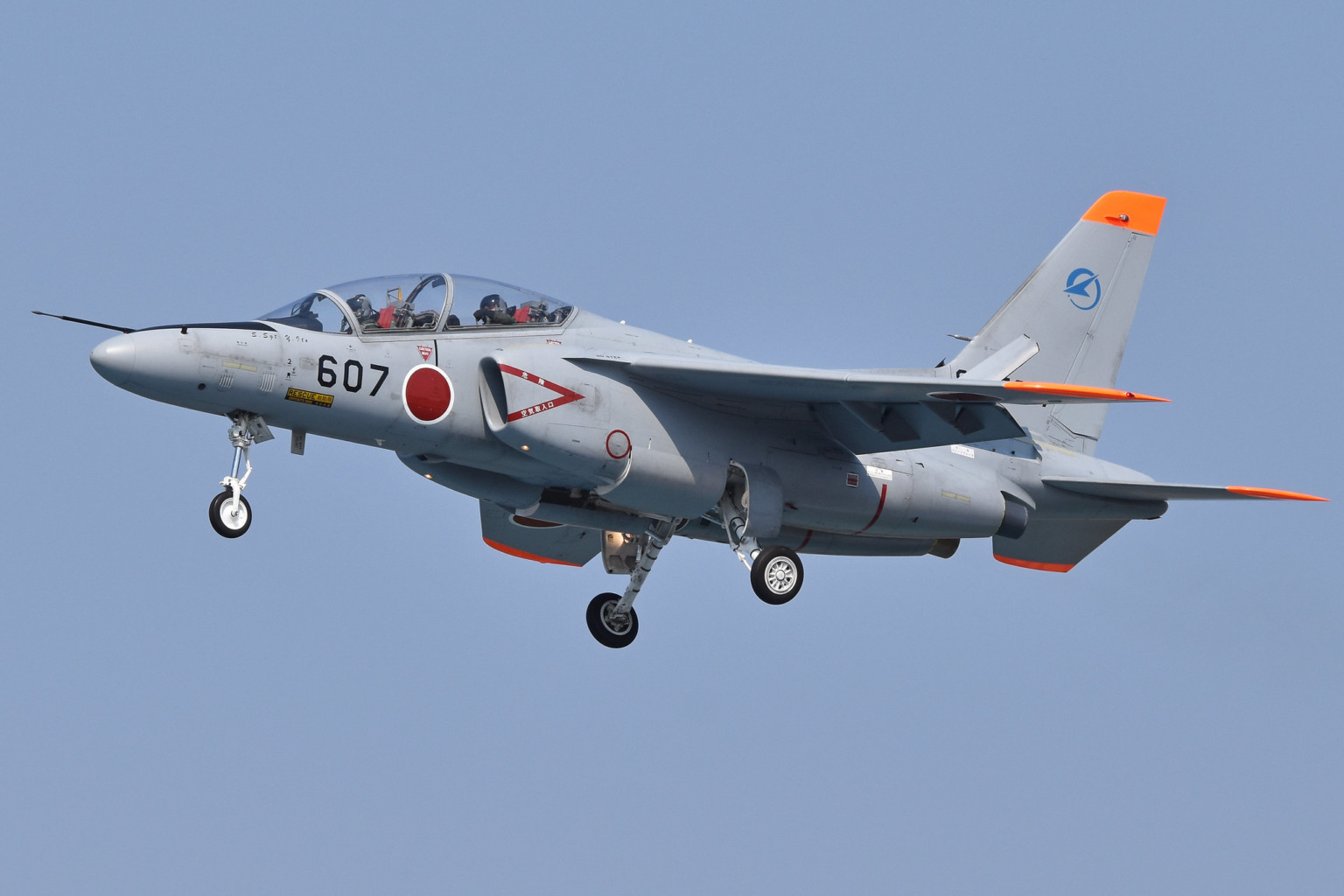
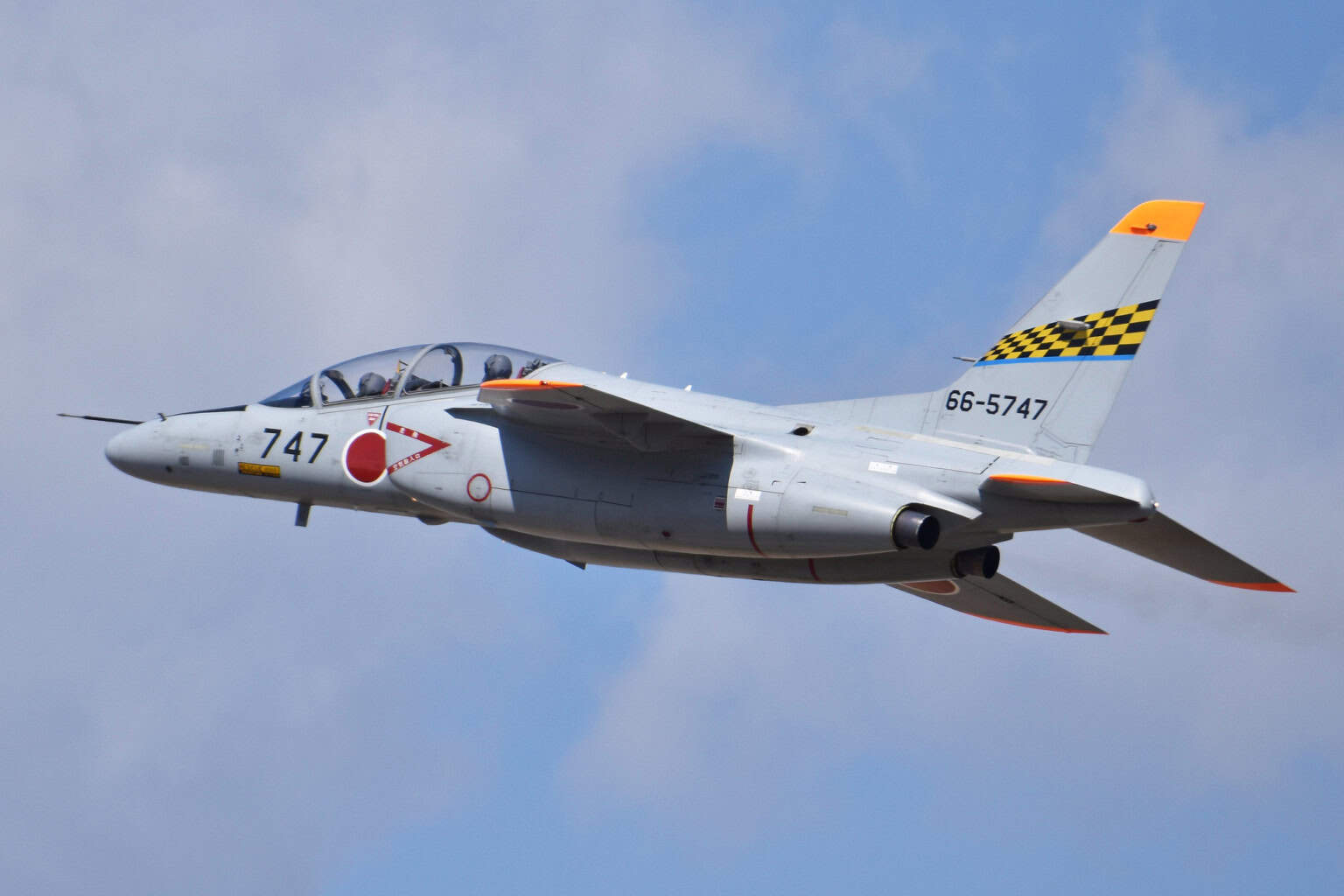

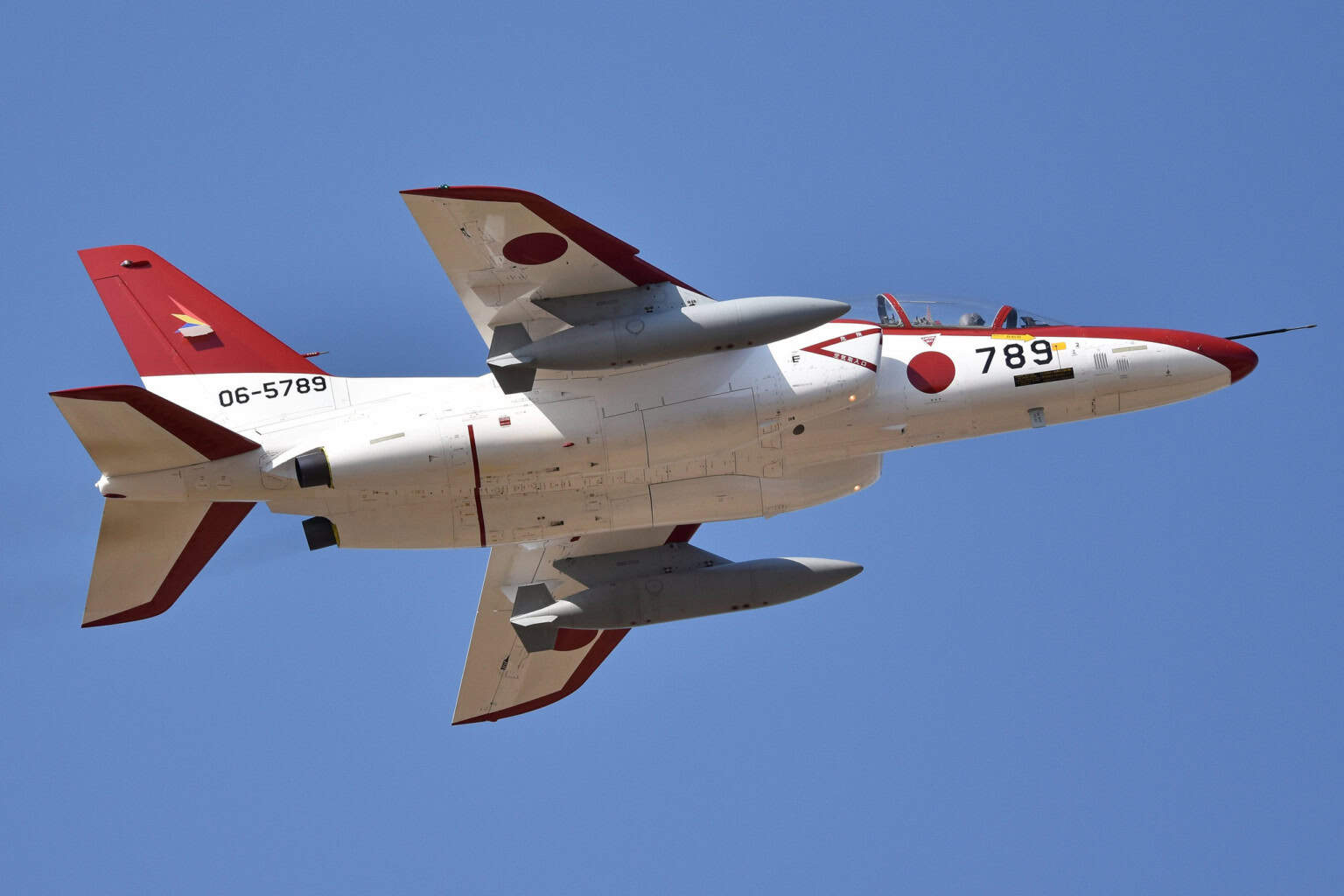
The T-4 first flew in 1985 and entered service in 1988. It was developed to replace older jet trainers and provide a stepping stone to advanced combat aircraft. The design features a straight wing and tandem seating for instructor and student.
Powered by two Ishikawajima-Harima F3 turbofan engines producing approximately 3,700 pounds of thrust (16.5 kN) each, the T-4 cruises at around 400 knots (741 km/h). Maximum takeoff weight exceeds 16,000 pounds (7,257 kg). The aircraft is equipped with basic training avionics and limited weapons capability.
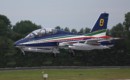
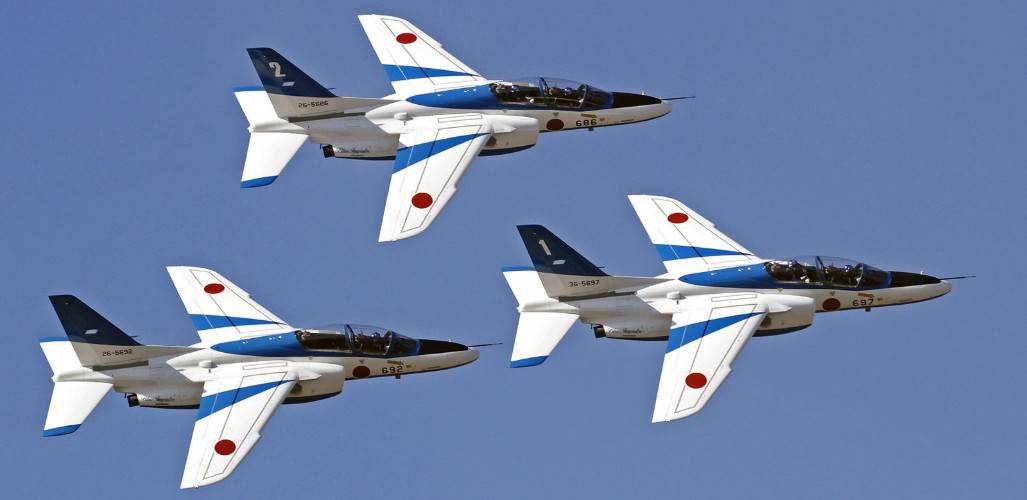
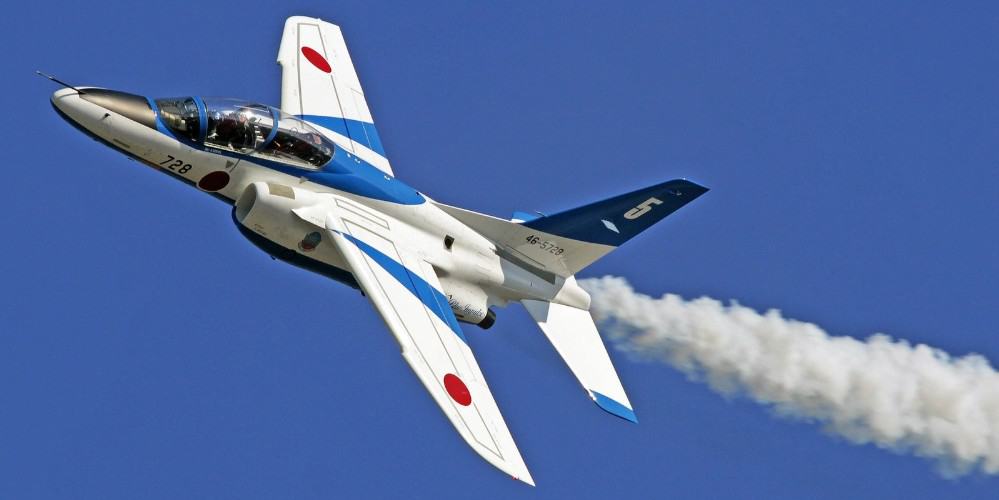
The T-4 remains central to Japan’s pilot training system. It is also flown by the Blue Impulse aerobatic team. The aircraft continues in service with a strong safety record.
Sources and references used for research and fact-checking.