Passenger Turbo Props
Vultee V-1
ICAO: V1
The Dutch turboprop built for reliable regional airline service.
The latest aviation news and stories sent to your inbox.
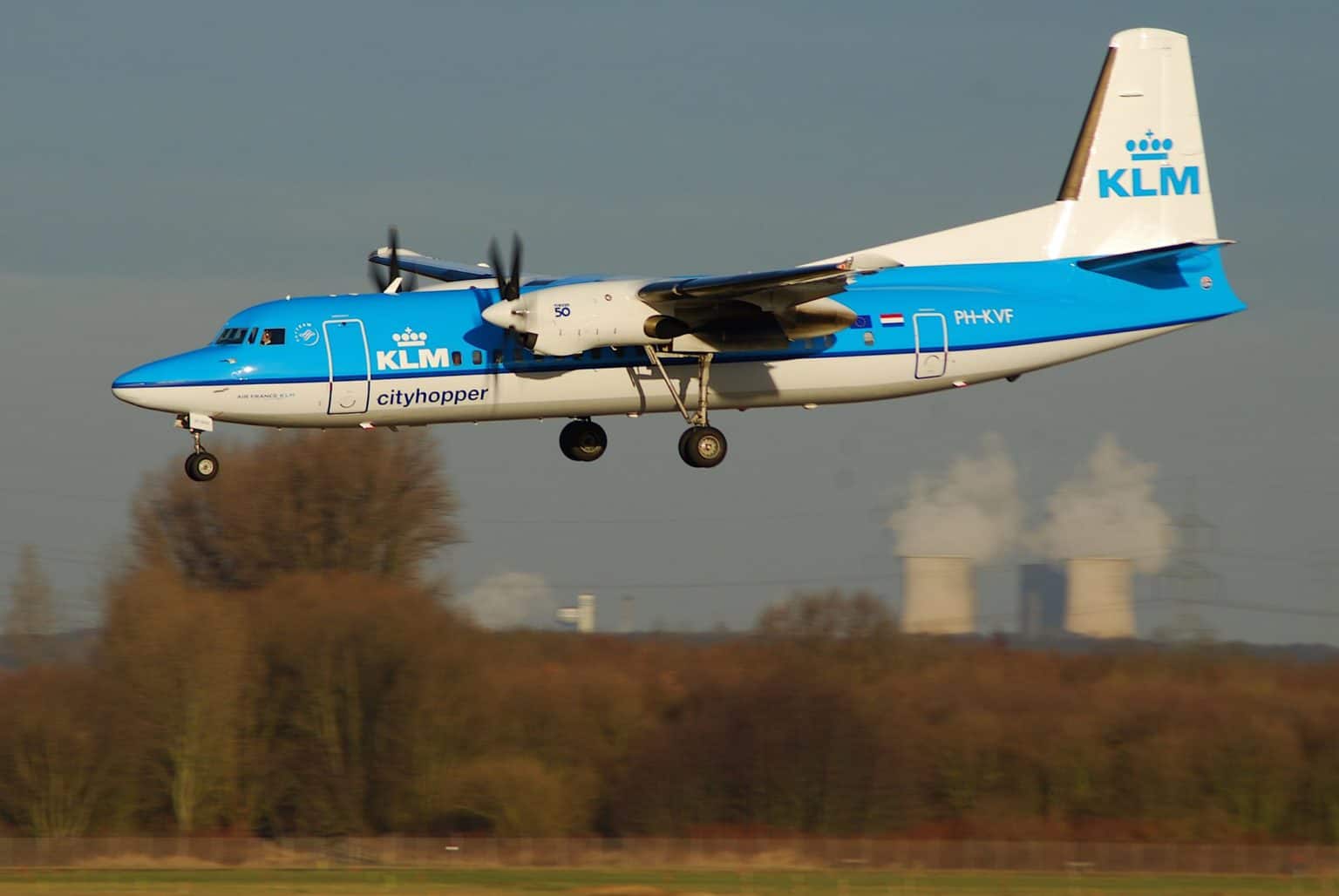
The Fokker 50 is a twin-engine turboprop regional airliner developed as a successor to the F27 Friendship. Introduced in the 1980s, it incorporated modern engines and avionics while retaining a proven airframe concept. The aircraft served regional carriers across multiple continents.
Live Fleet Activity (F50)
Fetching live data…


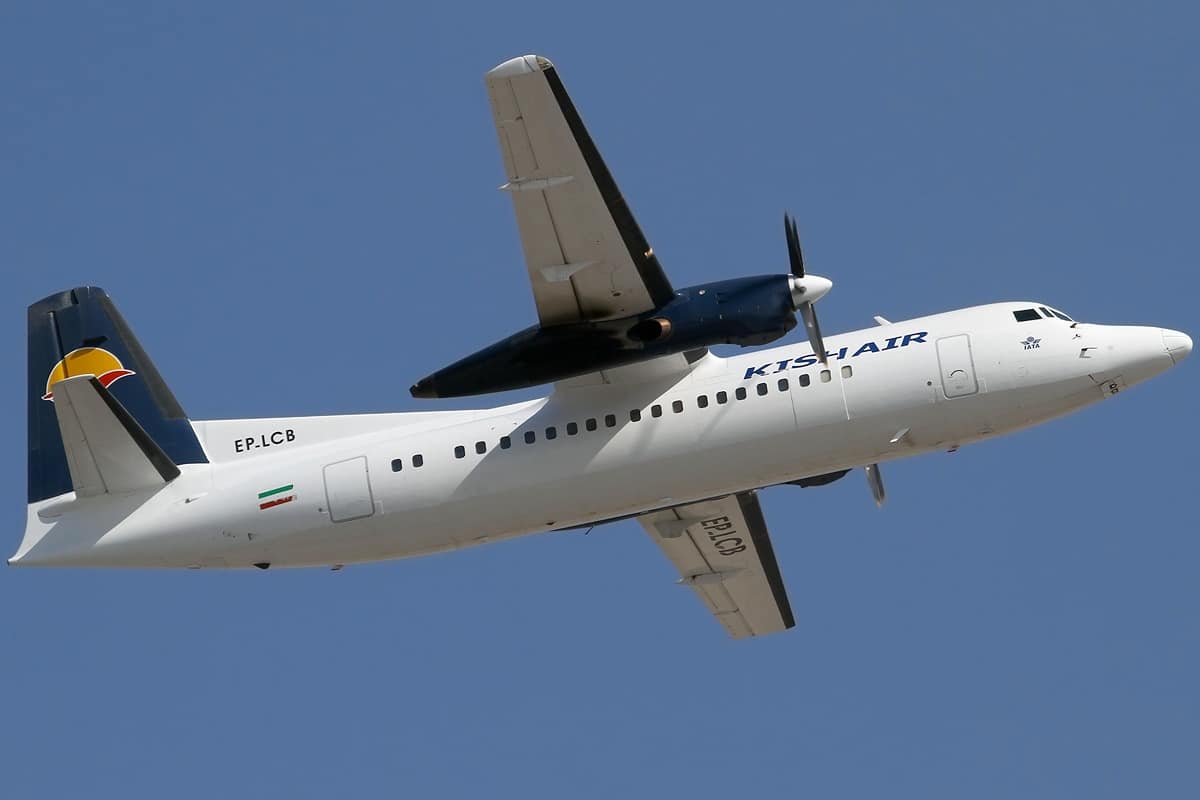

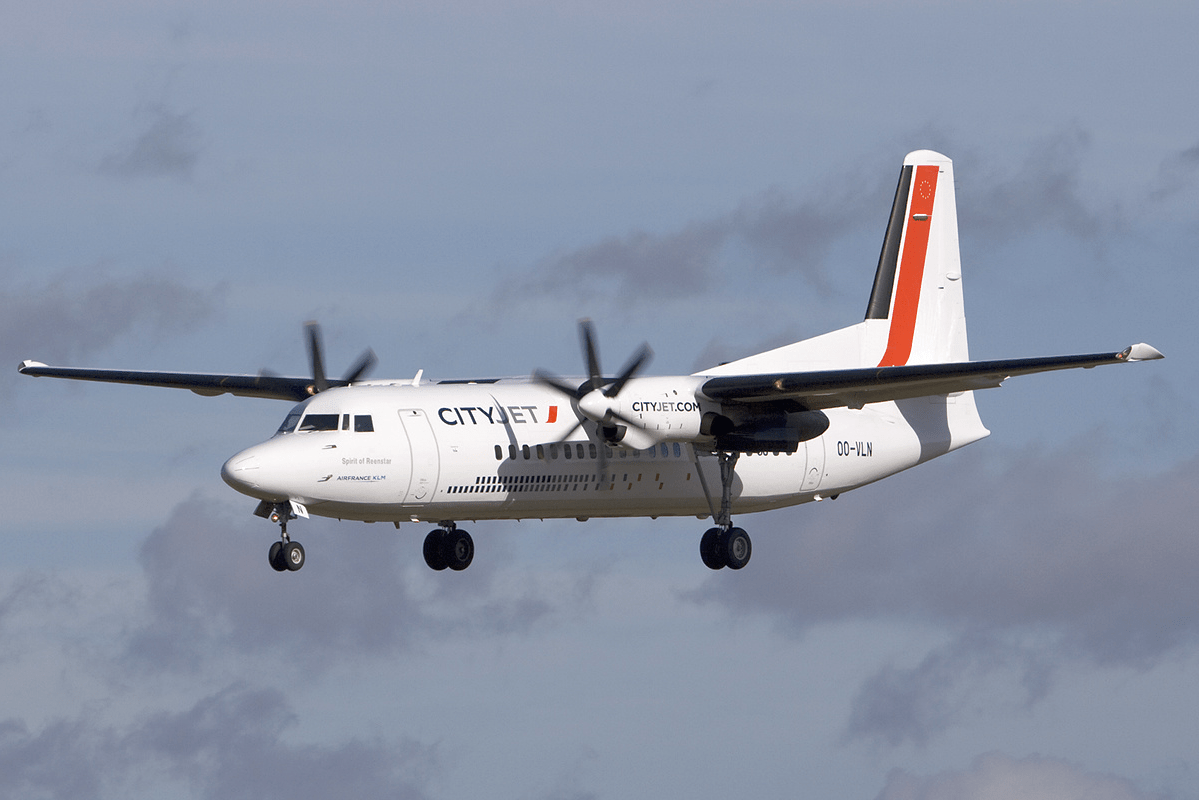


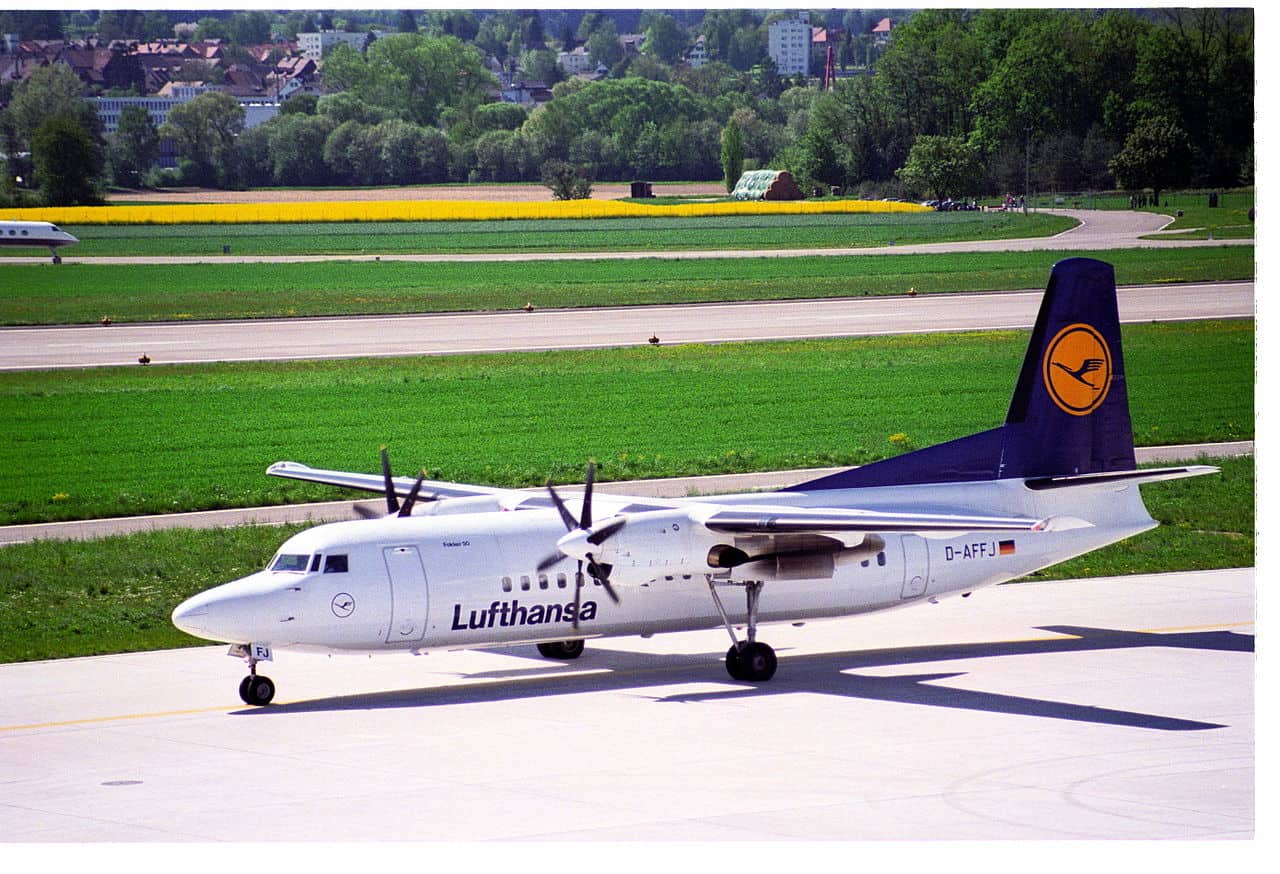


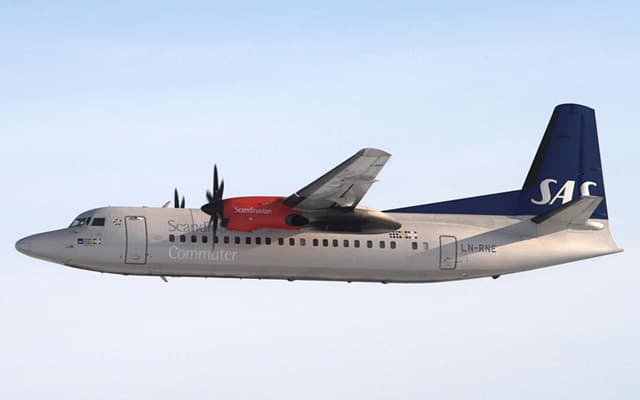
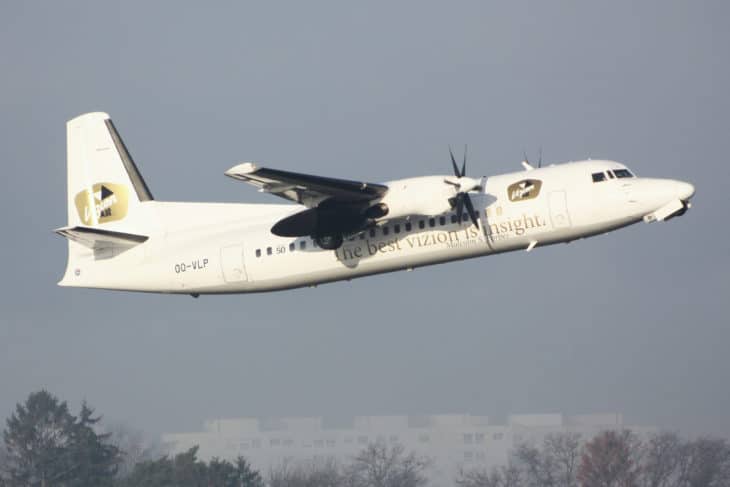
The Fokker 50 first flew in 1985 and entered service in 1987. It was developed as an upgraded version of the F27, featuring improved aerodynamics and more efficient engines. The aircraft retained a high-wing layout and rugged landing gear suitable for regional operations.
Powered by two Pratt & Whitney Canada PW125 turboprop engines producing approximately 2,500 shaft horsepower each, the Fokker 50 cruises at around 286 knots (530 km/h). Maximum takeoff weight is roughly 46,000 pounds (20,900 kg). Typical seating ranges from 46 to 58 passengers.
The Fokker 50 became popular with regional airlines seeking dependable turboprop performance. Production ended in the 1990s following Fokker’s bankruptcy, but many aircraft continue operating in passenger and cargo service. The model remains one of the most recognizable European regional turboprops.
Sources and references used for research and fact-checking.