Light Business Jets
Hawker 400XP
ICAO: BE40
The composite canard twin built to redefine business aviation design
The latest aviation news and stories sent to your inbox.
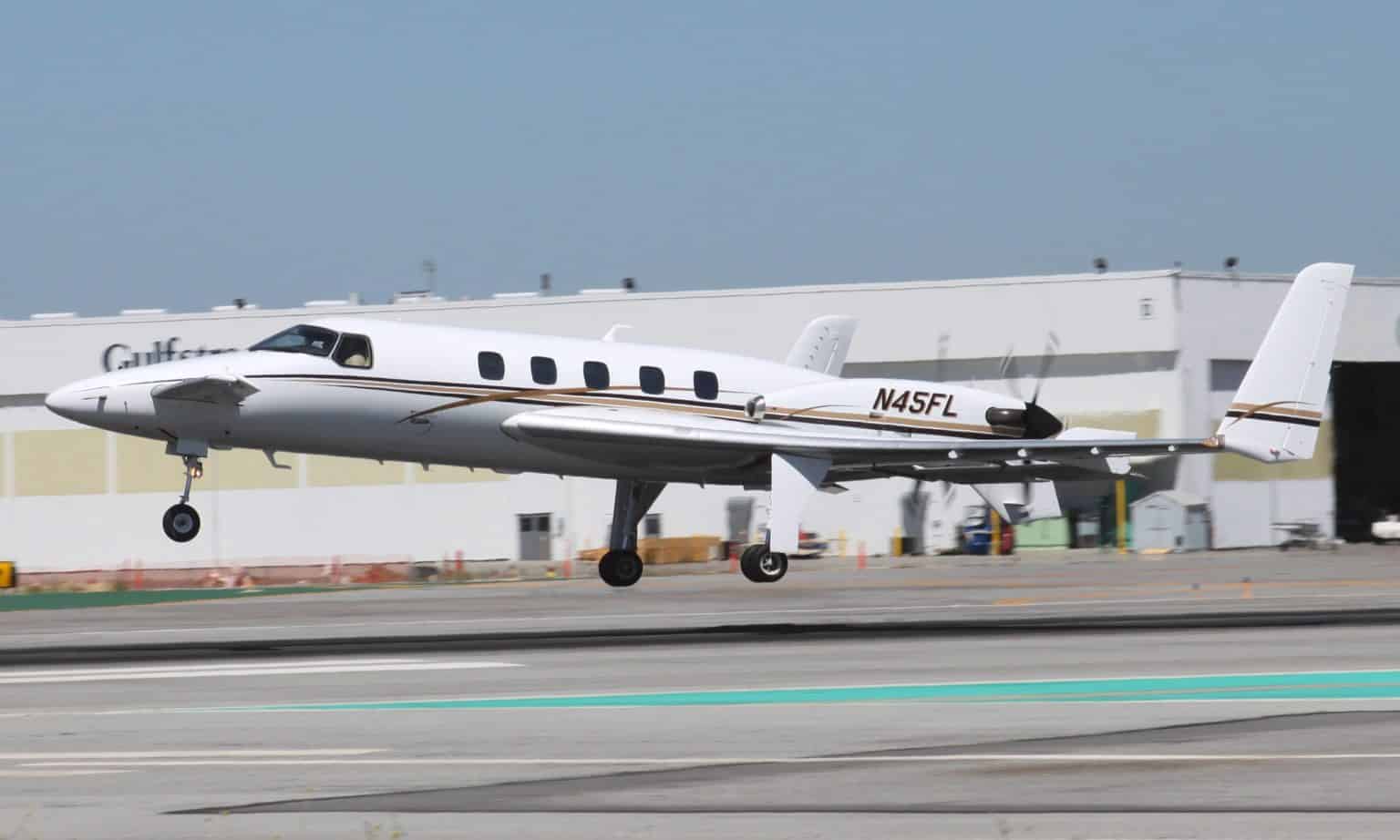
The Beechcraft Starship 2000 was an advanced twin-engine turboprop designed with composite construction and a canard layout. Developed in the 1980s, it aimed to deliver jet-like comfort with turboprop efficiency. The aircraft became one of the most unconventional business aircraft of its era.
Live Fleet Activity (STAR)
Fetching live data…
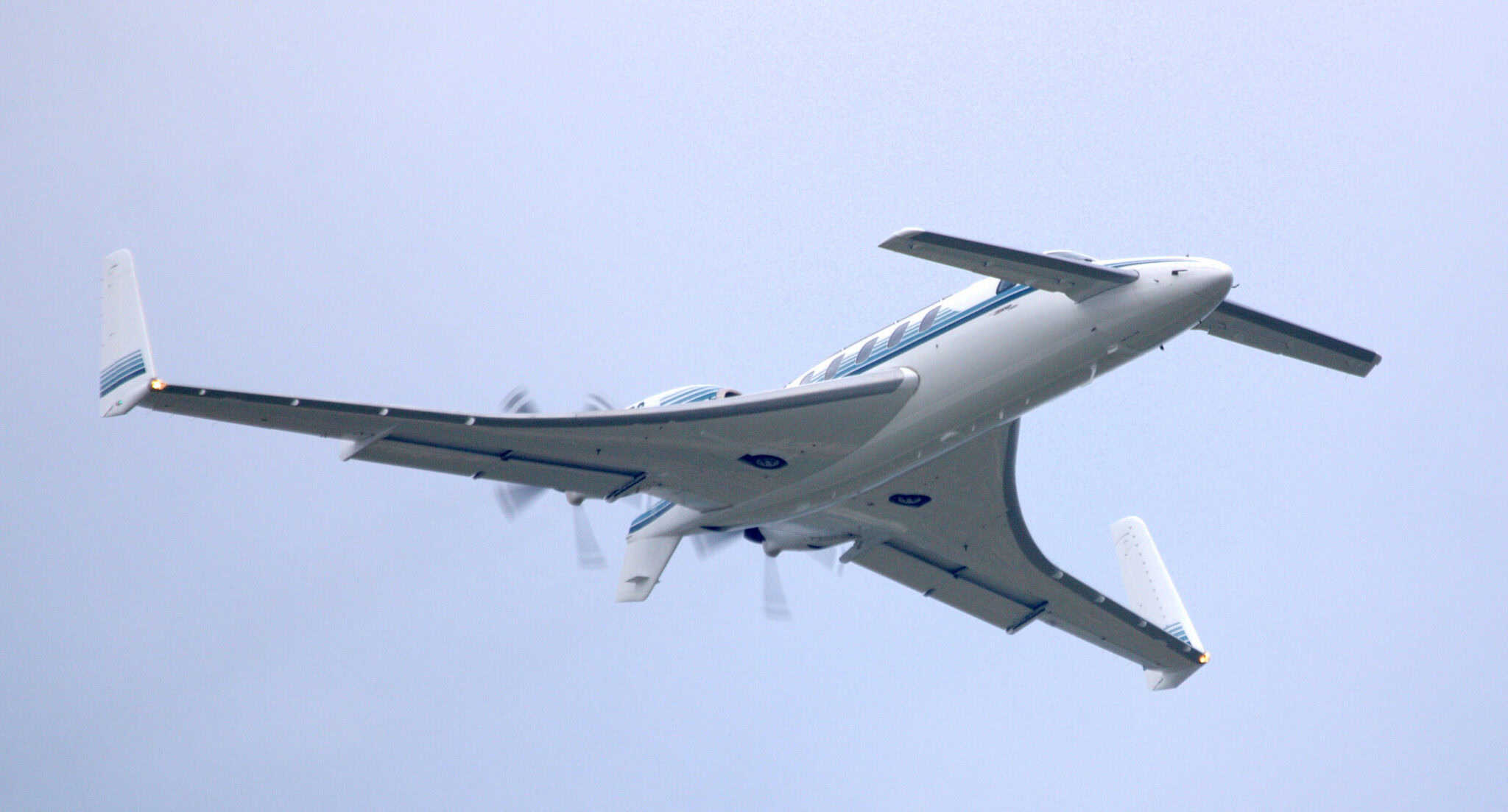




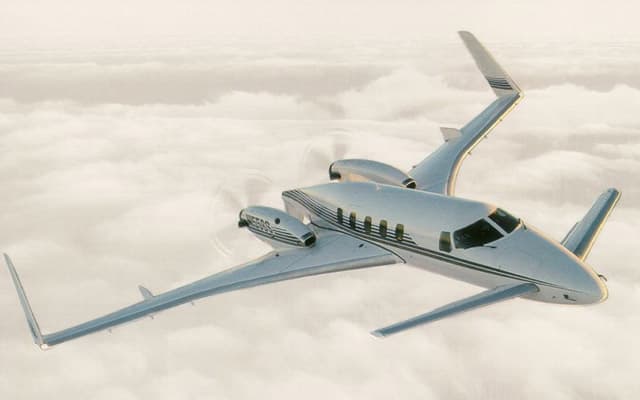
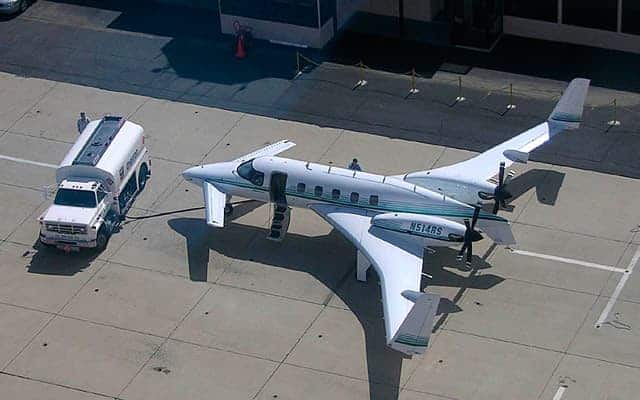

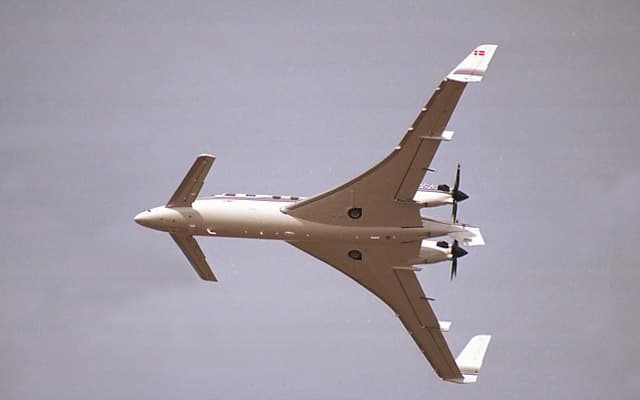
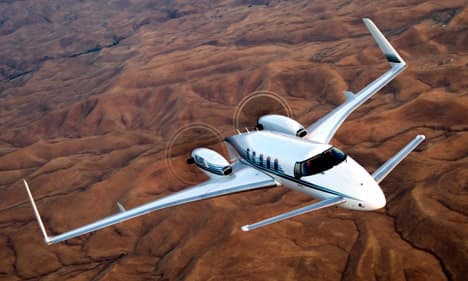
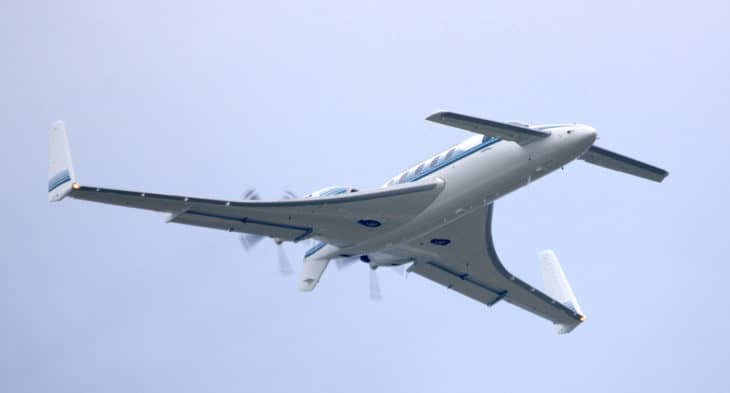
The Starship program began in the early 1980s under Beechcraft, with significant design input from Burt Rutan. The aircraft first flew in 1986 and entered limited service in 1989. Its distinctive forward canard and rear-mounted pusher turboprops set it apart from conventional business aircraft.
Powered by two Pratt & Whitney Canada PT6A-67A turboprop engines producing approximately 1,200 shaft horsepower each, the Starship cruised at around 300 knots (555 km/h). Maximum takeoff weight was roughly 14,000 pounds (6,350 kg). The pressurized cabin accommodated six to eight passengers in executive configuration.
Despite advanced aerodynamics and composite construction, sales were limited due to high development costs and market resistance to its unconventional appearance. Production ended in the 1990s after fewer than 60 aircraft were delivered. The Starship remains a notable experiment in modern composite aircraft design.
Sources and references used for research and fact-checking.