

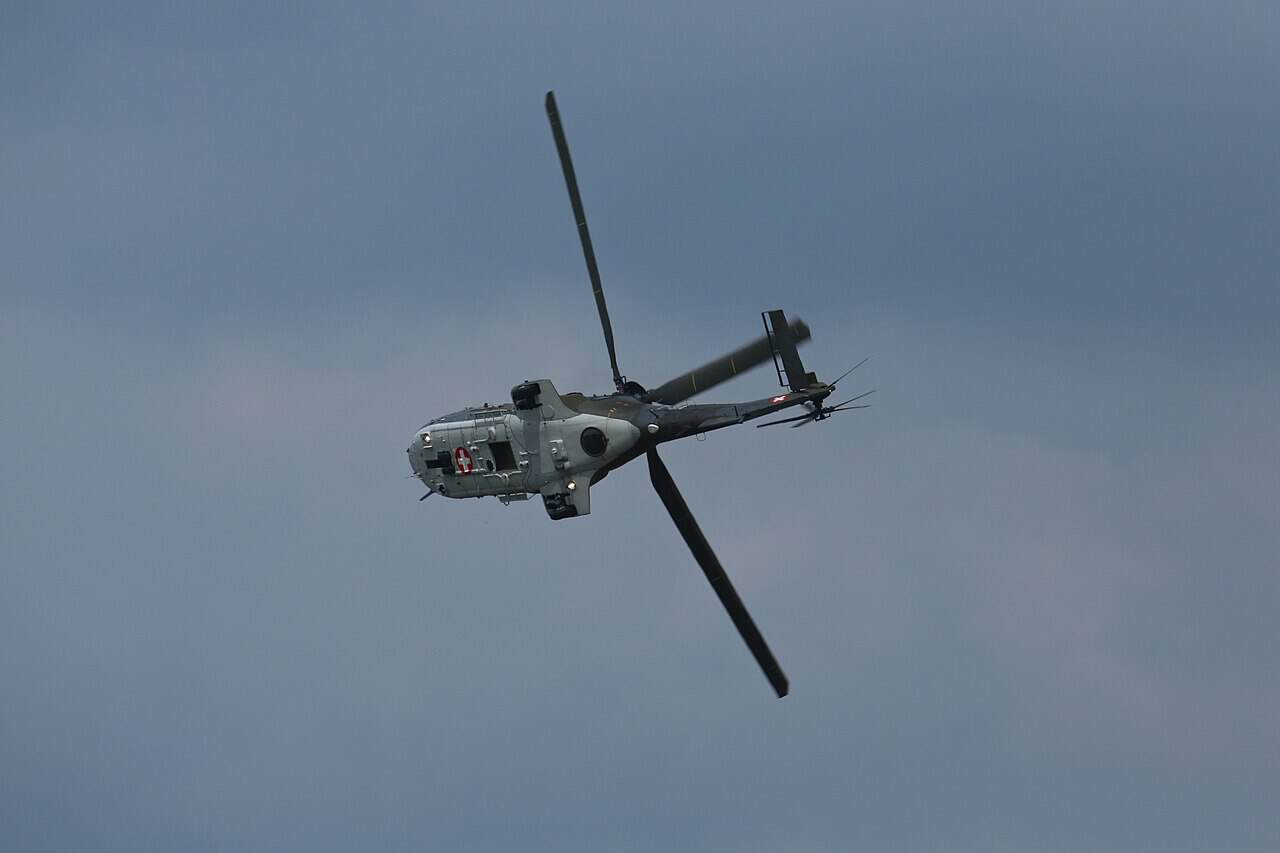
A contract firefighting helicopter crashed in Yosemite National Park on Sunday, September 20, 2026, killing both pilots, the only people on board. The FAA identified the aircraft as a Eurocopter AS332 Super Puma and said it went down at about 2:55 p.m. local time while making water bucket drops on the Dome Fire.
The helicopter came down southeast of Ostrander Lake, a spokesperson for the incident management team told the Associated Press. The NTSB will lead the investigation with help from the FAA, and the Forest Service will also review the crash.
What is known so far
The helicopter belonged to Precision, a contract aircraft company, which said in a statement that two members of its team had died. “We are devastated by this loss and are struggling to find the words,” the company wrote, asking for privacy for the families.
On Monday, the Alaska Division of Forestry & Fire Protection identified one of the pilots as Greg King, a Precision pilot who had flown on Alaska wildfires and worked extensively alongside the agency. In that statement, the agency said the second pilot’s name was being withheld while family notifications were completed.
The crew was under contract to the Forest Service’s Price Valley Rappel Crew in Idaho, Forest Service spokesperson Adrienne Freeman told CNN. Rappel crews use ropes to descend from helicopters into otherwise inaccessible terrain, but on Sunday the pilots were flying suppression missions with no one else aboard.
The FAA’s initial notice described the crash as happening “under unknown circumstances while on water bucket drops,” according to FOX26. The helicopter’s registration has not appeared in the official statements released so far.
A National Park Service update that morning expected a temperature inversion to trap smoke until late morning or early afternoon, AvWeb reported. The outlet noted it is not known whether visibility played any role.
No cause yet
Investigators have not said what brought the helicopter down. The NTSB told CNN its team would reach the remote site when fire conditions allow and that a preliminary report would follow within 30 days.
Why the Dome Fire leans on helicopters
The Dome Fire started on September 15 near Wawona and had burned 3,222 acres at 15% containment by Monday morning, CNN reported. About 580 people were assigned to it, according to the National Interagency Fire Center figures cited by AP.
The terrain is steep and has few access routes, so the response has depended heavily on aircraft, AeroTime reported. Helicopters have been ferrying crews into remote areas and dropping water along the lines those crews are cutting.
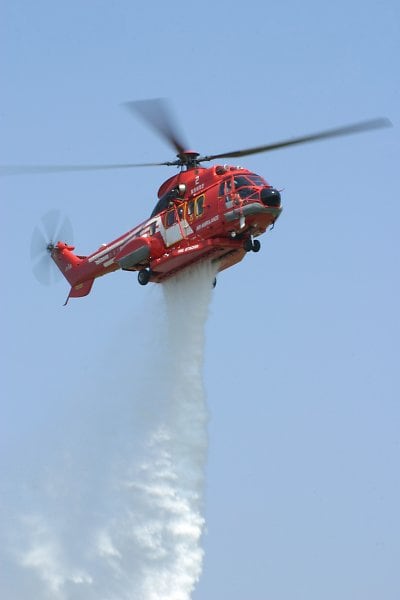
Bucket work means repeated low-level trips between a water source and the fire line, often in smoke and mountain wind. Helicopters have filled that role for decades, a story told in our history of aerial firefighting.
The AS332 Super Puma is a twin-engine, medium-lift utility helicopter that first flew in 1978. Besides military service, it is widely used to support offshore oil rigs and in aerial firefighting.
A deadly season for fire aviation
At least 14 people have died while helping fight wildfires in the US this year, AP reported, the highest count since 2022, when government reports recorded 25. The toll includes two helicopter pilots killed on a Utah fire in August and a Colorado helicopter pilot who crashed into a reservoir.
For the Yosemite crash, the NTSB’s preliminary report should give the first factual account of the flight, while the probable cause will come in a final report later.
Sources and references used for research and fact-checking.
Get the Newsletter
The latest aviation news and stories sent to your inbox.
About the Author
Tim is the owner and lead editor of AeroCorner since 2019, overseeing aviation content covering aircraft, airlines, airports, and the broader aviation industry. Through years of researching, writing, editing, and publishing aviation-focused content, he has developed extensive practical knowledge of commercial aviation and air travel. Based in Asia and a frequent traveler himself, Tim also brings firsthand passenger experience to AeroCorner’s coverage. Outside of publishing, he has also explored aviation firsthand through hands-on flight training in New Zealand.