

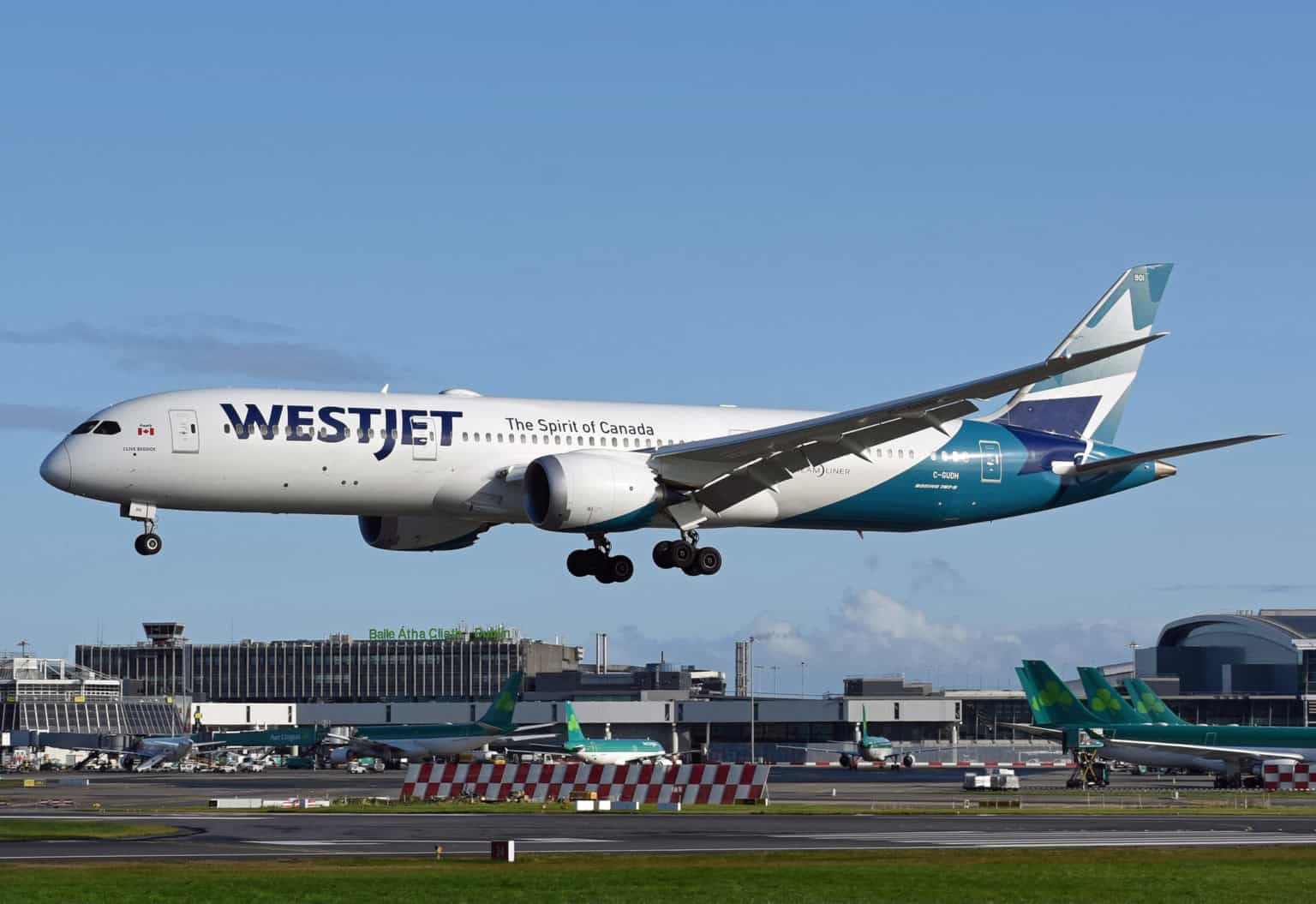
As of July 30, 2026, WestJet’s 4,400 flight attendants are within days of a legal strike that could disrupt one of the busiest travel weekends of the Canadian summer. The cabin crew, represented by CUPE Local 8125, can walk off the job as early as August 2, the start of the August long weekend, if no deal is reached.
The union confirmed a 99.4% strike mandate on July 15, with a 97.3% turnout. A strike vote does not guarantee a walkout, but it clears the last procedural hurdle before one becomes possible.
WestJet has already braced its network. The airline is offering affected passengers a free one-time rebooking or cancellation for flights between July 30 and August 4, a signal that it is planning for disruption even as it says it wants a deal.
What the dispute is actually about
The central issue is unpaid work. CUPE estimates its members perform roughly 35 unpaid hours a month, because pay under the current model is tied largely to flying time, not to the full working day.
Like most North American carriers, WestJet uses a credit-hour system. A flight attendant is generally paid from the moment the aircraft pushes back until it arrives at the gate. Boarding, security delays, ground holds, and post-arrival duties often fall outside that clock.
The union argues that once those hours are counted, some crew earn below minimum wage. It is seeking both pay for ground work and wage increases to reflect inflation. WestJet, which flies about 700 flights a day across roughly 200 Boeing aircraft, says it has heard the concerns and acknowledges the compensation structure “requires improvements.”
Where talks stand
WestJet says the two sides have reached agreement in principle on 34 contract articles, with 18 still open. Federally appointed conciliators have been assisting since May, and formal talks began in September 2025.
Why the timing matters
Under the Canada Labour Code, a legal strike or lockout could only begin once a mandatory cooling-off period expired, which put the earliest possible date at August 2. Either side must give 72 hours of notice before acting, so a walkout would not be a surprise.
The backdrop is a 2025 dispute at Air Canada, whose flight attendants are also CUPE members and won meaningful gains on ground pay. That outcome reshaped expectations across the industry and hangs over the WestJet talks.
For travelers, a strike would ground a large share of WestJet’s schedule during peak demand. Because a labor action is treated as within the airline’s control differently than weather, rebooking rules matter, and WestJet’s early waiver is aimed at getting passengers off at-risk flights before any notice lands. It would be the latest in a summer of airline schedule pressure across the sector.
Still developing
No 72-hour strike notice had been filed as of July 30, and talks were continuing. A negotiated deal, further conciliation, or government intervention could still avert a walkout, so the August 2 date is the earliest legal option, not a certainty.
Sources and references used for research and fact-checking.
Get the Newsletter
The latest aviation news and stories sent to your inbox.
About the Author

Tim is the owner and lead editor of AeroCorner since 2019, overseeing aviation content covering aircraft, airlines, airports, and the broader aviation industry. Through years of researching, writing, editing, and publishing aviation-focused content, he has developed extensive practical knowledge of commercial aviation and air travel. Based in Asia and a frequent traveler himself, Tim also brings firsthand passenger experience to AeroCorner’s coverage. Outside of publishing, he has also explored aviation firsthand through hands-on flight training in New Zealand.