

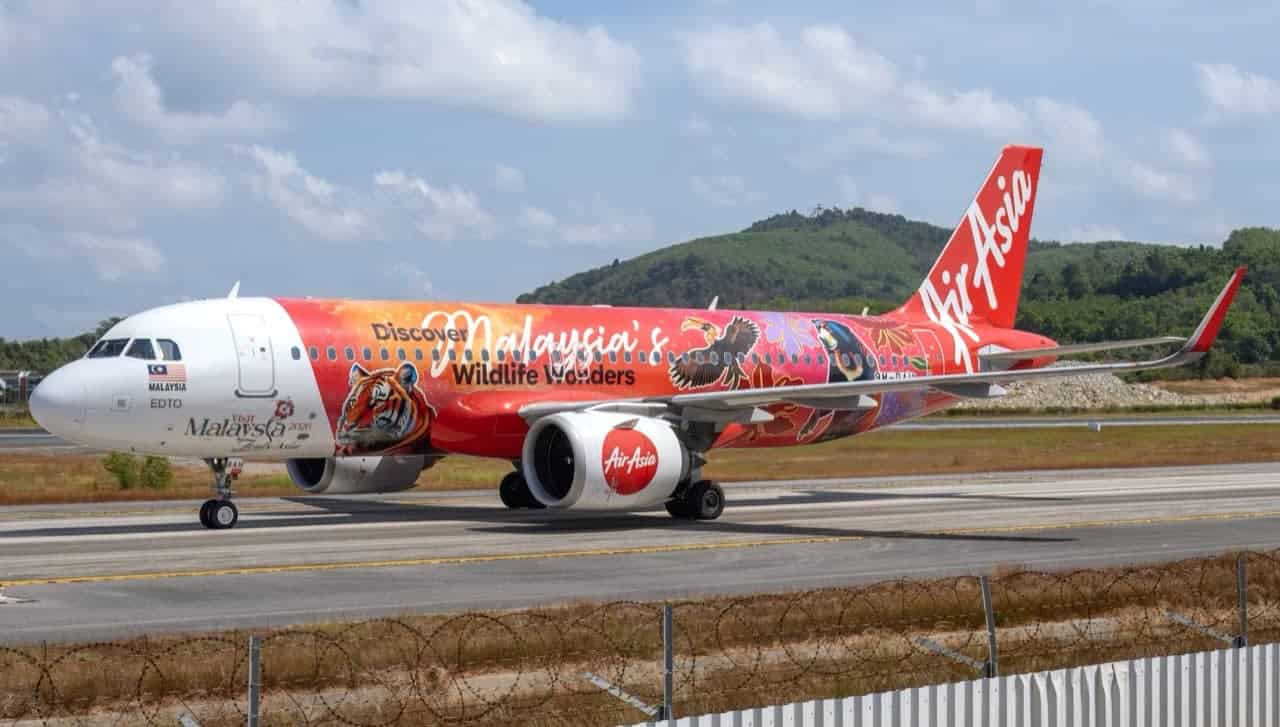
Malaysia’s government has asked Malaysia Airlines and Batik Air whether they could take over AirAsia’s domestic market share, Reuters reported on September 16, 2026, citing two sources familiar with the discussions. The talks involve the finance ministry and the state-linked airport operator Malaysia Airports Holdings Berhad.
AirAsia shares fell as much as 21 percent the same day, to their lowest level in almost four years. Shares in Capital A, the carrier’s former parent company, dropped 18 percent.
What the government actually asked
The question put to both carriers was about absorbing market share, not buying the airline. Both told the government they would only take on AirAsia’s operations at scale if they could also assume its aircraft leases, because picking up the routes without the jets would be far harder.
Both said they would rather expand into the gaps organically than acquire the business outright. Reuters also reported that one option under discussion is some form of government endorsement to strengthen AirAsia’s own effort to raise money from outside investors.
Malaysia’s finance ministry, Malaysia Airlines and Batik Air all declined to comment. Malaysia Airports said it regularly engages airline partners about capacity and route opportunities where demand is unmet, and declined to discuss AirAsia’s financial outlook.
AirAsia has confirmed none of it. Deputy Group CEO Farouk Kamal said the airline does not comment on operational or financial speculation, or on unannounced corporate arrangements, and discloses material updates through official filings.
What is confirmed and what is not
The contingency talks come from two unnamed sources cited by Reuters, and every named party either declined to comment or declined to address speculation. AirAsia’s quarterly results and its capital raising plan, by contrast, are the company’s own published figures. Treat the takeover scenario as reporting, not as a decision anyone has announced.
The numbers behind the planning
AirAsia Group reported a net loss of 830.5 million ringgit, roughly 202 million dollars, for the quarter ended June 30, 2026, in its own results release. Excluding a 331.0 million ringgit foreign exchange loss, the figure was 499.6 million ringgit.
Fuel did most of the damage. The group paid an average of 183 dollars a barrel for jet fuel in the quarter, and its fuel bill rose 58 percent year over year even as it flew 11 percent less capacity.
Reuters put AirAsia’s current liabilities at 18.4 billion ringgit as of June 30 against 954 million ringgit of cash. It also reported that the airline owes Malaysia Airports at least 500 million ringgit in landing and parking fees, with repayment extensions already granted.
What AirAsia says it is doing
The airline set out its own plan on September 2. It is seeking up to 1 billion dollars in the international debt markets plus 700 million ringgit in local credit facilities, and says the money is for restructuring and refinancing existing debt rather than covering operating shortfalls.
It raised about 300 million dollars in March 2026. It is also handing back 25 older aircraft this financial year, trimming third-quarter capacity by 20 to 25 percent, and swapping widebody A330s for narrowbodies on some routes while dropping others, including Kuala Lumpur to Sydney.
Why a government runs this exercise
Contingency planning around a systemically important airline is routine, and it is not the same as a government expecting a failure. The exercise exists so nobody is improvising if the worst case ever arrives.
What makes AirAsia unusual is its share of the map. The airline accounts for roughly 40 percent of Malaysia’s aviation market and about 60 percent of its domestic flying, much of it through its base at Kuala Lumpur International Airport.
That is why the aircraft lease question matters more than it sounds. Routes can be reassigned on paper, but a rival cannot operate them without jets and crews, and neither Malaysia Airlines nor Batik Air has an idle fleet sitting ready.
The pattern is not unique to Malaysia. Fuel costs and legacy pandemic debt pushed airBaltic into a Chapter 11 filing in New York earlier this month, and that carrier kept flying its schedule throughout.
For anyone holding an AirAsia ticket, nothing has changed operationally. The airline is flying its published schedule, and the government talks concern a scenario that has not happened. AirAsia said it would say more at a press conference on September 18, 2026.
Sources and references used for research and fact-checking.
Get the Newsletter
The latest aviation news and stories sent to your inbox.
About the Author

Tim is the owner and lead editor of AeroCorner since 2019, overseeing aviation content covering aircraft, airlines, airports, and the broader aviation industry. Through years of researching, writing, editing, and publishing aviation-focused content, he has developed extensive practical knowledge of commercial aviation and air travel. Based in Asia and a frequent traveler himself, Tim also brings firsthand passenger experience to AeroCorner’s coverage. Outside of publishing, he has also explored aviation firsthand through hands-on flight training in New Zealand.