

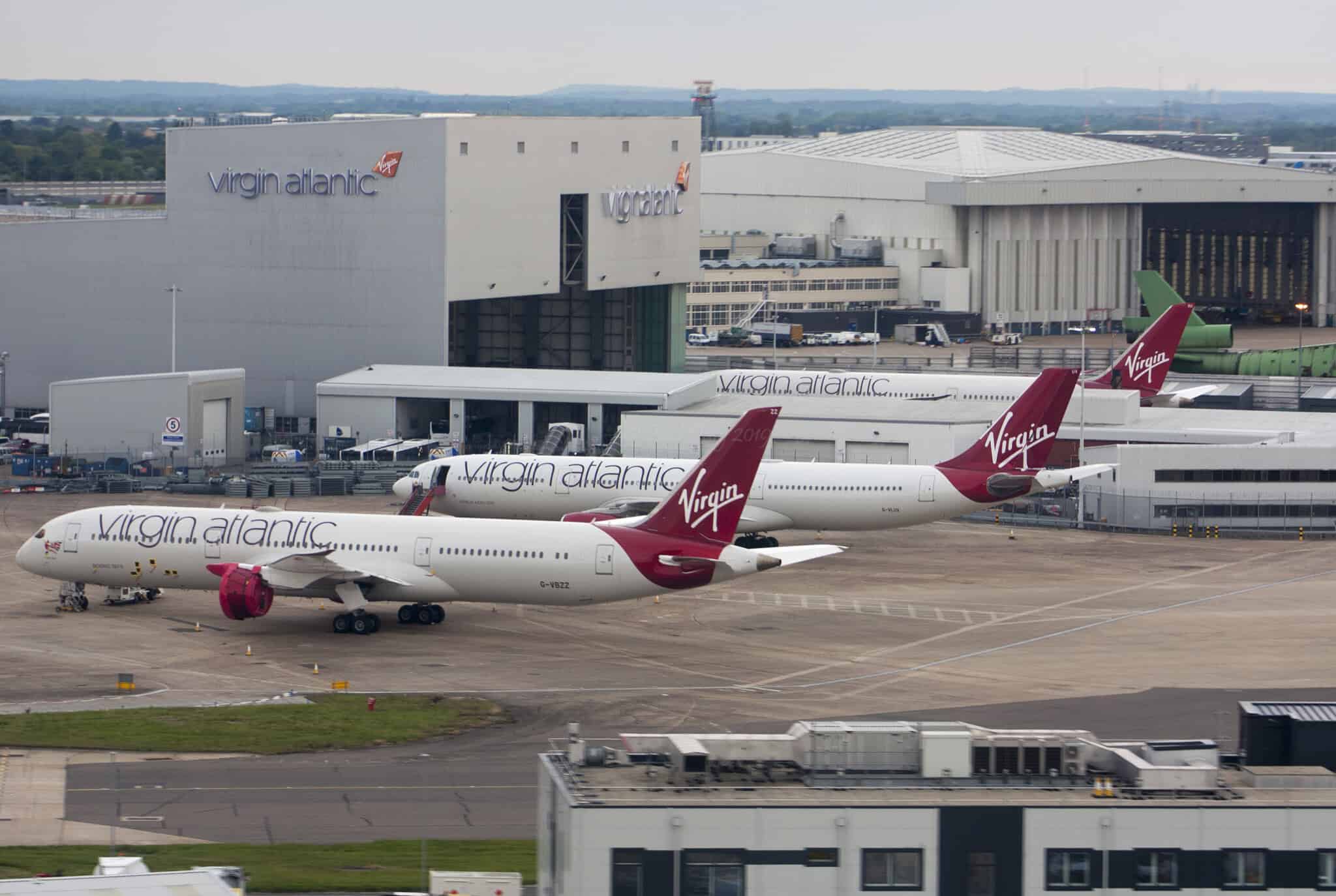
Virgin Atlantic has confirmed the death of Georgie Buxton, a 23-year-old aircraft engineer who was fatally injured while working on a Boeing 787-9 at London Heathrow. According to UK news reports, he was hurt on the morning of June 11, 2026, and died on July 7 after about four weeks in intensive care.
The circumstances became public this week, as an inquest into his death was opened and adjourned at a London coroner’s court. In a statement, Virgin Atlantic called Buxton a much-loved member of its engineering team and said the safety and wellbeing of its people is always its top priority.
What is known
Buxton was working on the Dreamliner in a hangar at London Heathrow when heavy machinery is reported to have suddenly collapsed on him. The specific equipment involved, and exactly where on the aircraft he was working, have not been officially confirmed.
Some reports placed him inside one of the jet’s fuel tanks. Virgin Atlantic has said he was not killed by an engine, but the airline has not detailed the sequence of events while investigations continue.
Buxton had joined Virgin Atlantic about two years ago from Ryanair, where he worked at London Stansted, moving to gain experience on a wider range of aircraft types. The 787-9 involved has been withdrawn from service.
Virgin Atlantic has also launched its own internal safety investigation. The airline has not said how long the aircraft will stay grounded or whether any maintenance procedures have been changed as a precaution.
Who investigates an accident like this
A maintenance death is not a flight-safety accident, so it does not fall to the UK Air Accidents Investigation Branch, the body that examines crashes and in-flight events. Workplace fatalities are handled through a different process.
The Metropolitan Police and the Health and Safety Executive, Britain’s workplace-safety regulator, are conducting a joint investigation, and a coroner will hold an inquest to establish how Buxton died. Boeing is also assisting, Virgin Atlantic said.
Heavy maintenance on a widebody like the 787 routinely sends engineers into confined spaces such as fuel tanks and wing structures, and around jacks, staging, and access platforms. Fuel-tank entry in particular is treated as a recognized confined-space hazard, with strict controls on ventilation, electrical isolation, and rescue access.
Fatal accidents in a modern hangar are rare, which is part of why this one has drawn attention across the industry. Establishing exactly what failed, and whether procedures were followed, is the purpose of the police, HSE, and coroner inquiries now under way.
Under investigation
The cause of the accident has not been established. The specific machinery and Buxton’s exact position on the aircraft remain unconfirmed, and the police, the Health and Safety Executive, and the coroner have not released findings. Early accounts should be treated as provisional.
Get the Newsletter
The latest aviation news and stories sent to your inbox.
About the Author

Tim is the owner and lead editor of AeroCorner since 2019, overseeing aviation content covering aircraft, airlines, airports, and the broader aviation industry. Through years of researching, writing, editing, and publishing aviation-focused content, he has developed extensive practical knowledge of commercial aviation and air travel. Based in Asia and a frequent traveler himself, Tim also brings firsthand passenger experience to AeroCorner’s coverage. Outside of publishing, he has also explored aviation firsthand through hands-on flight training in New Zealand.