

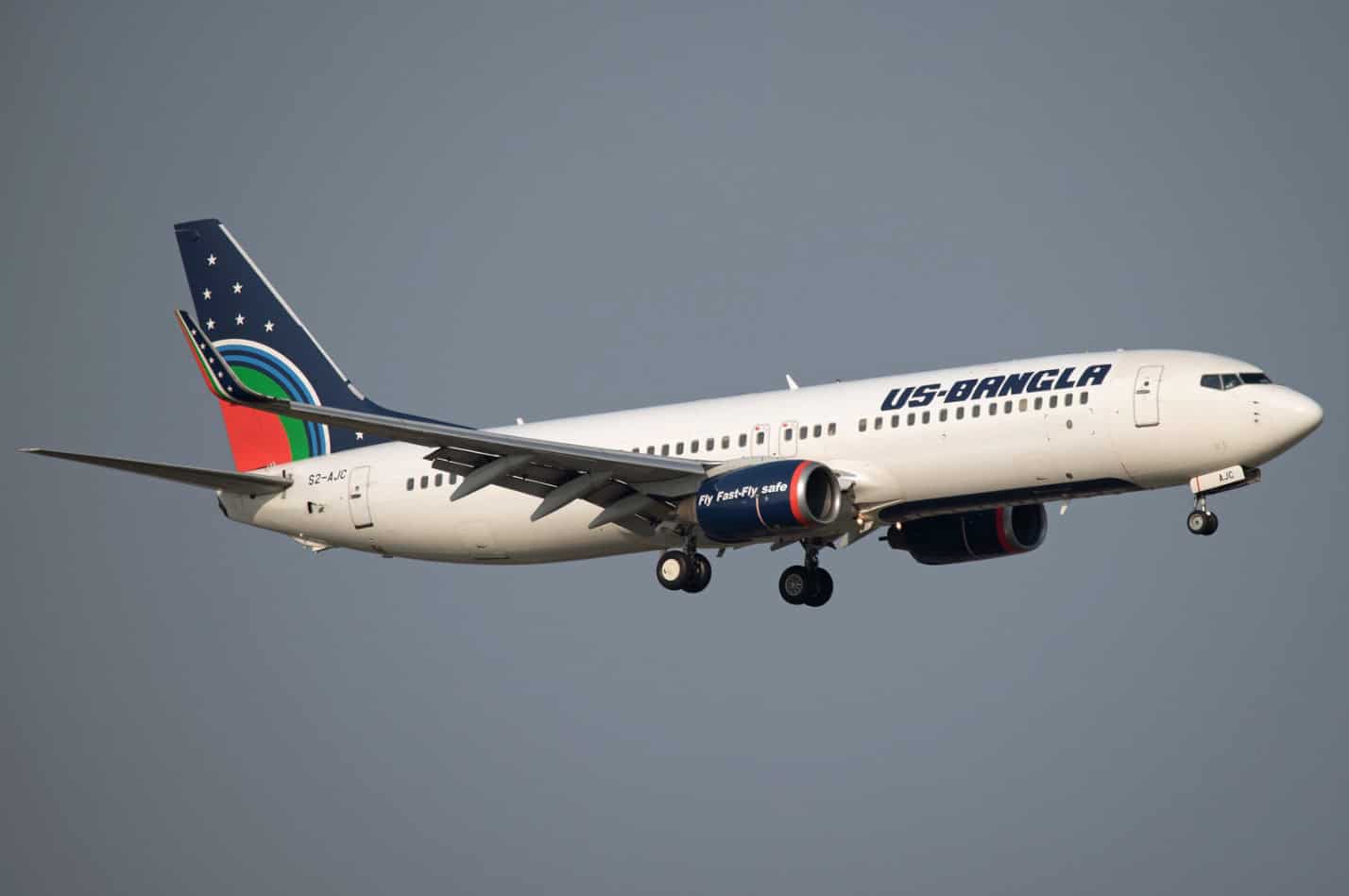
On July 29, 2026, US-Bangla Airlines unveiled a plan to add 21 Boeing 737 jets in a fleet expansion valued at about $1.5 billion. The Bangladeshi carrier announced the deal at a “Beyond with Boeing” event in Dhaka, calling it the largest expansion ever undertaken by a private airline in the country.
The plan covers 15 Boeing 737-8 and six older Boeing 737-800 aircraft, with all deliveries targeted by the end of 2027. US-Bangla said the aircraft will come through leasing arrangements with five international lessors rather than a direct purchase from Boeing.
Group Managing Director Mohammad Abdullah Al Mamun said the move “reflects our long-term vision to transform US-Bangla from an airline into a fully integrated global aviation group.” The event drew Boeing executives and Bangladeshi government officials.
Why lease instead of buy
Ordering directly from a manufacturer means a multi-year wait and a large capital outlay. Leasing lets an airline grow far faster, spreading the cost over monthly payments and drawing on jets that lessors already have on order or in service.
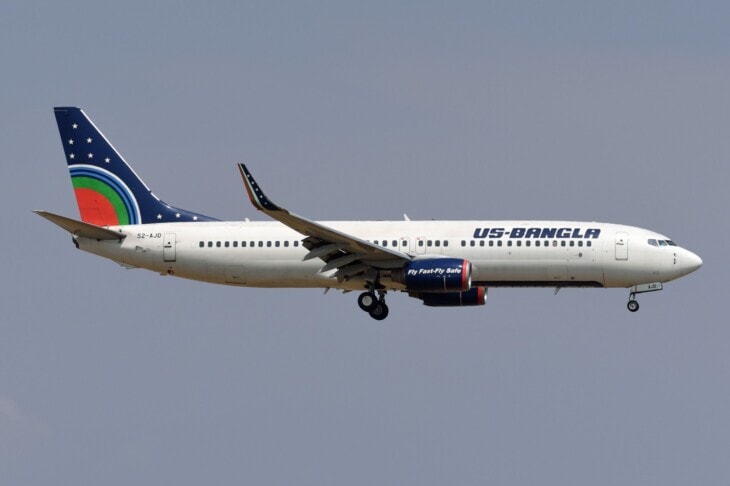
That structure explains the split fleet. The 15 737 MAX 8s are current-production jets, while the six 737-800s are earlier-generation aircraft no longer built, the kind of used airframes lessors can place quickly. Blending new and existing types is a common way to scale capacity without waiting years for a full new-build order.
US-Bangla operated about 25 aircraft as of July 2026, a mixed fleet of three Airbus A330-300s, nine Boeing 737-800s, and ATR and Dash 8 turboprops. The new jets would nearly double its narrowbody backbone and standardize much of the fleet on the 737.
Where the jets would fly
US-Bangla says near-term targets from its Dhaka base include Bengaluru, Colombo, Kathmandu, Beijing, Penang, Kuwait and Madinah, with London and Rome planned for 2028 and New York, Toronto and Sydney floated for 2030.
A vote for Boeing in a growing market
The commitment is a win for Boeing in South Asia, one of the fastest-growing aviation markets in the world. Bangladesh has a large population, a big overseas workforce, and rising travel demand, which makes it a natural target for narrowbody growth.
It also follows a steady run of single-aisle demand from emerging carriers, echoing moves such as Uganda Airlines’ first Boeing order earlier this year. For Boeing, each such deal helps rebuild a narrowbody order book still recovering from the 737 MAX’s troubled years.
For now the expansion is anchored at Dhaka, where US-Bangla’s international ambitions will be tested against the practical limits of a rapid, lease-driven build-up: crew hiring, maintenance capacity, and route approvals all have to scale alongside the metal.
Reality check
This is a stated leasing plan, not a finalized order backlog. The lessors were not named, delivery slots through 2027 depend on Boeing’s output, and the longer-haul routes to Europe and North America remain aspirational rather than scheduled.
Get the Newsletter
The latest aviation news and stories sent to your inbox.
About the Author

Tim is the owner and lead editor of AeroCorner since 2019, overseeing aviation content covering aircraft, airlines, airports, and the broader aviation industry. Through years of researching, writing, editing, and publishing aviation-focused content, he has developed extensive practical knowledge of commercial aviation and air travel. Based in Asia and a frequent traveler himself, Tim also brings firsthand passenger experience to AeroCorner’s coverage. Outside of publishing, he has also explored aviation firsthand through hands-on flight training in New Zealand.