

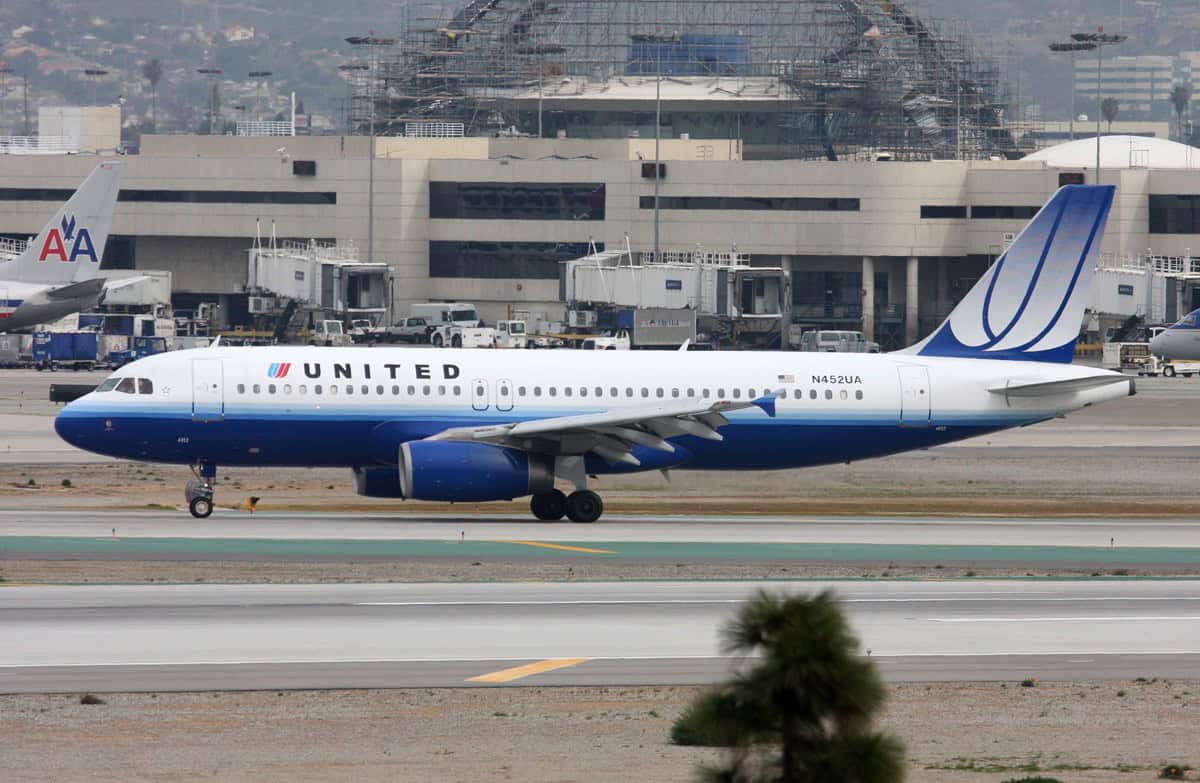
United Airlines flight UA1372 from Seattle to San Francisco declared an emergency on Wednesday, October 28, 2026, because of an odor in the cabin. The Airbus A320 landed at San Francisco International Airport just after 11 a.m. local time, a United spokesperson said.
All 88 passengers got off normally at the gate, and five crew members were also on board, according to the airline. United has not said what caused the smell.
What United and the tracking data show
The spokesperson’s account was first reported by KRON4, the San Francisco TV station. United said the flight left Seattle-Tacoma International Airport at 9 a.m. and declared the emergency “due to an odor in the cabin” during the roughly two-hour trip.
The airline did not say at what point in the flight the crew made the call. Its statement, as reported, mentions no medical problems among passengers or crew.
Flight-tracking data from FlightStats identifies the aircraft as N452UA. It pushed back from gate B11 in Seattle at 9:01 a.m. and reached gate F15 in Terminal 3 at San Francisco International at 11:07 a.m., 17 minutes ahead of schedule.
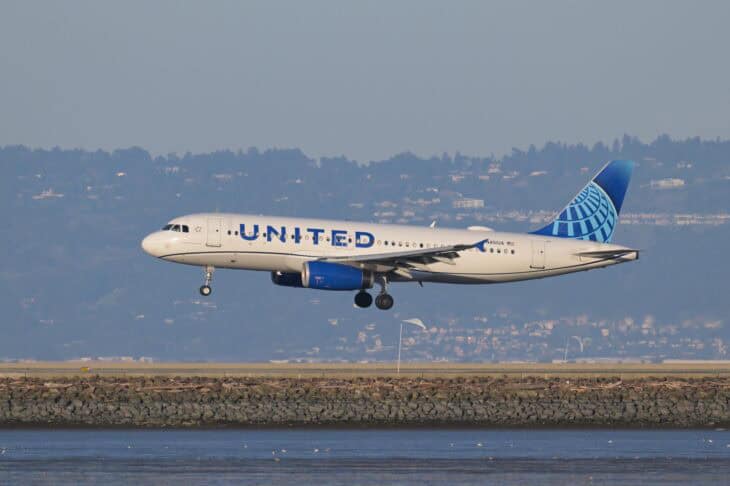

FAA registry records list N452UA as an Airbus A320 owned by United, built in 1999 and powered by IAE V2500 engines. That makes it about 27 years old.
The tracking data lists no diversion: the jet landed at its scheduled destination. The UA1372 flight number continued from San Francisco to Boston that afternoon on a different aircraft, a Boeing 757, FlightStats shows.
At the time of writing on October 29, neither United nor the FAA had said where the odor came from or whether N452UA was taken out of service for inspection.
Why a smell is enough to declare an emergency
A smell on board does not have to be dangerous to justify the call. The FAA’s Aeronautical Information Manual says an aircraft is in at least an urgency condition the moment the pilot becomes doubtful about any condition that could affect flight safety.
The manual tells pilots who become apprehensive for their safety for any reason to request assistance immediately, rather than wait for things to get worse. Declaring an emergency is how a crew asks air traffic control for that help.
On most large airliners, about half of the air in the cabin is bleed air, compressed air drawn from the engines, mixed with filtered, recirculated air, according to the FAA. That design is how a mechanical fault can reach passengers.
The FAA names failed engine oil seals and worn recirculation fan bearings as examples of faults that can push fumes into the cabin. The agency says it investigates the cause of such incidents and makes sure it is fixed before the aircraft flies again.
Events like this are uncommon. A 2015 FAA review put cabin air quality events at fewer than 33 per million departures, and airlines must file a Service Difficulty Report whenever smoke, vapor or a noxious odor enters the cockpit or cabin.
Not United’s first odor event this month
UA1372 follows at least two other United flights this month that ended early because of a smell on board. On October 15, a 767-300ER flying as UA941 returned to Heathrow after declaring an emergency over a cabin odor on its way to Newark.
On October 4, a United 757 bound for Newark turned back to Dublin after a strong fuel smell gave a number of passengers and crew headaches.
The three events involve different aircraft types and different routes, and nothing published links them. Unlike the two transatlantic flights, UA1372 ended where it was supposed to, ahead of schedule, with its passengers leaving normally at the gate.
Sources and references used for research and fact-checking.
Get the Newsletter
The latest aviation news and stories sent to your inbox.
About the Author

AeroCorner News is the aviation news desk of AeroCorner.com. It covers accidents and incidents, safety rulings, airline and airport disruption, and new aircraft. It works from primary sources such as the NTSB, FAA, EASA and the manufacturers' own announcements.